
Teacher Portal:
Forms of Energy
Investigation 3
Forms of Energy: Investigation 3
Electricity and Energy
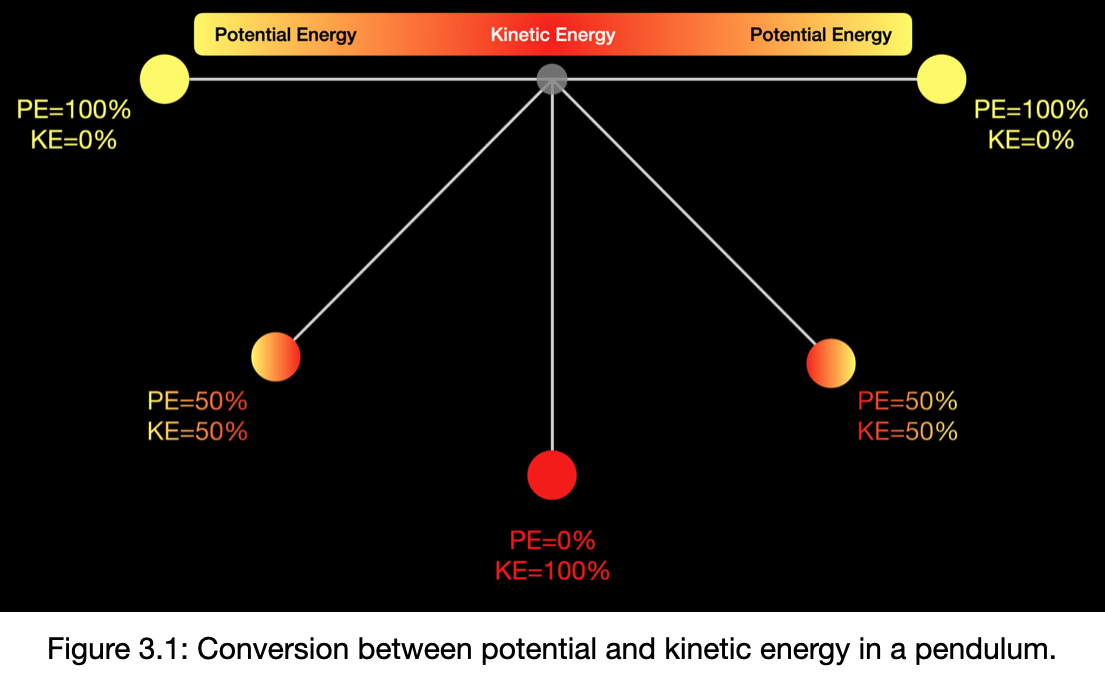 Thus far, students have explored the relationship between potential and kinetic energy (Investigation One) by examining how the energy of a marble is converted from potential to mechanical kinetic energy as it rolls down an inclined plane. Students discover that the marble then transfers its mechanical energy to the flower pot which then slides across the table surface. Students continued their investigation of energy transformation and potential and kinetic energy by exploring another form of kinetic energy—sound energy (Investigation Two). Students discovered that sound energy can also be converted
 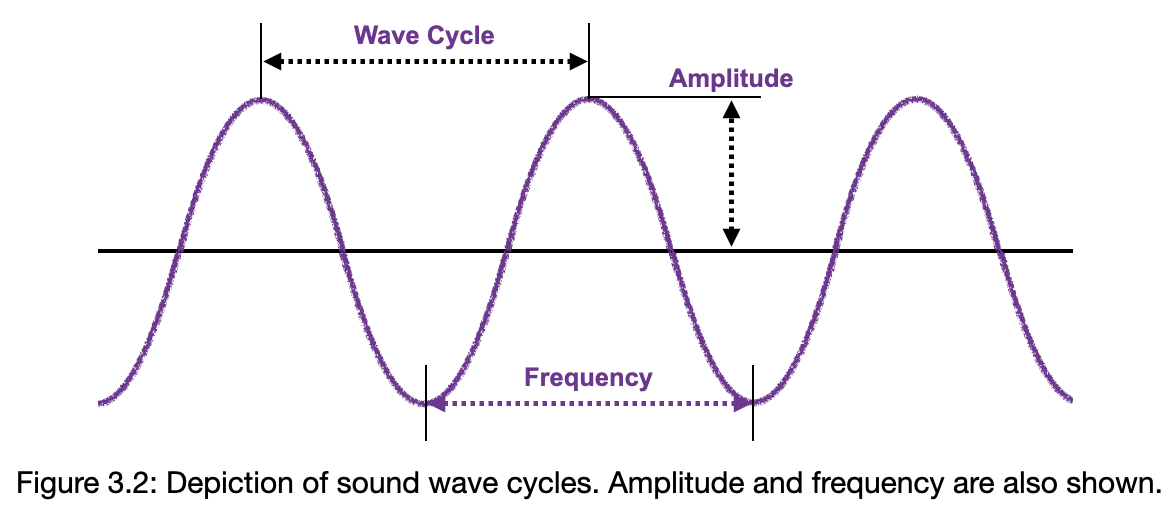 to mechanical energy as they used activated tuning forks to stimulate vibrations in liquids, solids, and air (a gas). This proved to students that sound travels in waves and can be transmitted through all types of matter. Students also investigated how energy, like matter, can have properties. They generated sound waves with different frequencies and amplitudes. Investigation Three provides students an opportunity to explore electrical energy.
Investigation Two demonstrated that energy can be transmitted in waves. We also learned that kinetic energy is the energy of movement. It is easy to see the kinetic energy of movement in a ball rolling down a ramp or when a guitar string is vibrating to produce sound. However, it is not always so easy to actually see the movement involved in other forms of kinetic energy. For example, light energy involves the movement of small particles called photons. Heat energy involves the vibration of molecules. The greater the kinetic “thermal” energy, the faster the molecules that make up a sample vibrate and move. The videos below graphically show the involvement of movement in each of these major categories of kinetic energy.

Mechanical Energy
Moving Objects

Sound Energy
Moving Waves
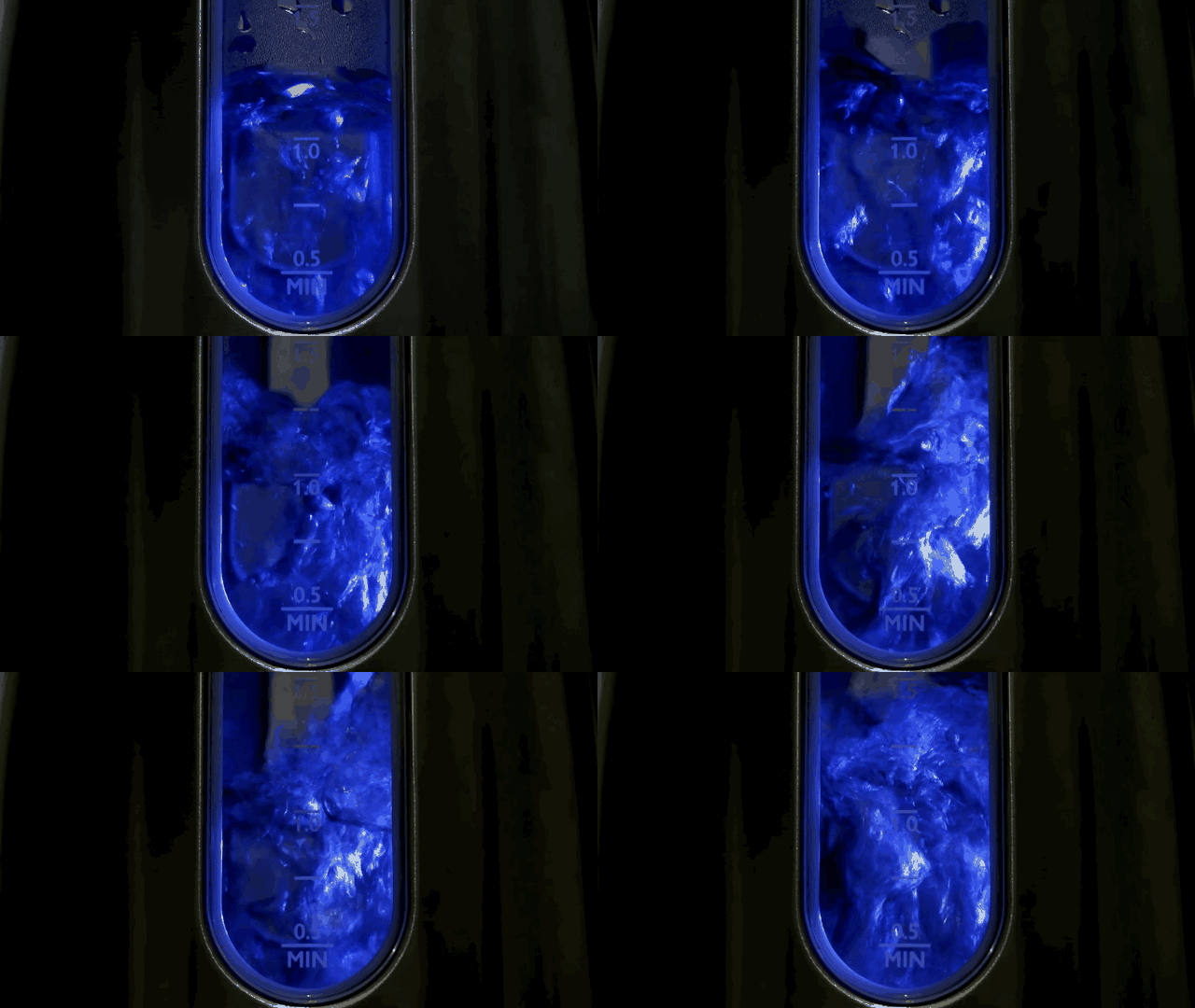
Heat Energy
Moving Molecules

Light Energy
Moving Photons
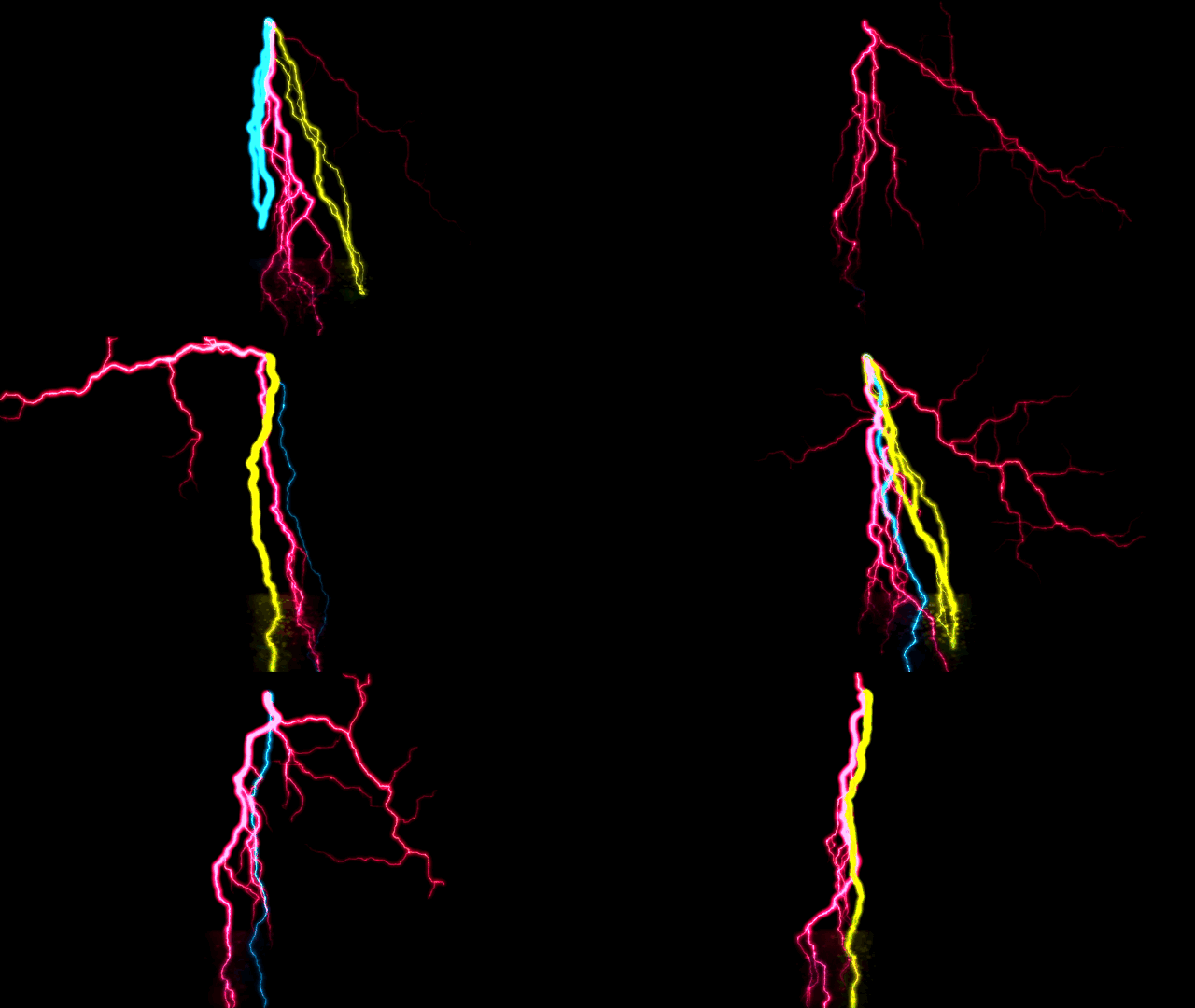
Electric Energy
Moving Electrons
Electrons
 In this Investigation, students will discover that kinetic energy can also be the result of the movement of particles of matter called electrons. Electrons have a negative charge, and this charge makes them attractive to matter with a positive charge. Electricity occurs whenever electrons move between objects or materials. The video animation shown here represents electrons spinning around in an atom of matter. The rapidly moving electrons can jump from their atoms and move rapidly through the wires of an electrical circuit and do work like lighting a lightbulb or turning an electric motor. In addition, electrons can be stored in batteries until they are needed in a circuit, like when you turn your phone or laptop on.
Current Electricity and Circuits
Electricity is the flow of electrons along a path. The path is a wire or other conductor. A conductor is a material or object through which electrons can easily flow. Materials that are poor conductors of electricity are called insulators. We make use of the properties of conduction and insulation to direct the flow of current and to protect ourselves from electric shock.
The path through which current flows is called a circuit. Circuits can be complete (closed) or incomplete (open). Electrons move continuously through a complete circuit. However, the flow of electrons is interrupted in an incomplete circuit. This may be the result of parts of a path missing, such as attempting to create a circuit with a light bulb and battery alone without wires, or because all the parts are in place but the path itself is not complete. We make use of the ability to stop the flow of electrons through a circuit by including switches. When a switch is “on”, the circuit is complete and electricity flows. When the switch is “off”, the circuit is incomplete and electricity cannot flow. The “switch” in the circuit below is simply to disconnect one of the wires from the battery.
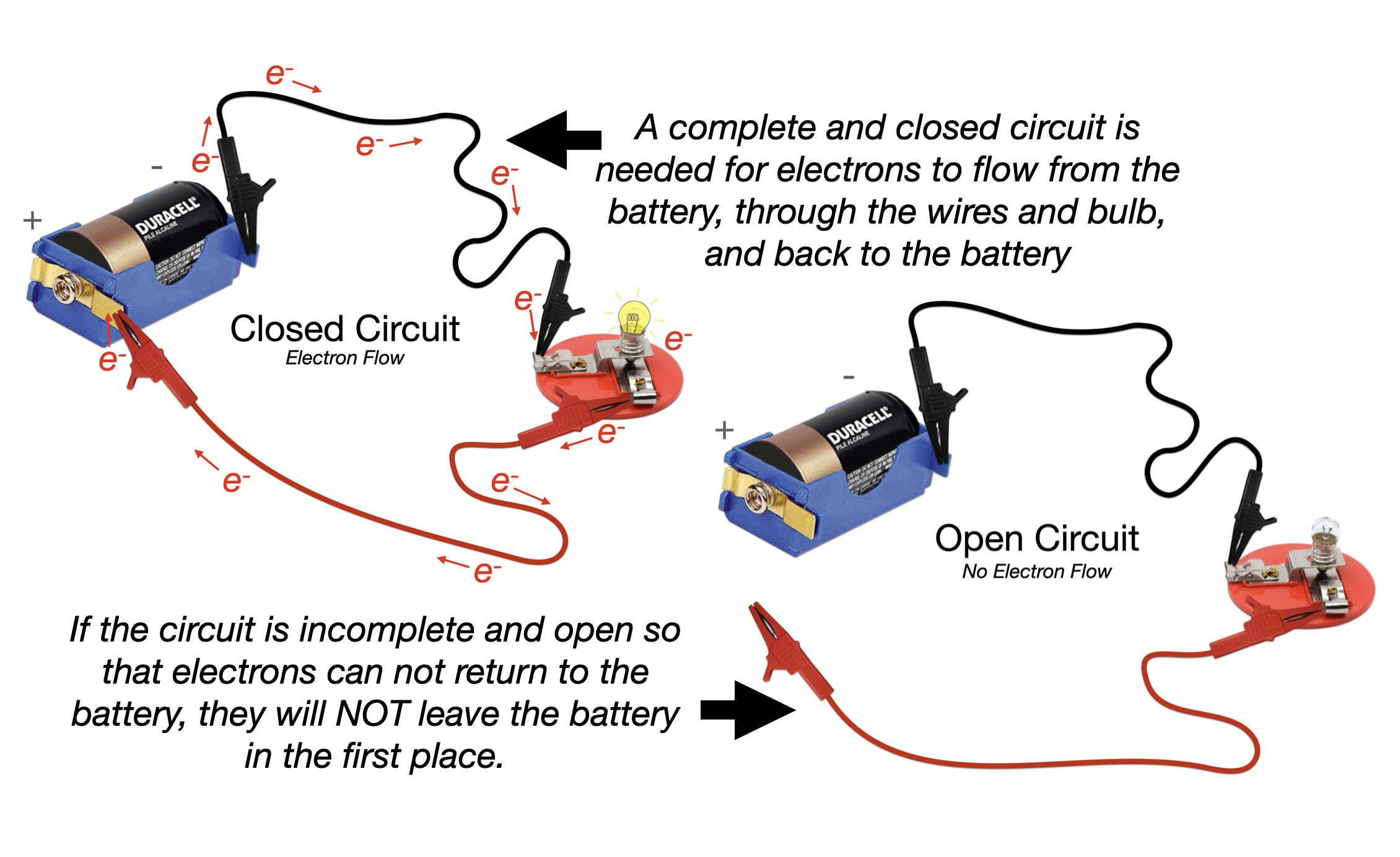
All circuits must have a conductor and an energy source. In a household circuit, the energy source is the electric company’s grid, which in itself is a massive circuit powered by an electrical plant. In a simple, self-contained circuit the power often comes from a battery. A battery is essentially a storage container full of chemical potential energy. When placed into a circuit connected to the negative and positive terminals of the battery, electrons flow from the negative terminal to the positive terminal in the form of electrical kinetic energy. As the electrons flow through the circuit, they may pass through devices such as light bulbs. Electrical devices convert electrical energy to another form of kinetic energy. This may be mechanical energy in the form of a motor turning a fan, or it may be a conversion to light and heat energy as the electrons pass through the filament of a light bulb.
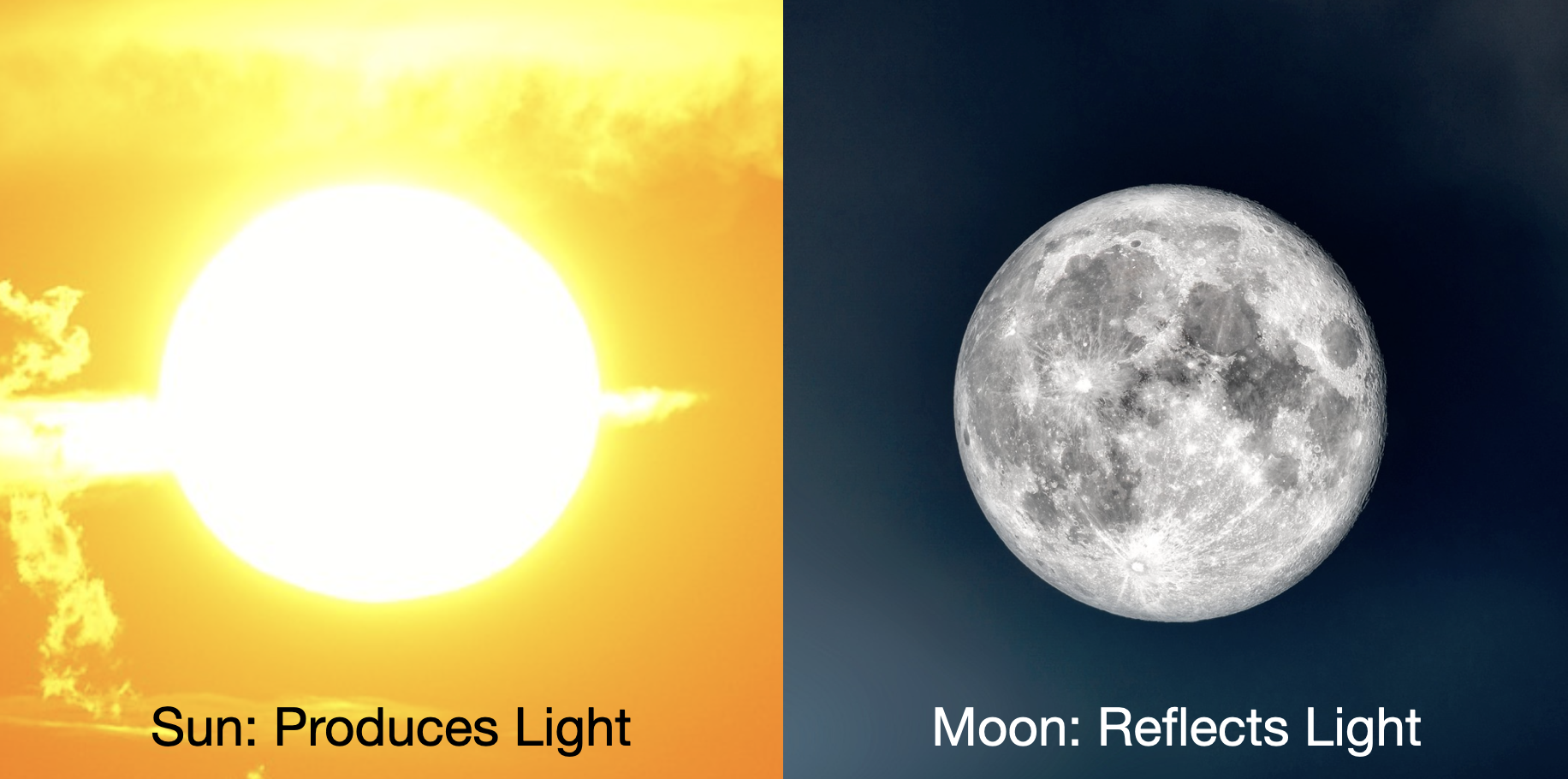 Electrical energy generates a special type of light energy called artificial light. Fluorescent light, neon light, incandescent light, and halogen light are all forms of artificial light. In contrast, the light from the Sun, stars, and other natural sources is called natural light. Natural light is produced by chemical or nuclear reactions. The Sun and stars produce light as the result of nuclear reactions in their core. The Moon and other planets in the solar
  system are often referred to as sources of natural light; however, they reflect sunlight rather than generate light themselves. Fireflies can also generate natural light. Their glowing tails are the result of a chemical reaction that generates the release of photons.
Batteries
There are several different units used to measure electricity. Batteries are rated in volts (V). Voltage is the measure of the potential difference between the two terminals in the battery. Light bulbs are rated in watts (W), which is a measure of the amount of work done per second. A kilowatt-hour (kWh) is the amount of work 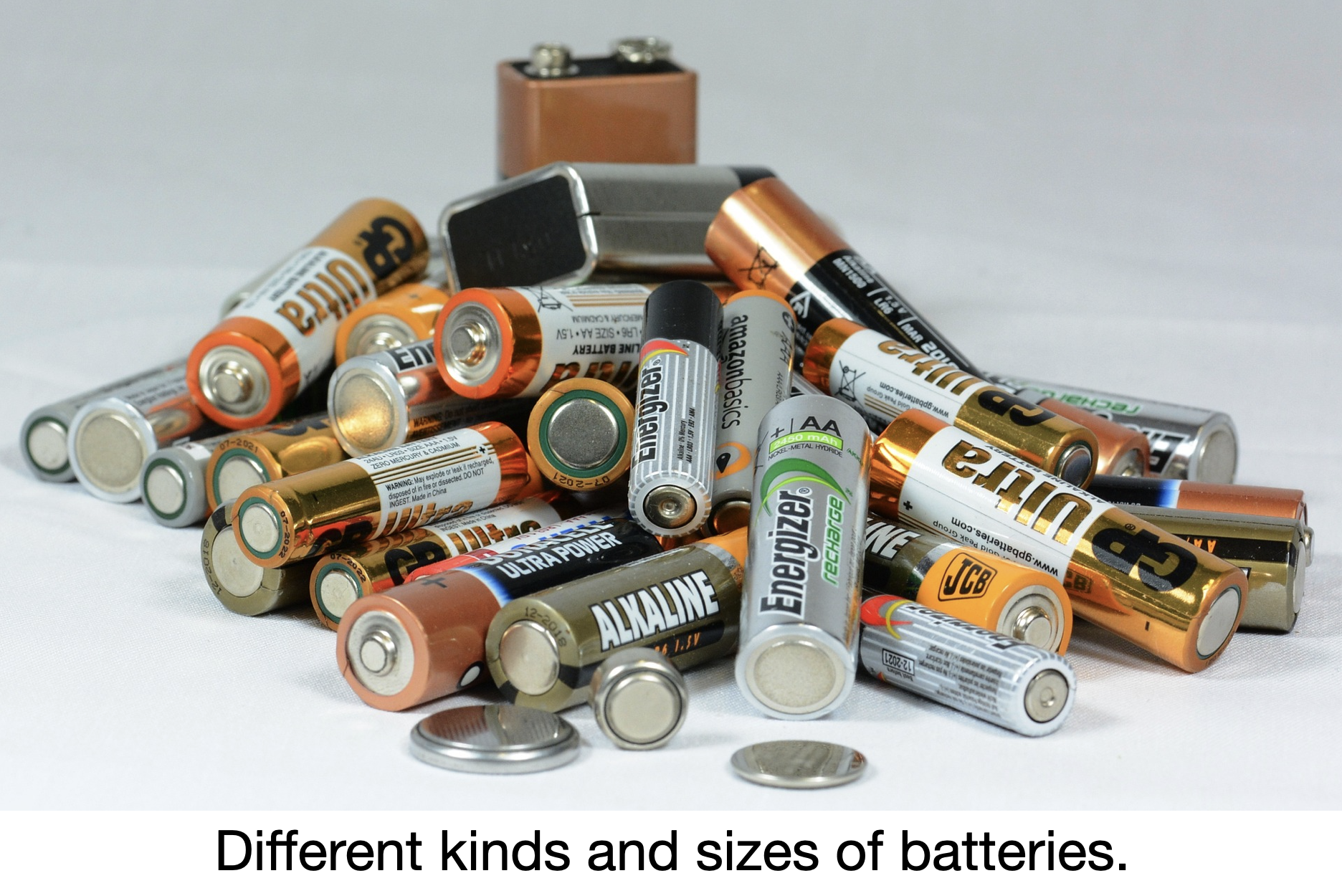 done by the source of the power. Household electricity bills show energy usage in terms of kilowatt-hours, and appliances are given energy ratings in units of kilowatt-hours.
In this Investigation, students will explore the conversion of chemical potential energy (from a battery) to electrical and light energy through the creation of simple, series, and parallel circuits. In addition, students will examine the inner workings of a flashlight to determine if all circuits must use wires as paths for current. Finally, students will examine how electrical energy is directed by the use of insulating and conducting materials.
Forms of Energy: Investigation 3 - Mathematics Concepts
Prelab
- sequential order
Lab
- parts/whole
- positive/negative
- problem-solving
- sequential order
Postlab
- sequential order
- problem-solving
Forms of Energy: Investigation 3 - Procedural Tools

The design of this Investigation does not include a focus on the students’ work with tools from the Procedural Toolbox.

Forms of Energy:
Investigation 3 Quiz

