
Teacher Portal:
Exploring Ecosystems
Investigation 2
Investigation Two: Adaptations
In Investigation One, students investigated the food chains and food webs. In this Investigation, students will learn how populations of organisms develop structures that allow them to survive in a particular ecosystem. Students will perform experiments that model the survival of two different kinds of plants in two separate ecosystems– wetlands and forests.
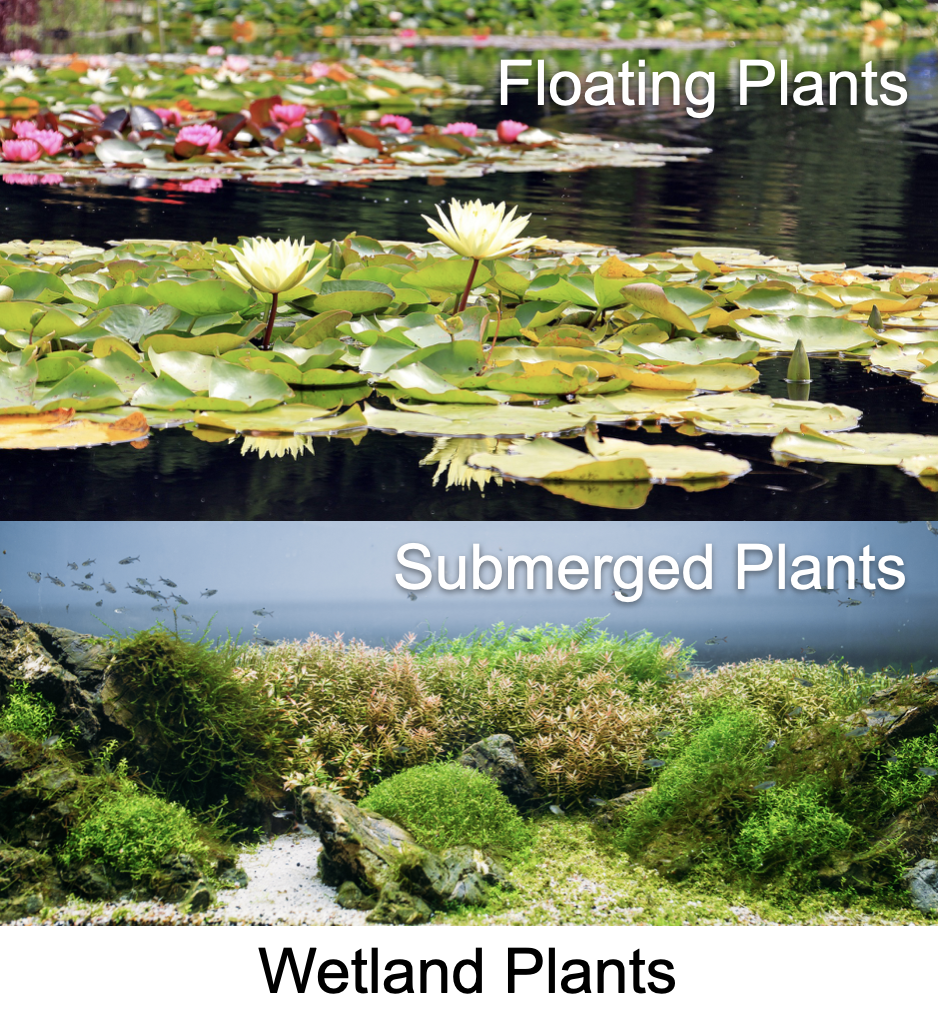 Wetlands may be defined as an area of land that is periodically covered by water and contains soil with a great deal of moisture. They are typically located between land and bodies of water. Wetlands serve as an important buffering system. They can hold water in times of flooding and release water in times of drought. Plants that live in wetlands are termed hydrophytes (water-loving plants). In order to survive, a hydrophyte must either be completely submerged in water, or in some cases, float on the surface of the water-like lily pads.
Typically, there is very little oxygen in wetland soil because it is usually covered with water. In order to survive, the hydrophytes have adapted to live in soil that lacks large amounts of oxygen. Thus, hydrophytes often have sturdy hollow tubes in their leaves to transport water and oxygen.
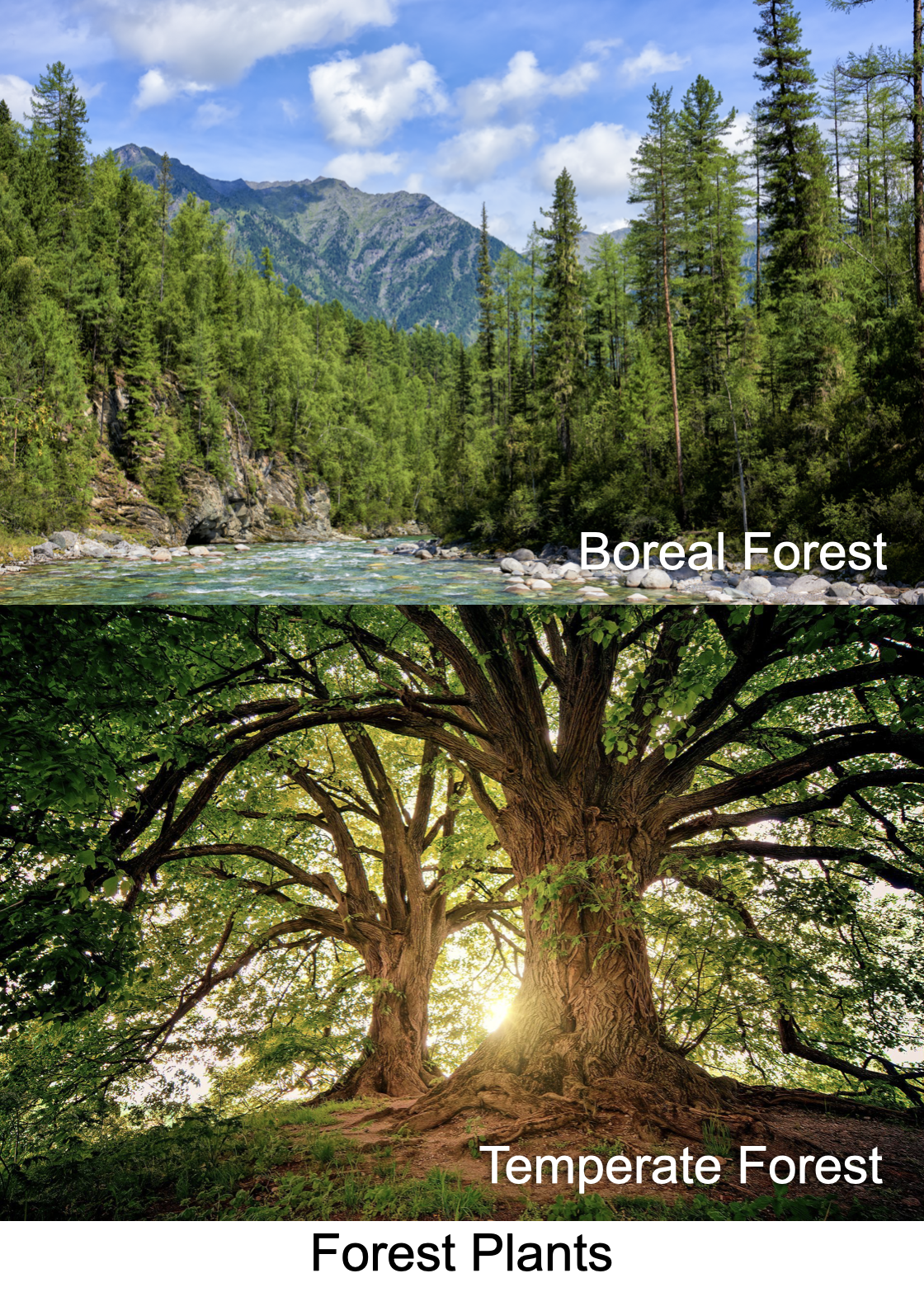 The forest is another important ecosystem that typically covers a large area of land. Forests are one of the ecosystems most endangered by man, as millions of acres of forest are depleted annually by lumbering operations and development.
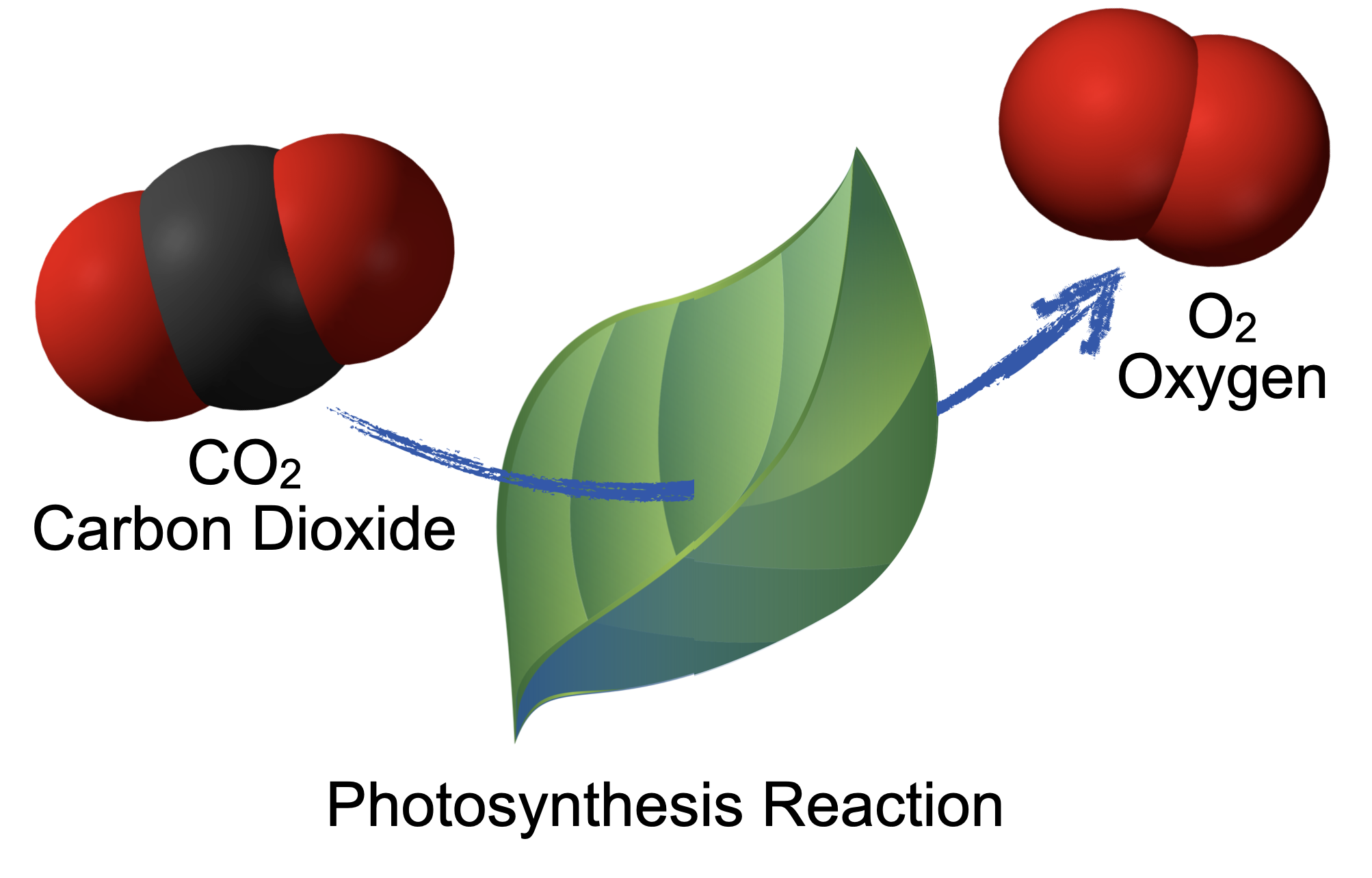
Forests are characterized by a dense growth of trees, plants, and underbrush or shrubs. Forest rainfall varies according to its geographical location on Earth. Boreal forests are the largest of the ecosystems on Earth and are found in the northern parts of the world. They are characterized by coniferous and evergreen trees. Precipitation usually occurs all year long in one form or another, and forest soil is not dry or marshy wet. Forest plants can therefore take secure hold of the soil and develop into very large trees with intricate and wide-spanning root systems. Forest trees are among the largest living organisms on Earth and require an enormous amount of water and CO2 to survive. On the other hand, as producers, they can generate tremendous amounts of oxygen and plant biomass through the process of photosynthesis for other organisms in the ecosystem.
In this Investigation, students will perform experiments that model how different root systems provide plants with the ability to survive in different soil water concentrations. These experiments and discussions will strengthen the students’ understanding of the concept of adaptation.
Exploring Ecosystems: Investigation 2-Mathematics Concepts
Prelab
• comparing (non)measurable characteristics
• data table
• grouping/classifying
Lab
• volume in mL
• length in cm
• problem-solving
Postlab
• comparing (non)measurable characteristics
• diameter/length in cm
• greater than/less than/equal to
• problem-solving
Exploring Ecosystems: Investigation 2 - Procedural Tools

Exploring Ecosystems: Investigation 2 - Cognitive Tools

Exploring Ecosystems:
Investigation 2 Quiz

