
Teacher Portal:
Microscopes and Magnification
Investigation 1
Microscopes and Magnification: Investigation 1
In Investigation 1, we will begin to explore magnification and introduce the hand lens as an instrument that is very much like the lens in a human eye. Both types of lenses function to collect light and magnify the image from which the light waves were reflected.
The Human Eye: The Sense of Sight
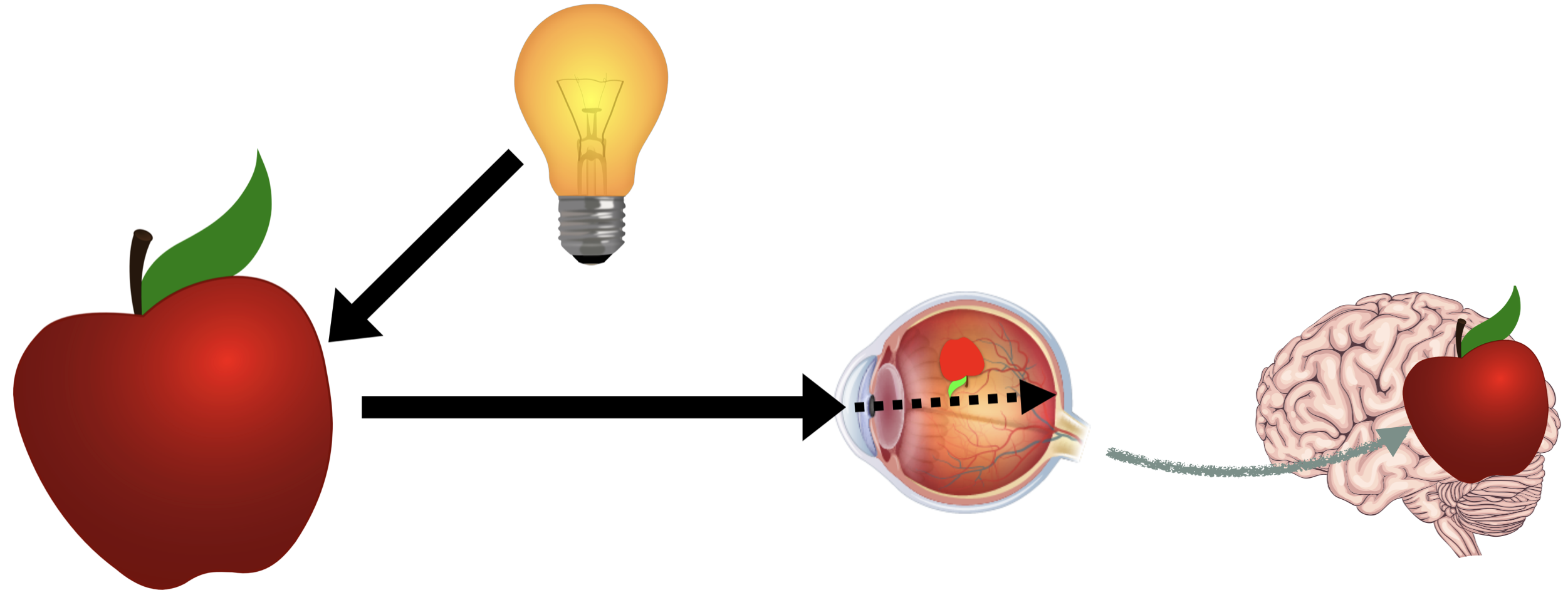
The sense of sight requires the gathering of light by the eyes, the conversion of an image to nerve signals, and the interpretation of these signals by the brain. We are able to see an object due to the light that falls on the object from a source such as the Sun or a light bulb. Some of the light is reflected off of the object which forms the image we detect. The light first enters our eye by passing 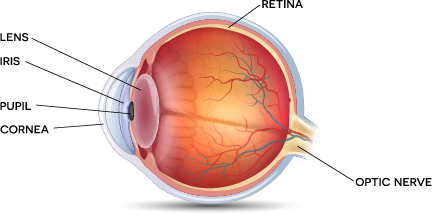 through the outer layer of the eye, called the cornea. The light then passes through an opening in the eye called the pupil. The light from the object then passes through a lens that focuses the image of the object onto a structure in the back of the eye called the retina. Cells in the retina convert the light falling on them into nerve signals that are carried by the optic nerve to the brain. The brain then interprets these signals allowing us to identify the object.
Hand Lenses
The human eye and magnifiers such as the convex lens in a hand lens all accomplish magnification by refracting or bending light. Refraction can result in the magnification of the image of an object by increasing the apparent size of the object. Magnifiers are tools that increase the capabilities of the “naked” or unassisted eye by increasing magnification beyond the capability of the unassisted eye.
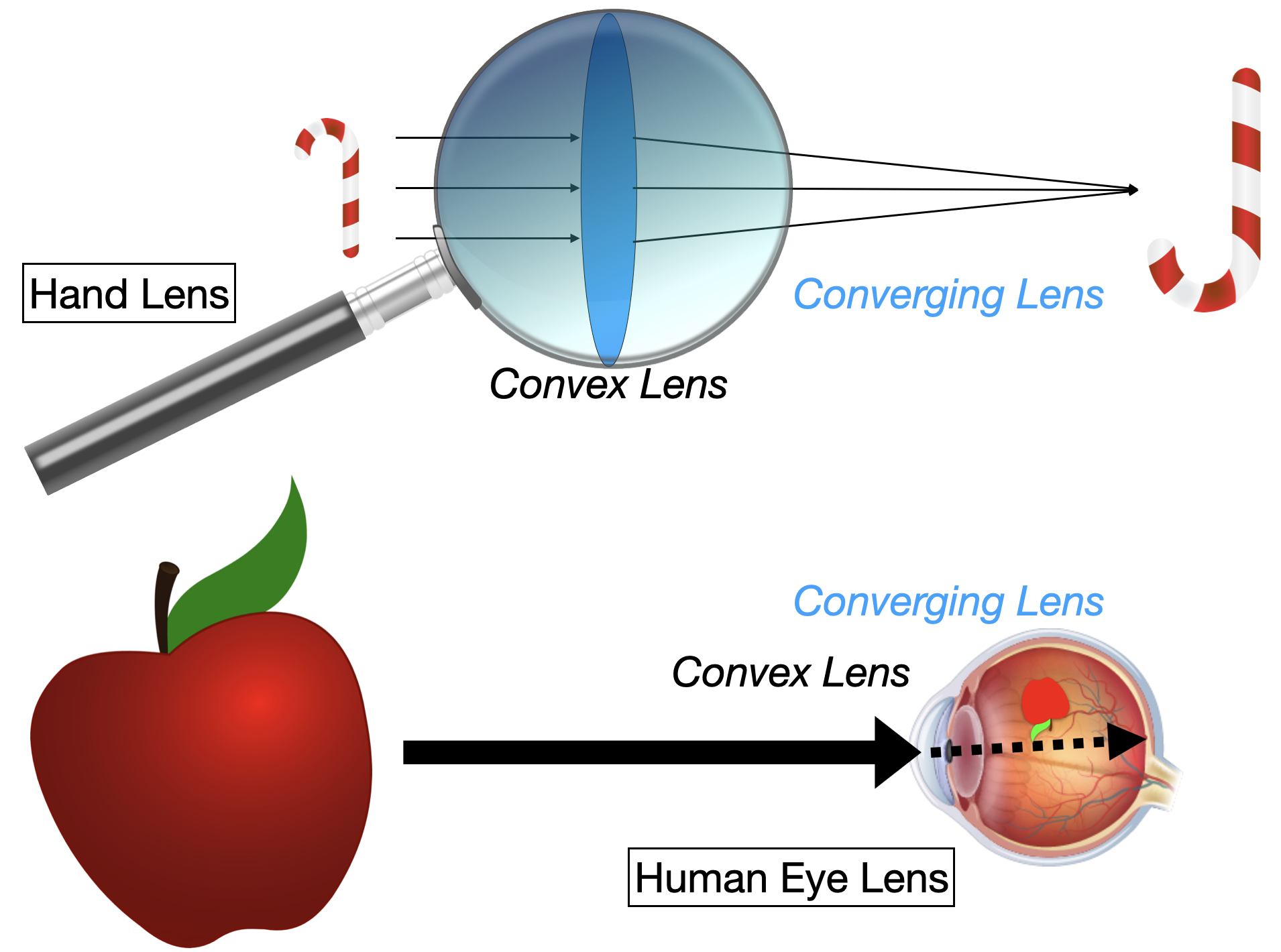
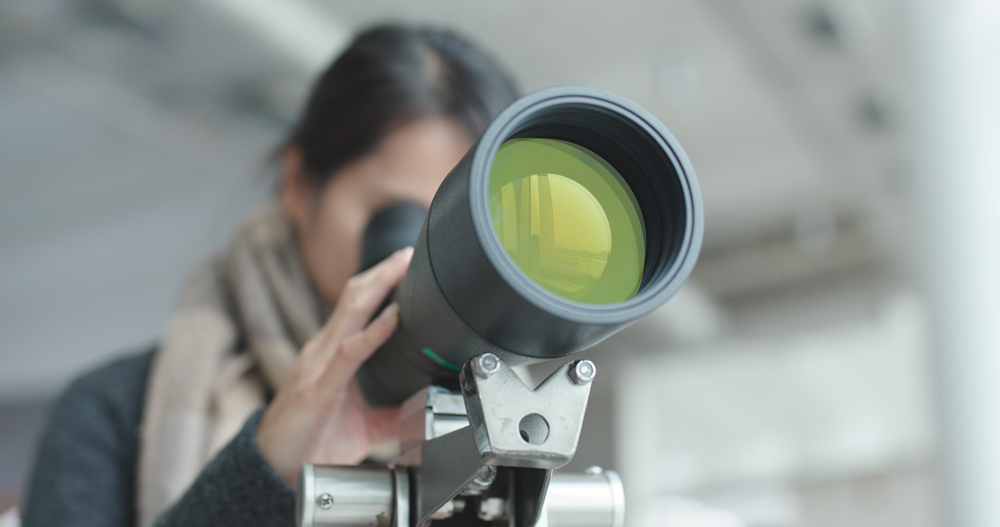
Magnifiers like the eye’s lens and a hand lens increase not only the magnification of an image but also increase the resolution of the image. By increasing the apparent size of an object, more details are discernable. Lenses are typically curved pieces of transparent material such as glass, plastic, or the clear tissue of the eye’s lens. Refraction of light by the curved surfaces of a lens enhances the resolution of small objects too small to be seen clearly by the unassisted eye. Examples of lenses include the lens in our eyes, eyeglasses, and mechanical viewing devices such as cameras, microscopes, and telescopes.
Microscopes and Magnification : Investigation 1 - Mathematics Concepts
Prelab
• comparing (non)measurable characteristics
• whole numbers
Lab
• data table
• comparing (non)measurable characteristics
• comparing size, shape, form
• greater than/less than/equal to
Postlab
• comparing (non)measurable characteristics
• comparing size, shape, form
• Venn Diagram
Microscopes and Magnification: Investigation 1 - Procedural Tools


Microscopes and Magnification:
Investigation 1 Quiz

