
Teacher Portal:
Exploring Electricity
Investigation 4
Investigation Four: Examining Electrical Properties
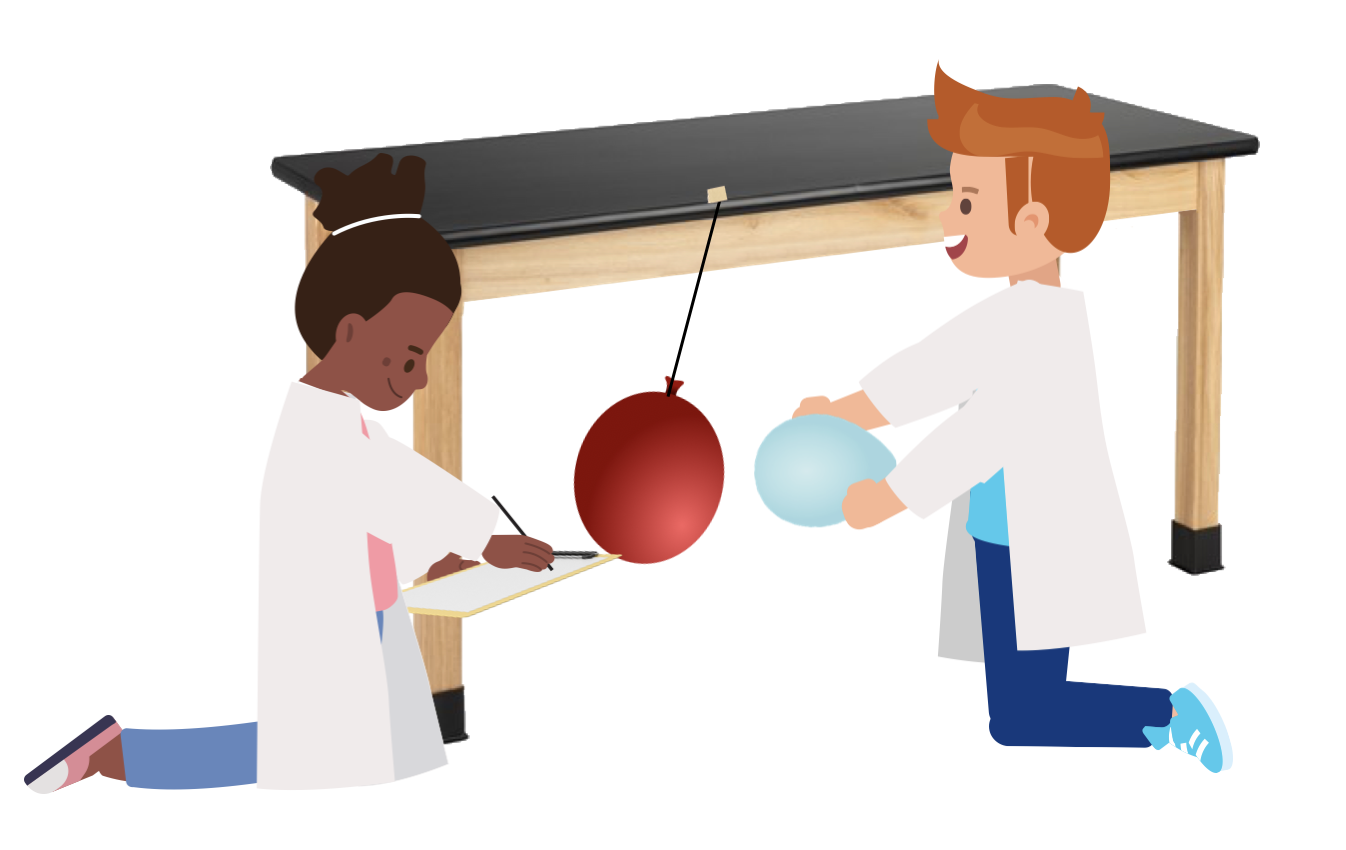 Investigations One and Two provided opportunities for students to explore static electricity and the concept of electrical charge as a method of introducing them to electricity. Investigation Three introduced students to the concept of current electricity and provided opportunities for students to experiment with the construction of simple electrical circuits. In Investigation Four, students will use their knowledge about simple circuits to test whether materials are conductors or insulators of electricity.
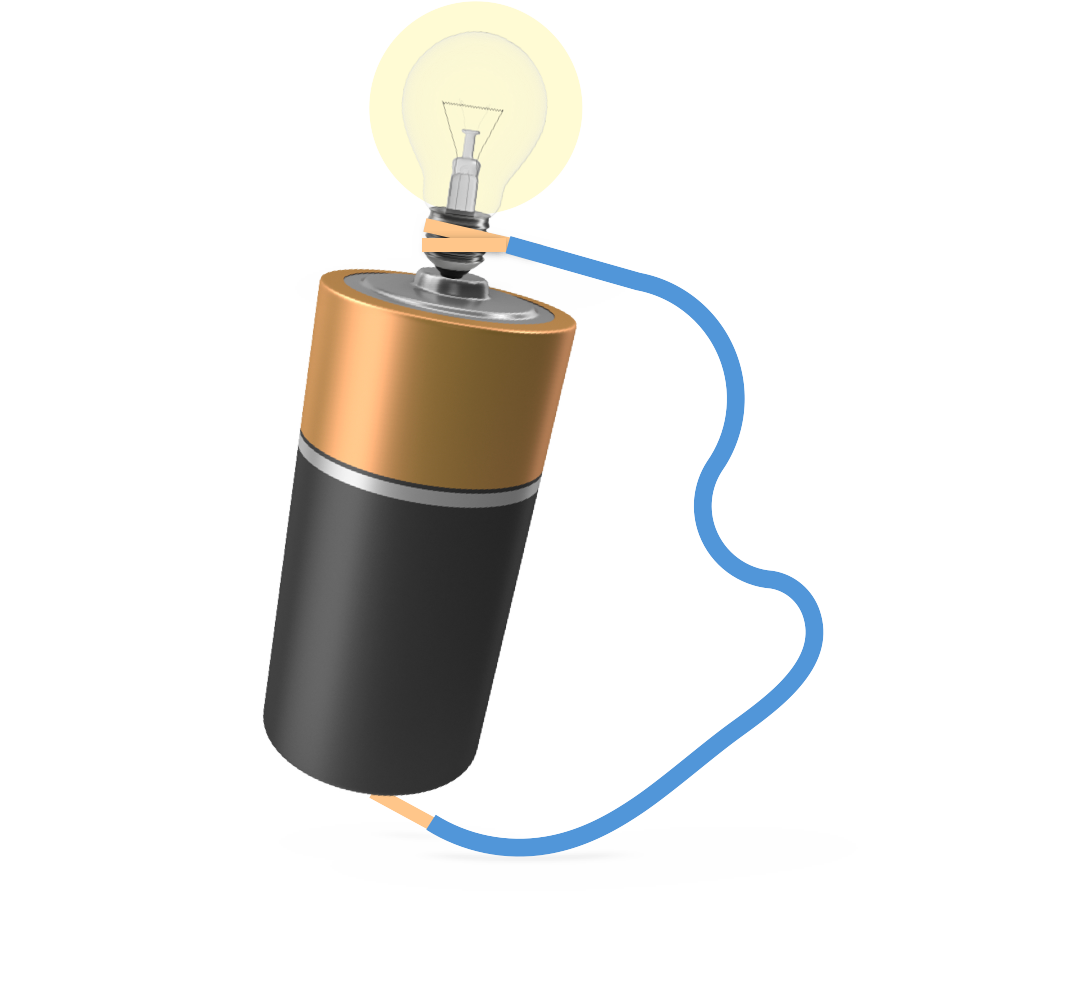 Electrical conductivity is a property of matter. Substances have varying abilities to conduct electricity based on their chemical composition. Substances through which electrons pass easily are called conductors. Substances that do not easily conduct electricity are called nonconductors, or insulators. Most substances fall into one of these two categories. However, there are some substances that have an intermediate ability to conduct electricity. These are called semiconductors.
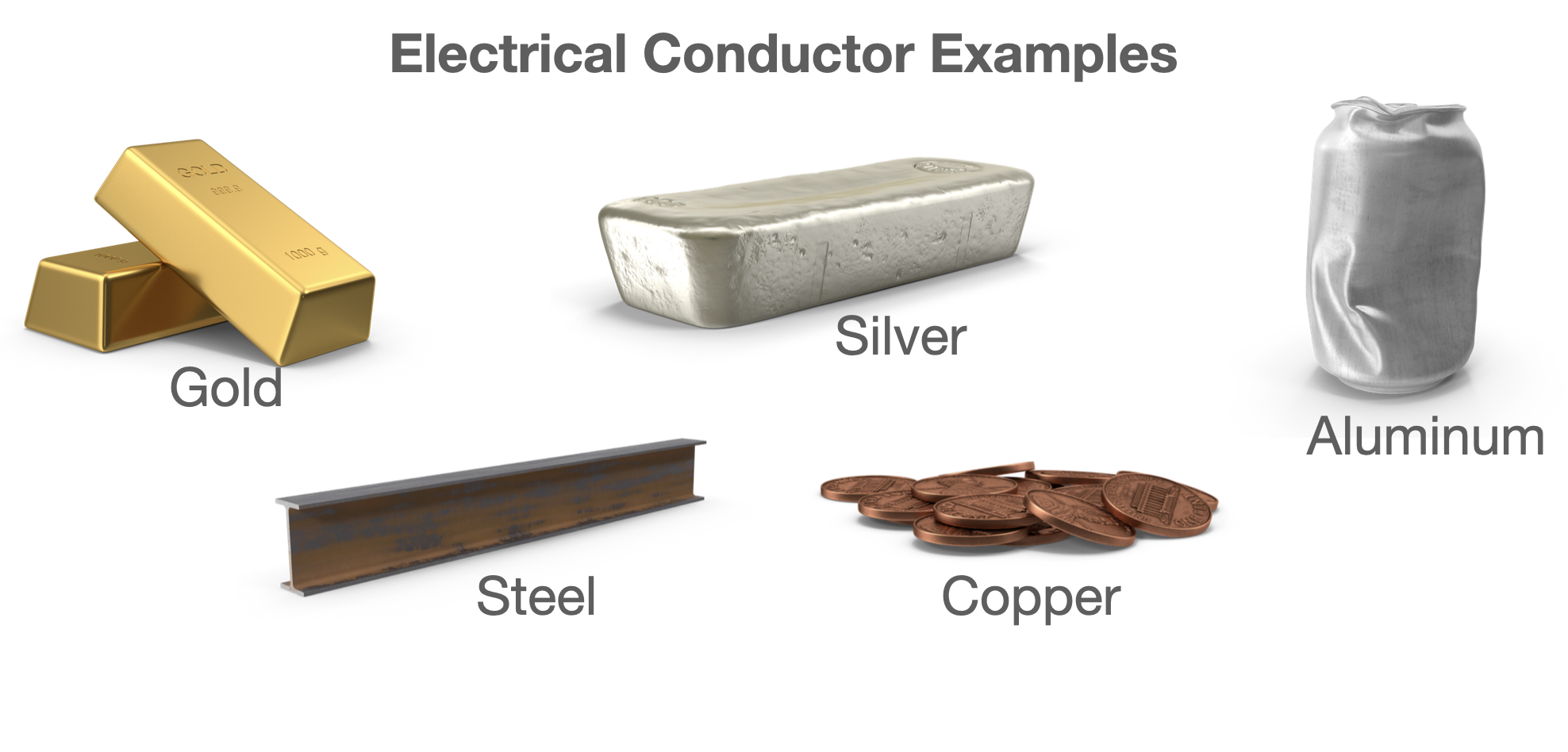
Conductors
The ability of a substance to serve as a conductor is determined by the strength with which its atoms hold on to their electrons when a charge is applied at one end of the substance. Substances whose atoms are willing to give up electrons are called conductors. This establishes a flow of electrons through the material. Some substances, such as metals, also contain free electrons. These substances are excellent conductors of electricity.
Insulators
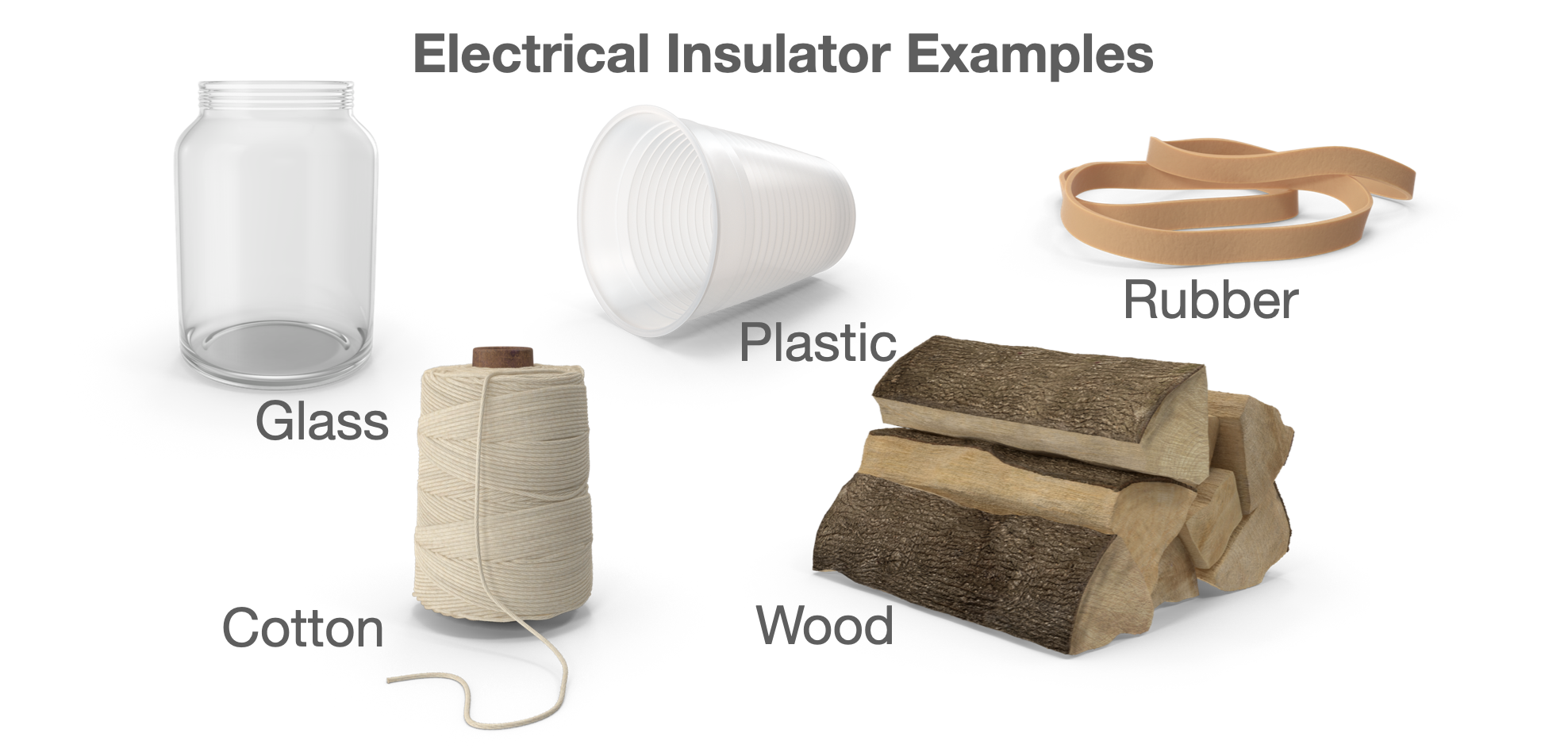
Substances whose atoms do not willingly release electrons are called insulators. The atoms in these substances have such a strong attraction for their electrons that the electrons cannot move when a charge is applied. As a result, a current is not established through the substance, thus insulating whatever is on the opposite side of the substance from the electrical current.
Electrical Wires and Power Lines
Electrical wire is frequently made of a conductor (copper or another metal) encased in an insulator (plastic or rubber). This insulation serves two purposes. First, it protects anyone who comes in contact with the wire from electrical shock. Second, it helps direct the flow of electricity down the 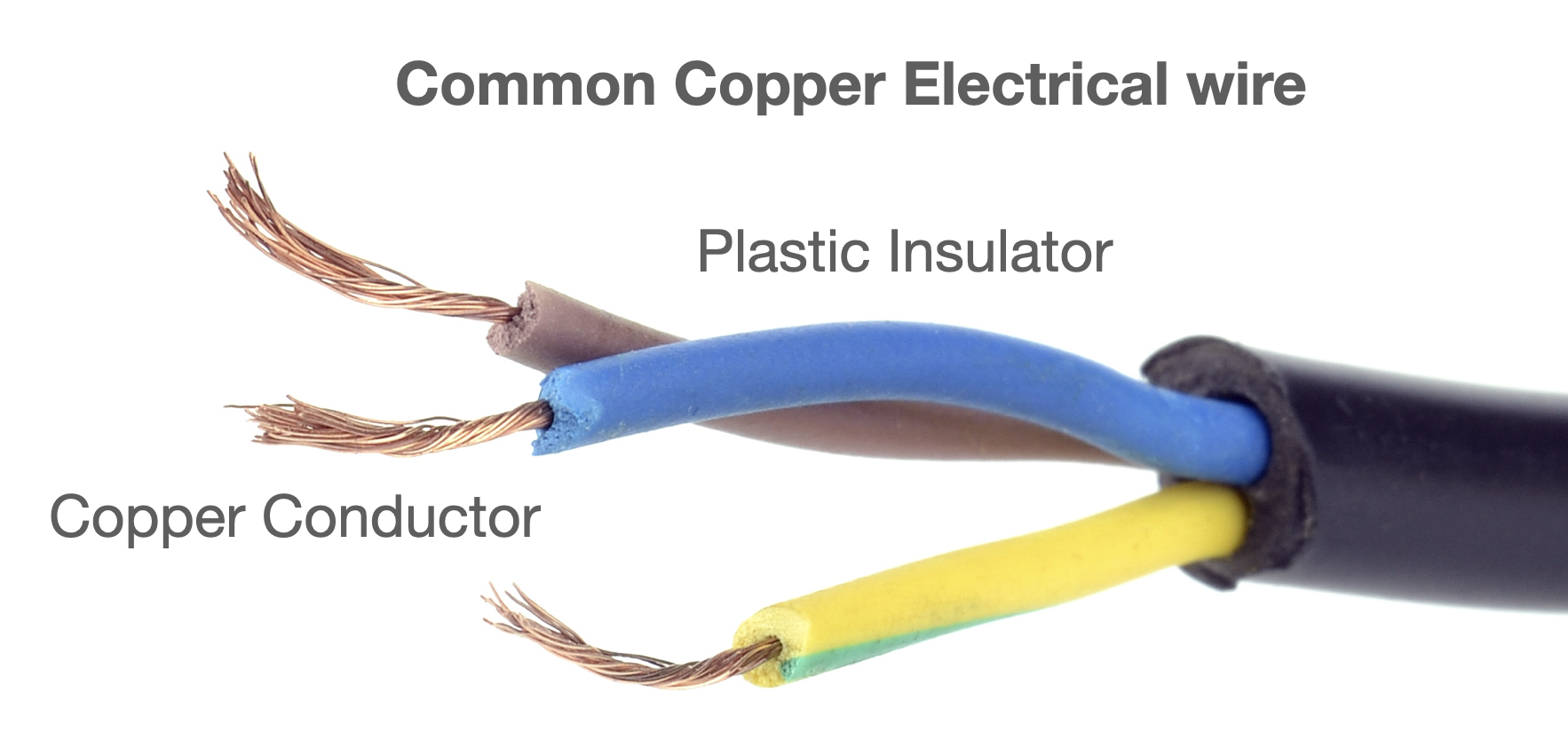 wire by preventing stray electrons from bleeding away from the outer surface of the wire. This improves the ability of the wire to provide a steady current as well as protecting the wire’s surroundings.
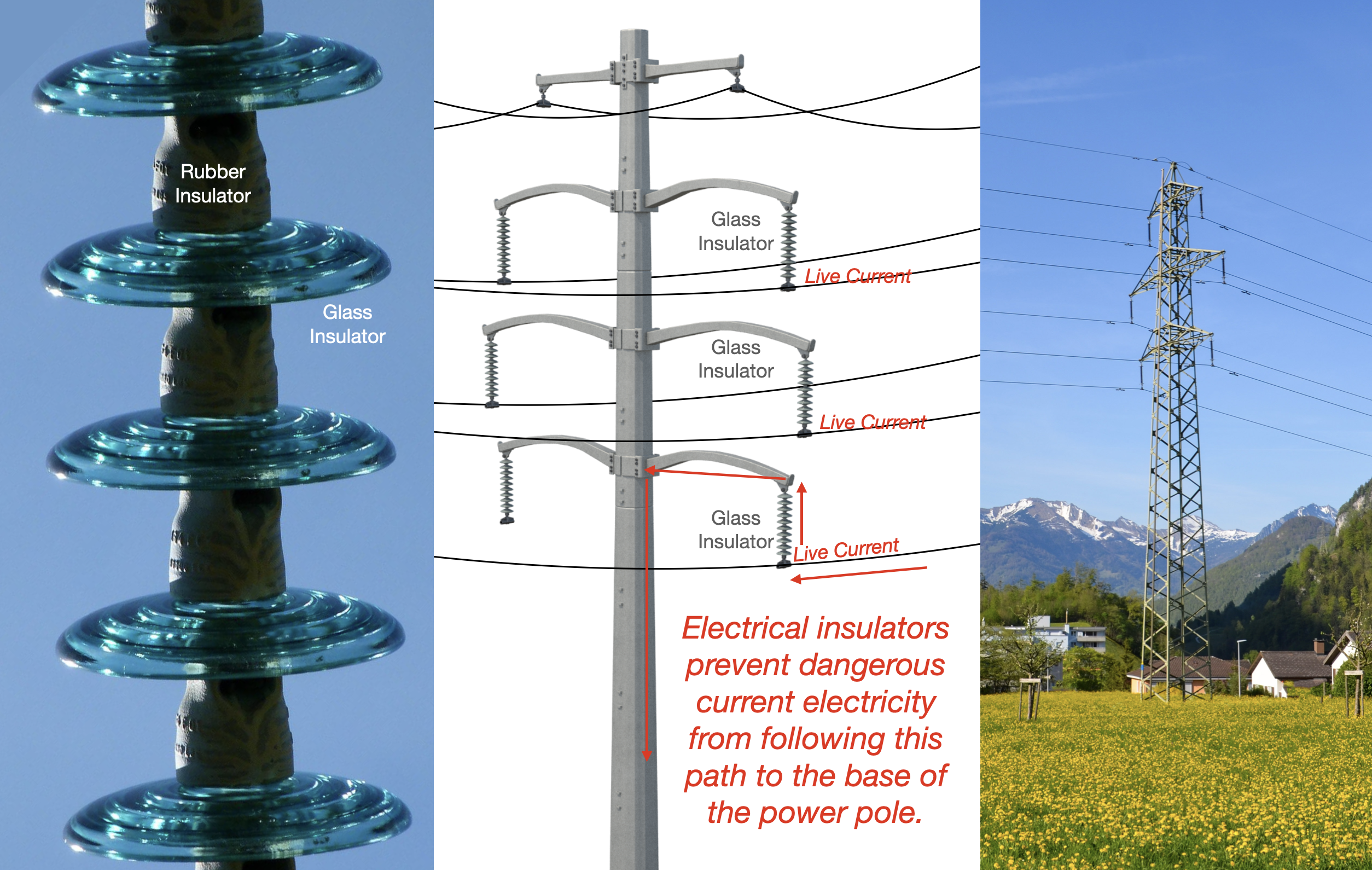
The power lines that we see everywhere carry dangerously high electrical currents for very long distances. This is one reason why they are suspended so far from the ground, where stray currents might reach the base of the tower or pole and harm humans. This potential is shown in the center illustration below. If there was a break in the rubber and plastic coating of the high current power lines, the current electricity could be conducted to the metal pole and immediately be transported to ground level. This path is shown by the red arrows at the bottom of the center illustration below. If this were to happen, simply touching the pole itself could lead to severe injury or death!
To prevent this from happening, all high-power electrical lines are separated some distance from the metal supporting pole by a series of insulators that the electric current cannot pass through. These insulators are often made of glass, which is a very good insulator, sometimes combined with rubber, another exceptional insulator. The next time you look up at power lines, see if you can spot these important insulators.
Investigation Four provides students with the opportunity to test the ability of various substances to conduct electricity. Students will be asked to make predictions about the abilities of certain objects to conduct electricity based on what they know about the composition of those objects. As students progress through the experiments, they will discover that substances made of wood, rubber, plastic, and glass make poor conductors of electricity, while substances made of metal tend to be good conductors. Students will also discover that objects such as pencils often contain materials that are conductors of electricity as well as materials that are insulators.
Exploring Electricity: Investigation 4 - Mathematics Concepts
Prelab
• problem-solving
• comparison
• positive/negative
• sequential order
Lab
• counting whole numbers
• sequential order
• problem-solving
• estimate/verify predictions/measurements
• data table
Postlab
• counting whole numbers
• comparison
• estimate/verify predictions/measurements
• comparing (non)measurable characteristics
• data table
• data analysis
• problem-solving
Exploring Electricity: Investigation 4 - Procedural Tools

Exploring Electricity: Investigation 4 - Cognitive Tools

Exploring Electricity:
Investigation 4 Quiz

