
Teacher Portal:
Microscopic Explorations
Investigation 4
Microscopic Explorations: Investigation 4
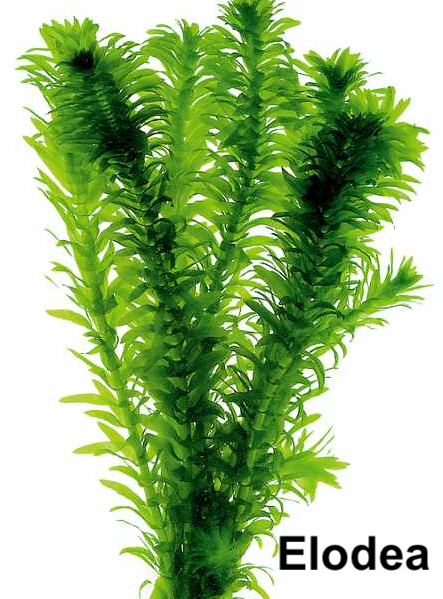 In Investigation Four students extend their exploration of cells and observe cells from two plant specimens: an Elodea leaf and an onion. Through their experiments, students will find that although plant cells are different from animal cells in some aspects, they also share many similarities with animal cells, including their classification as eukaryotic cells.
One of the differences between plant and animal cells is the existence of a cell wall in plant cells. The cell wall is a structure composed of proteins and polysaccharides, which are long chains of sugar molecules. One of the polysaccharides that form an important component of the cell wall is cellulose. In addition, the cell wall is thicker than the cell membrane. As such, the cell wall functions to help a plant cell maintain its shape, prevent excess uptake of water, and protect the cell.
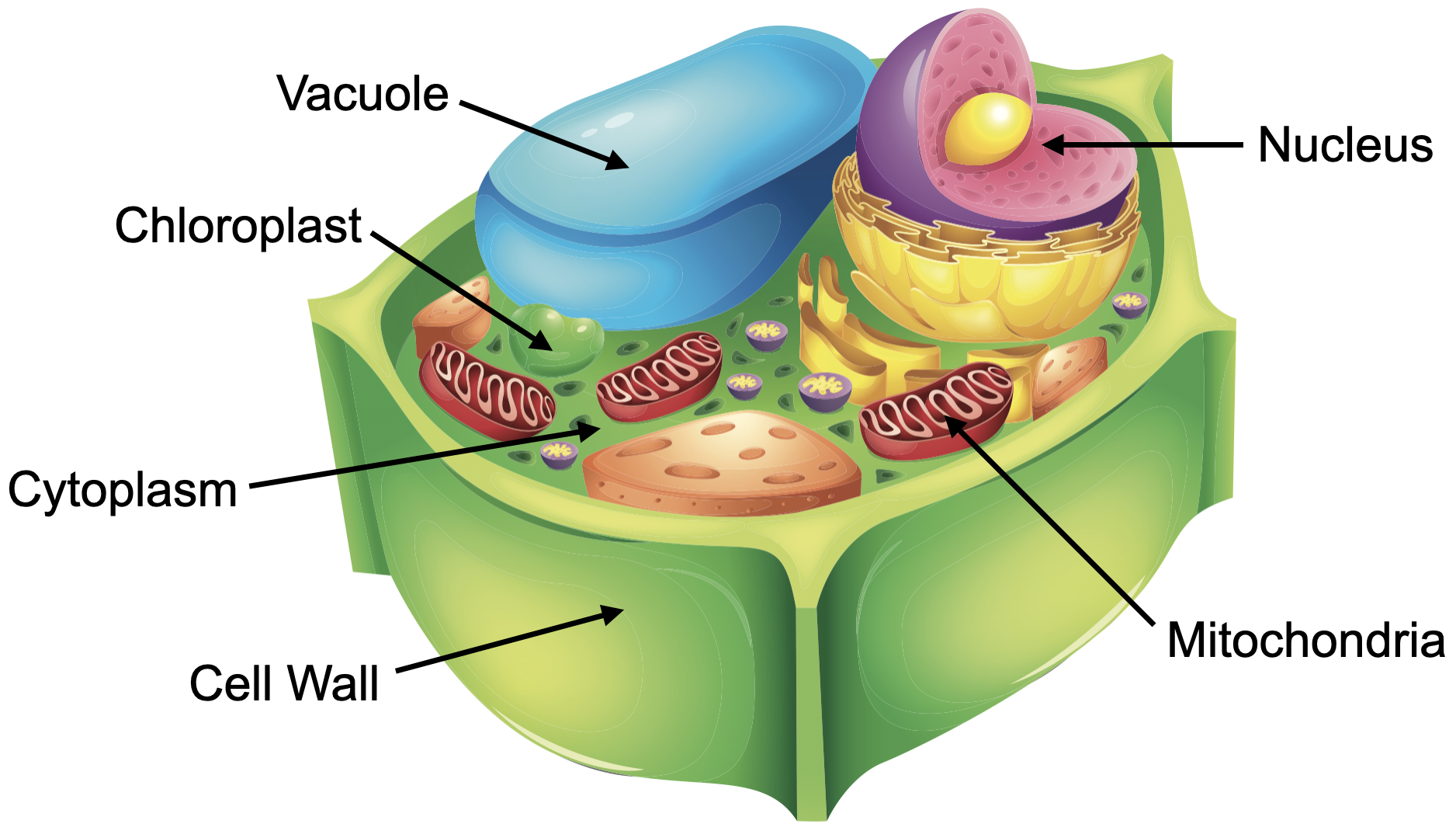
In addition to cell walls, plants cells may also contain chloroplasts, organelles not found in animal cells. Chloroplasts, which are involved in photosynthesis, are membrane-enclosed sacs found within the cytoplasm. Within chloroplasts are a series of smaller membrane-enclosed structures that contain pigments, including chlorophyll. Chlorophyll molecules are the greenish pigments that give leaves and stems their green color.
Photosynthesis
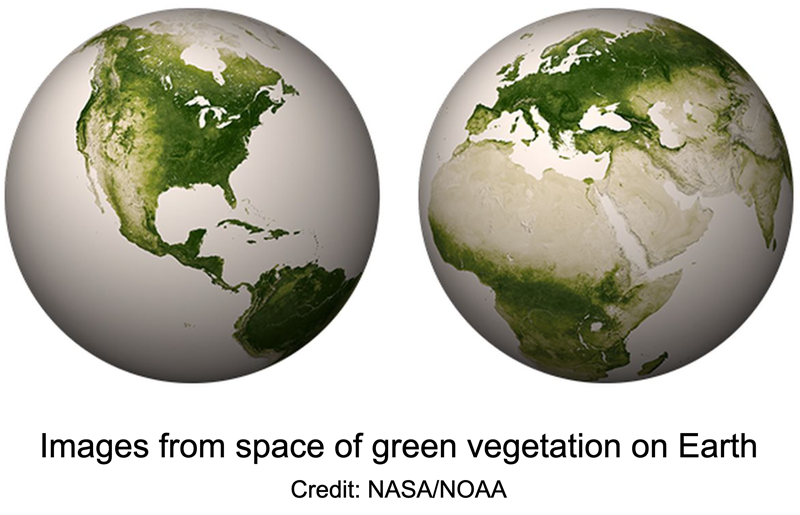
The most common types of chlorophylls are chlorophyll a and b, and it is these that play the primary role in photosynthesis. Photosynthesis is a process that is carried out not only in plants but also in some bacteria and algae. It involves the conversion of light energy to chemical energy. In the process, chlorophyll absorbs light. The energy obtained from the light is then used to drive a chemical reaction by which carbon dioxide and water are converted into oxygen and the sugar glucose. You will see the illustration below again in the LabLearner middle school CELL Photosynthesis. The ball and sticks are molecular models of the main parts of the photosynthesis reaction (carbon dioxide, water, oxygen, and glucose sugar). The energy coming from the Sun comes in the form of tiny particles called photons. You will learn more about molecular models and photons later. For now just think about how Sun energy uses green plants to produce oxygen and glucose sugar from water and carbon dioxide.
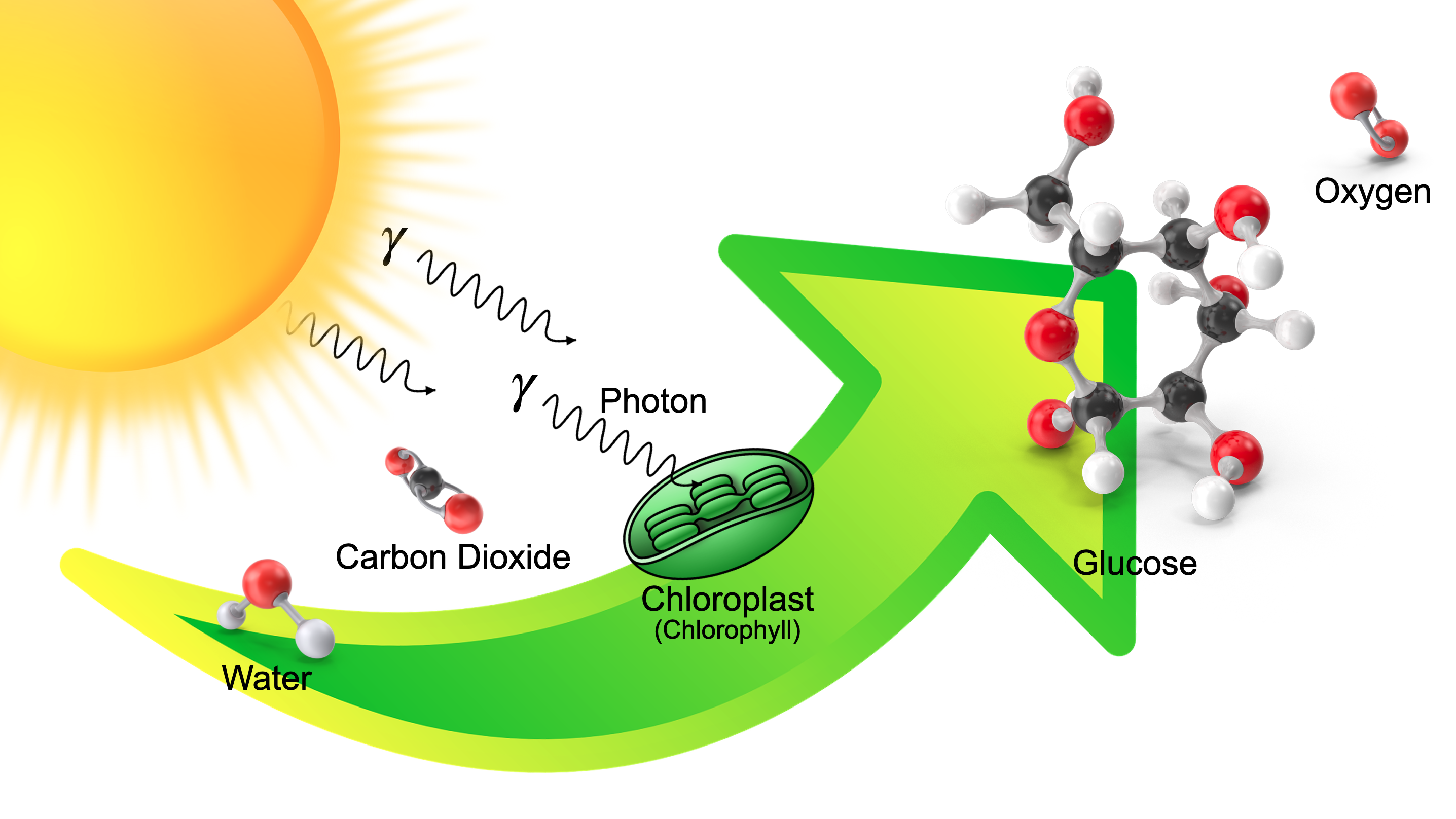
It is the energy in the bonds of the sugar molecules that then serves as a source of chemical energy that the plant can use to fuel its functions. Herbivores (plant-eating animals) take in energy from plants when they eat them. Carnivores (animals that eat other animals) that eat the herbivores get their energy from them. Thus, through photosynthesis, nearly all forms of life get their energy either directly or indirectly from the Sun through the 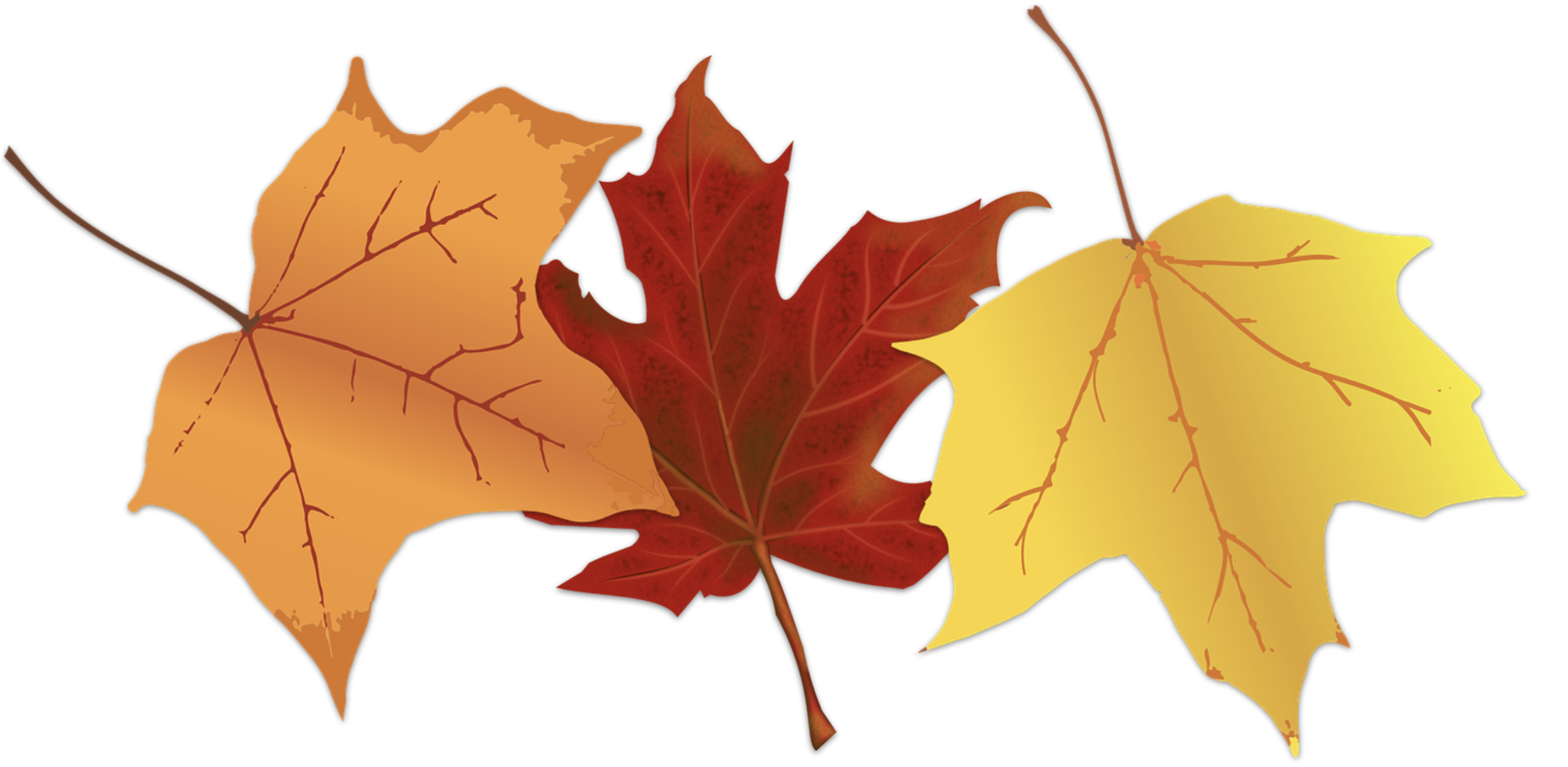 photosynthesis chemical reaction that takes place in the chloroplasts of plant cells. That is why photosynthesis is considered one of the most important chemical reactions on Earth – all life depends on it.
Photosynthesis does not occur year-round in many plants. Rather, in areas of the world that experience four seasons, the rate of photosynthesis decreases with the approach of Autumn and the advent of longer nights and cooler temperatures. This change brings about a colorful event in the changing of the color of leaves. Leaves change color in the fall when chlorophyll in plant cells breaks down disclosing pigments of other colors.
In addition to learning about photosynthesis, in Investigation 4 students will have an opportunity to explore the interdependent relationship between the structure and function of plant cells and their organelles as they study the cells of both an Elodea leaf and onion specimen. The Elodea plant or Elodea Canadenis is commonly referred to as America waterweed or the “aquarium plant.” It is a freshwater plant that lives completely underwater except for small white flowers that bloom at the top of its stem. As students will discover, the cells of Elodea leaves contain chloroplasts (the site of photosynthesis) whereas the cells of an onion bulb do not. The absence or presence of this cellular structure is directly related to the ability of the Elodea leaves to photosynthesize and to the onion bulb’s inability to do so. In addition to this comparison, students will also use their observation of the cells of both plant specimens to draw generalizations about the structure of plant cells and to compare and contrast plant cells to animal cells.
Microscopic Explorations: Investigation 4 - Mathematics Concepts
Prelab
- problem-solving
- variables
- constants
- comparing (non)measurable characteristics
Lab
- comparing (non)measurable characteristics
- multiplication/division
- predicting/verifying size, shape, form
- sequential order
Postlab
- comparing (non)measurable characteristics
- predicting/verifying size, shape, form
- data table
- data analysis
- length in cm
- (in)direct relationships
Microscopic Explorations: Investigation 4 - Procedural Tools

Microscopic Explorations: Investigation 4 - Cognitive Tools

Microscopic Explorations:
Investigation 4 Quiz

