
Teacher Portal:
Investigating Heat
Investigation 5
Investigating Heat: Investigation-5: Matter and Heat
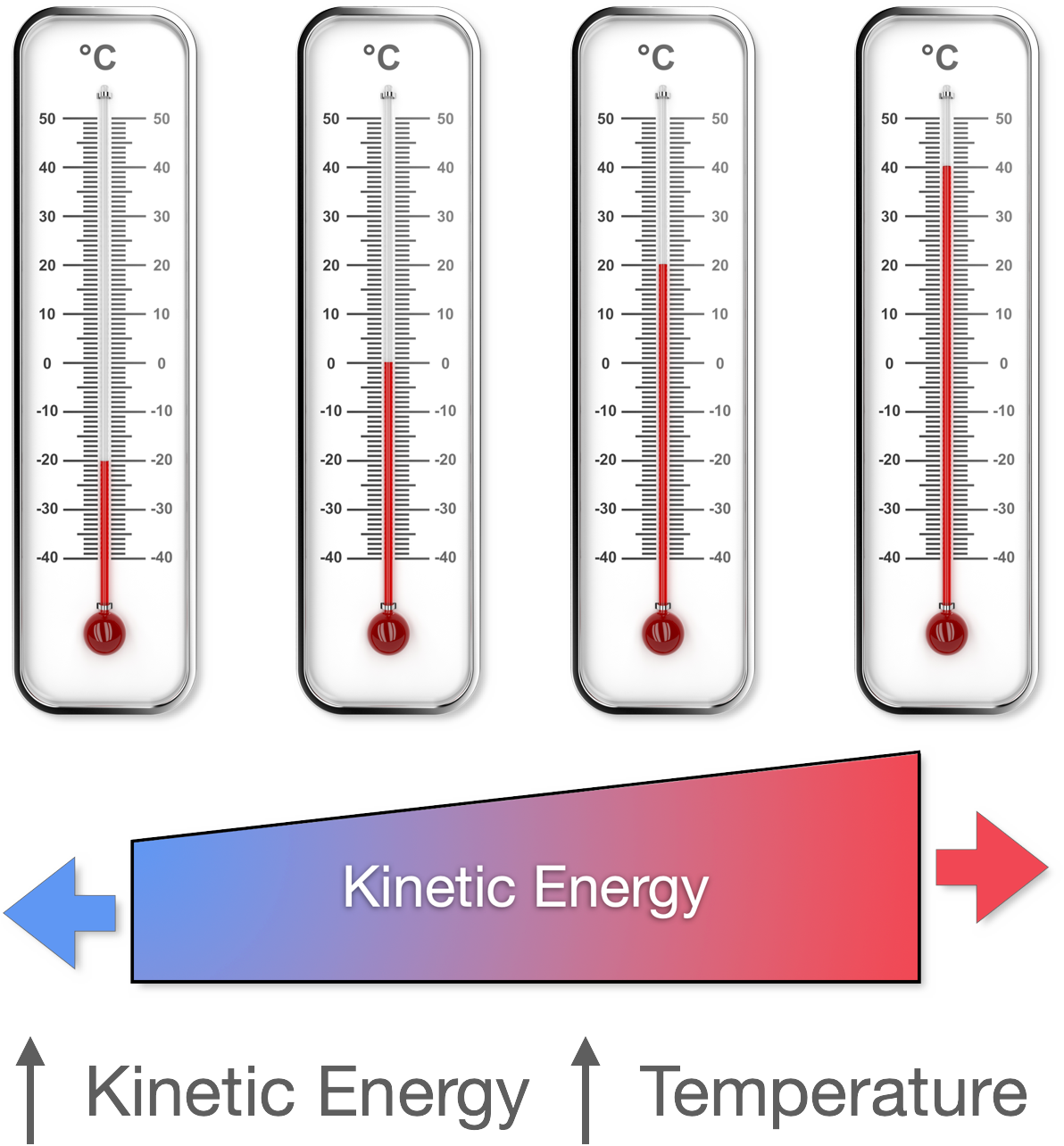 Throughout this CEll, students have explored heat as it relates to kinetic energy and temperature. Students have applied the principles of heat transfer in order to understand how a thermometer works and to explore how heat moves through and between different substances. Students have learned that heat transfer has both direction and speed, and used the average rate of heat transfer to compare the abilities of different substances to conduct heat. Students have also calculated the average rate of heat transfer during endothermic and exothermic reactions and when investigating how the body regulates heat through the use of evaporative cooling. In this Investigation, students will discover that the rate of heat transfer is dependent on many factors, including mass and surface area.
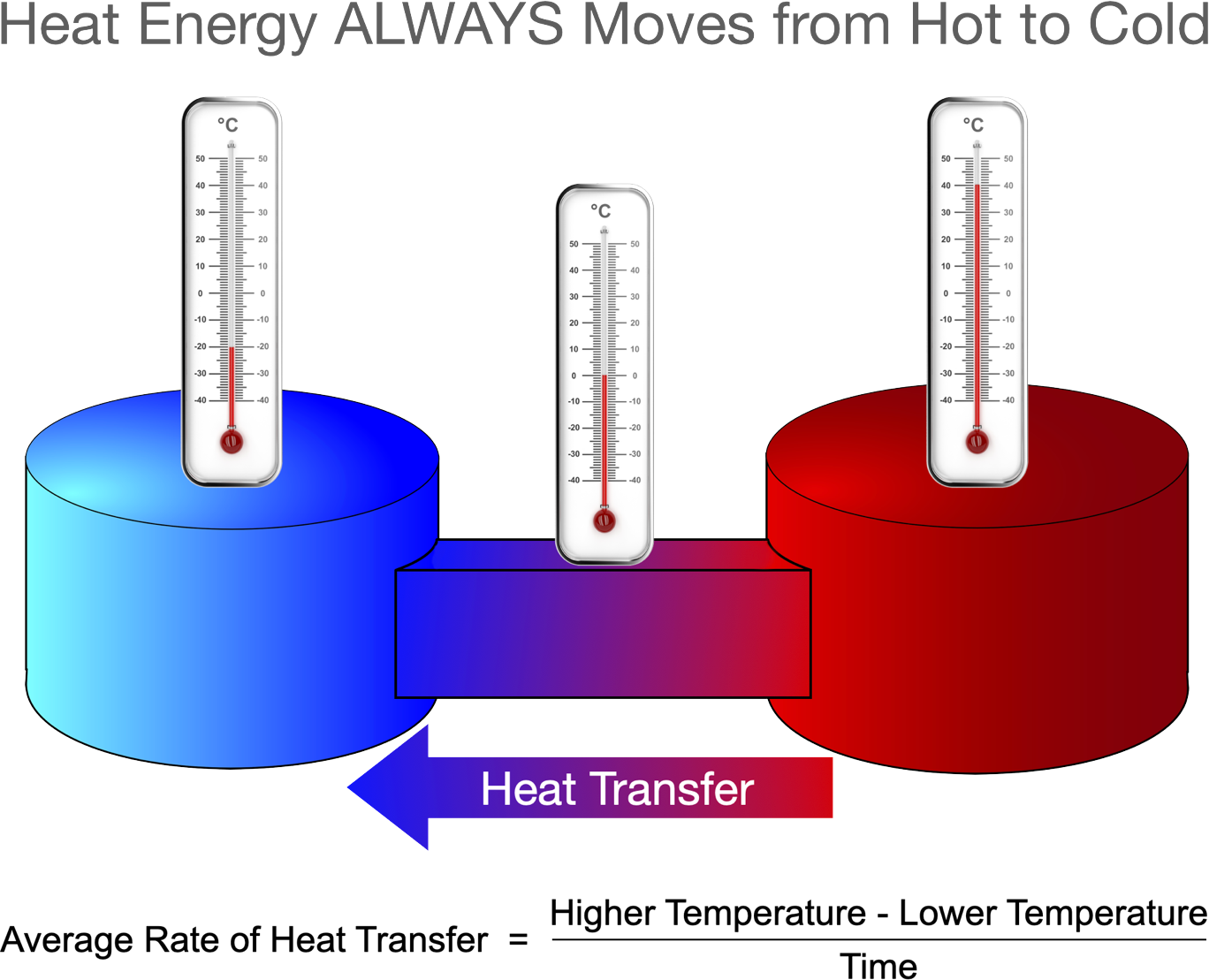
The average rate of heat transfer is affected by many factors: chemical composition of matter, the temperature difference between substances, environmental conditions, heat capacity, and physical state, to name a few. These factors determine not only how a substance transfers heat, but the method that scientists use to calculate its rate of heat transfer. Physicists and chemists take these factors into account and determine the amount of energy transferred to or from a substance under specific conditions. In this Investigation, students will explore the effects of varying mass and surface area on the average rate of heat transfer in water.
The mass of a substance determines the amount of heat it can hold. The greater the mass of a substance, the greater the amount of energy available for heat transfer. For example, 10 g of water has 10 times as much energy as 1 gram of water because it has 10 times the number of molecules. Therefore, it takes longer for heat to move through a large mass of water than it does through a small mass of water. This explains why half a cup of coffee cools off faster than a full cup of coffee. Thus, the greater the mass of a substance, the slower the rate of heat transfer.
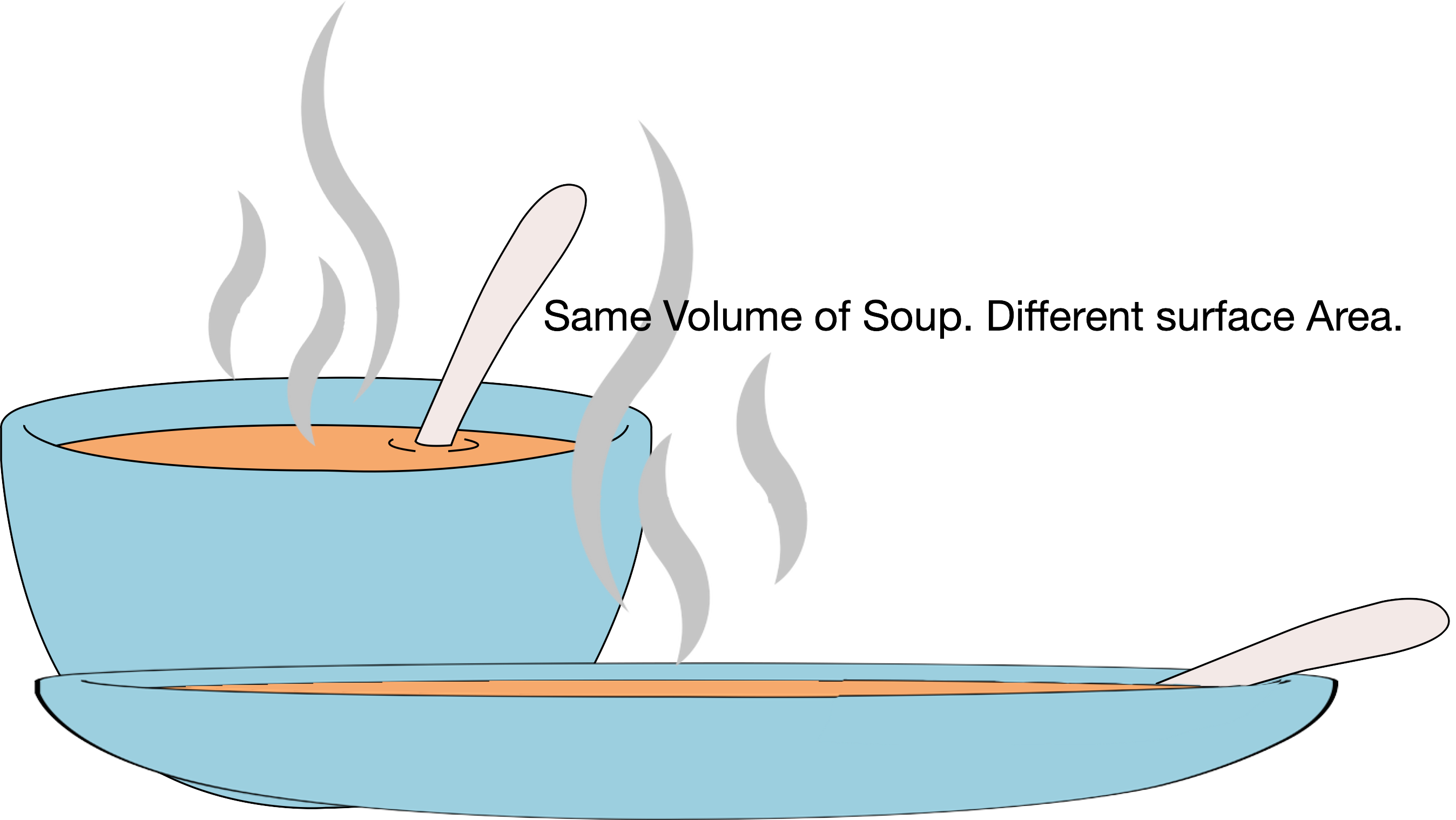
The surface area of a substance determines how many of its molecules are in contact with other surfaces, and as well as determining how much exposure the substance has to sources of radiant heat. The greater the surface area, the greater the rate of heat transfer through conduction, convection, and radiation. Animals frequently take advantage of this principle. On a hot day, a 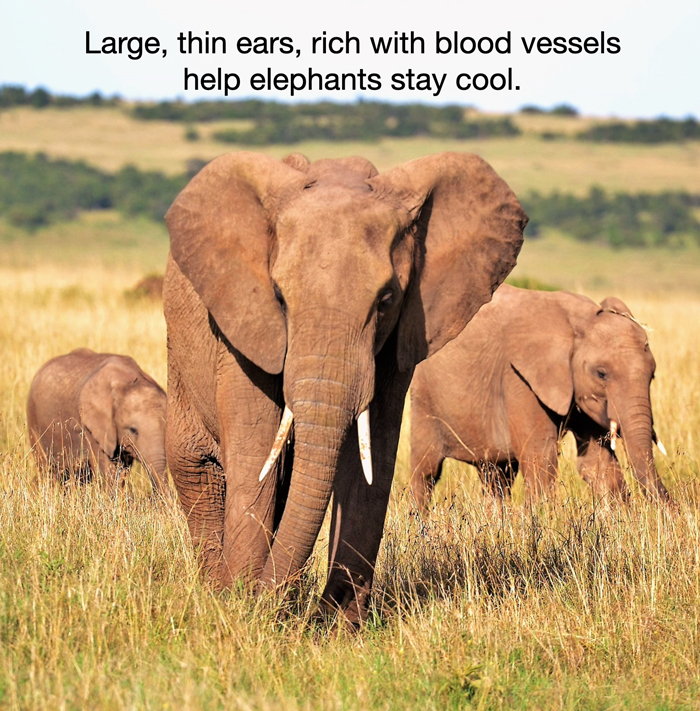 dog may sprawl on his stomach with his hind legs and front legs stretched out so that as much of his belly as possible is in contact with the cool ground. On a cold day, a cat can be seen with all its feet tucked under its body and its chin held close to its chest to limit the amount of body surface exposed to the colder air. In both cases, the animals have altered the amount of surface area they have exposed to colder substances in order to control the amount of heat their bodies lose through conduction and convection. Surface area can even be controlled through genetic variation. The arctic fox has very small ears to limit the amount of heat lost through his ears by radiation and convection. In contrast, the desert fox has large ears designed to increase its body’s ability to cool itself through convection and radiation.
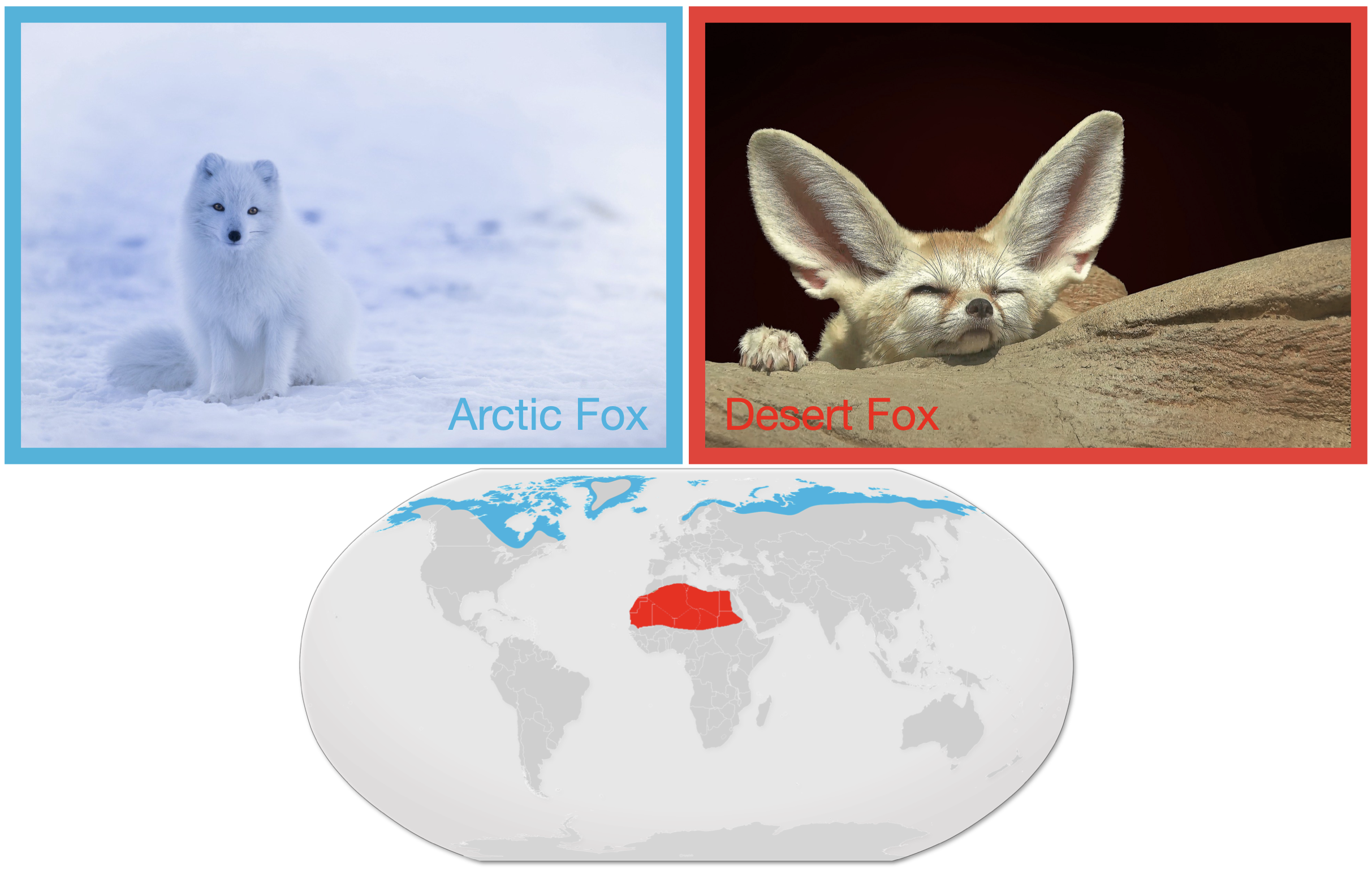
In this Investigation, students will explore how changing the mass of water while controlling the surface exposed to air affects its rate of heat transfer. Students will then explore how altering the surface area of a given quantity of water affects its rate of heat transfer. Students will discover that changing mass and changing surface area have different effects on the average rate of heat transfer of a liquid.
Investigating Heat: Investigation 5 - Mathematics Concepts
Prelab
- grouping/classifying
- mass in grams
- surface area
Lab
- volume in mL
- mass in grams
- temperature in Celsius
- time in minutes
- data table
- surface area
- calculating rate of heat transfer
- subtraction
- division
Postlab
- (in)direct relationships
- patterns/trends
- comparing (non)measurable characteristics
- data analysis
- line graph
- skip counting by 2 and 5
- time in minutes
- temperature in Celsius
- calculating rate of heat transfer
- subtraction
- division
Investigating Heat: Investigation 5 - Procedural Tools

Investigating Heat: Investigation 5 - Cognitive Tools

Investigating Heat:
Investigation 5 Quiz

