
Teacher Portal:
Examining Nutrition
Investigation 5
Investigation Five: Exploring Proteins
In Investigation One, students learned that food enters the body through the digestive system, where it is broken down into nutrients that are absorbed into the blood. Investigation Two illustrated to 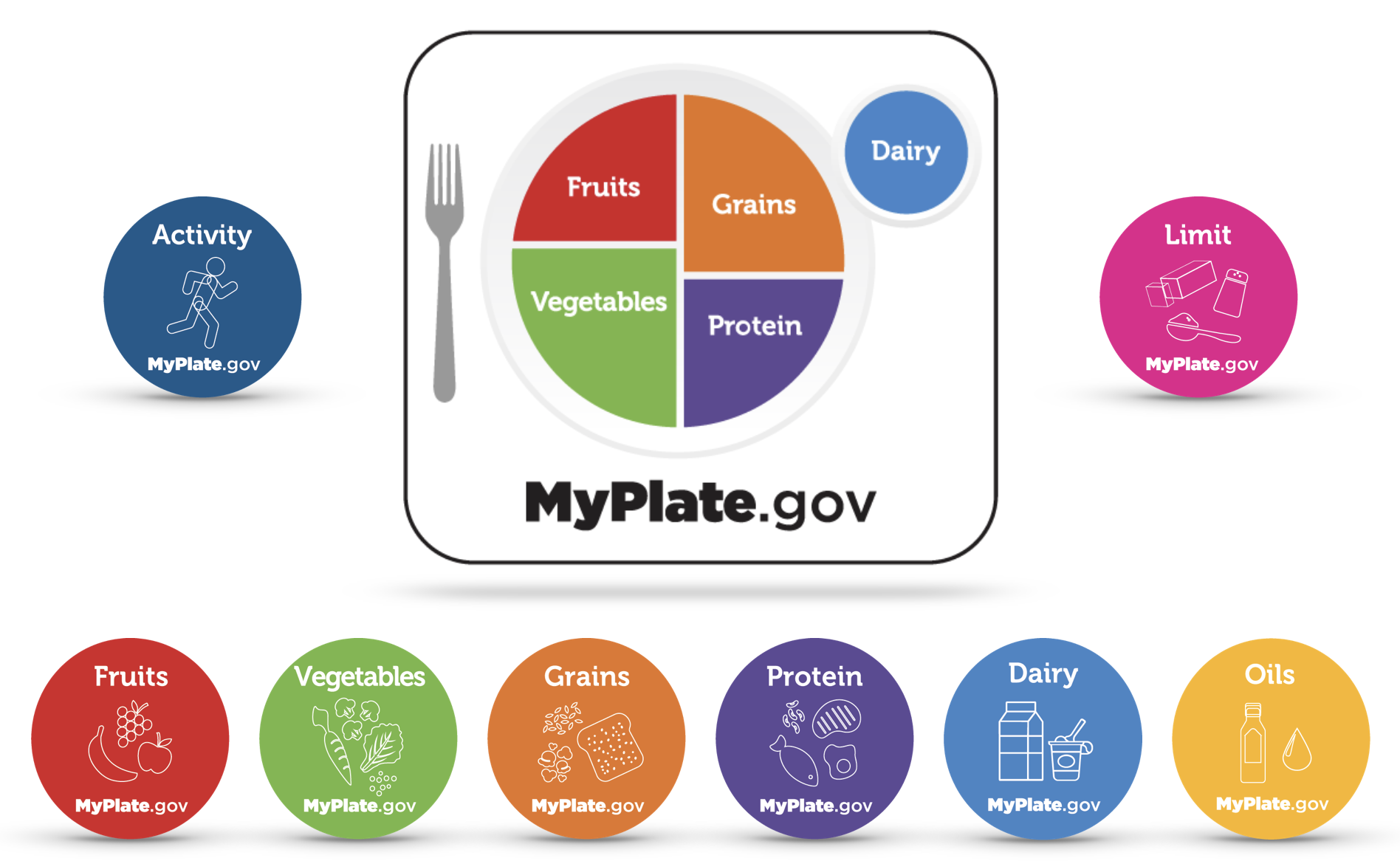 students that a healthy diet contains adequate amounts of all six nutrients that include fruits, vegetables, grains, protein, dairy, and oils. Students learned that the MyPlate graphic is designed to help people know the recommended daily amounts they need from each of the different food groups to meet their daily nutritional needs. Students also learned that they can evaluate packaged foods by studying the nutrition labels on the packages. Investigation Three introduced students to carbohydrates and provided them with the opportunity to use the triple beam balance to discover the amount of total carbohydrates and sugar in different foods. Students continued their exploration of specific nutrients when they were introduced to lipids and fats in Investigation Four. They used shortening to represent the fats contained in different foods and discussed the importance of limiting their fat intake. Investigation Five continues students’ discovery of nutrients by introducing them to proteins.
Protein, like carbohydrates and lipids, is a major class of nutrients. Proteins are distinguished from carbohydrates and lipids by the inclusion of nitrogen in their structure as well as the carbon, hydrogen, and oxygen that is also present in carbohydrates and lipids. Proteins are made of long chains of chemicals called amino acids.
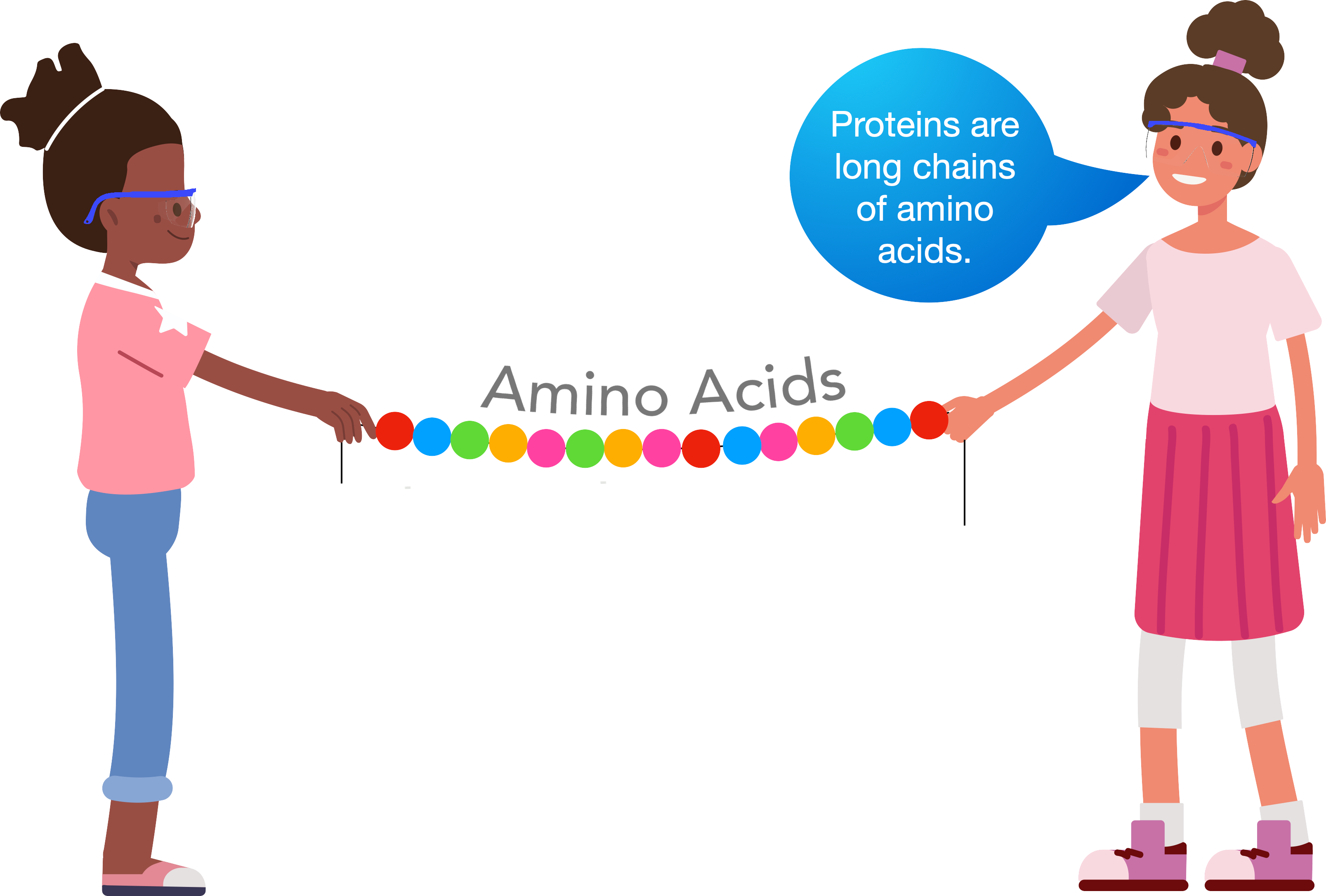
There are 23 amino acids in the human body required to make proteins. Nine of these amino acids are called essential amino acids because they must be obtained through the diet—the body is 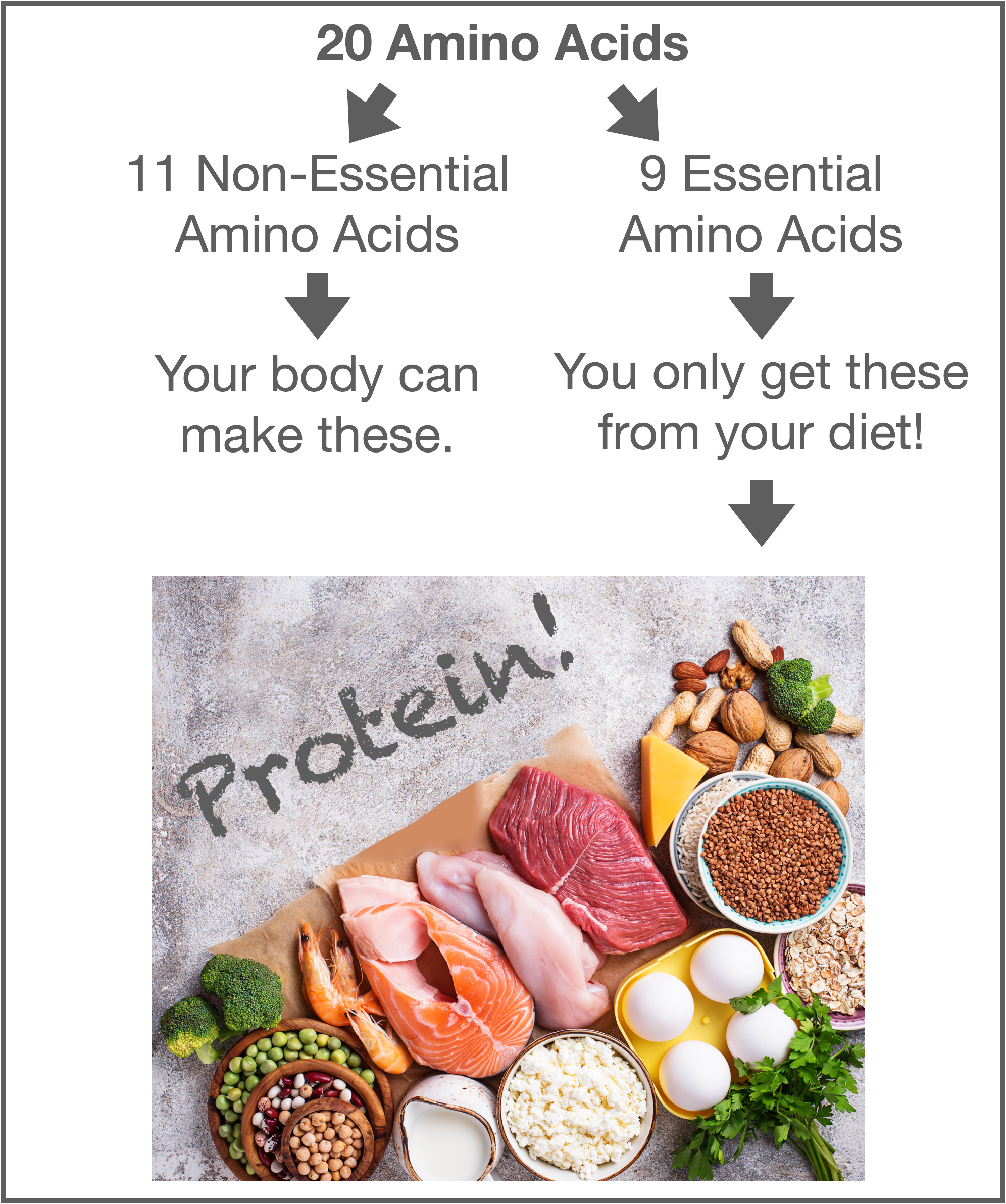 incapable of making them. The remainder of amino acids in the body can be made from fragments of carbohydrates or lipids. Protein synthesis in the body continues as long as there are adequate amounts of essential amino acids and stops when an essential amino acid runs out.
Proteins serve many different roles in the body. Proteins in the cell membranes are responsible for binding hormones and controlling the flow of other nutrients into and out of the cells. Proteins in the blood carry oxygen and waste products. Other proteins serve as enzymes, which play a role in many different metabolic reactions in the body as well as break food down into nutrients for absorption from the digestive system. Many of the body’s hormones are proteins. Amino acids are used to make chemicals important in brain and nervous system function. The skeleton is made of a protein grid, or matrix, in which calcium and phosphorus are deposited. Other proteins give skin its structure, elasticity, and color. Hair and nails are also constructed of protein. The most abundant protein in the 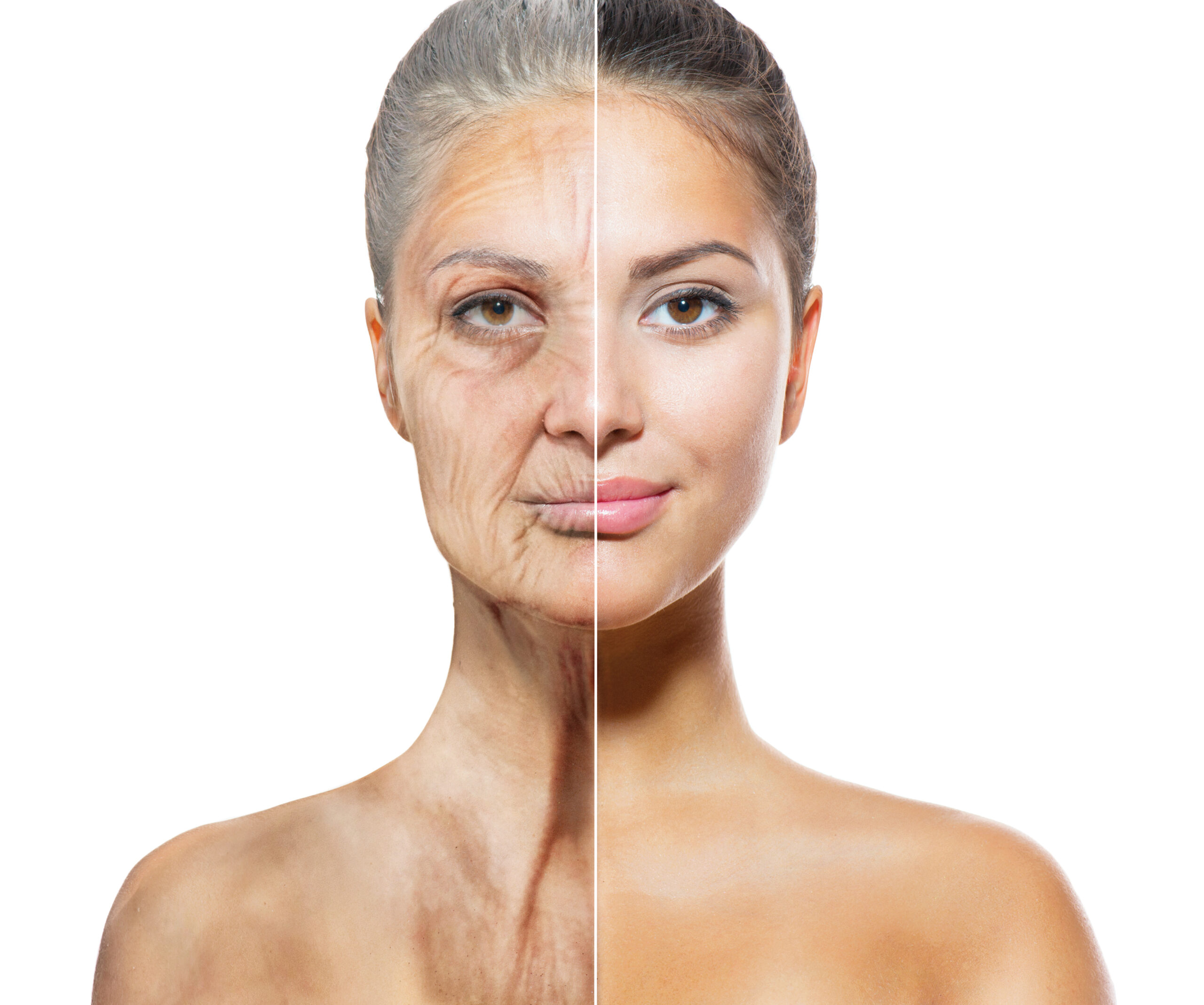 entire body is collagen. Among its many functions in the body, collagen helps maintain the structure and function of the skin. With advancing age, skin collagen is lost and skin begins to sag, and wrinkles form.
The protein (meat and beans) group is a major source of protein for the human diet. These foods provide a highly balanced source of proteins, meaning that they contain significant amounts of all the essential amino acids. Milk and cheese are also good sources of protein. Animal proteins contain a better balance of amino acids than plant sources and have more protein per pound than plant sources. Beans are an exception to this rule, as they are legumes. Legumes are plants that absorb nitrogen in their roots and, therefore, are able to put greater amounts of protein into their seeds.
It is possible to eat too much protein. High-protein diets substitute protein for carbohydrates as an energy source. Besides being an expensive source of energy, meats are high in fats and cholesterol. Long-term consumption of high-protein diets, especially when inadequate amounts of cholesterol-lowering carbohydrates are consumed, may lead to high levels of cholesterol in the blood. Excess protein consumption may also lead to high blood pressure. In addition, high-protein diets can lead to increased secretion of calcium in the urine, which may result in bone-thinning and osteoporosis. Because excess protein may cause health problems, it is wise to balance protein intake with adequate amounts of other foods and nutrients.
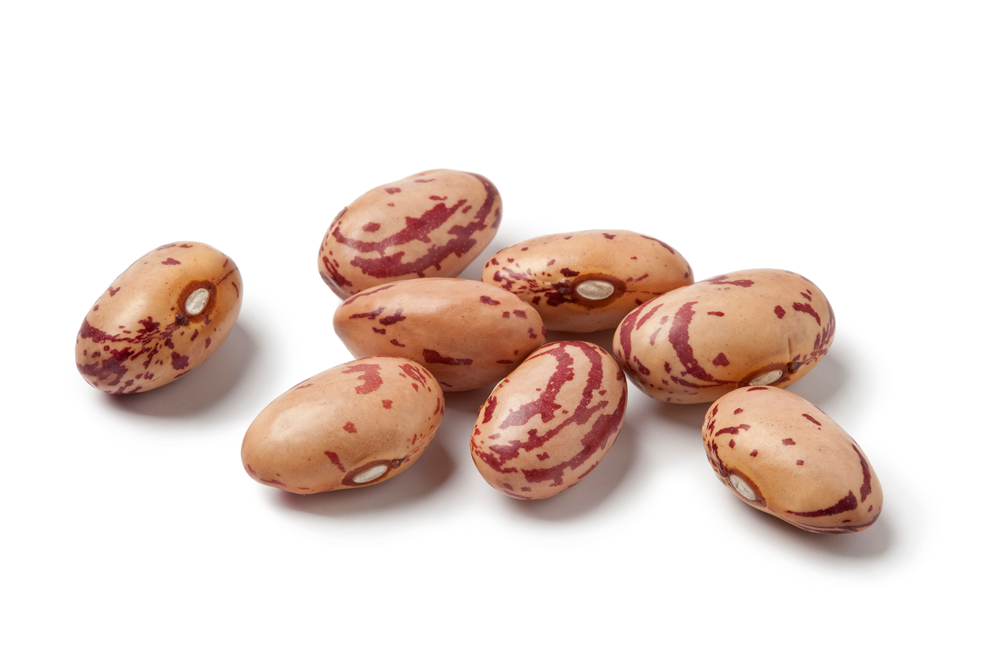 In Investigation Five, students will explore proteins by comparing protein values of various foods. Students will also continue their practice of using a triple beam balance to visualize the amount of a nutrient by measuring out a substance representative of the nutrient under study. In the case of proteins, students will use pinto beans to represent protein, as they are a high-protein food.
Examining Nutrition: Investigation 5 - Mathematics Concepts
Prelab
- counting whole numbers
- grouping/classifying
- problem-solving
- parts/whole
Lab
- data table
- mass/volume in grams, ounces, cups, teaspoons
- percentages
- grouping/classifying
- addition
- place value (tenths, ones, tens, hundreds)
- fractions
- ordinal numbers
Postlab
- greater than/less than/equal to
- comparing (non)measurable characteristics
- mass in grams
- percentages
- grouping/classifying
- comparing size, shape, form
- volume in ounces, cups, teaspoons
- bar graph
- skip counting by 2’s
- least to greatest
- addition
Examining Nutrition: Investigation 5 - Procedural Tools

Examining Nutrition: Investigation 5 - Cognitive Tools

Examining Nutrition:
Investigation 5 Quiz

