
Teacher Portal:
Light and Optics
Investigation 3
Investigation Three: Observing Reflection
In Investigation One, students were introduced to the absorption, transmission, and reflection of light. In Investigation Two, students investigated how surfaces reflect light by introducing them to the Law of Reflection.
As an extension of Investigation Two, the reflection of light will be further explored in Investigation Three. All objects can be illuminated by light which, as students observed in Investigation Two, strikes objects with a specific angle of incidence. All objects can be observed because all objects reflect light. Those objects with flat or smooth surfaces reflect light with a specific angle of reflection. Those objects with rough or textured surfaces reflect light with many different angles of reflection that leave the object’s surface in many directions.
Objects are visible to the naked eye simply because reflected light leaves an object’s surface and enter our eye. Once it enters the eye, it is focused by the cornea and lens and then falls on the retina. The retina converts the light image into a nerve impulse or signal which leaves the eye and travels to the brain where it is interpreted (flipped right-side-up) and identified. For example, we see an apple because light reflects off that apple in the form of an image that is detected by our eyes.
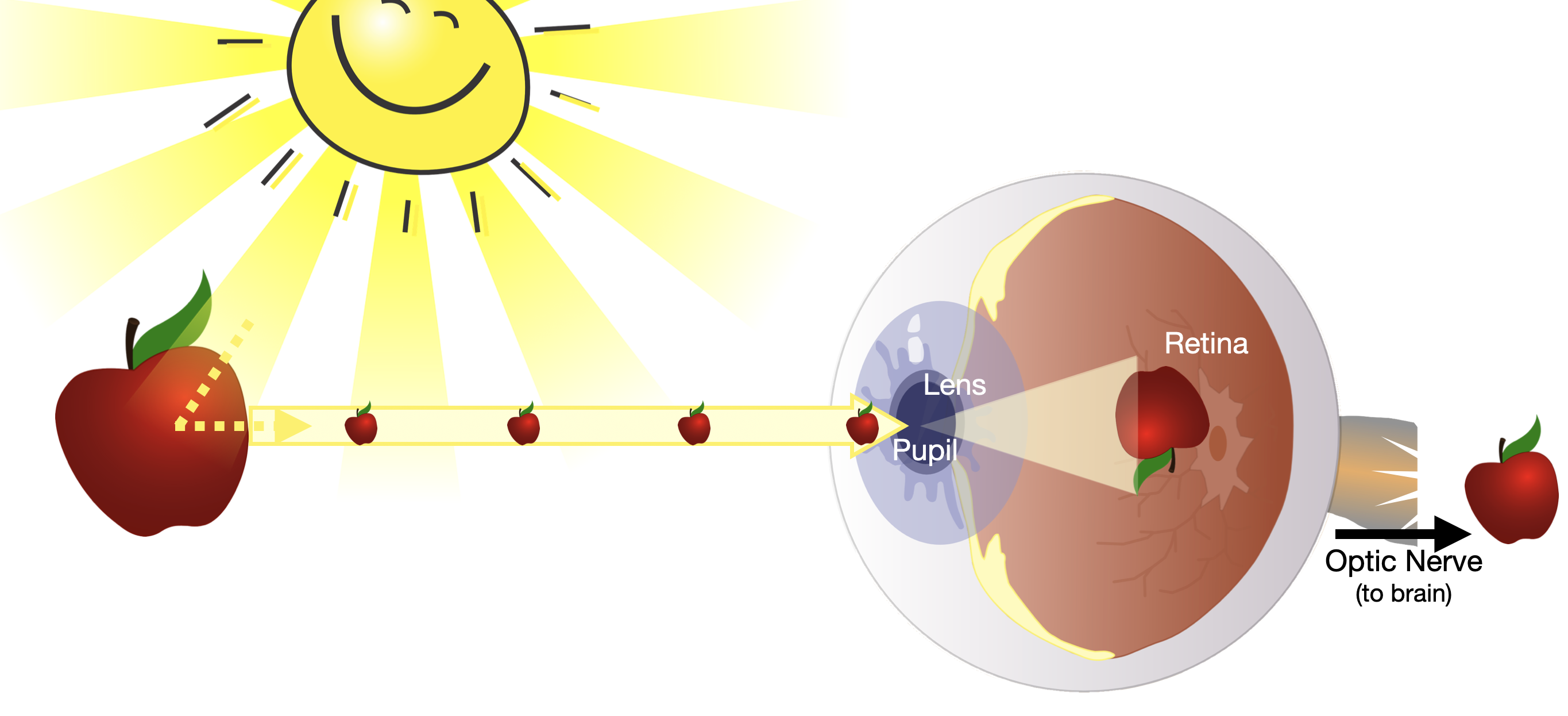
Without reflected light, no objects except those that emit light, that is produce their own light like the Sun, for example would be visible.
Mirrors
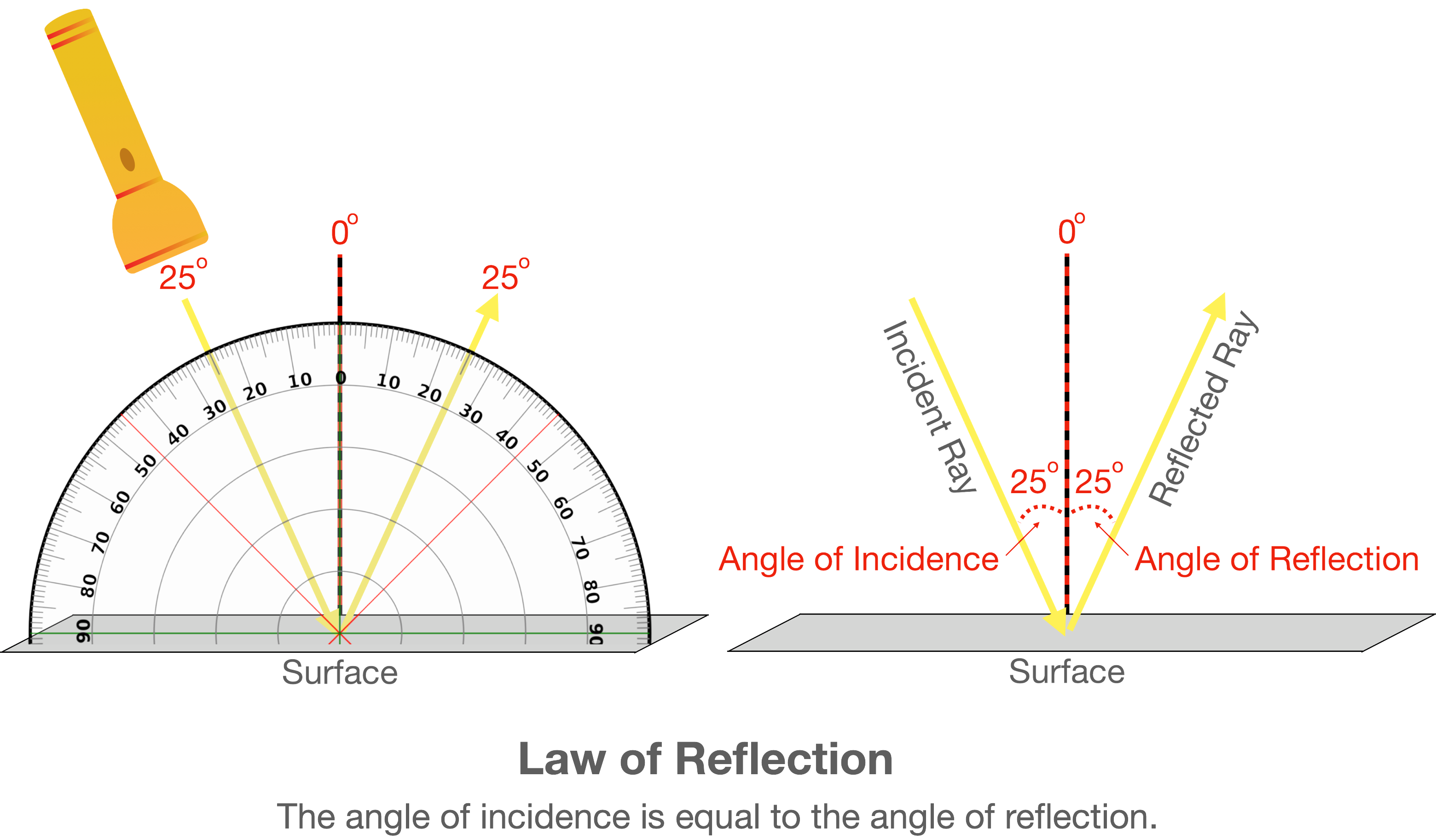
Students used a mirror in Investigation Two and determined the angle of incidence and the angle of reflection. In their experiments, they found that, for a smooth surface like a mirror, the angle at which light strikes the surface (the angle of incidence) is exactly the same as the angle that it bounces off the surface of the mirror (the angle of reflection).
The perfect predictability of the behavior of light on the mirror surface makes mirrors extremely useful for many applications and purposes. Mirrors are found on cars and motorcycles where they permit the driver to see things around them that would otherwise be invisible to them. This extreme safety feature would be impossible if the reflection of light from the surface of mirrors was not so predictable.
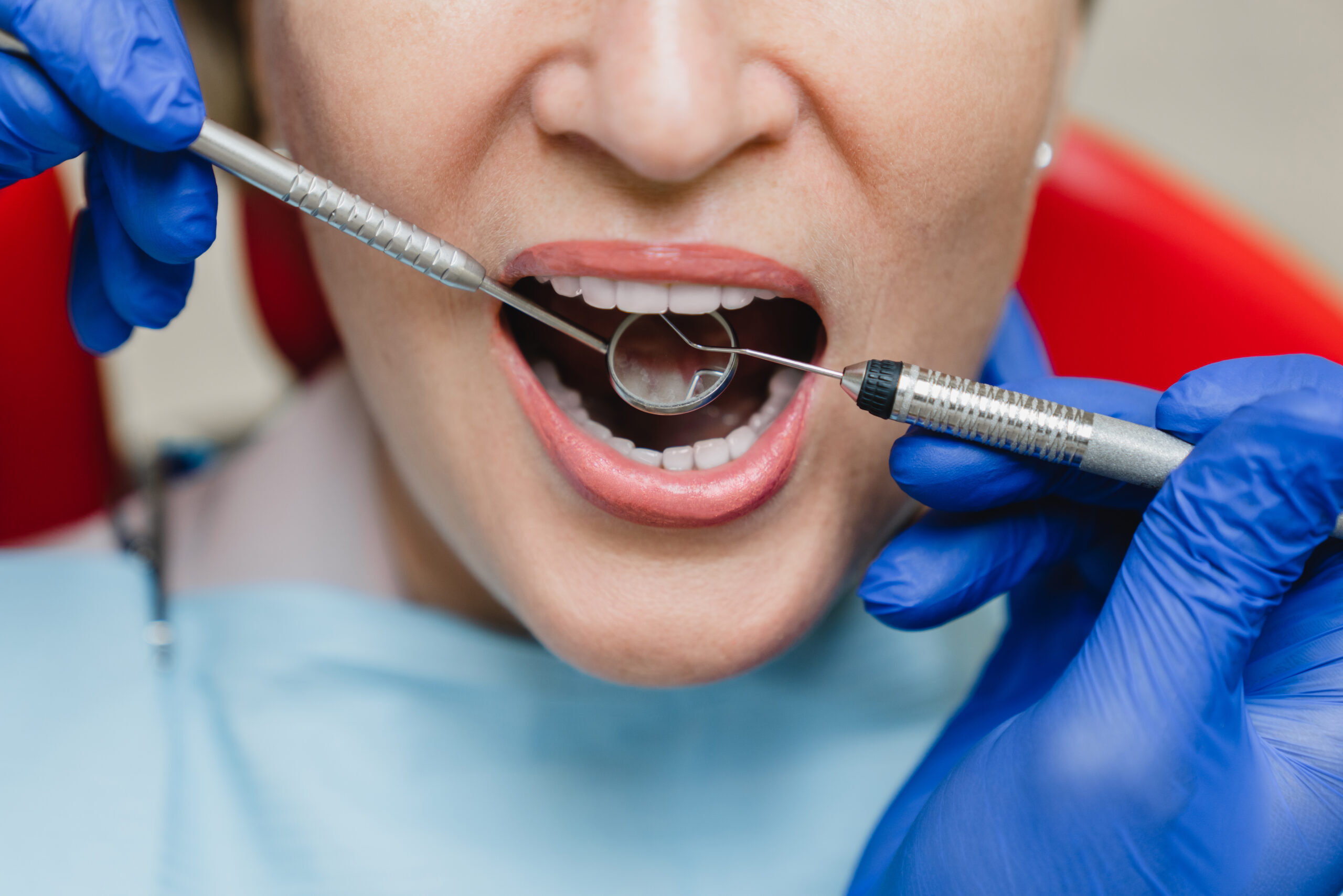 When we look in the bathroom mirror, we see what our hair and face look like exactly because each ray of light from our hair and face bounces off the mirror exactly in keeping with the Law of Reflection. As in the case of rear-view and side-view mirrors in cars, mirrors are often used to see things that are otherwise hidden out of sight. A dentist, for example, cannot go inside a patient’s mouth to see the backside of their teeth. However, a small mirror permits the dentist to see every surface inside the mouth.
Sometimes more than one mirror is required to perform certain functions. Microscopes contain mirrors inside that reflect incoming light from the objective lens to the eyepiece lens, for example. Another, more obvious use of two mirrors, is their use to see the back of one’s own head as in a barbershop or salon.
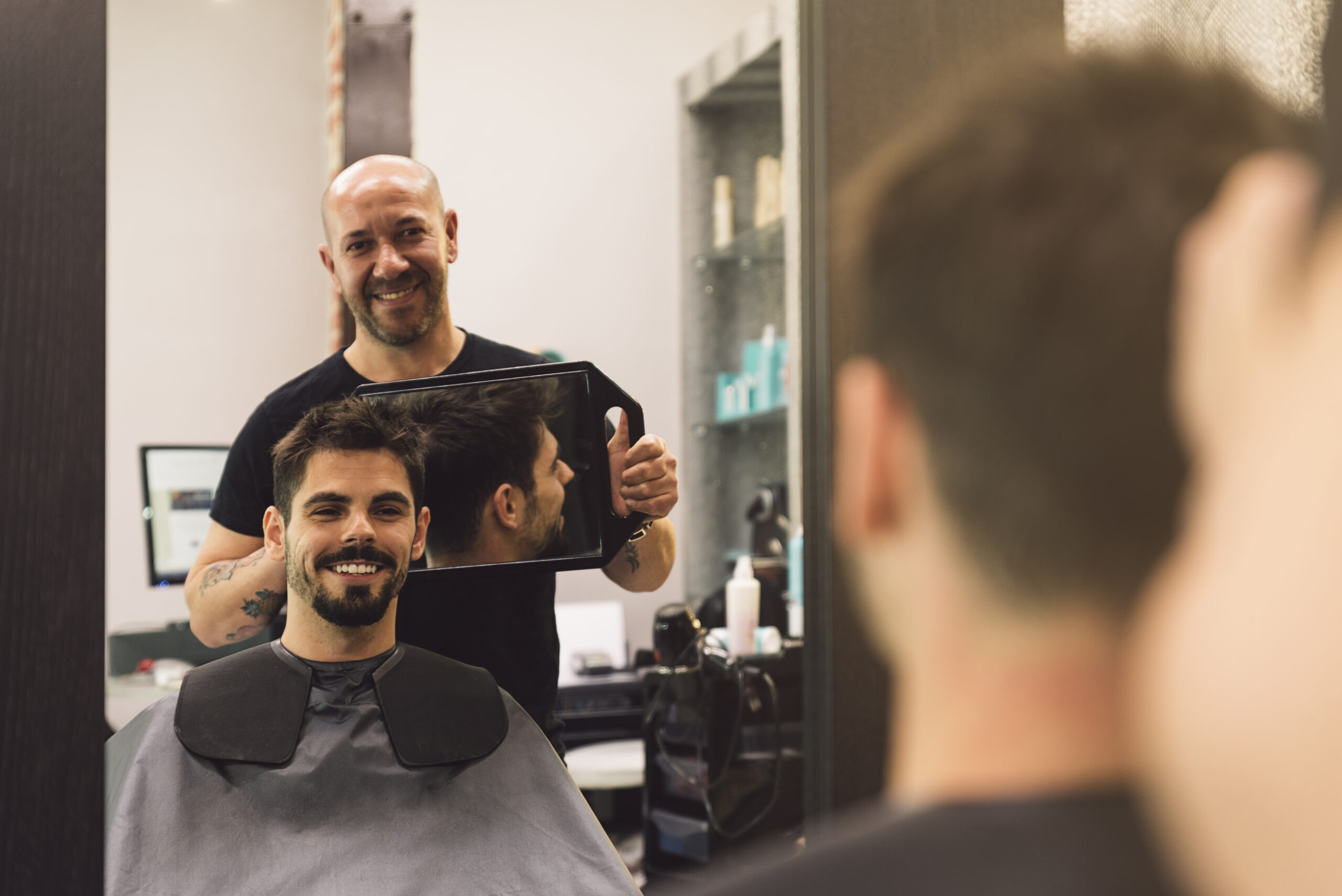 Now imagine using even more than two mirrors, three or four mirrors, for example. Imagine how light beams are reflected from one mirror to the next and then to yet another mirror. This is exactly what students will do in Investigation Three lab! Students will apply the Law of Reflection in Investigation Three in order to see the image of an object that is hidden from direct view. Students will position several mirrors to indirectly view the reflected image of the object. Students will have to apply the Law of Reflection and predict how to position the mirrors. Students will need to anticipate the multiple angles of incidence and refraction and position the mirrors so the image of the object can be viewed.
Light and Optic: Investigation 3 - Mathematics Concepts
Prelab
- angles
- geometry
- direction
- greater than/less than/equal to
Lab
- angles using protractor
- angles in degrees
Postlab
- angles in degrees
- angles using protractor
- fractions
Light and Optics: Investigation 3 - Procedural Tools

The design of this Investigation does not include a focus on student work with tools from the Procedural Toolbox.
Light and Optics: Investigation 3 - Cognitive Tools

Light and Optics:
Investigation 3 Quiz

