Teacher Portal:
Examining Exercise
Investigation 3
Investigation Three:
Our Muscles and Bones
In Investigations One and Two, students were introduced to the cardiovascular and respiratory systems and their roles in relation to one another and in physical fitness. Investigation Three introduces students to the role of the musculoskeletal system in physical fitness and its dependence upon the cardiovascular and respiratory systems.
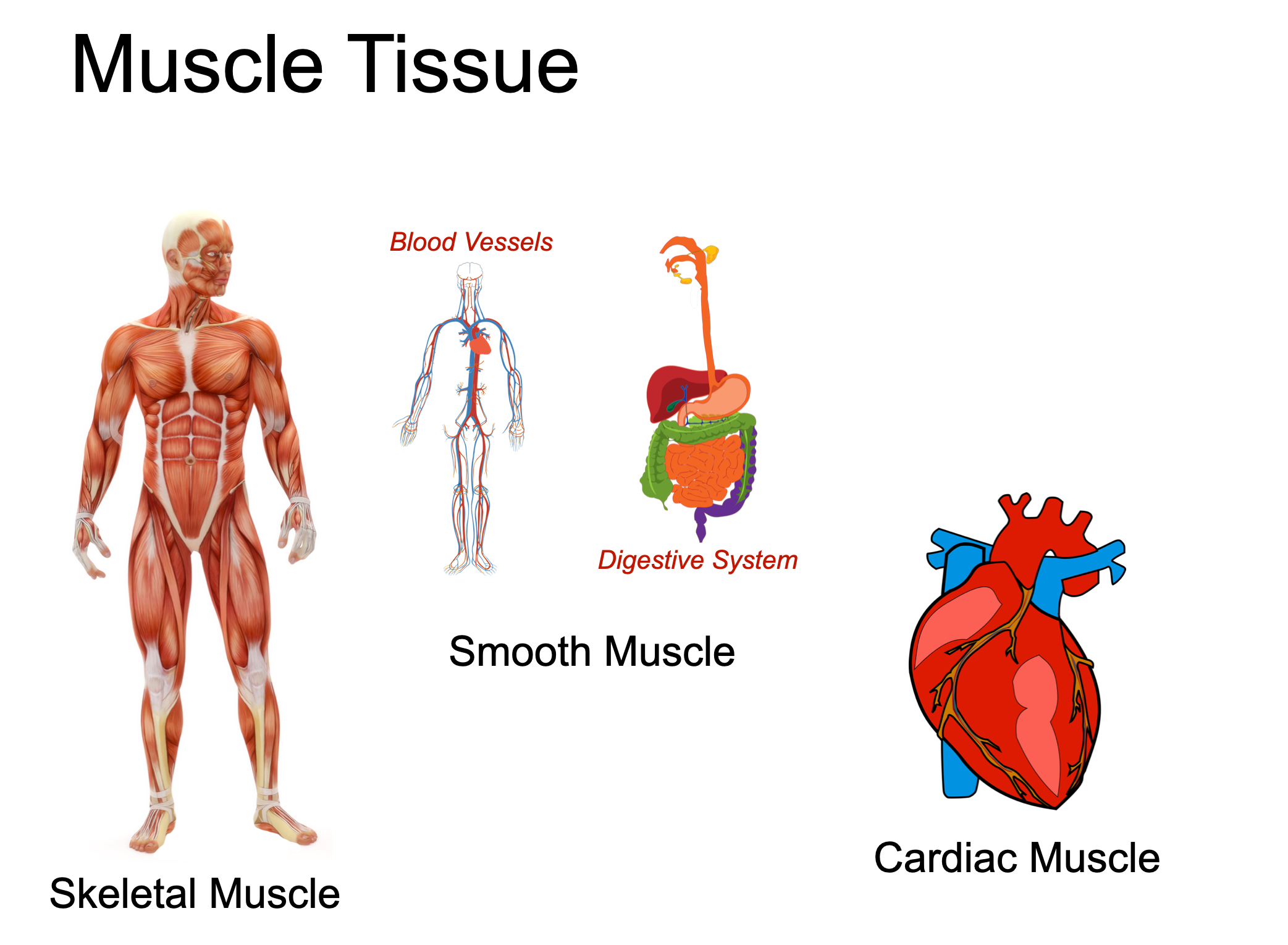
There are three types of muscle in the body: smooth, cardiac, and skeletal. Smooth muscle is found in tissues and organs, and is an involuntary muscle; it contracts and relaxes without conscious thought. Examples of tissues containing smooth muscle are the intestines and the arteries.
_________________________________________________________________
Cardiac muscle is a special involuntary muscle found only in the heart. It contracts and relaxes rhythmically in response to the needs of the body for blood. Below is a video of isolated heart cells (cardiomyocytes) grown in a laboratory dish. Notice that they not only rhythmically contract, but that cells that are in contact with each other contract in unison (at the same time) giving the entire dish of heart cells the appearance of a “beating” heart. These cells are responsible for your heart beating approximately 70 times per minute. That is about 100,000 beats per day for an entire lifetime. For example, by the time a student reaches the age of ten years of age, their heart has already beaten over 360,000,000 (360 million) times!

____________________________________________________________________
Skeletal Muscle
Skeletal muscle is voluntary muscle; it can be contracted and relaxed at will. It has a striped appearance under the microscope, leading to its other name of “striated muscle”. Skeletal muscle is connected to bone by a special connective tissue called a tendon and helps support the skeleton while giving it movement.
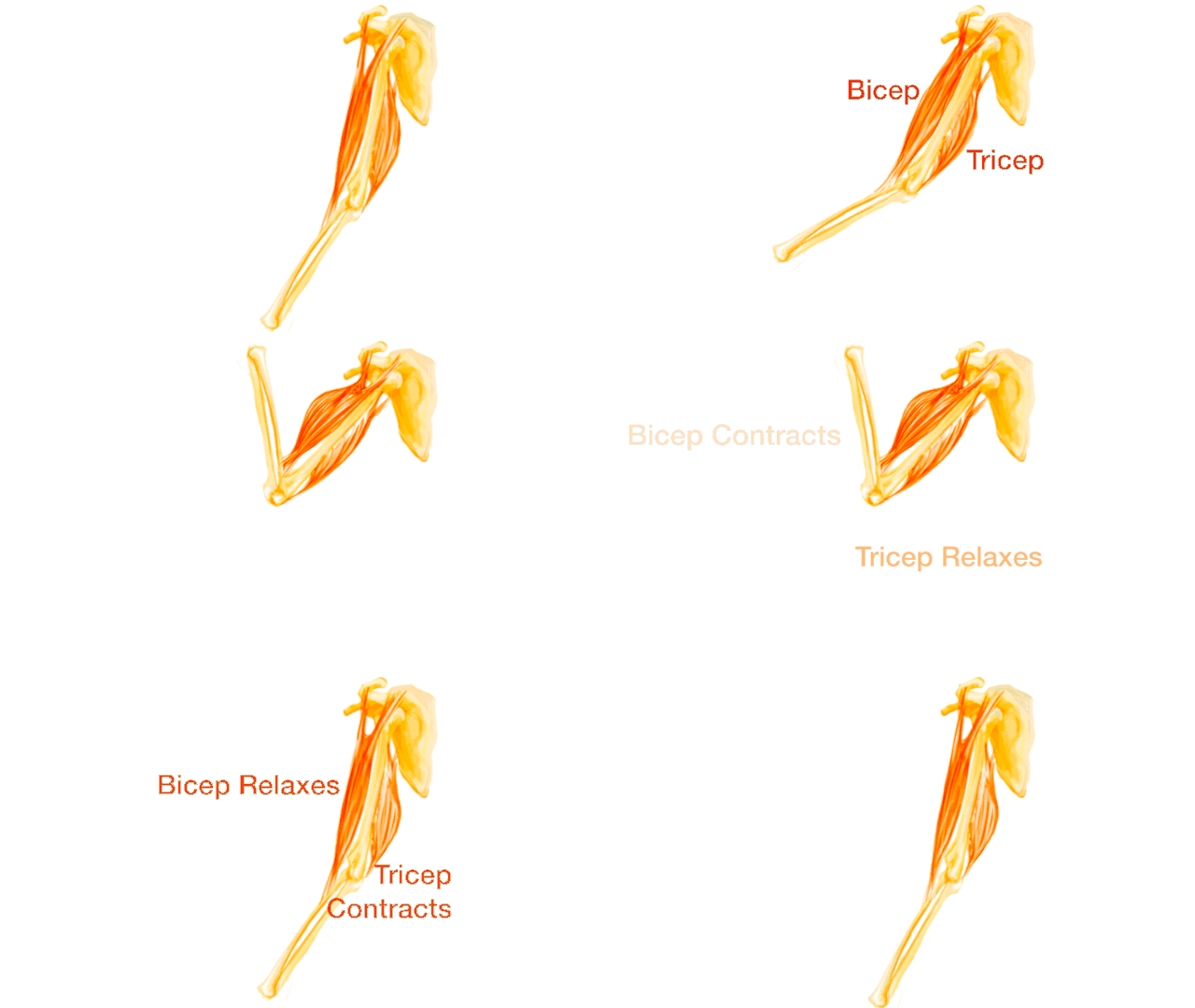
Skeletal muscle is much like a rope in that it cannot push, it can only pull. Therefore, skeletal muscles must work in pairs. One muscle stretches or relaxes while its partner contracts. An example of a muscle pair is the biceps/triceps pairing in the upper arm (below). Contracting the biceps muscle on the front of the arm to bend the elbow stretches the triceps muscle. The triceps muscle then must contract while the biceps relaxes to straighten the arm.
Muscle contraction is caused by nerve signals. The muscle cells communicate with one another, so when a nerve signal tells a muscle cell to contract, it shares this information with the other cells in the muscle, and the cells contract together. We saw above how, even in tissue culture, heart cells contract together.
Muscles require oxygen to burn energy so that they can contract. Muscle cells have a special iron-containing protein called myoglobin that attracts oxygen from hemoglobin, which is the iron-containing protein in the blood responsible for oxygen transport. Muscle also has such a high demand for energy that it can store small amounts of energy in the form of a sugar called glycogen. However, during long periods of exercise, it must get additional energy supplies from the blood. Muscle depends on the cardiovascular and respiratory systems to increase their output during exercise to meet their need for oxygen and energy.
The Skeletal System
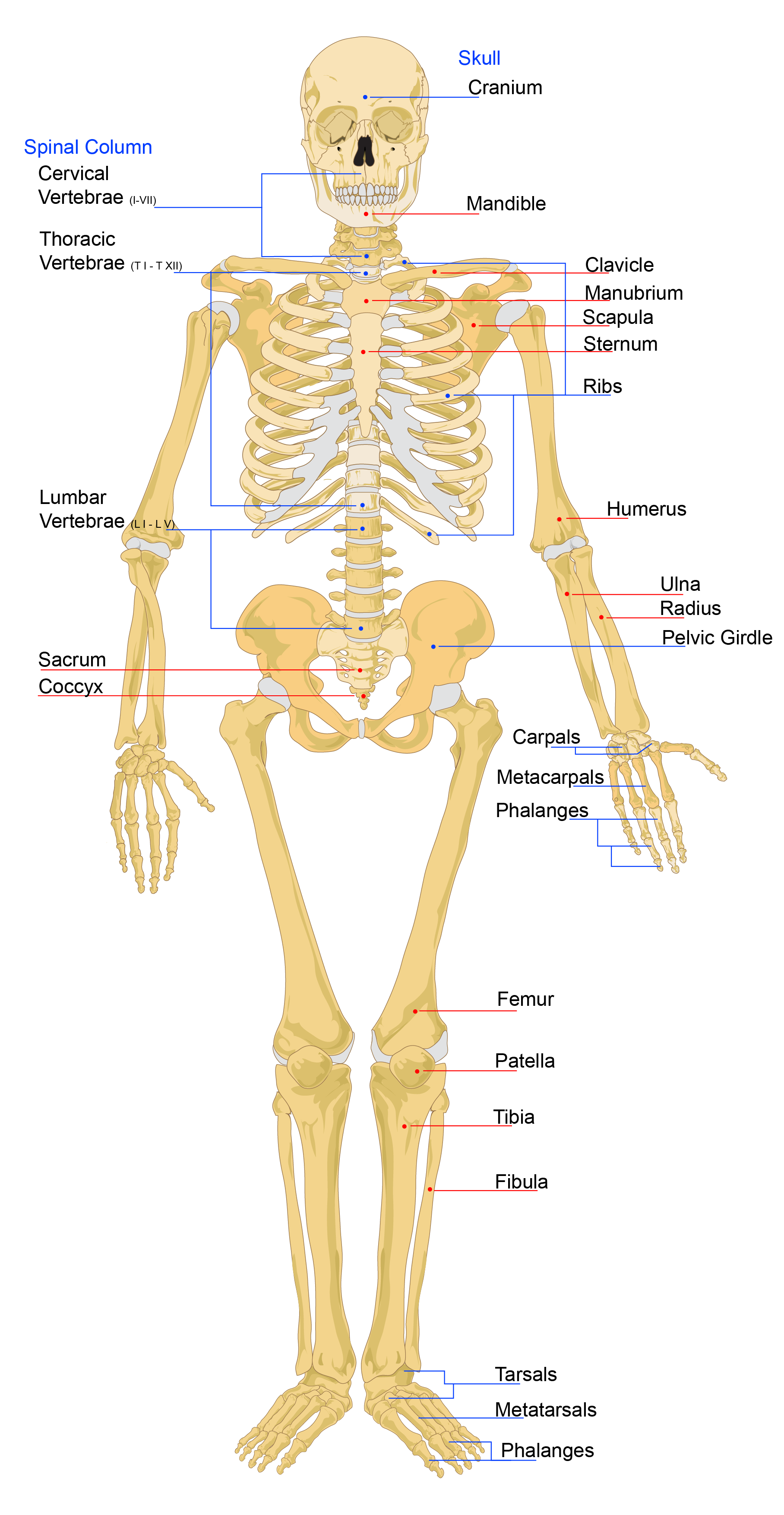 The human skeleton is made up of 206 bones connected by muscles, tendons, and another type of connective tissue called ligaments. Ligaments connect bones to other bones. The ends of bones have pads of cartilage that protect them from friction when joints bend and straighten. The joints also contain synovial fluid, which further lubricates the joints. Look again at the cartoon of the arm being extended and retracted in the video above showing the involvement of the bicep and tricep muscle pair. You can imagine how important joint cartilage and synovial fluid are in preventing bare bones from rubbing directly against each other year after year! Regular exercise helps keep muscles fit, which in turn helps keep the skeleton aligned properly. This helps to prevent joint injuries as a result of damage to cartilage or ligaments.
Along with being the framework for the body, the bones of the skeleton serve as a calcium storage area. Bone is composed of a web-like arrangement of proteins called a matrix in which calcium and phosphorus are deposited to fill in the web of protein. Calcium and phosphorus make bones hard. Protein makes bones tough. This protein matrix breaks down over time and, if not replaced, can make bones weak and brittle. However, the body has a remodeling process that replaces old matrix with new matrix, which helps to maintain bone’s toughness. Special cells in the bone are continually breaking down old matrix, making new matrix, and depositing and removing calcium.
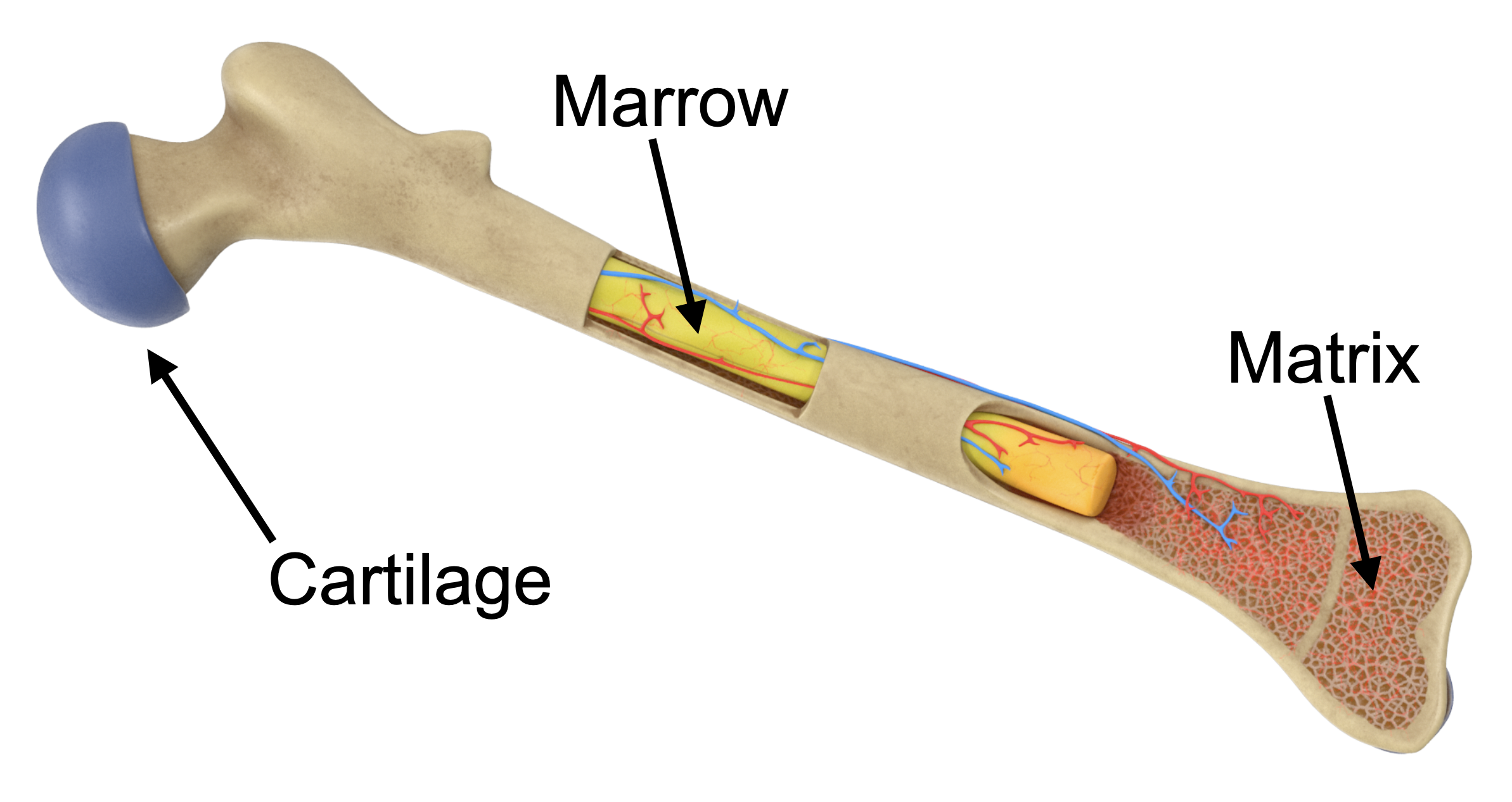
Remodeling of bone also occurs in response to stress on the bone due to mechanical loads caused by exercise or other physical activity, and it occurs rapidly in children due to active growth and a high level of activity. As people get older, remodeling takes longer. This contributes to the higher levels of bone injuries in the elderly. Doctors encourage older adults to exercise as a way of speeding remodeling back up to prevent brittle bones.
Regular Exercise
 Regular exercise strengthens bones and muscles and increases flexibility. The body deposits bone in proportion to the stress or load applied to the bone. Therefore, trained athletes have heavier bones than non-athletes. One of the stresses applied to bone comes from the muscles themselves. Muscles apply force to the bone during contraction. Regular exercise increases muscle mass by causing an increase in the number and size of muscle fibers, which in turn increase the amount of force muscle can apply to bone. Exercise also increases muscle endurance by increasing the amount of myoglobin and the numbers of energy-producing structures within the muscle cells. These changes increase muscle metabolism, making it able to work longer without becoming fatigued. Exercise increases flexibility by stimulating an increase in muscle length due to repeated stretching of the muscle fibers. Flexibility is important to prevent muscle damage during strenuous activity, as well as allowing muscles to work to their full capacity for contraction.
This Investigation will provide students with the opportunity to explore how skeletal muscles work in relation to one another and the skeleton, as well as demonstrate the principles of muscle fatigue and flexibility.
Examining Exercise: Investigation 3 - Mathematics Concepts
Prelab
- Counting
- Time in seconds and minutes Data table
- Multiplication
- Bar graph
Lab
- Counting
- Time in seconds and minutes
Postlab
- Calculate rate
- Counting
- Time in seconds and minutes Multiplication
- Data table
- Compare (non)measurable characteristics Bar graph
- Greater than, Less than, Equal to
Examining Exercise: Investigation 3 - Procedural Tools


Examining Exercise:
Investigation 3 Quiz

