
Teacher Portal:
Properties of Matter
Investigation 1
Investigation One: Water in Three States
Matter is everywhere. It is defined as anything that has mass and takes up space. Matter exists in three states: solids, liquids, and gases.
Physical and Chemical Properties of Matter
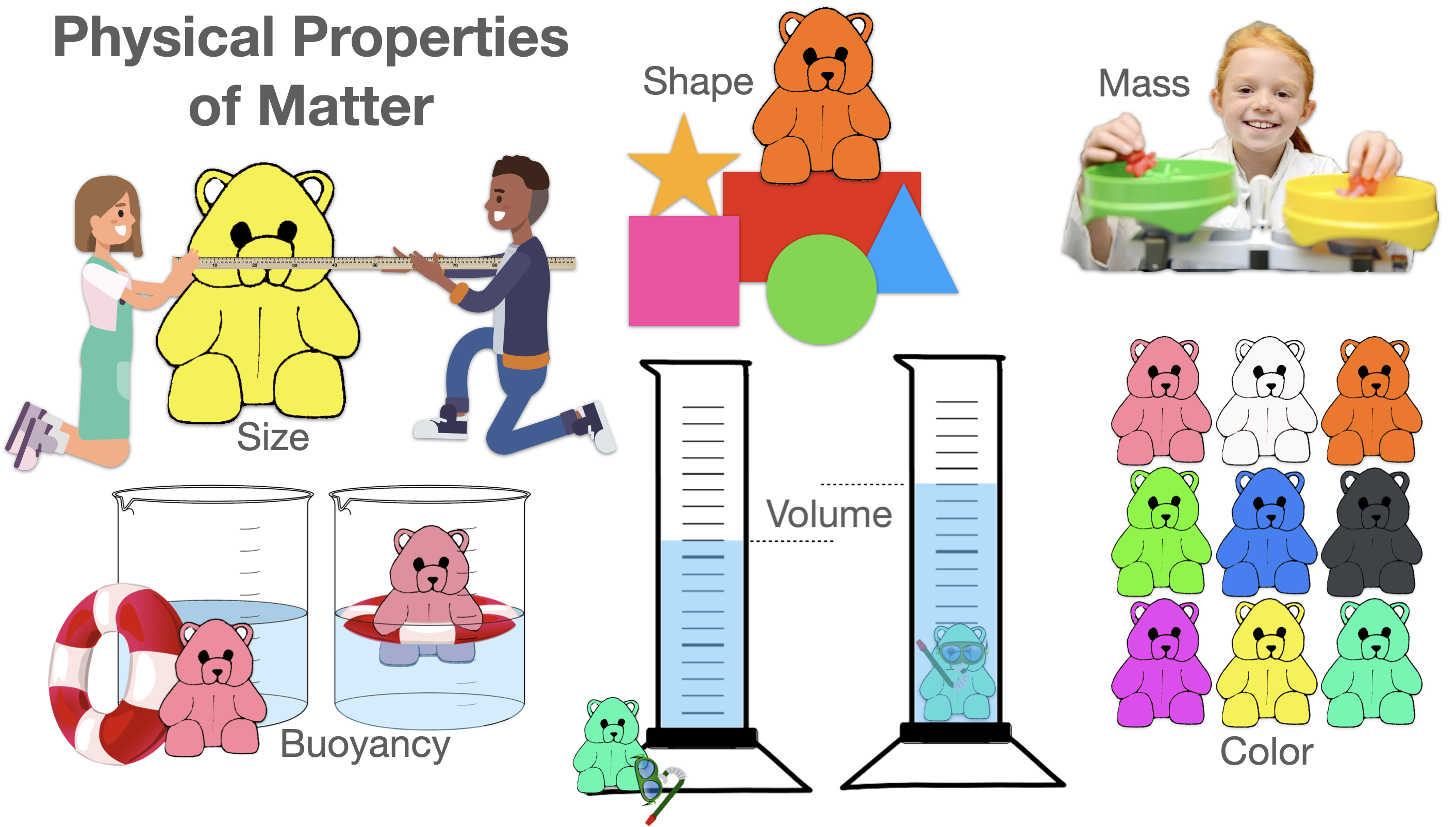
Properties of matter are the attributes or characteristics of a given substance. Two types of these properties are physical properties and chemical properties. Physical properties, which students will examine, include size, shape, color, volume, mass, and density.
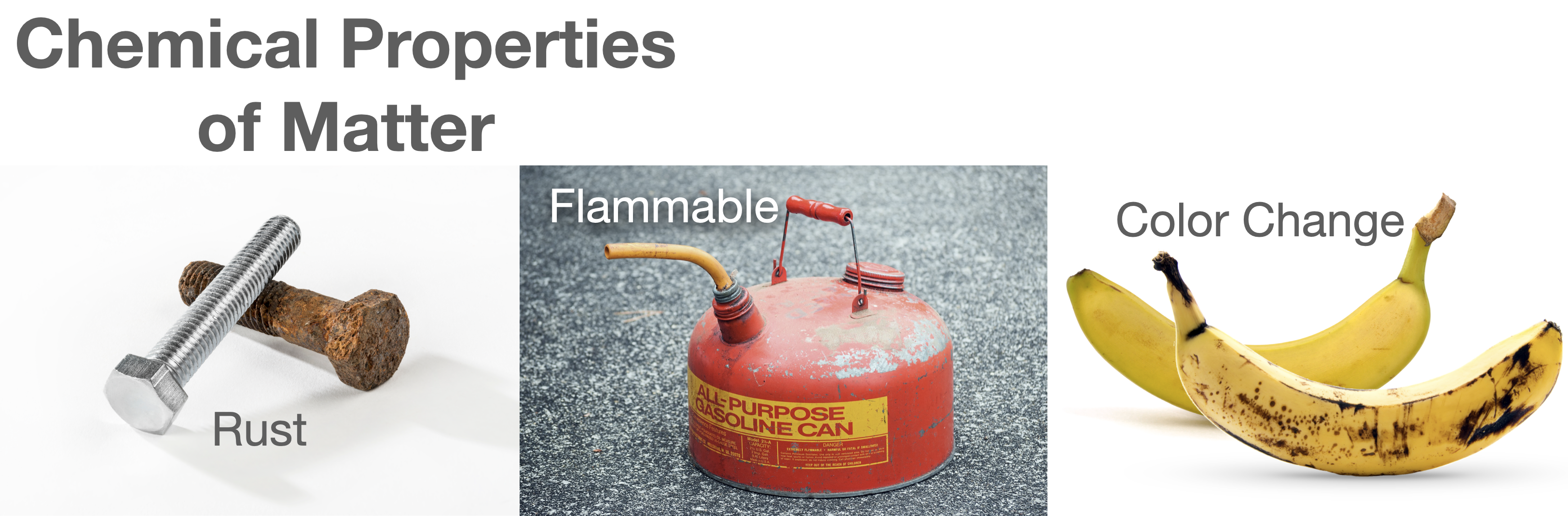
Chemical properties involve the composition of a substance and how it reacts with other substances. For example, the potential of a substance to catch on fire, a metal’s potential to rust, and color changes are chemical properties.
States of Matter
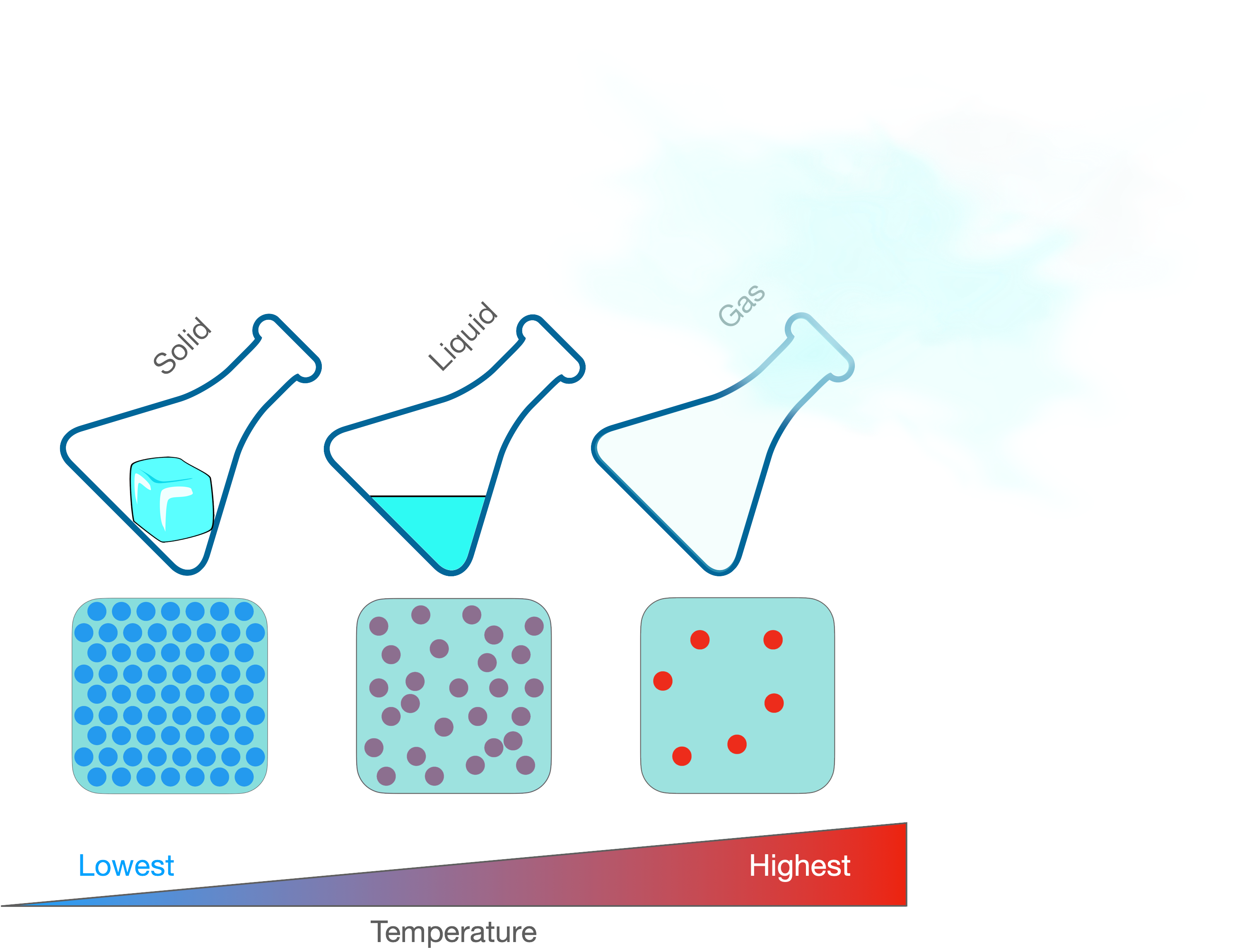
Common properties exist for each state of matter. Typically, when a substance is solid, the molecules of that substance are close together, holding the substance in a definite shape. In a liquid state, the molecules are farther apart and the substance becomes fluid, taking the shape of its container. When a substance is gaseous, the molecules spread even farther apart and move more freely.

What happens to molecules when a substance changes state? When a substance in is its solid state, the molecules have the least amount of kinetic energy (energy of motion) and stay tightly packed. As heat is added to a substance, the molecules become more excited and the kinetic energy increases. The increase tends to push the molecules apart. Eventually, the molecules become fluid and the solid changes to a liquid. As more heat is added, the molecules have even more kinetic energy and a liquid turns into gas. The molecules of a gas are spread further apart than when the substance was a liquid.
It is difficult to view molecules in a substance, but it is easy to observe different states of matter. With water, we can easily examine the properties of each state of matter. Water is one of the best examples because it is the only material on Earth that occurs naturally in all three states within the Earth’s normal range of temperatures.
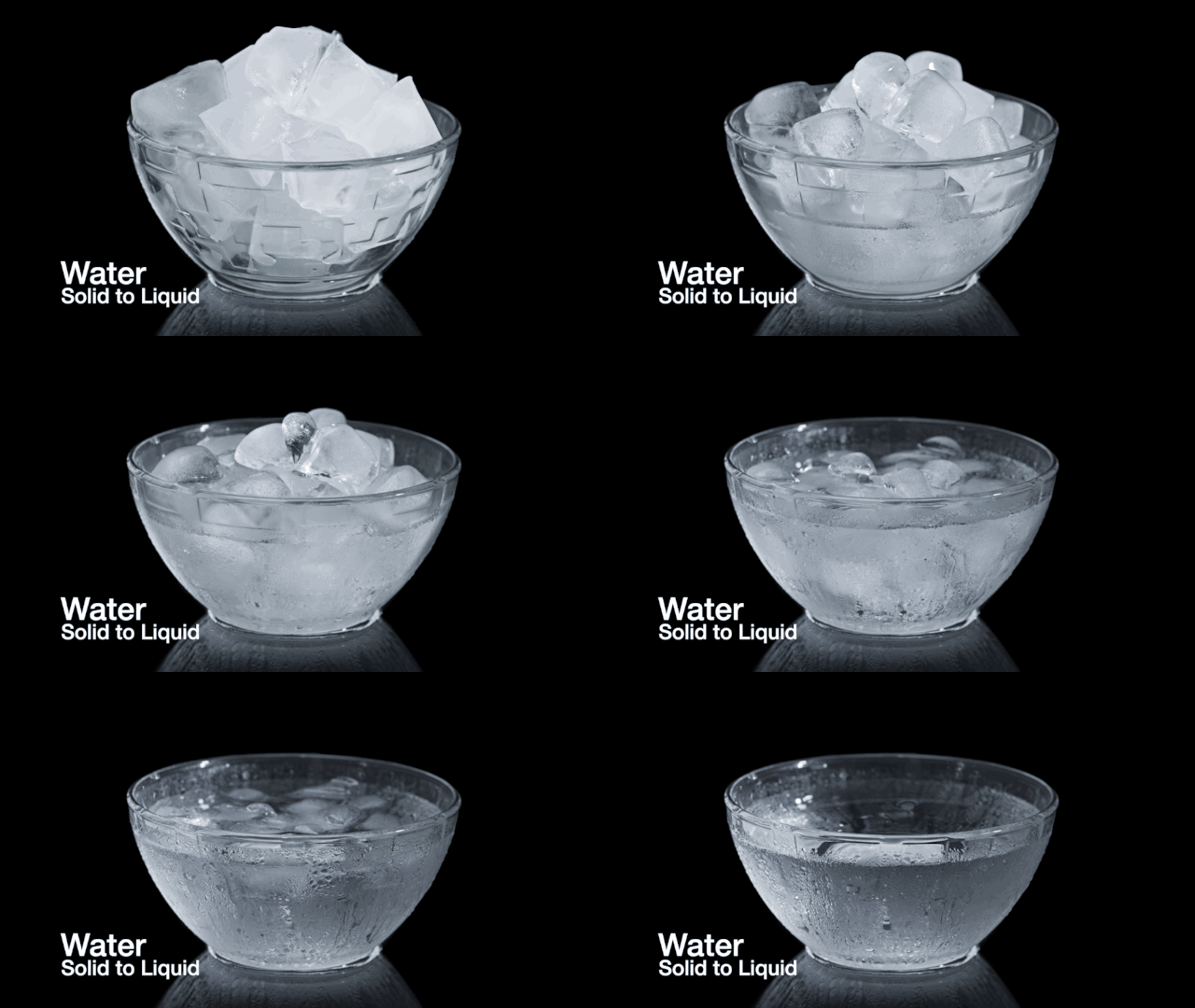
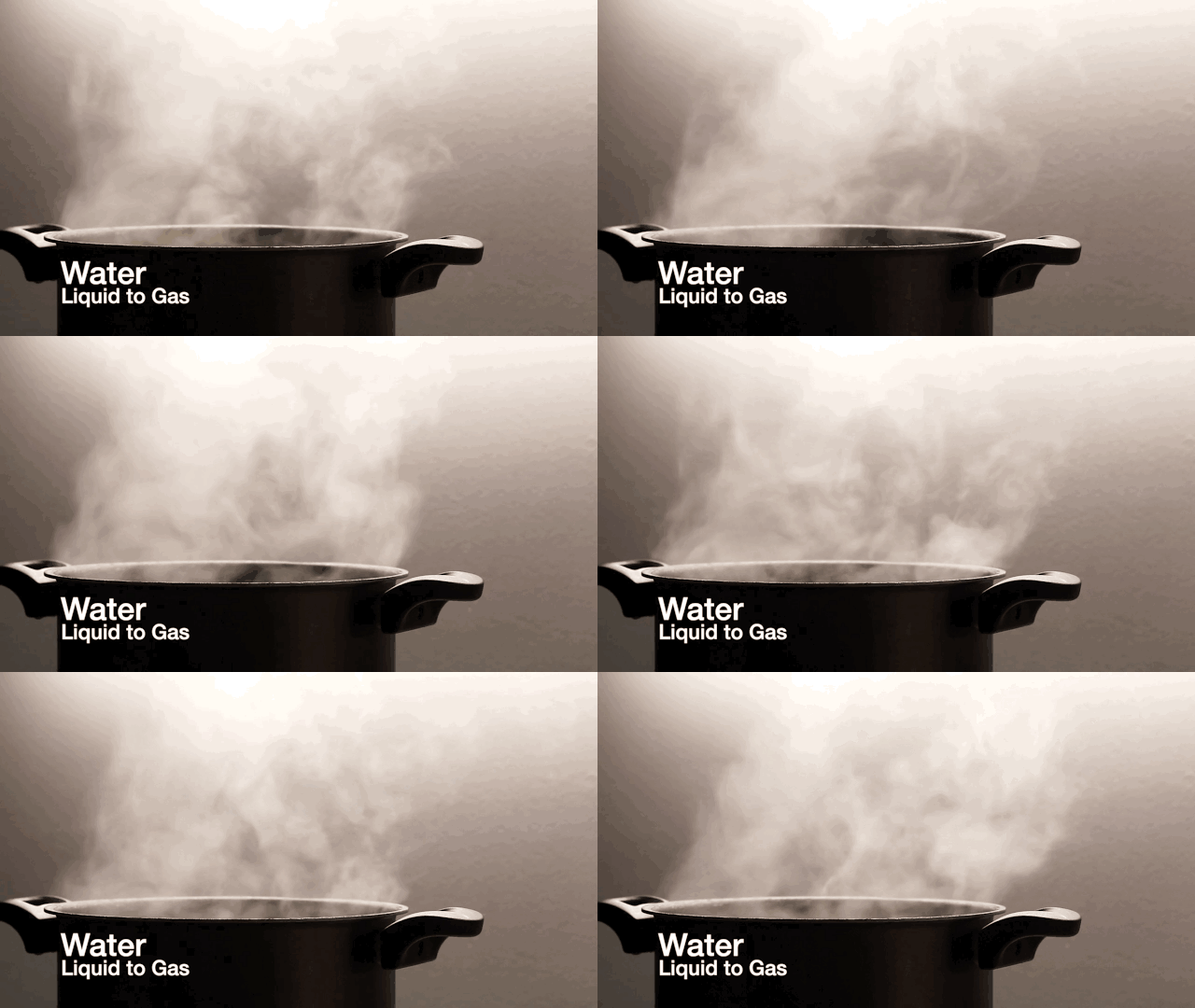
In this Investigation, students will observe water in its solid, liquid, and gas forms as an example of matter in three states. Students will discover the properties of water in each state. Water in its solid form is ice. As ice melts, it becomes liquid water. The evaporation process, which can be aided by heat from sources such as a stovetop or the sun, turns liquid water into a gas of water vapor.
Below, you can see the conversion of solid water (ice) to liquid water on the left. On right, you can see the conversion of liquid water to water gas (water vapor or steam). Notice that, in each case, the change is the result of a change in temperature.
Properties of Matter: Investigation 1 - Mathematics Concepts
Prelab
• counting whole numbers
• classifying groups
• comparison
• comparing (non)measurable characteristics
• data table
• fractions
Lab
• counting whole numbers
• length in mm
• volume in mL
• classifying groups
Postlab
• counting whole numbers
• classifying groups
• data table
• data analysis
• length in mm
• subtraction
Properties of Matter: Investigation 1 - Procedural Tools

Properties of Matter: Investigation 1 - Cognitive Tools

Properties of Matter:
Investigation 1 Quiz

