Teacher Portal:
Light and Optics
Investigation 1
Investigation One:
How Light Interacts with Objects
Light is defined as a type of electromagnetic radiation that is visible to the human eye. Light can be produced either by natural or man-made sources. The Sun and fire are both natural sources of light. Man-made sources of light include the many types of light bulbs or light-producing electronics found in everyday life. These include the incandescent and fluorescent light bulbs found in the home; the cathode ray tube found in older model televisions; the halogen light bulbs of automotive headlights; neon signs; and the light-emitting diodes (LEDs) found in many electronic devices. Below are examples of natural and artificial light. These are by no means all of the forms and types of light.
Natural Light

The Sun
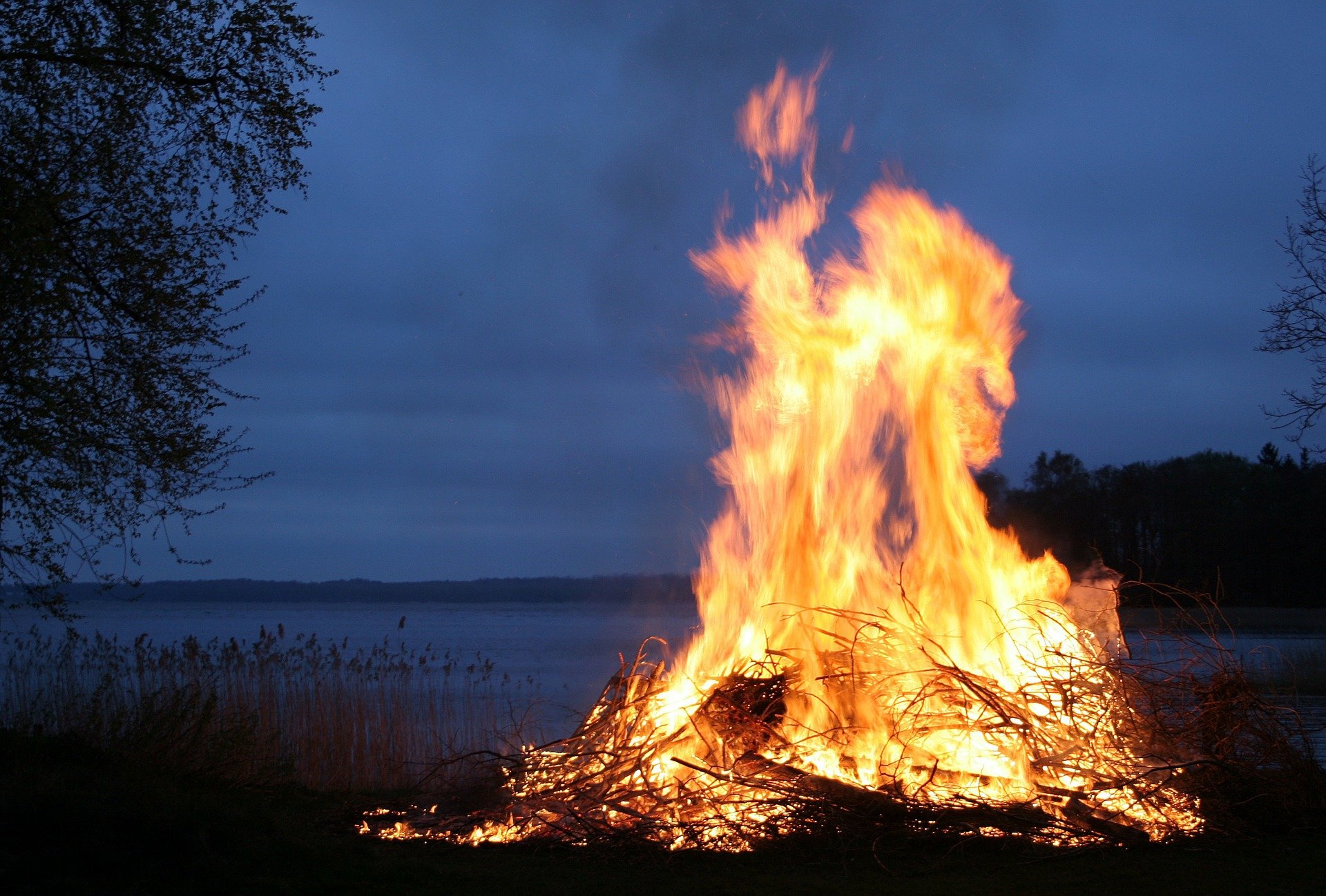
Fire
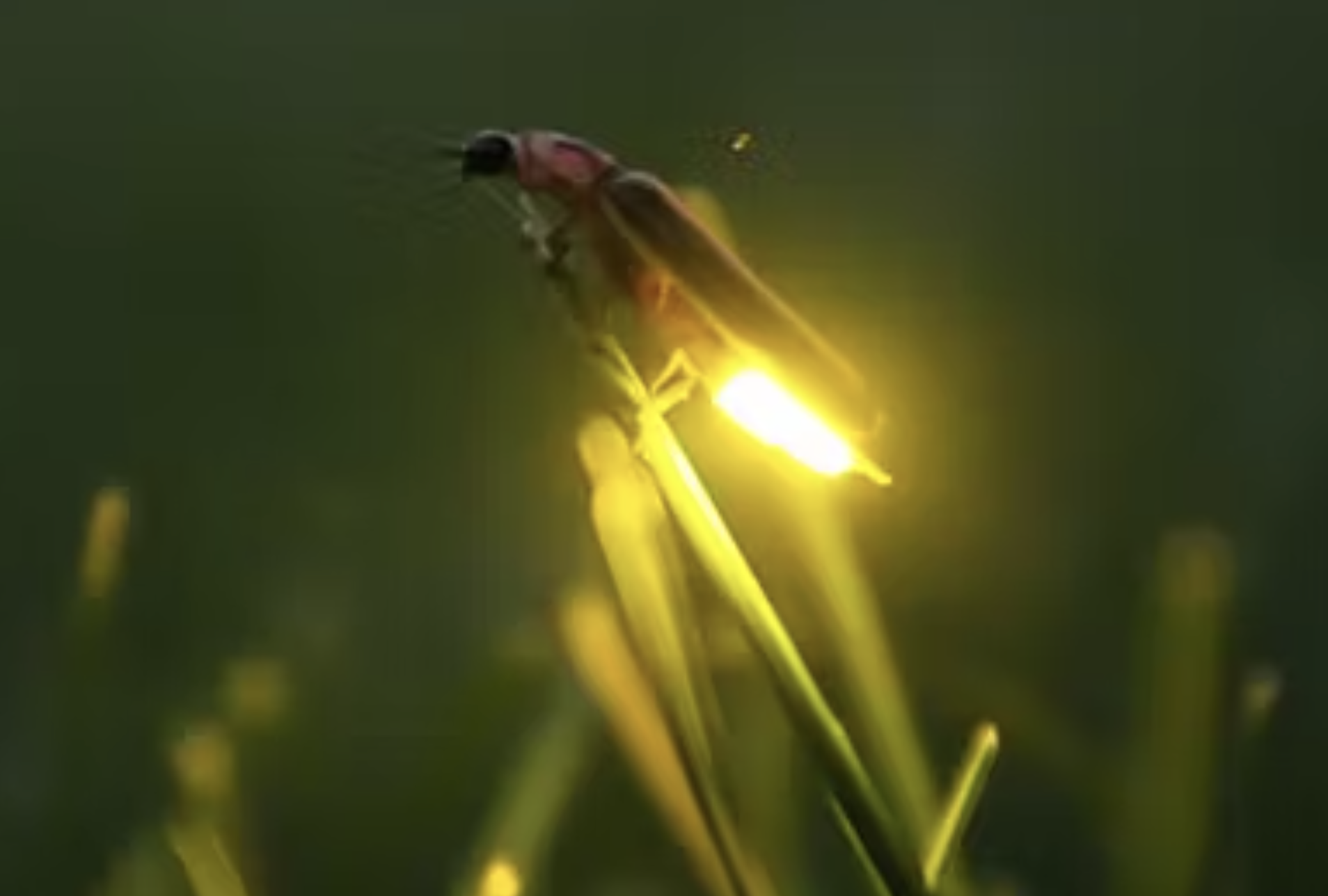
Firefly
Artificial Light

Neon
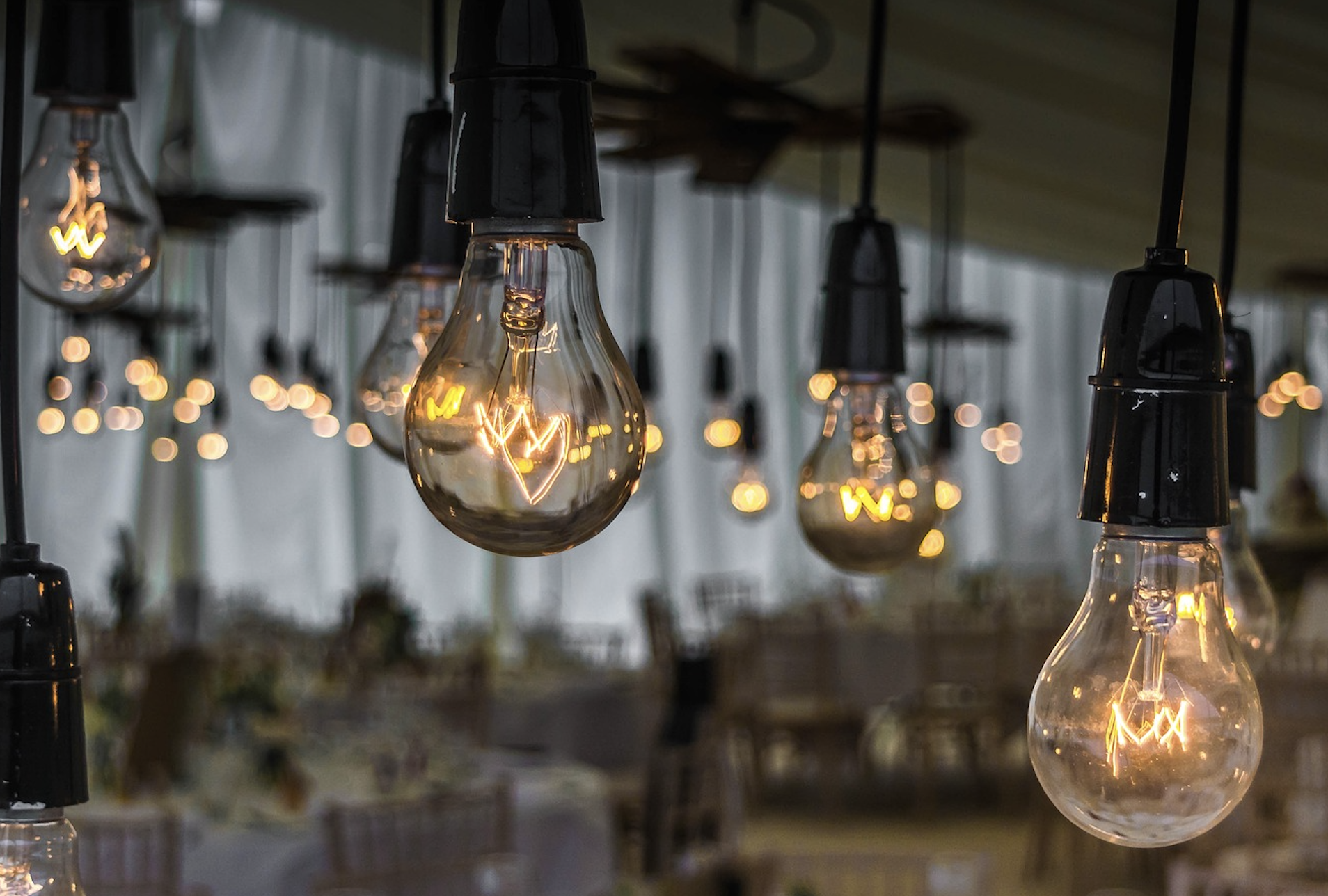
Incandescent
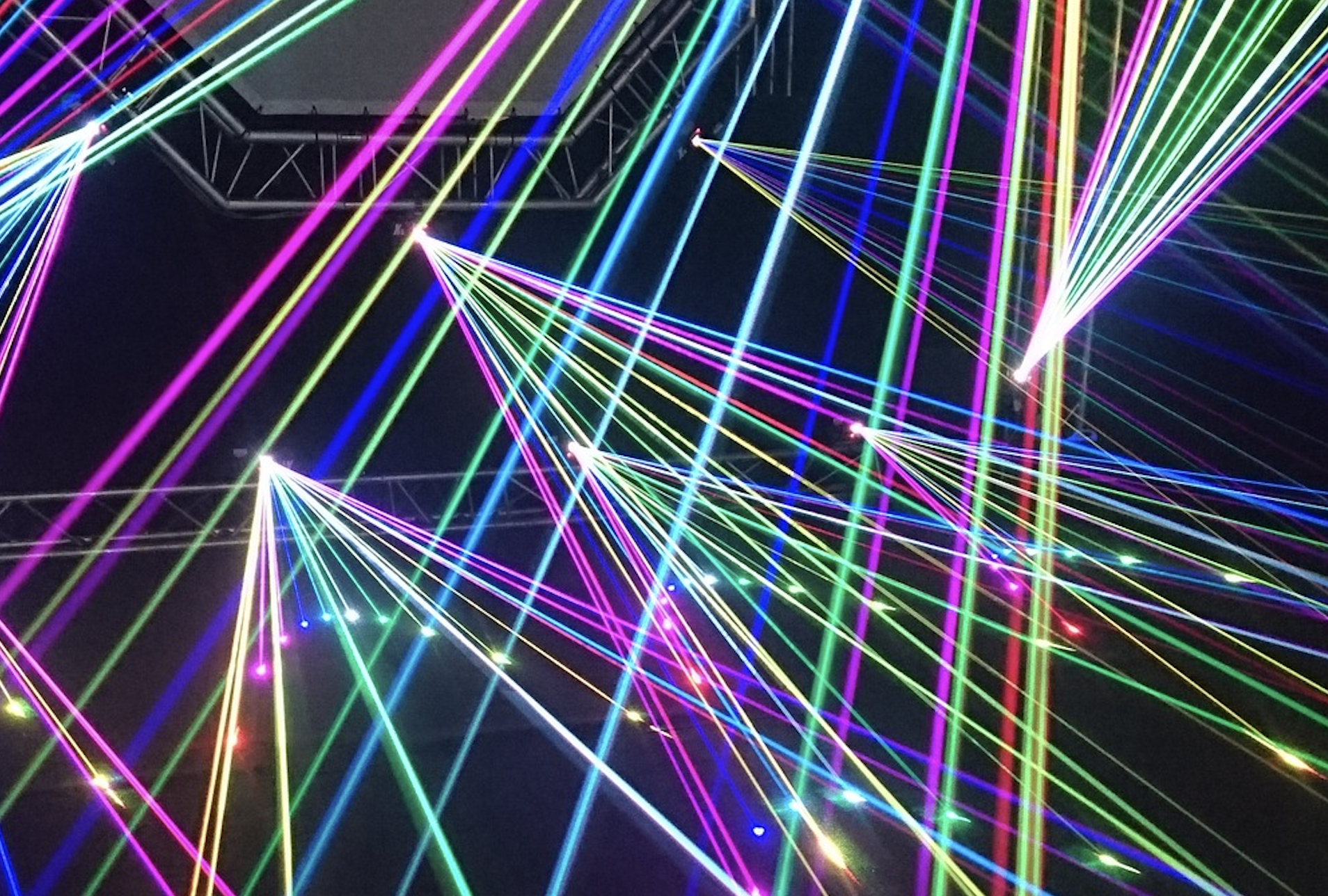
Laser
Properties of Light
Light possesses several properties that determine how it interacts with objects. One property is that light can be absorbed or taken in by an object. All types of electromagnetic radiation including light possess a certain amount of energy. Light, therefore, follows the Law of Conservation of Energy, which states that energy is neither created nor destroyed; it simply changes form. When light is absorbed by a substance, whether a solid, a liquid, or a gas, it is can be converted into heat energy.
A second property is that light can be transmitted, or transferred from place to place by certain substances. If a substance cannot transmit light, it is opaque. If a substance is able to transmit light so that objects or images are visible through it, then the substance is transparent. A third property of light is that it can also be reflected off of surfaces.
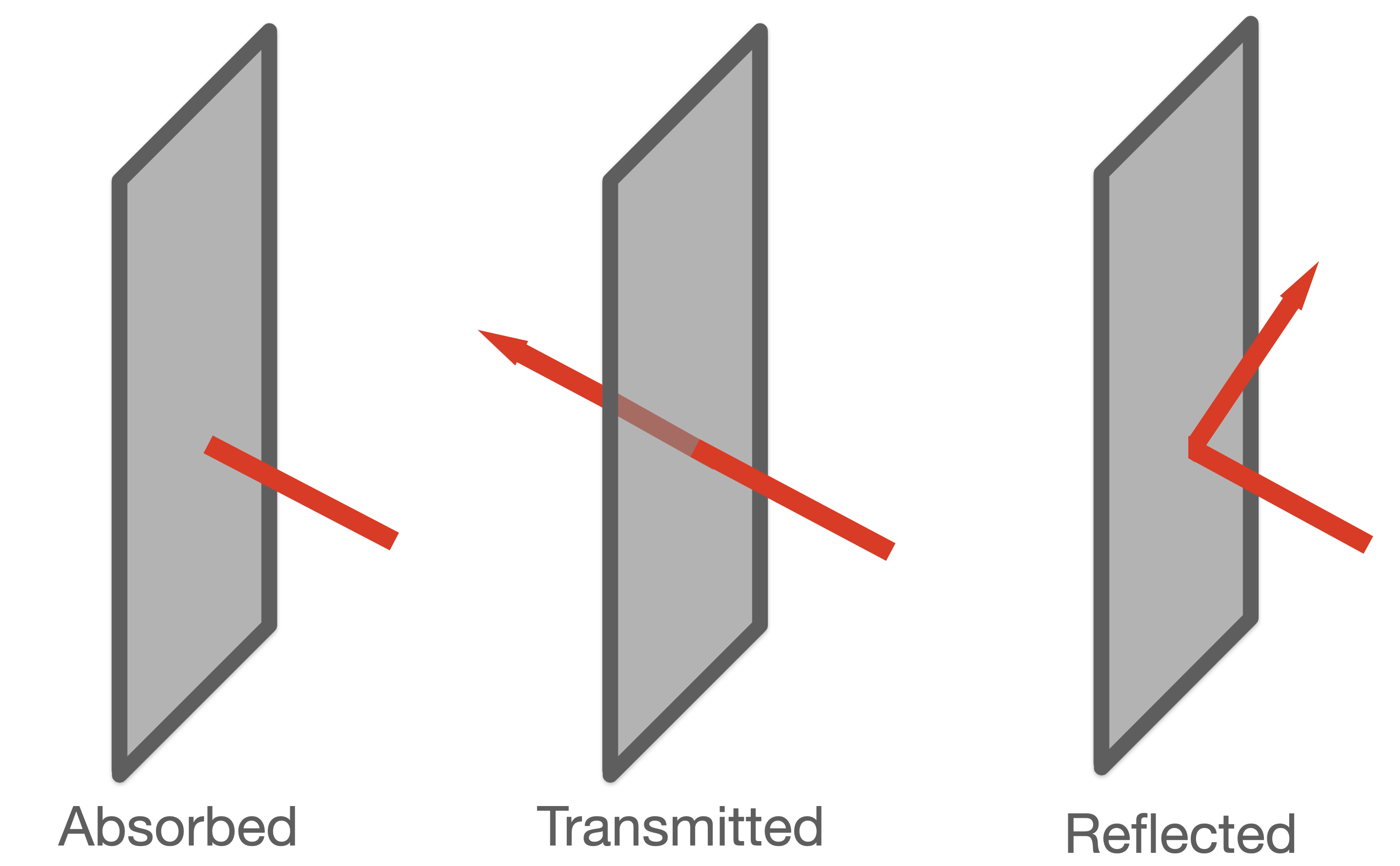
Light can interact with a substance by being absorbed, transmitted, or reflected (see above). How it interacts depends upon the type of light and on several characteristics of the substance: its color, its shade of color, and whether the substance is transparent or opaque. In most circumstances, light interacts with a substance in several ways, simultaneously, at the same time. Transparent substances can transmit, absorb, and reflect light. 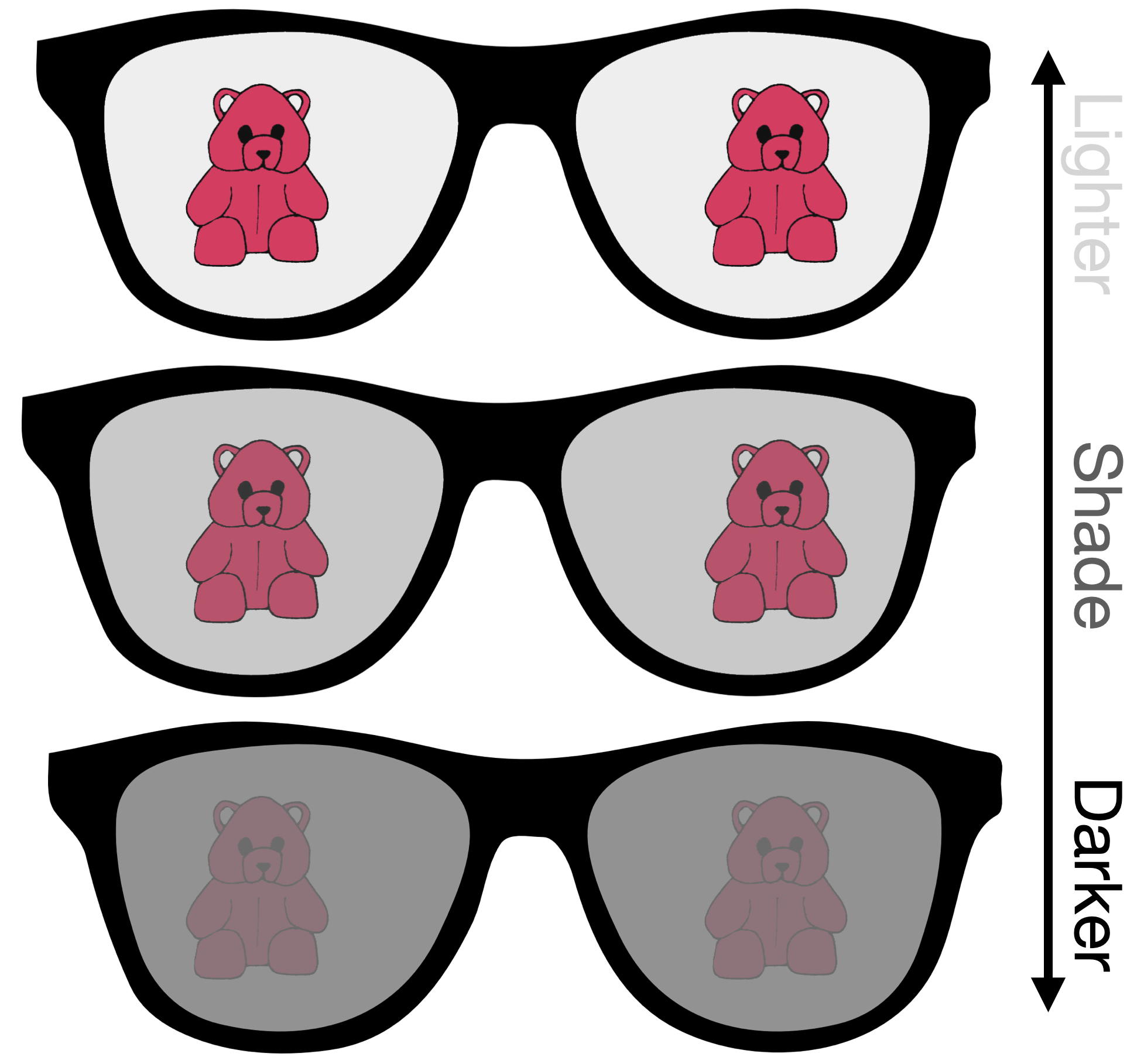 Consider an ordinary glass window for example. You know that light can be transmitted through it, that is how you see outside through a window. However, if you look at the same window from the outside during the day, you may see your own reflection.
In Investigation One, students will investigate the processes of transmission and absorption of light by observing that the amount of light transmitted or absorbed depends upon the shade of the substance. A lighter shade transmits more light than a darker shade while a darker shade absorbs more light than a lighter shade.
Transparent objects can reflect, transmit, or absorb light. Opaque objects absorb or reflect but do not transmit light. An opaque solid of a darker shade absorbs more light than it reflects, while an opaque solid of a lighter shade reflects more light than it absorbs.
Light and Optic: Investigation 1 - Mathematics Concepts
Prelab
- comparing size, shape, form
- continuum scale
- least to greatest
Lab
- continuum scale
- least to greatest
- volume in mL
- counting whole numbers
- data table
- predict/verify observations/measurements
- distance in cm
- greater than/less than/equal to
Postlab
- continuum scale
- least to greatest
- greater than/less than/equal to
- parts/whole
- fractions
- temperature
Light and Optics: Investigation 1 - Procedural Tools

Light and Optics: Investigation 1 - Cognitive Tools

Light and Optics:
Investigation 1 Quiz

