Teacher Portal:
The Human Body
Investigation 2 – Lab
ASK WHY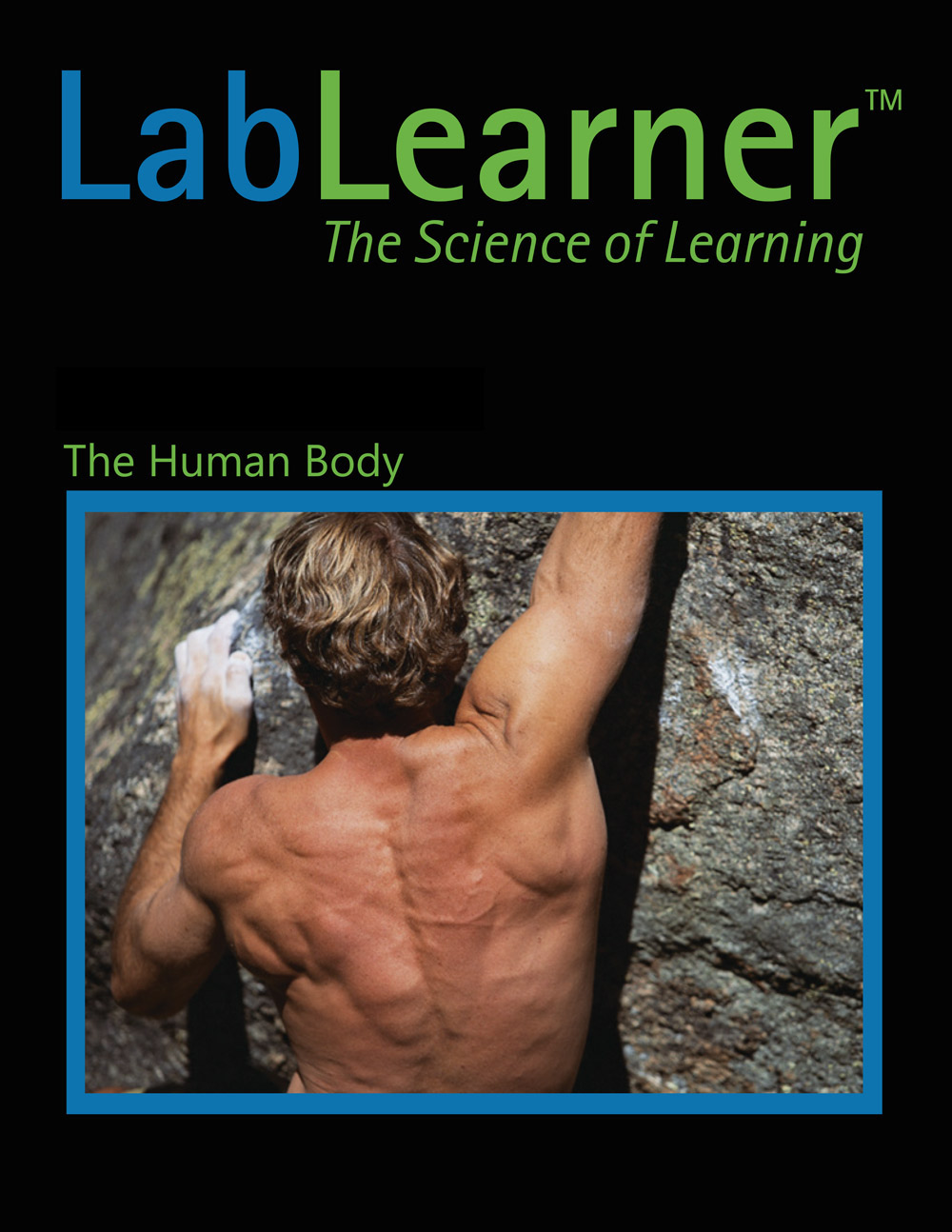
The human body is organized into systems that are made up of many parts and that these systems each perform both individual and complementary functions that occur at the same time in the body.
BRANCH OUT
Anthropologists and archeologists are scientists who study bones to learn about ancient cultures. The bones they find have been in the ground for hundreds and thousands of years and include human and animal bones. By studying bones, they discover how people and animals lived and how they died. One of the most famous archeological excavation sites is in Pompeii, Italy.
BE PREPARED
| Class materials: |
|---|
|
| Group materials: |
|
| Individual materials |
|
Teacher Preparation
- Divide students into five cooperative groups.
- Review the Teacher Video in preparation for the Lab.
GET FOCUSED
Trial 1
Students will answer the following questions:
-
- What is the function of the skeletal system?
Trial 2
Students will answer the following questions:
-
- What is the function of the muscular system?
Trial 3
Students will answer the following questions:
-
- How do the skeletal system and muscular systems work together?
INVESTIGATE
- Direct each student group to obtain the following necessary materials from the distribution point:
(1) pulley set up - Remove all of the organs from the human torso.
- Place the human skeleton and human torso at central locations around the room.
- Open the flip chart to the skeletal and muscular systems.
- Students should record their answers in their Student Data Record.
- View the Student Video for detailed instructions to help students conduct each trial.
KEYS
CLEAN UP
Let students know your expectations for clean-up. Ask them to clean up.