
| The Human Body: Investigation One Quiz | 4/5 | |
| Earth's Forces Investigation 1 Quiz | 3/5 | |
| Acids & Bases Investigation 1 Quiz | 5/5 | |
| Acids & Bases Investigation 1 Quiz | 2/5 | |
| Acids & Bases Investigation 1 Quiz | 4/5 | |
| Acids & Bases Investigation 1 Quiz | 4/5 | |
| Acids & Bases Investigation 2 Quiz | 1/5 | |
| Acids & Bases Investigation 3 Quiz | 2/5 | |
| Acids & Bases Investigation 3 Quiz | 2/5 | |
| Acids & Bases Investigation 2 Quiz | 1/5 | |
| Acids & Bases Pre-Test | 8/18 | |
| Acids & Bases Investigation 1 Quiz | 3/5 | |
| Acids & Bases Investigation 1 Quiz | 5/5 | |
| Acids & Bases Investigation 1 Quiz | 5/5 | |
| Acids & Bases Investigation 3 Quiz | 2/5 | |
| Heat & Heat Transfer Pre-Test | 13/20 | |
| Heat & Heat Transfer Investigation 3 Quiz | 2/6 | |
| Heat & Heat Transfer Pre-Test | 16/20 | |
| Heat & Heat Transfer Pre-Test | 5/20 | |
| Heat & Heat Transfer Post-Test | 12/22 | |
| Heat & Heat Transfer Investigation 3 Quiz | 3/6 | |
| Heat & Heat Transfer Post-Test | 5/22 | |
| Heat & Heat Transfer Investigation 3 Quiz | 0/6 | |
| Heat & Heat Transfer Pre-Test | 11/20 | |
| Heat & Heat Transfer Post-Test | 9/22 | |
| Heat & Heat Transfer Post-Test | 12/22 | |
| Heat & Heat Transfer Post-Test | 3/22 | |
| Heat & Heat Transfer Post-Test | 9/22 | |
| Heat & Heat Transfer Post-Test | 12/22 | |
| Heat & Heat Transfer Post-Test | 20/22 | |
| Heat & Heat Transfer Post-Test | 6/22 | |
| Heat & Heat Transfer Post-Test | 13/22 | |
| Heat & Heat Transfer Post-Test | 1/22 | |
| Heat & Heat Transfer Investigation 3 Quiz | 0/6 | |
| Heat & Heat Transfer Post-Test | 0/22 | |
| Heat & Heat Transfer Pre-Test | 2/20 | |
| Heat & Heat Transfer Pre-Test | 18/20 | |
| Heat & Heat Transfer Pre-Test | 15/20 | |
| Heat & Heat Transfer Pre-Test | 17/20 | |
| Heat & Heat Transfer Post-Test | 2/22 | |
| Heat & Heat Transfer Post-Test | 17/22 | |
| Heat & Heat Transfer Post-Test | 17/22 | |
| Heat & Heat Transfer Pre-Test | 6/20 | |
| Heat & Heat Transfer Post-Test | 15/22 | |
| Heat & Heat Transfer Pre-Test | 9/20 | |
| Heat & Heat Transfer Pre-Test | 9/20 | |
| Heat & Heat Transfer Pre-Test | 5/20 | |
| Heat & Heat Transfer Pre-Test | 9/20 | |
| Heat & Heat Transfer Pre-Test | 2/20 | |
| Heat & Heat Transfer Pre-Test | 9/20 | |
| Heat & Heat Transfer Pre-Test | 10/20 | |
| Heat & Heat Transfer Pre-Test | 17/20 | |
| Heat & Heat Transfer Post-Test | 16/22 | |
| Heat & Heat Transfer Pre-Test | 4/20 | |
| Heat & Heat Transfer Pre-Test | 7/20 | |
| Heat & Heat Transfer Pre-Test | 17/20 | |
| Heat & Heat Transfer Pre-Test | 8/20 | |
| Heat & Heat Transfer Pre-Test | 9/20 | |
| Heat & Heat Transfer Pre-Test | 12/20 | |
| Heat & Heat Transfer Pre-Test | 4/20 | |
| Heat & Heat Transfer Pre-Test | 18/20 | |
| Heat & Heat Transfer Pre-Test | 6/20 | |
| Heat & Heat Transfer Pre-Test | 9/20 | |
| Heat & Heat Transfer Pre-Test | 11/20 | |
| Heat & Heat Transfer Pre-Test | 9/20 | |
| Heat & Heat Transfer Post-Test | 15/22 | |
| Heat & Heat Transfer Post-Test | 21/22 | |
| Heat & Heat Transfer Post-Test | 19/22 | |
| Heat & Heat Transfer Post-Test | 20/22 | |
| Heat & Heat Transfer Post-Test | 10/22 | |
| Exploring Ecosystems Investigation 1 Quiz | 5/6 | |
| Exploring Ecosystems Investigation 1 Quiz | 3/6 | |
| Heat & Heat Transfer Pre-Test | 14/20 | |
| Heat & Heat Transfer Post-Test | 16/22 | |
| Heat & Heat Transfer Investigation 1 Quiz | 1/6 | |
| Heat & Heat Transfer Investigation 1 Quiz | 6/6 | |
| Heat & Heat Transfer Investigation 1 Quiz | 4/6 | |
| Heat & Heat Transfer Investigation 1 Quiz | 4/6 | |
| Heat & Heat Transfer Investigation 1 Quiz | 2/6 | |
| Heat & Heat Transfer Investigation 1 Quiz | 6/6 | |
| Heat & Heat Transfer Investigation 1 Quiz | 2/6 | |
| Heat & Heat Transfer Investigation 1 Quiz | 3/6 | |
| Heat & Heat Transfer Investigation 1 Quiz | 4/6 | |
| Heat & Heat Transfer Investigation 1 Quiz | 4/6 | |
| Heat & Heat Transfer Investigation 1 Quiz | 6/6 | |
| Heat & Heat Transfer Investigation 1 Quiz | 4/6 | |
| Heat & Heat Transfer Investigation 1 Quiz | 3/6 | |
| Heat & Heat Transfer Post-Test | 6/22 | |
| Heat & Heat Transfer Post-Test | 13/22 | |
| Heat & Heat Transfer Post-Test | 17/22 | |
| Heat & Heat Transfer Post-Test | 19/22 | |
| Heat & Heat Transfer Post-Test | 7/22 | |
| Heat & Heat Transfer Post-Test | 8/22 | |
| Heat & Heat Transfer Investigation 3 Quiz | 4/6 | |
| Heat & Heat Transfer Post-Test | 8/22 | |
| Heat & Heat Transfer Post-Test | 6/22 | |
| Heat & Heat Transfer Investigation 3 Quiz | 5/6 | |
| Heat & Heat Transfer Post-Test | 9/22 | |
| Heat & Heat Transfer Post-Test | 15/22 | |
| Heat & Heat Transfer Post-Test | 4/22 | |
| Heat & Heat Transfer Post-Test | 17/22 | |
| Heat & Heat Transfer Investigation 3 Quiz | 5/6 | |
| Heat & Heat Transfer Post-Test | 13/22 | |
| Heat & Heat Transfer Post-Test | 8/22 | |
| Heat & Heat Transfer Post-Test | 14/22 | |
| Heat & Heat Transfer Pre-Test | 20/20 | |
| Heat & Heat Transfer Post-Test | 5/22 | |
| Heat & Heat Transfer Post-Test | 19/22 | |
| Heat & Heat Transfer Post-Test | 15/22 | |
| Heat & Heat Transfer Post-Test | 16/22 | |
| Heat & Heat Transfer Pre-Test | 9/20 | |
| Heat & Heat Transfer Investigation 3 Quiz | 5/6 | |
| Heat & Heat Transfer Post-Test | 12/22 | |
| Heat & Heat Transfer Pre-Test | 19/20 | |
| Heat & Heat Transfer Post-Test | 10/22 | |
| Heat & Heat Transfer Post-Test | 13/22 | |
| Heat & Heat Transfer Post-Test | 12/22 | |
| Heat & Heat Transfer Post-Test | 7/22 | |
| Heat & Heat Transfer Post-Test | 12/22 | |
| Heat & Heat Transfer Post-Test | 18/22 | |
| Heat & Heat Transfer Post-Test | 13/22 | |
| Heat & Heat Transfer Post-Test | 17/22 | |
| Heat & Heat Transfer Post-Test | 5/22 | |
| Heat & Heat Transfer Post-Test | 18/22 | |
| Heat & Heat Transfer Post-Test | 20/22 | |
| Heat & Heat Transfer Post-Test | 21/22 | |
| Heat & Heat Transfer Post-Test | 22/22 | |
| Heat & Heat Transfer Pre-Test | 20/20 | |
| Heat & Heat Transfer Post-Test | 9/22 | |
| Heat & Heat Transfer Post-Test | 12/22 | |
| Heat & Heat Transfer Post-Test | 21/22 | |
| Heat & Heat Transfer Post-Test | 12/22 | |
| Heat & Heat Transfer Post-Test | 12/22 | |
| Heat & Heat Transfer Post-Test | 11/22 | |
| Heat & Heat Transfer Post-Test | 14/22 | |
| Heat & Heat Transfer Post-Test | 19/22 | |
| Heat & Heat Transfer Post-Test | 22/22 | |
| Heat & Heat Transfer Investigation 3 Quiz | 5/6 | |
| Heat & Heat Transfer Post-Test | 17/22 | |
| Heat & Heat Transfer Post-Test | 13/22 | |
| Heat & Heat Transfer Post-Test | 16/22 | |
| Heat & Heat Transfer Post-Test | 19/22 | |
| Heat & Heat Transfer Post-Test | 20/22 | |
| Heat & Heat Transfer Post-Test | 20/22 | |
| Heat & Heat Transfer Post-Test | 22/22 | |
| Heat & Heat Transfer Post-Test | 21/22 | |
| Heat & Heat Transfer Post-Test | 22/22 | |
| Heat & Heat Transfer Post-Test | 21/22 | |
| Heat & Heat Transfer Pre-Test | 15/20 | |
| Heat & Heat Transfer Post-Test | 17/22 | |
| Heat & Heat Transfer Investigation 3 Quiz | 5/6 | |
| Heat & Heat Transfer Post-Test | 1/22 | |
| Heat & Heat Transfer Post-Test | 9/22 | |
| Heat & Heat Transfer Post-Test | 10/22 | |
| Heat & Heat Transfer Pre-Test | 16/20 | |
| Heat & Heat Transfer Pre-Test | 19/20 | |
| Heat & Heat Transfer Post-Test | 21/22 | |
| Heat & Heat Transfer Post-Test | 3/22 | |
| Heat & Heat Transfer Pre-Test | 18/20 | |
| Heat & Heat Transfer Post-Test | 8/22 | |
| Heat & Heat Transfer Post-Test | 15/22 | |
| Weathering & Erosion Pre-Test | 15/20 | |
| Heat & Heat Transfer Post-Test | 18/22 | |
| Heat & Heat Transfer Pre-Test | 14/20 | |
| Heat & Heat Transfer Pre-Test | 15/20 | |
| Heat & Heat Transfer Pre-Test | 17/20 | |
| Heat & Heat Transfer Investigation 3 Quiz | 4/6 | |
| Heat & Heat Transfer Investigation 3 Quiz | 5/6 | |
| Heat & Heat Transfer Investigation 3 Quiz | 6/6 | |
| Heat & Heat Transfer Post-Test | 11/22 | |
| Heat & Heat Transfer Investigation 3 Quiz | 6/6 | |
| Heat & Heat Transfer Post-Test | 18/22 | |
| Heat & Heat Transfer Pre-Test | 0/20 | |
| Heat & Heat Transfer Post-Test | 21/22 | |
| Heat & Heat Transfer Pre-Test | 20/20 | |
| Heat & Heat Transfer Post-Test | 10/22 | |
| Heat & Heat Transfer Post-Test | 13/22 | |
| Heat & Heat Transfer Pre-Test | 13/20 | |
| Heat & Heat Transfer Post-Test | 13/22 | |
| Heat & Heat Transfer Post-Test | 13/22 | |
| Heat & Heat Transfer Pre-Test | 20/20 | |
| Heat & Heat Transfer Post-Test | 14/22 | |
| Heat & Heat Transfer Post-Test | 8/22 | |
| Heat & Heat Transfer Post-Test | 13/22 | |
| Heat & Heat Transfer Post-Test | 12/22 | |
| Heat & Heat Transfer Post-Test | 22/22 | |
| Heat & Heat Transfer Post-Test | 19/22 | |
| Heat & Heat Transfer Post-Test | 11/22 | |
| Heat & Heat Transfer Post-Test | 14/22 | |
| Heat & Heat Transfer Post-Test | 13/22 | |
| Heat & Heat Transfer Post-Test | 22/22 | |
| Heat & Heat Transfer Post-Test | 0/22 | |
| Heat & Heat Transfer Post-Test | 22/22 | |
| Heat & Heat Transfer Post-Test | 17/22 | |
| Heat & Heat Transfer Post-Test | 14/22 | |
| Heat & Heat Transfer Post-Test | 6/22 | |
| Heat & Heat Transfer Post-Test | 0/22 | |
| Heat & Heat Transfer Post-Test | 11/22 | |
| Heat & Heat Transfer Post-Test | 13/22 | |
| Heat & Heat Transfer Post-Test | 6/22 | |
| Heat & Heat Transfer Post-Test | 19/22 | |
| Heat & Heat Transfer Post-Test | 20/22 | |
| Heat & Heat Transfer Post-Test | 10/22 | |
| Heat & Heat Transfer Post-Test | 21/22 | |
| Heat & Heat Transfer Pre-Test | 1/20 | |
| Heat & Heat Transfer Pre-Test | 17/20 | |
| Kinetic & Potential Energy Investigation 2 Quiz | 4/5 | |
| Kinetic & Potential Energy Investigation 2 Quiz | 4/5 | |
| Kinetic & Potential Energy Investigation 2 Quiz | 5/5 | |
| Exploring Electricity Investigation 3 Quiz | 4/5 | |
| Acids & Bases Post-Test | 10/18 | |
| Light Investigation 1 Quiz | 5/6 | |
| Light Investigation 1 Quiz | 6/6 | |
| Light Investigation 1 Quiz | 6/6 | |
| Light Investigation 1 Quiz | 4/6 | |
| Atmosphere Pre-Test | 12/20 | |
| Cellular Organization Investigation 4 Quiz | 3/5 | |
| Sound Waves & Pressure Post-Test | 19/20 | |
| Genes & Proteins Investigation 1 Quiz | 5/6 | |
| Genes & Proteins Investigation 1 Quiz | 3/6 | |
| Properties of Matter Middle School Pre-Test | 15/20 | |
| Friction Investigation 3 Quiz | 3/5 | |
| Friction Investigation 3 Quiz | 3/5 | |
| Friction Investigation 3 Quiz | 4/5 | |
| Chemical Reactions Pre-Test | 16/20 | |
| Heat & Heat Transfer Investigation 1 Quiz | 5/6 | |
| Chemical Reactions Post-Test | 20/20 | |
| Chemical Reactions Post-Test | 18/20 | |
| Cellular Organization Pre-Test | 10/20 | |
| Electricity & Magnetism Post-Test | 17/19 | |
| Sound Waves & Pressure Pre-Test | 6/20 | |
| Cell Cycle & Cancer Investigation 1 Quiz | 6/6 |
The cells were colorless because cells do not need to have colors.
The cells were green because of the dye use to prepare the slide.
The cells were green because of the chloroplasts and chlorophyll.
None of the above.
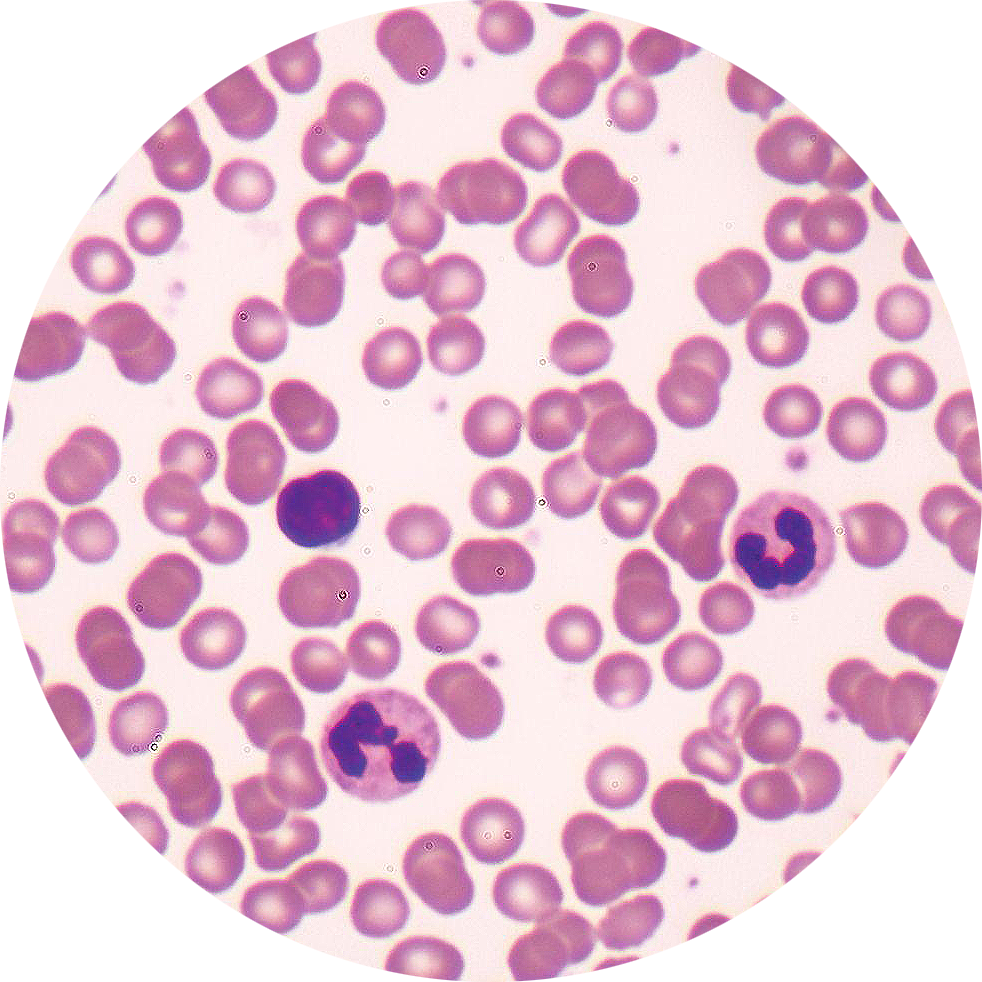
Red blood cells (or erythrocytes)
White blood cells (or leukocytes)
Purple blood cells (or purplecytes)
A and B
A, B, and C
True
False
Chloroplasts, Nucleus, and Cell Wall
Nucleus, Cell Wall, and Cell Membrane
Nucleus, Cell Membrane, and Cytoplasm
Cytoplasm, Vacuole, and Cell Membrane
Muscular system
Digestive system
Nervous system
Respiratory system

A
B
C
D
Which graph shows how mass and the force of gravity are related?

A
B
C
Four objects fall. Which object has the greatest force of gravity on it?

A
B
C
D
Look at the spring scale. What is the force of gravity on the mass?

1.5 N
2 N
2.5 N

A
B
C
D
Solvent
Ion
Atom
Metal
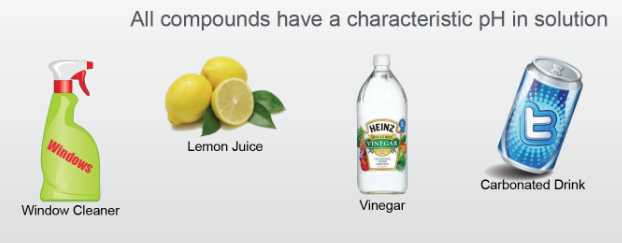
True
False
Acids produce Hydroxide ions which have a negative charge.
Acids produce Hydrogen ions which have a positive charge.
Bases produce Hydroxide ions which have a negative charge.
Bases produce Hydrogen ions which have a positive charge.
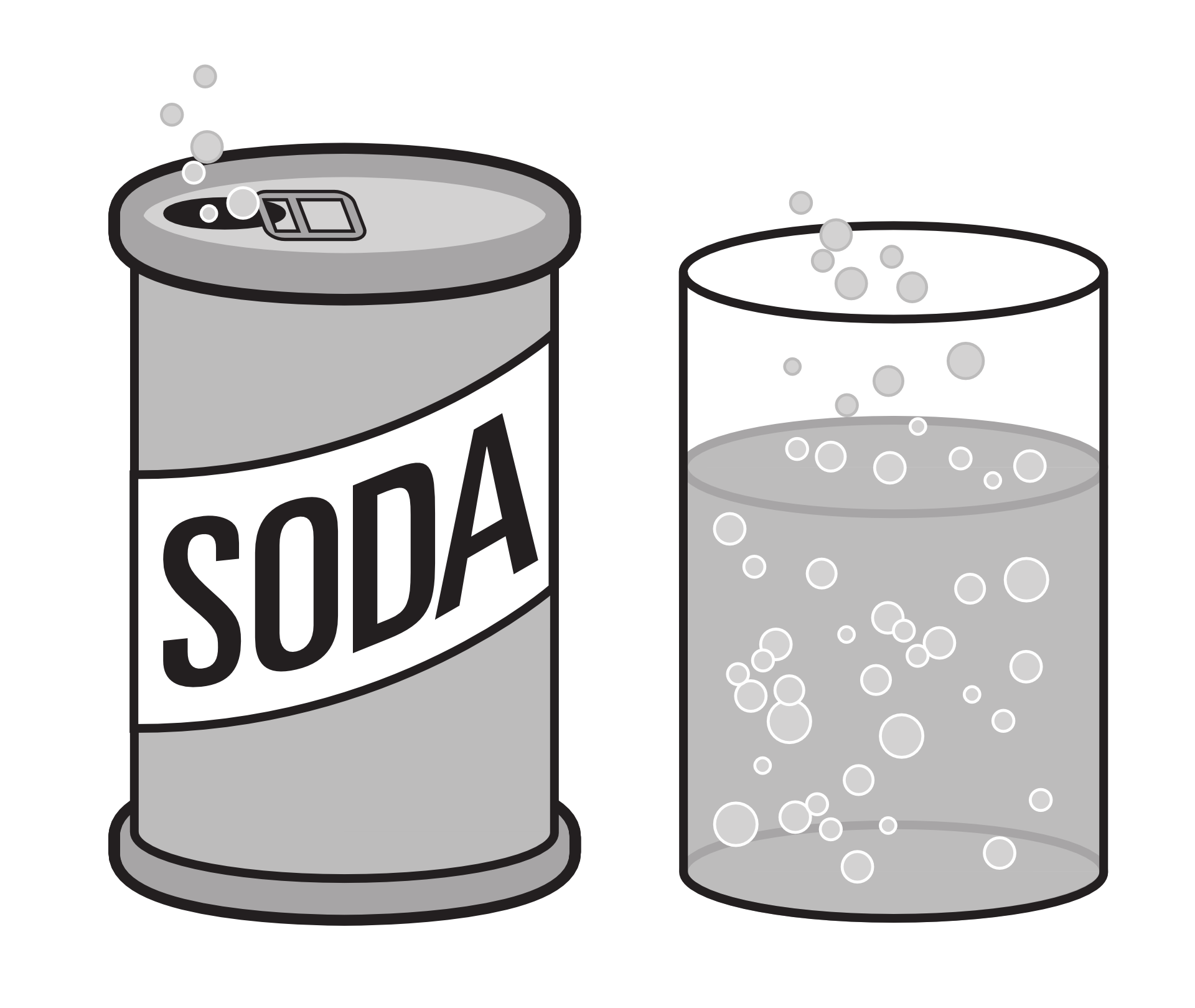
Soda would be with very strong acids and have a pH of 0-1.
Soda would be with acids but would have a medium pH of 3-4..
Soda would be neutral and have a pH close to 7.
Soda would be with very bases and have a pH of 13-14.
Soda would be with bases but would have a medium pH of 9-10.
True
False
Solvent
Ion
Atom
Metal
True
False
Acids produce Hydroxide ions which have a negative charge.
Acids produce Hydrogen ions which have a positive charge.
Bases produce Hydroxide ions which have a negative charge.
Bases produce Hydrogen ions which have a positive charge.
Soda would be with very strong acids and have a pH of 0-1.
Soda would be with acids but would have a medium pH of 3-4..
Soda would be neutral and have a pH close to 7.
Soda would be with very bases and have a pH of 13-14.
Soda would be with bases but would have a medium pH of 9-10.
True
False
Solvent
Ion
Atom
Metal
True
False
Acids produce Hydroxide ions which have a negative charge.
Acids produce Hydrogen ions which have a positive charge.
Bases produce Hydroxide ions which have a negative charge.
Bases produce Hydrogen ions which have a positive charge.
Soda would be with very strong acids and have a pH of 0-1.
Soda would be with acids but would have a medium pH of 3-4..
Soda would be neutral and have a pH close to 7.
Soda would be with very bases and have a pH of 13-14.
Soda would be with bases but would have a medium pH of 9-10.
True
False
Solvent
Ion
Atom
Metal
True
False
Acids produce Hydroxide ions which have a negative charge.
Acids produce Hydrogen ions which have a positive charge.
Bases produce Hydroxide ions which have a negative charge.
Bases produce Hydrogen ions which have a positive charge.
Soda would be with very strong acids and have a pH of 0-1.
Soda would be with acids but would have a medium pH of 3-4..
Soda would be neutral and have a pH close to 7.
Soda would be with very bases and have a pH of 13-14.
Soda would be with bases but would have a medium pH of 9-10.
True
False
Serial dilution was a model for changing an acidic pH into a neutral pH over time.
Serial dilution shows how acids and bases can be equally strong.
Serial dilution was a model for the change in pH, with each number of the pH scale representing a 10x change in the strength or weakness of hydrogen ions just like in the investigation.
Serial dilution uses water to model the neutralization of an acid.
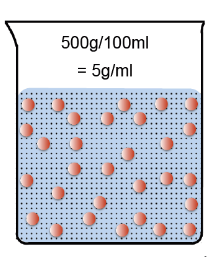
100 ml
500 g
5 g
1 ml
Add more of the solute to the solution.
Stir the solution to make sure everything has dissolved.
Heat up the solution so the kinetic energy will increase.
Add more of the solvent to dilute the solution.
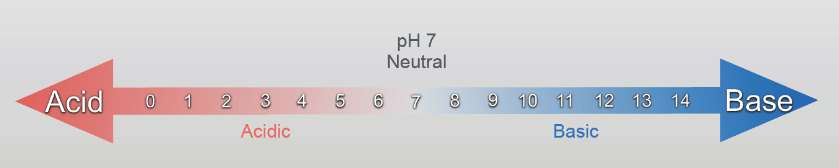
The hydrogen ions' concentration would not change.
The hydrogen ions would be 10 times less concentrated.
The hydrogen ions would be 10 times more concentrated.
The hydrogen ions would be neutralized.
Mass times volume.
Volume divided by mass.
Mass divided by volume.
Volume plus mass.
True
False
True
False
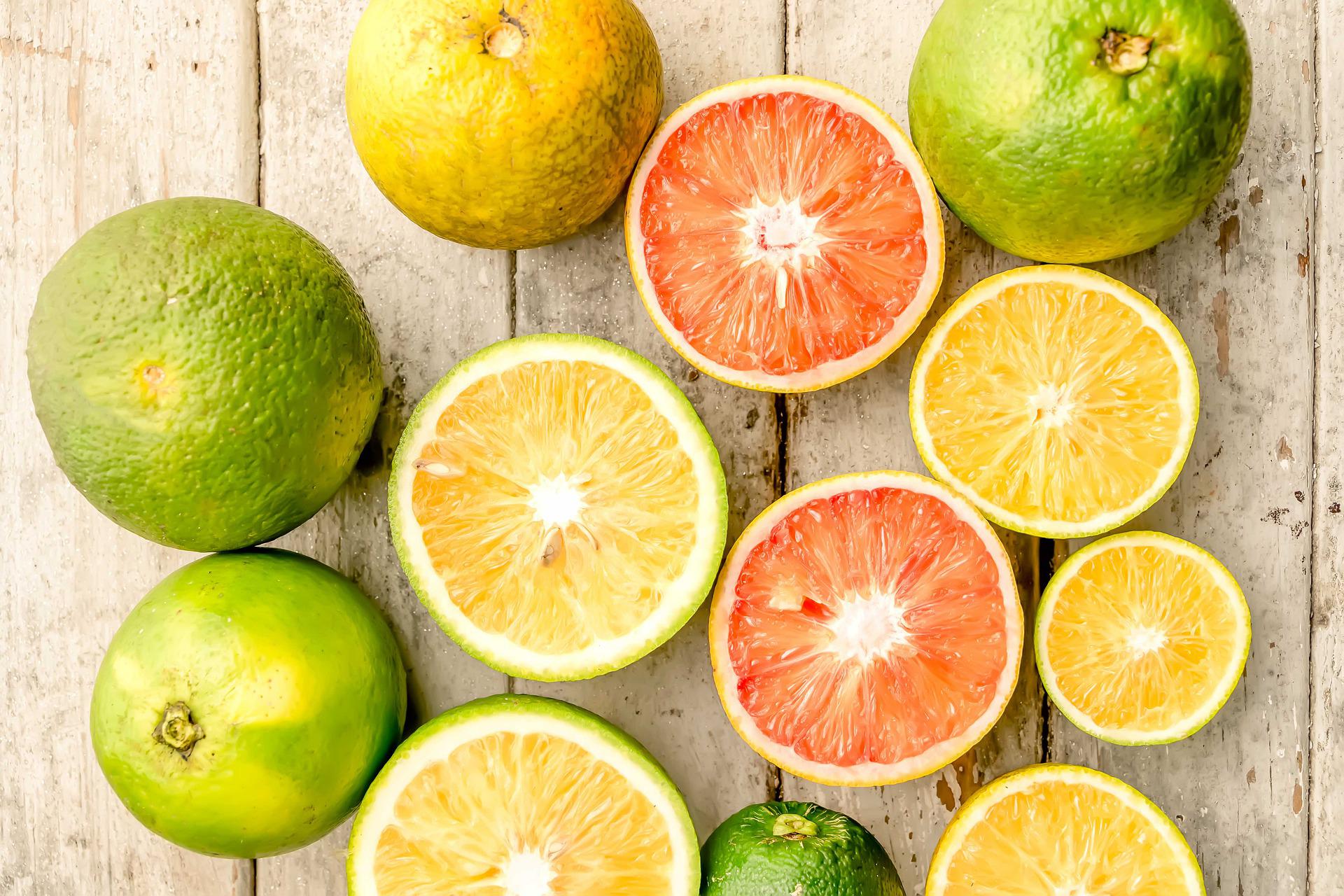
People can only eat lemons and limes when their juice is mixed with sugar to neutralize the acid in them.
People have a range of pH levels they can tolerate, just like they can tolerate a range of temperatures.
After having something acidic like lemons or limes, people have to eat something basic to balance out the acids.
People can tolerate these acids because they already have stomach acid to help them digest lemons and limes.
The acid dissolves in water to produce hydrogen ions.
The acid dissolves in water to produce hydroxide ions.
The base dissolves in water to produce hydrogen ions.
The base dissolves in water to produce hydroxide ions.
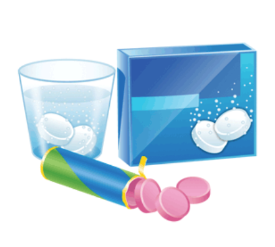
A, B, C, D
C, B, A, D
D, B, A, C
C, B, D, A
True
False
True
False
People can only eat lemons and limes when their juice is mixed with sugar to neutralize the acid in them.
People have a range of pH levels they can tolerate, just like they can tolerate a range of temperatures.
After having something acidic like lemons or limes, people have to eat something basic to balance out the acids.
People can tolerate these acids because they already have stomach acid to help them digest lemons and limes.
The acid dissolves in water to produce hydrogen ions.
The acid dissolves in water to produce hydroxide ions.
The base dissolves in water to produce hydrogen ions.
The base dissolves in water to produce hydroxide ions.
A, B, C, D
C, B, A, D
D, B, A, C
C, B, D, A
Serial dilution was a model for changing an acidic pH into a neutral pH over time.
Serial dilution shows how acids and bases can be equally strong.
Serial dilution was a model for the change in pH, with each number of the pH scale representing a 10x change in the strength or weakness of hydrogen ions just like in the investigation.
Serial dilution uses water to model the neutralization of an acid.
100 ml
500 g
5 g
1 ml
Add more of the solute to the solution.
Stir the solution to make sure everything has dissolved.
Heat up the solution so the kinetic energy will increase.
Add more of the solvent to dilute the solution.
The hydrogen ions' concentration would not change.
The hydrogen ions would be 10 times less concentrated.
The hydrogen ions would be 10 times more concentrated.
The hydrogen ions would be neutralized.
Mass times volume.
Volume divided by mass.
Mass divided by volume.
Volume plus mass.
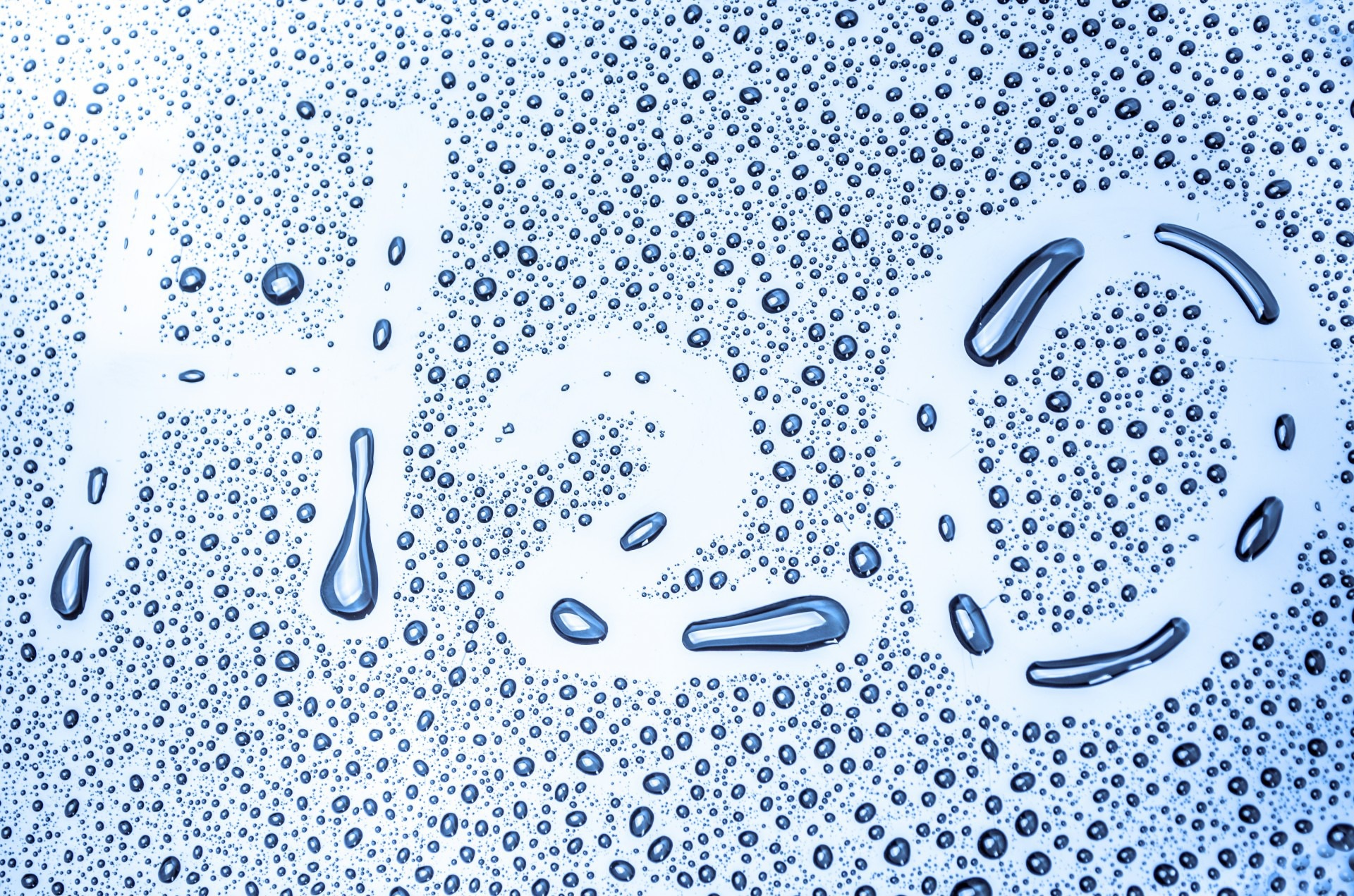
14
1
7
0
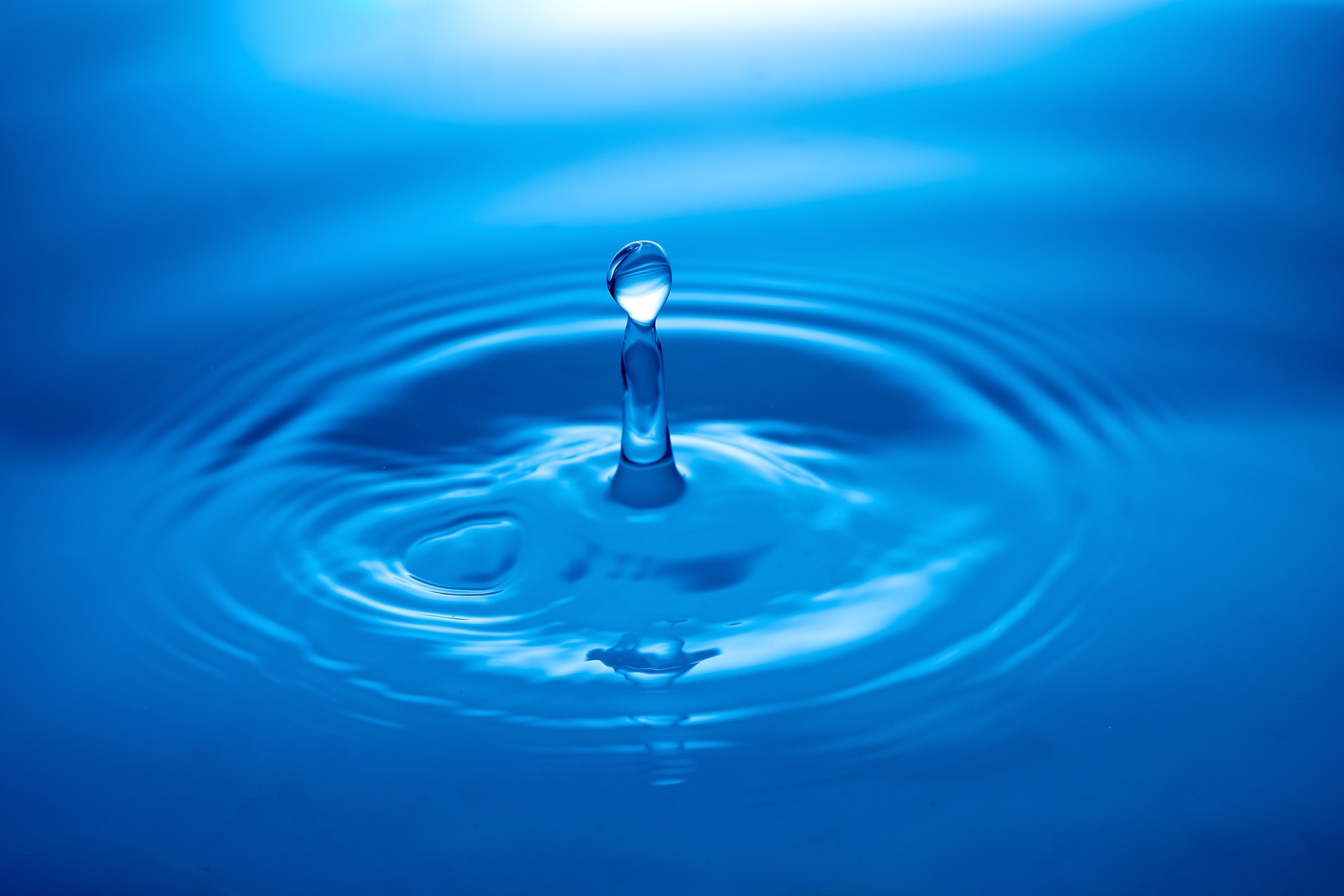
Water can produce Hydrogen ions.
Water can produce Hydroxide ions.
Water has a neutral pH.
Water can neutralize almost anything.
volume
mass
density
concentration
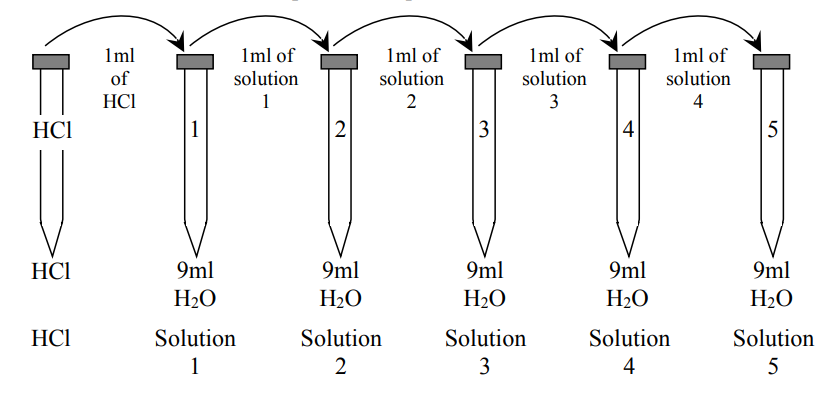
Neutralization.
Dissociation.
Serial Dilution.
Serial Concentration.
True
False
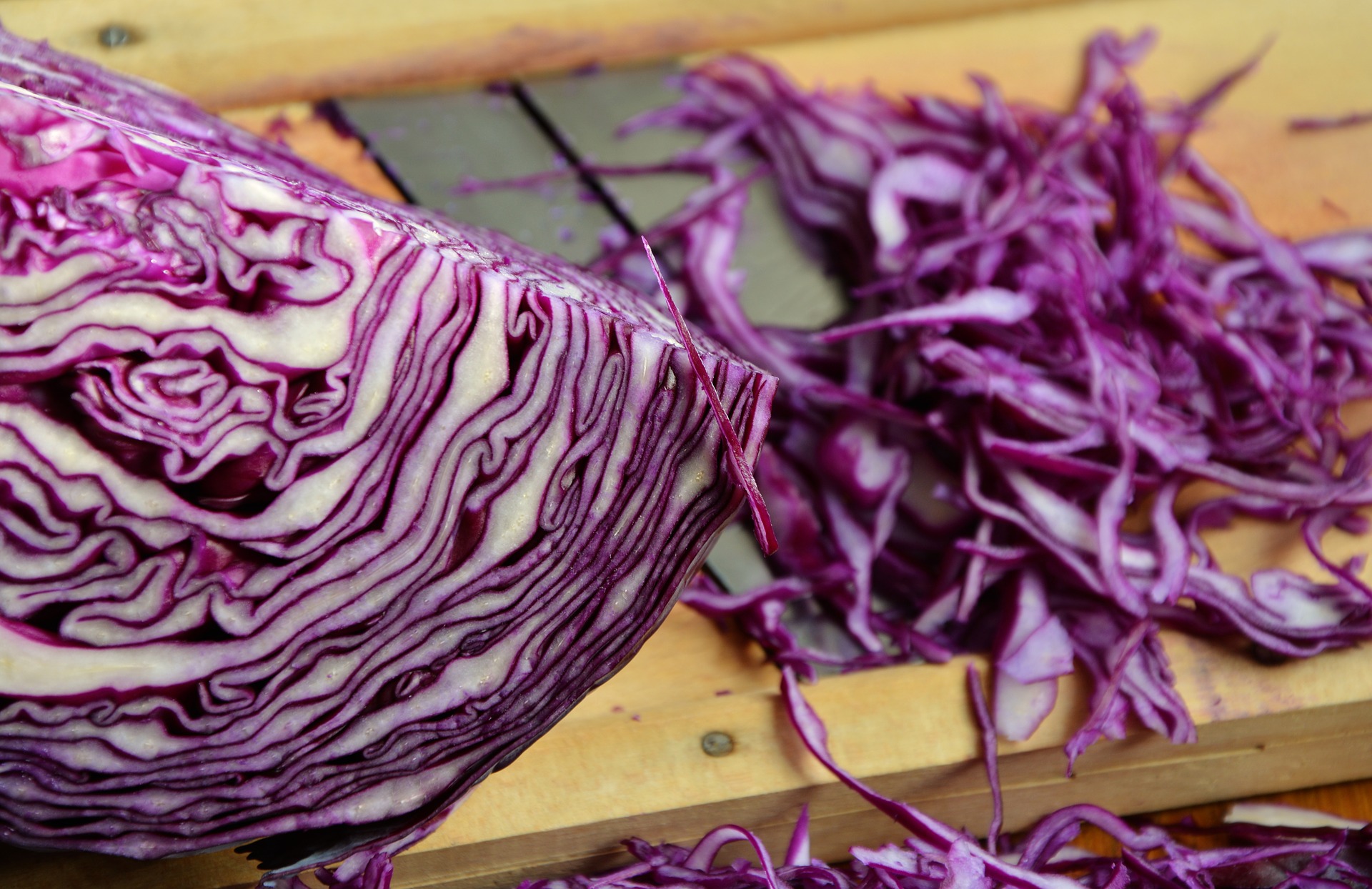
It would most likely turn blue-green.
It would most likely turn red.
It would most likely not change the color at all.
There's no way the color can be predicted.
Antacids are made from basic chemicals that release Hydroxide ions.
Hydroxide ions combine with the stomach acid's Hydrogen ions to make water.
Antacids are made of chalky chemicals that absorb the excess acid .
Antacids are made with a lot of water, which dilutes the acid in the stomach.
The water becomes acidic.
The water molecules become positively charged.
The water becomes more concentrated.
The Sodium hydroxide separates into two different ions.
atom
neon
compound
ion
The Hydrogen ions would be 100 times less concentrated.
The Hydrogen ions would be 10 times less concentrated.
The Hydrogen ions would be 10 times more concentrated.
The Hydrogen ions would be 1% less concentrated.
A neutralization reaction occurs.
The Hydrogen and Hydroxide ions combine to form water.
The water dilutes the acid and the base.
The pH comes closer to 7.
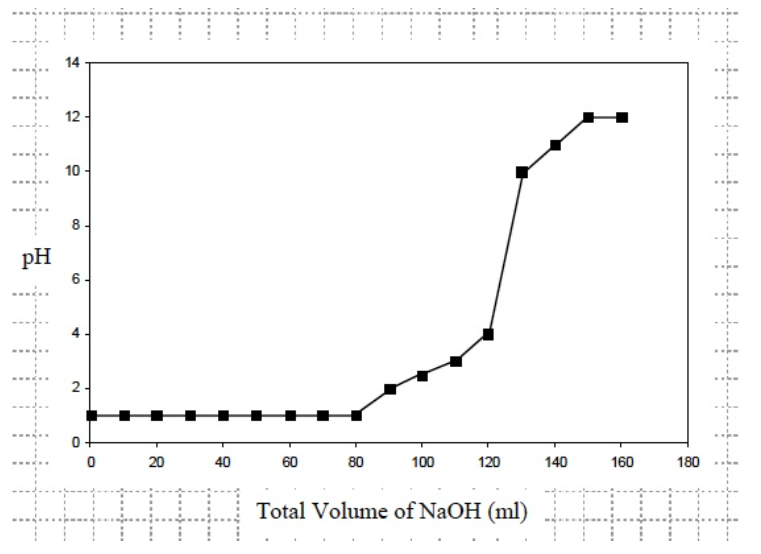
There is no way to tell, because the pH already went past 7.
Approximately 125 ml of Sodium hydroxide would be required.
Approximately 180 ml, because then the pH will decrease again.
100 ml would have been enough as long as you stirred the solution.
Acetic acid.
Ascorbic acid.
Carbonic acid.
Sulfuric acid.
Acids remove positive Hydrogen ions when mixed with water.
Acids contain various dissociated chemicals that react in solutions.
Acids release positive Hydrogen ions when mixed with water.
Acids form ionic bonds with other substances and change them.
The new solution's concentration would be 0.1N because it is 1/10 as strong as the original solution.
The new solution's concentration would be 0.5N because it is half as strong as the original soluti
The new solution's concentration would be 0.9N because 9 ml of water was used.
There would be no change. 1 ml is not a large enough sample.
True
False
Strong acid.
Weak acid.
Strong base.
Weak base.
True
False
Solvent
Ion
Atom
Metal
True
False
Acids produce Hydroxide ions which have a negative charge.
Acids produce Hydrogen ions which have a positive charge.
Bases produce Hydroxide ions which have a negative charge.
Bases produce Hydrogen ions which have a positive charge.
Soda would be with very strong acids and have a pH of 0-1.
Soda would be with acids but would have a medium pH of 3-4..
Soda would be neutral and have a pH close to 7.
Soda would be with very bases and have a pH of 13-14.
Soda would be with bases but would have a medium pH of 9-10.
True
False
Solvent
Ion
Atom
Metal
True
False
Acids produce Hydroxide ions which have a negative charge.
Acids produce Hydrogen ions which have a positive charge.
Bases produce Hydroxide ions which have a negative charge.
Bases produce Hydrogen ions which have a positive charge.
Soda would be with very strong acids and have a pH of 0-1.
Soda would be with acids but would have a medium pH of 3-4..
Soda would be neutral and have a pH close to 7.
Soda would be with very bases and have a pH of 13-14.
Soda would be with bases but would have a medium pH of 9-10.
True
False
Solvent
Ion
Atom
Metal
True
False
Acids produce Hydroxide ions which have a negative charge.
Acids produce Hydrogen ions which have a positive charge.
Bases produce Hydroxide ions which have a negative charge.
Bases produce Hydrogen ions which have a positive charge.
Soda would be with very strong acids and have a pH of 0-1.
Soda would be with acids but would have a medium pH of 3-4..
Soda would be neutral and have a pH close to 7.
Soda would be with very bases and have a pH of 13-14.
Soda would be with bases but would have a medium pH of 9-10.
True
False
True
False
True
False
People can only eat lemons and limes when their juice is mixed with sugar to neutralize the acid in them.
People have a range of pH levels they can tolerate, just like they can tolerate a range of temperatures.
After having something acidic like lemons or limes, people have to eat something basic to balance out the acids.
People can tolerate these acids because they already have stomach acid to help them digest lemons and limes.
The acid dissolves in water to produce hydrogen ions.
The acid dissolves in water to produce hydroxide ions.
The base dissolves in water to produce hydrogen ions.
The base dissolves in water to produce hydroxide ions.
A, B, C, D
C, B, A, D
D, B, A, C
C, B, D, A
The very high temperature of a substance.
The transfer of thermal energy.
The total amount of energy in a substance.
How high you turn on your oven.
Milligrams
Capacity
Joules
Newtons
True
False
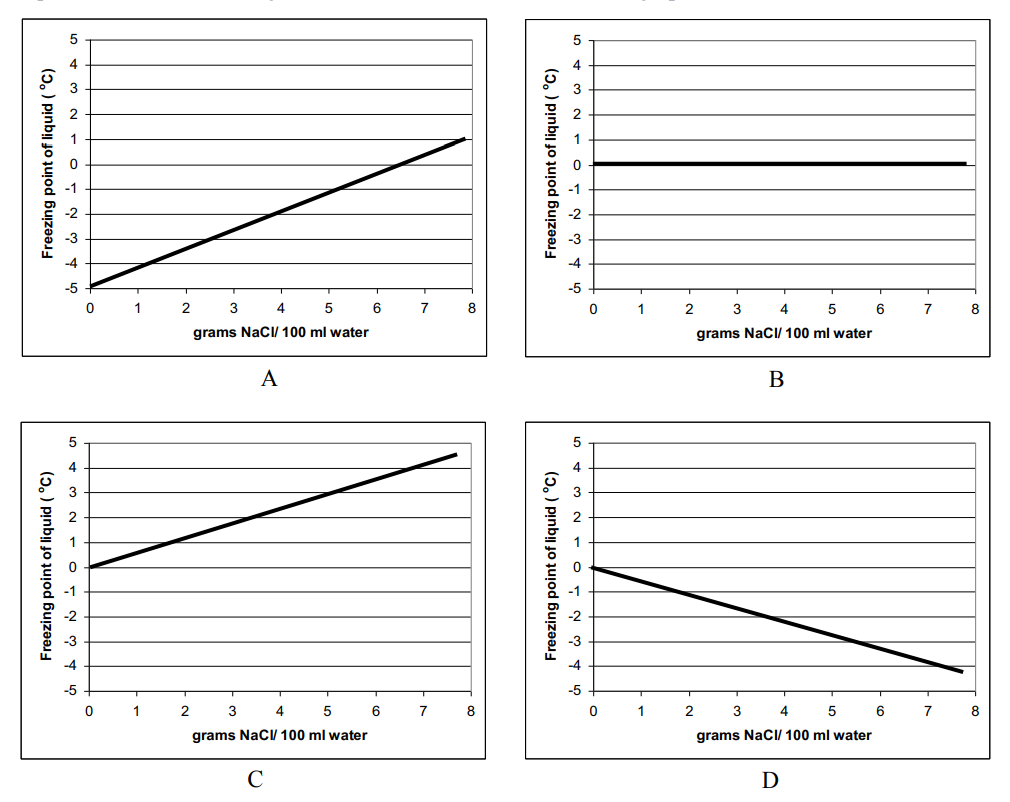
A.
B.
C.
D.
The liquid would expand.
The liquid would contract.
The liquid could become a gas.
The liquid could become a solid.
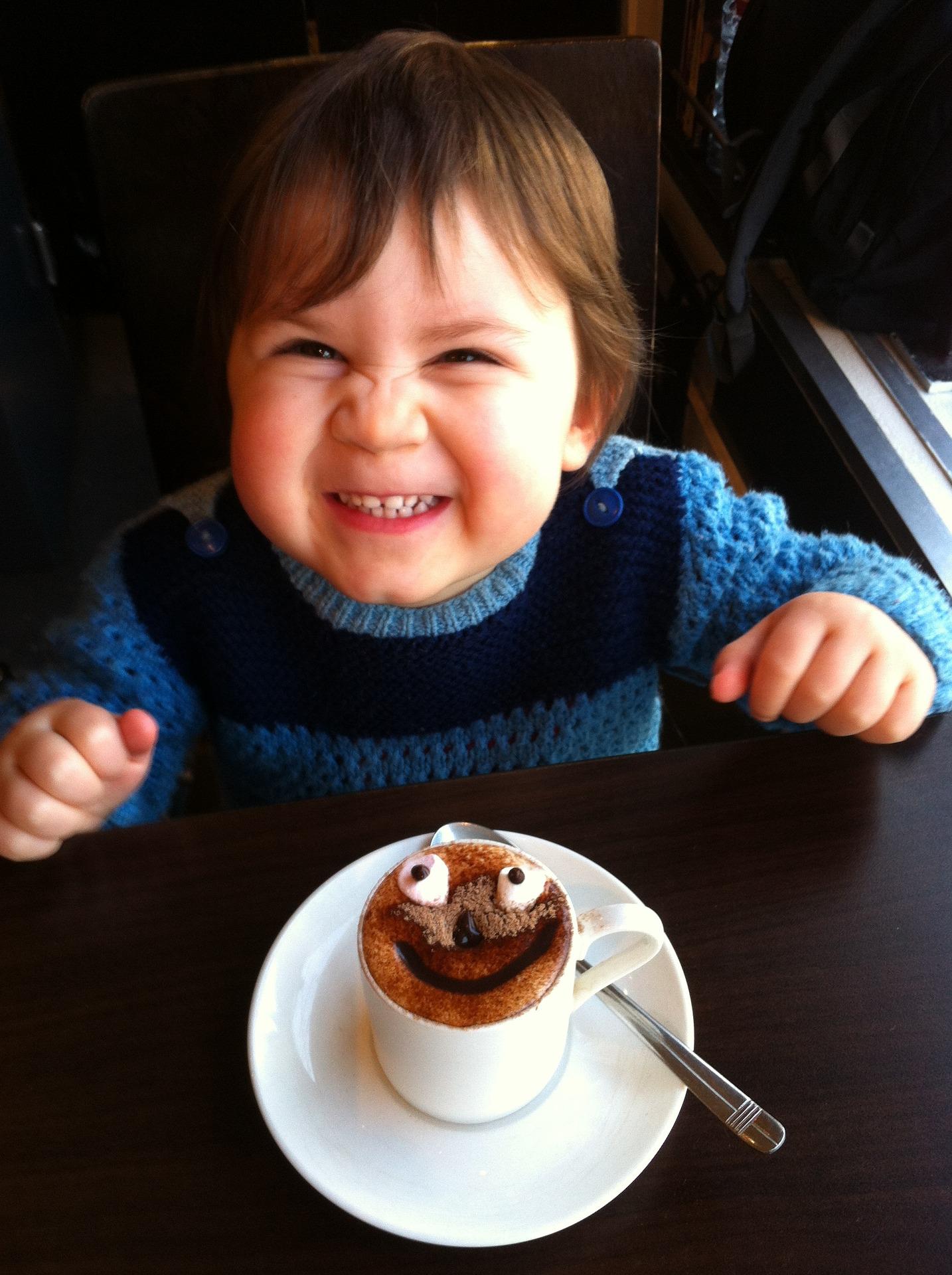
Low specific heat capacity, so the temperature of the cup will stay low.
Low specific heat capacity so the heat will transfer to the cup quickly and cool off the hot chocolate.
High specific heat capacity because the hot chocolate will stay hot longer.
High specific heat capacity because the cup will not absorb the heat as quickly, and it will be easier to hold the cup to drink.
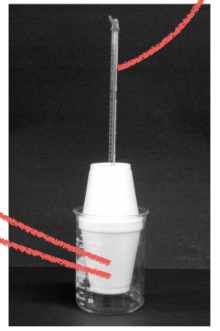
Water chamber
Thermometer
Joule
Calorimeter
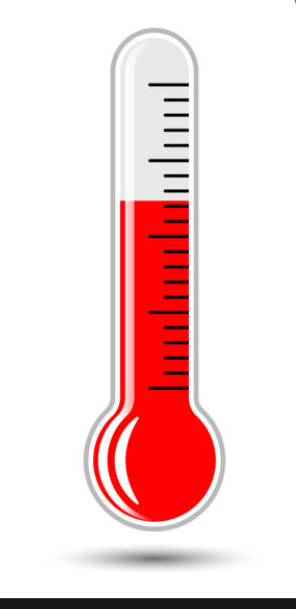
Potential energy
Expansion energy
Kinetic energy
Current energy
The transfer of kinetic energy from an area of high temperature to one of lower temperature.
The amount of heat needed to raise the temperature of 1 gram of a substance by 1 degree Celsius.
The total amount of heat that a substance can absorb and hold.
The temperature at which an object has absorbed too much heat and has to transfer it to something else.
When the kinetic energy of a liquid decreases, so does its temperature.
When the kinetic energy of a liquid decreases, the temperature stays constant.
When the kinetic energy of a liquid increases, its temperature increases too.
When the kinetic energy of a liquid increases, the temperature of the liquid doesn't change. It only expands.
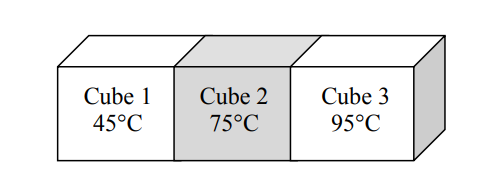
The heat will remain at equilibrium in cube 2.
The heat will transfer to cube 1.
The heat will transfer to cube 3.
The heat will transfer to both cube 1 and cube 3.
The kinetic energy of the water molecules decreases.
A change in the state of matter occurs.
New bonds are formed between the water molecules.
The increased kinetic energy causes the water molecules to move faster.
He should add more salt to both cups, and use cup A to measure the boiling point and cup B to measure the freezing point.
He should add more water to both cups and use cup A to measure the boiling point and cup B to measure the freezing point.
He should add more salt to cup A and use it to measure the boiling point. He should add more water to cup B and use it to measure the freezing point.
He should add more salt to cup A and use it to measure the freezing point. He should add more water to cup A and use it to measure the boiling point.
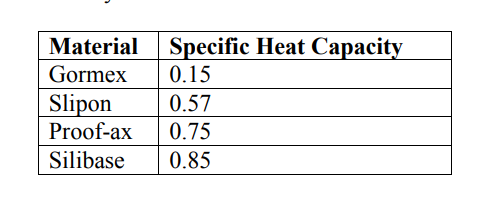
Gormex.
Slipon.
Proof-ax.
Silibase.
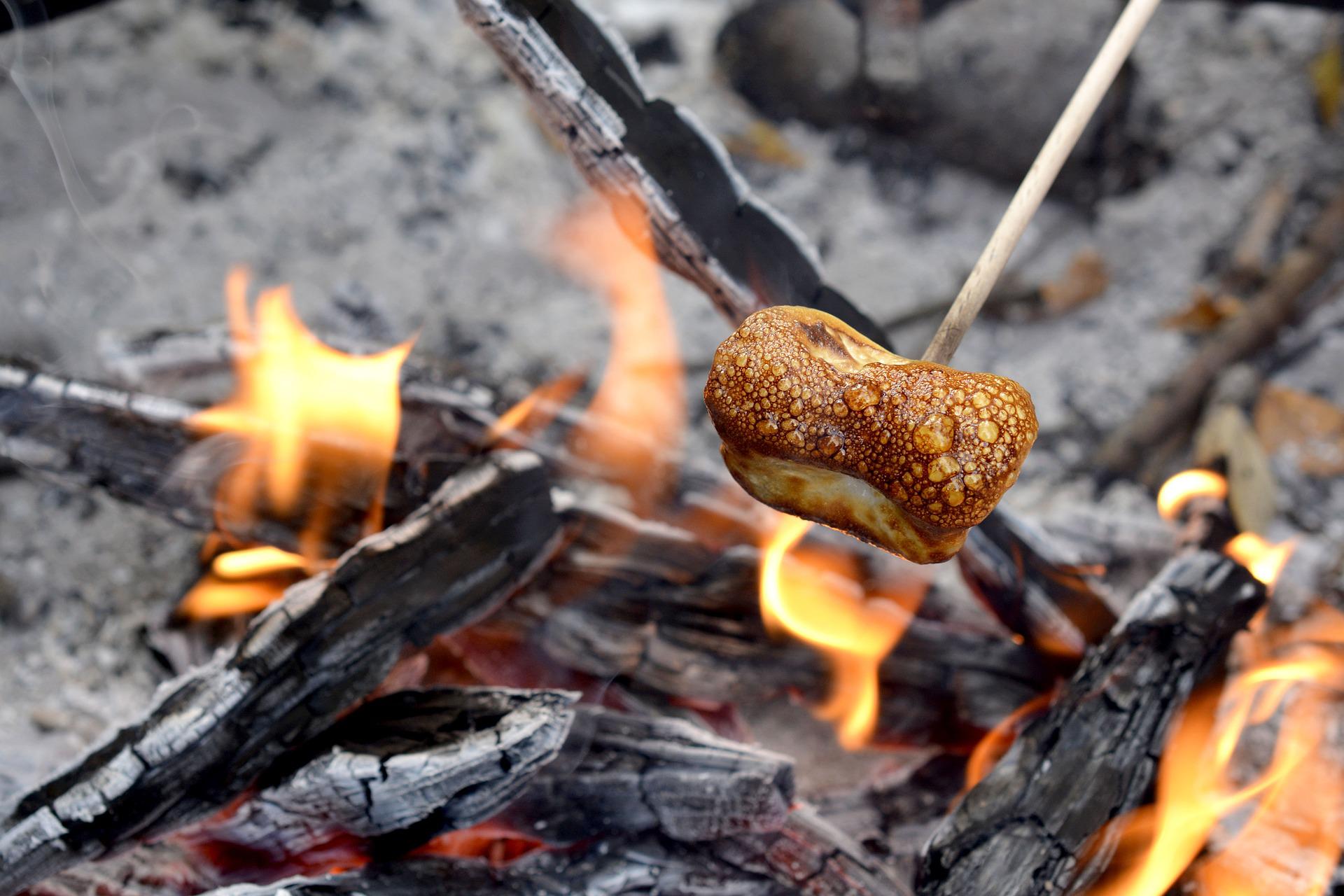
The heat from the fire is transferring into the air around the fire.
The cold air around the fire is causing it to burn lower.
The heat from the fire is transferring into the marshmallow, causing it to become toasted.
The stick is absorbing cool air from around the fire so it doesn't get too hot.

The liquid contracted, then contracted again, and then expanded.
The liquid contracted, then expanded, and then contracted more than in Trial 1.
The liquid expanded, then contracted, and then expanded more than in Trial 1.
The liquid expanded, then contracted, and then expanded less than in Trial 1.
Coldness from the cube was absorbed by the water.
The styrofoam cup absorbed some of the heat from the water.
The metal cube destroyed the heat energy in the water.
Heat from the water transferred to the metal cube.
State of matter
State of shock
State of equlibrium
None of these
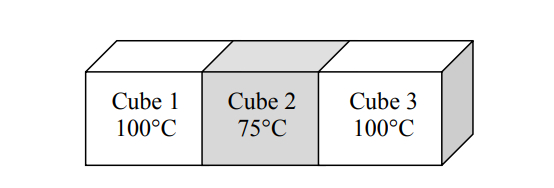
Cube 2 will maintain at its starting temperature.
Cube 2 will come to a higher temperature as heat transfers to it from cubes 1 and 3.
Cube 2 will get cooler.
There is no way to tell.
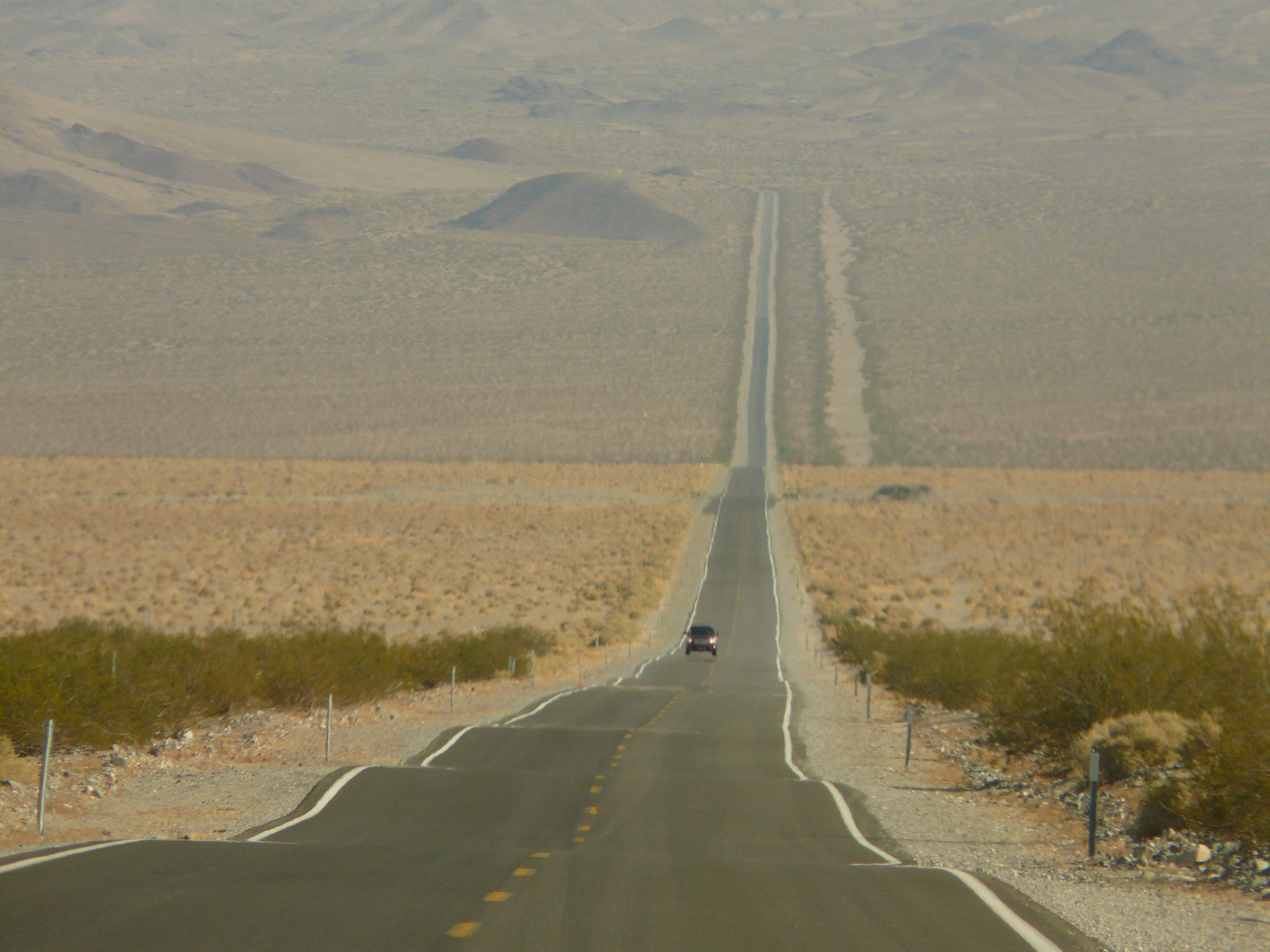
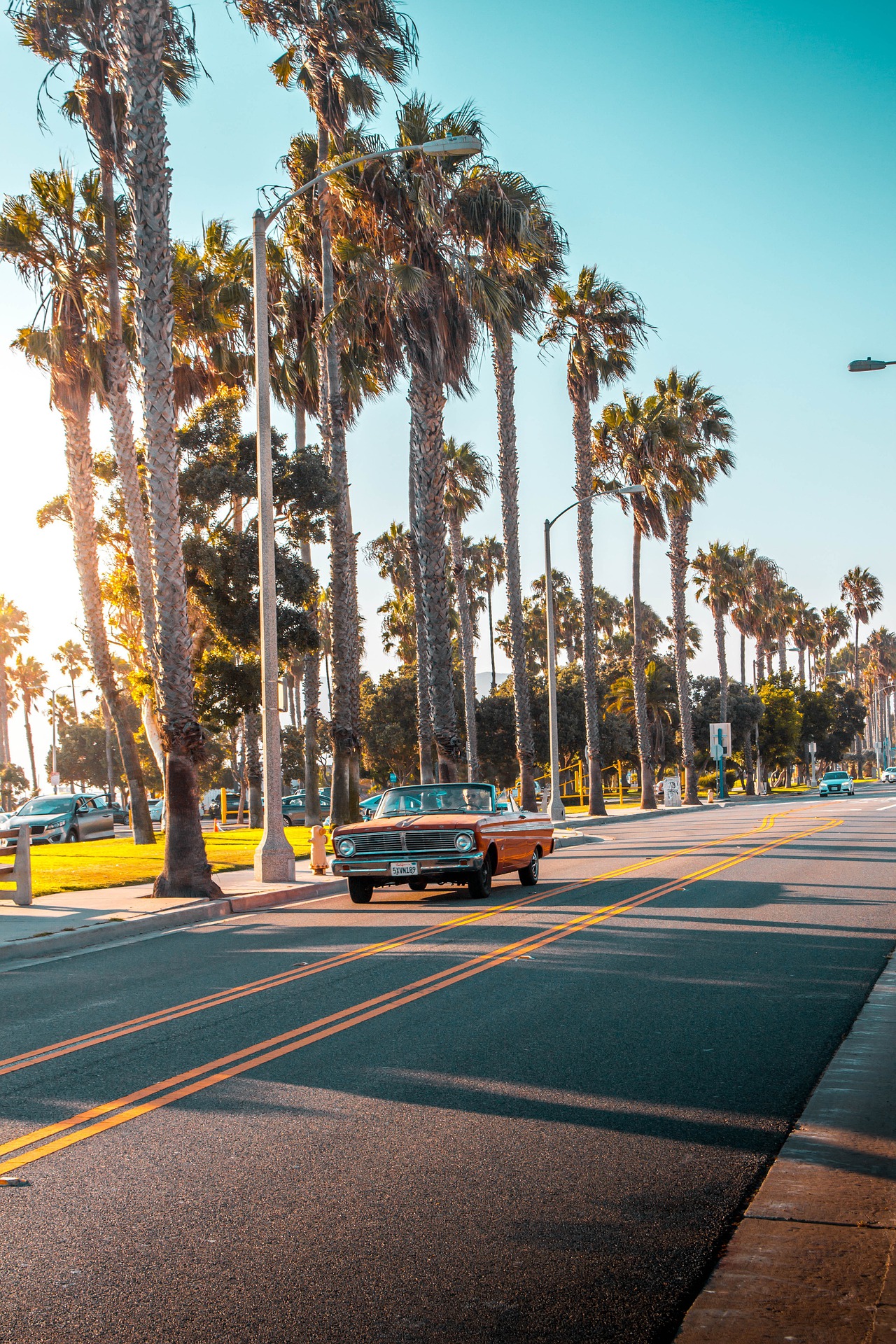
The road is actually shifting because of an earthquake.
The road is shifting because of the sand moving under it.
Over the years, animals have dug under the road and made it wiggly.
The air just above the road is so full of kinetic energy from the heat that the movement of the air appears to bend the road.
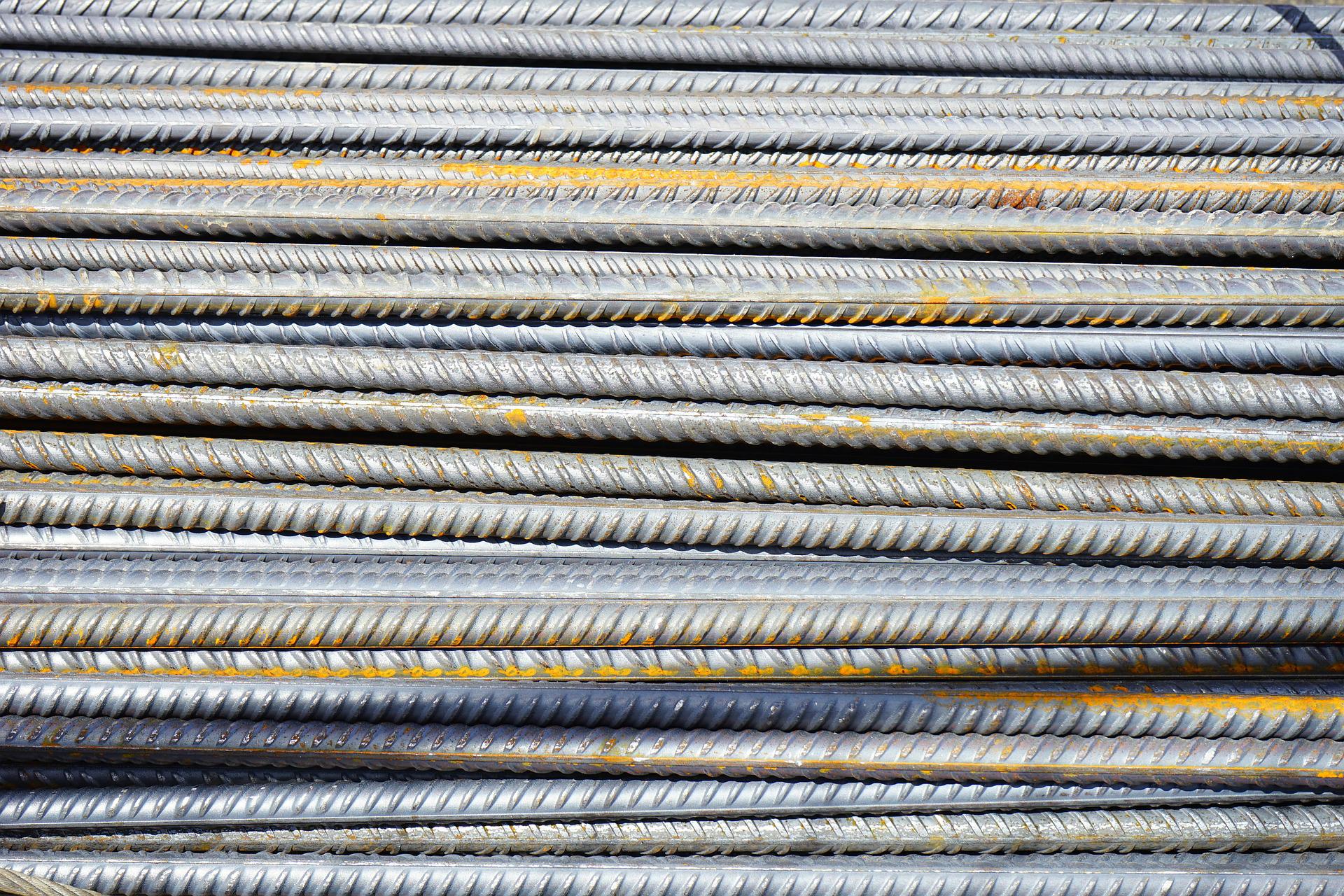
Gold, Iron.
Iron, Gold.
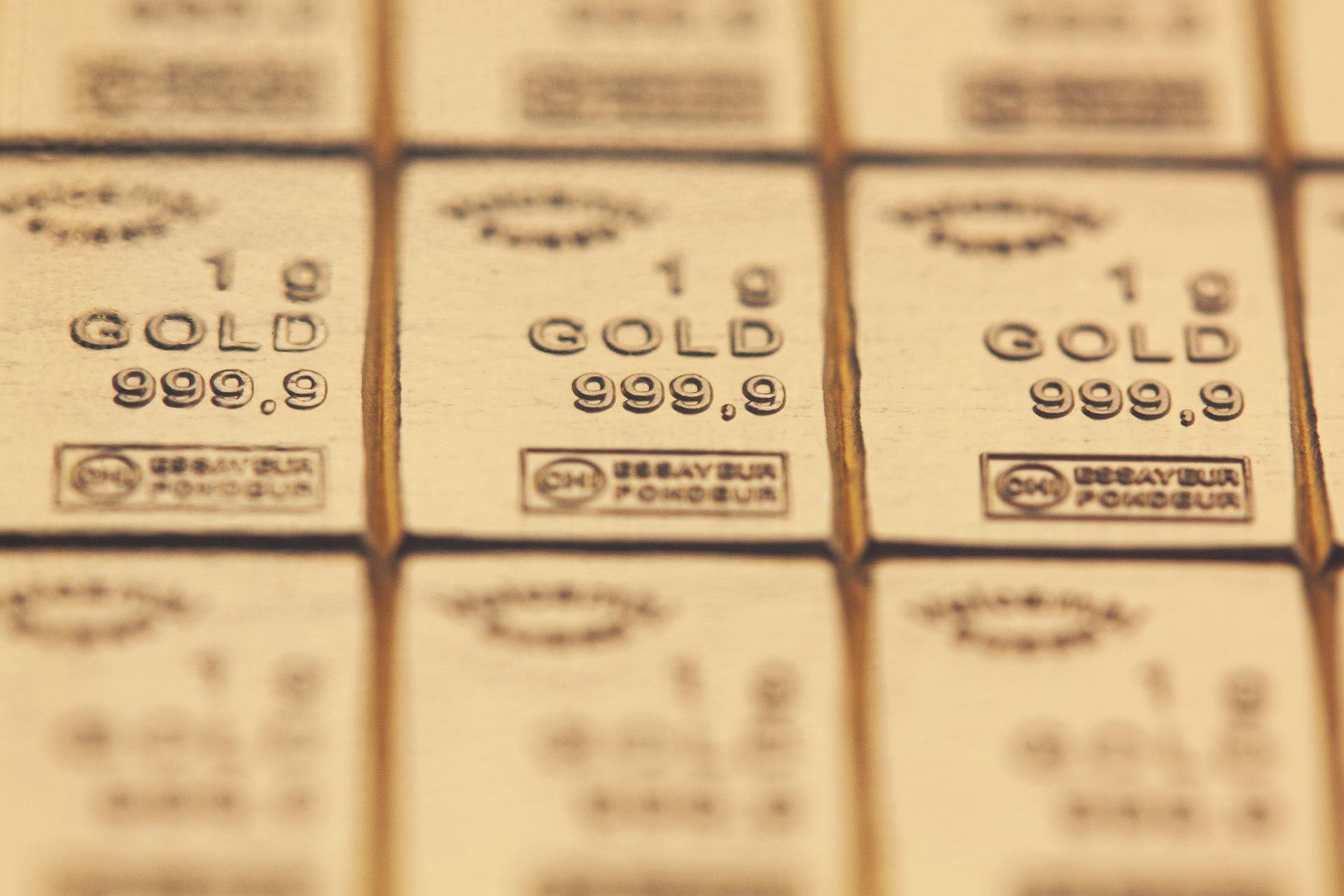
calorie
specific heat capacity
heat of combustion
specific heat index
Joules.
Degrees Celsius.
Newtons.
Degrees Fahrenheit.
Solid state
State of equilibrium
Inertial state
State of equivalence
First, multiply the mass of the solid times the change in temperature of the water. Then divide the product by the mass of the water times the change in temperature of the solid.
First, add the mass of the water and the mass of the solid. Then multiply the product by the changes in temperature added together.
First, multiply the mass of the water times the change in temperature of the water. Then divide the product by the mass of the solid times the change in temperature of the solid.
First, multiply the mass of the water times the change in temperature of the water. Then divide the product by the number of minutes it took for the temperature of the water to become steady.
True
False
The very high temperature of a substance.
The transfer of thermal energy.
The total amount of energy in a substance.
How high you turn on your oven.
Milligrams
Capacity
Joules
Newtons
True
False
A.
B.
C.
D.
The liquid would expand.
The liquid would contract.
The liquid could become a gas.
The liquid could become a solid.
Low specific heat capacity, so the temperature of the cup will stay low.
Low specific heat capacity so the heat will transfer to the cup quickly and cool off the hot chocolate.
High specific heat capacity because the hot chocolate will stay hot longer.
High specific heat capacity because the cup will not absorb the heat as quickly, and it will be easier to hold the cup to drink.
Water chamber
Thermometer
Joule
Calorimeter
Potential energy
Expansion energy
Kinetic energy
Current energy
The transfer of kinetic energy from an area of high temperature to one of lower temperature.
The amount of heat needed to raise the temperature of 1 gram of a substance by 1 degree Celsius.
The total amount of heat that a substance can absorb and hold.
The temperature at which an object has absorbed too much heat and has to transfer it to something else.
When the kinetic energy of a liquid decreases, so does its temperature.
When the kinetic energy of a liquid decreases, the temperature stays constant.
When the kinetic energy of a liquid increases, its temperature increases too.
When the kinetic energy of a liquid increases, the temperature of the liquid doesn't change. It only expands.
The heat will remain at equilibrium in cube 2.
The heat will transfer to cube 1.
The heat will transfer to cube 3.
The heat will transfer to both cube 1 and cube 3.
The kinetic energy of the water molecules decreases.
A change in the state of matter occurs.
New bonds are formed between the water molecules.
The increased kinetic energy causes the water molecules to move faster.
He should add more salt to both cups, and use cup A to measure the boiling point and cup B to measure the freezing point.
He should add more water to both cups and use cup A to measure the boiling point and cup B to measure the freezing point.
He should add more salt to cup A and use it to measure the boiling point. He should add more water to cup B and use it to measure the freezing point.
He should add more salt to cup A and use it to measure the freezing point. He should add more water to cup A and use it to measure the boiling point.
Gormex.
Slipon.
Proof-ax.
Silibase.
The heat from the fire is transferring into the air around the fire.
The cold air around the fire is causing it to burn lower.
The heat from the fire is transferring into the marshmallow, causing it to become toasted.
The stick is absorbing cool air from around the fire so it doesn't get too hot.
The liquid contracted, then contracted again, and then expanded.
The liquid contracted, then expanded, and then contracted more than in Trial 1.
The liquid expanded, then contracted, and then expanded more than in Trial 1.
The liquid expanded, then contracted, and then expanded less than in Trial 1.
Coldness from the cube was absorbed by the water.
The styrofoam cup absorbed some of the heat from the water.
The metal cube destroyed the heat energy in the water.
Heat from the water transferred to the metal cube.
State of matter
State of shock
State of equlibrium
None of these
Cube 2 will maintain at its starting temperature.
Cube 2 will come to a higher temperature as heat transfers to it from cubes 1 and 3.
Cube 2 will get cooler.
There is no way to tell.
The road is actually shifting because of an earthquake.
The road is shifting because of the sand moving under it.
Over the years, animals have dug under the road and made it wiggly.
The air just above the road is so full of kinetic energy from the heat that the movement of the air appears to bend the road.
The very high temperature of a substance.
The transfer of thermal energy.
The total amount of energy in a substance.
How high you turn on your oven.
Milligrams
Capacity
Joules
Newtons
True
False
A.
B.
C.
D.
The liquid would expand.
The liquid would contract.
The liquid could become a gas.
The liquid could become a solid.
Low specific heat capacity, so the temperature of the cup will stay low.
Low specific heat capacity so the heat will transfer to the cup quickly and cool off the hot chocolate.
High specific heat capacity because the hot chocolate will stay hot longer.
High specific heat capacity because the cup will not absorb the heat as quickly, and it will be easier to hold the cup to drink.
Water chamber
Thermometer
Joule
Calorimeter
Potential energy
Expansion energy
Kinetic energy
Current energy
The transfer of kinetic energy from an area of high temperature to one of lower temperature.
The amount of heat needed to raise the temperature of 1 gram of a substance by 1 degree Celsius.
The total amount of heat that a substance can absorb and hold.
The temperature at which an object has absorbed too much heat and has to transfer it to something else.
When the kinetic energy of a liquid decreases, so does its temperature.
When the kinetic energy of a liquid decreases, the temperature stays constant.
When the kinetic energy of a liquid increases, its temperature increases too.
When the kinetic energy of a liquid increases, the temperature of the liquid doesn't change. It only expands.
The heat will remain at equilibrium in cube 2.
The heat will transfer to cube 1.
The heat will transfer to cube 3.
The heat will transfer to both cube 1 and cube 3.
The kinetic energy of the water molecules decreases.
A change in the state of matter occurs.
New bonds are formed between the water molecules.
The increased kinetic energy causes the water molecules to move faster.
He should add more salt to both cups, and use cup A to measure the boiling point and cup B to measure the freezing point.
He should add more water to both cups and use cup A to measure the boiling point and cup B to measure the freezing point.
He should add more salt to cup A and use it to measure the boiling point. He should add more water to cup B and use it to measure the freezing point.
He should add more salt to cup A and use it to measure the freezing point. He should add more water to cup A and use it to measure the boiling point.
Gormex.
Slipon.
Proof-ax.
Silibase.
The heat from the fire is transferring into the air around the fire.
The cold air around the fire is causing it to burn lower.
The heat from the fire is transferring into the marshmallow, causing it to become toasted.
The stick is absorbing cool air from around the fire so it doesn't get too hot.
The liquid contracted, then contracted again, and then expanded.
The liquid contracted, then expanded, and then contracted more than in Trial 1.
The liquid expanded, then contracted, and then expanded more than in Trial 1.
The liquid expanded, then contracted, and then expanded less than in Trial 1.
Coldness from the cube was absorbed by the water.
The styrofoam cup absorbed some of the heat from the water.
The metal cube destroyed the heat energy in the water.
Heat from the water transferred to the metal cube.
State of matter
State of shock
State of equlibrium
None of these
Cube 2 will maintain at its starting temperature.
Cube 2 will come to a higher temperature as heat transfers to it from cubes 1 and 3.
Cube 2 will get cooler.
There is no way to tell.
The road is actually shifting because of an earthquake.
The road is shifting because of the sand moving under it.
Over the years, animals have dug under the road and made it wiggly.
The air just above the road is so full of kinetic energy from the heat that the movement of the air appears to bend the road.
The very high temperature of a substance.
The transfer of thermal energy.
The total amount of energy in a substance.
How high you turn on your oven.
Milligrams
Capacity
Joules
Newtons
True
False
A.
B.
C.
D.
The liquid would expand.
The liquid would contract.
The liquid could become a gas.
The liquid could become a solid.
Low specific heat capacity, so the temperature of the cup will stay low.
Low specific heat capacity so the heat will transfer to the cup quickly and cool off the hot chocolate.
High specific heat capacity because the hot chocolate will stay hot longer.
High specific heat capacity because the cup will not absorb the heat as quickly, and it will be easier to hold the cup to drink.
Water chamber
Thermometer
Joule
Calorimeter
Potential energy
Expansion energy
Kinetic energy
Current energy
The transfer of kinetic energy from an area of high temperature to one of lower temperature.
The amount of heat needed to raise the temperature of 1 gram of a substance by 1 degree Celsius.
The total amount of heat that a substance can absorb and hold.
The temperature at which an object has absorbed too much heat and has to transfer it to something else.
When the kinetic energy of a liquid decreases, so does its temperature.
When the kinetic energy of a liquid decreases, the temperature stays constant.
When the kinetic energy of a liquid increases, its temperature increases too.
When the kinetic energy of a liquid increases, the temperature of the liquid doesn't change. It only expands.
The heat will remain at equilibrium in cube 2.
The heat will transfer to cube 1.
The heat will transfer to cube 3.
The heat will transfer to both cube 1 and cube 3.
The kinetic energy of the water molecules decreases.
A change in the state of matter occurs.
New bonds are formed between the water molecules.
The increased kinetic energy causes the water molecules to move faster.
He should add more salt to both cups, and use cup A to measure the boiling point and cup B to measure the freezing point.
He should add more water to both cups and use cup A to measure the boiling point and cup B to measure the freezing point.
He should add more salt to cup A and use it to measure the boiling point. He should add more water to cup B and use it to measure the freezing point.
He should add more salt to cup A and use it to measure the freezing point. He should add more water to cup A and use it to measure the boiling point.
Gormex.
Slipon.
Proof-ax.
Silibase.
The heat from the fire is transferring into the air around the fire.
The cold air around the fire is causing it to burn lower.
The heat from the fire is transferring into the marshmallow, causing it to become toasted.
The stick is absorbing cool air from around the fire so it doesn't get too hot.
The liquid contracted, then contracted again, and then expanded.
The liquid contracted, then expanded, and then contracted more than in Trial 1.
The liquid expanded, then contracted, and then expanded more than in Trial 1.
The liquid expanded, then contracted, and then expanded less than in Trial 1.
Coldness from the cube was absorbed by the water.
The styrofoam cup absorbed some of the heat from the water.
The metal cube destroyed the heat energy in the water.
Heat from the water transferred to the metal cube.
State of matter
State of shock
State of equlibrium
None of these
Cube 2 will maintain at its starting temperature.
Cube 2 will come to a higher temperature as heat transfers to it from cubes 1 and 3.
Cube 2 will get cooler.
There is no way to tell.
The road is actually shifting because of an earthquake.
The road is shifting because of the sand moving under it.
Over the years, animals have dug under the road and made it wiggly.
The air just above the road is so full of kinetic energy from the heat that the movement of the air appears to bend the road.
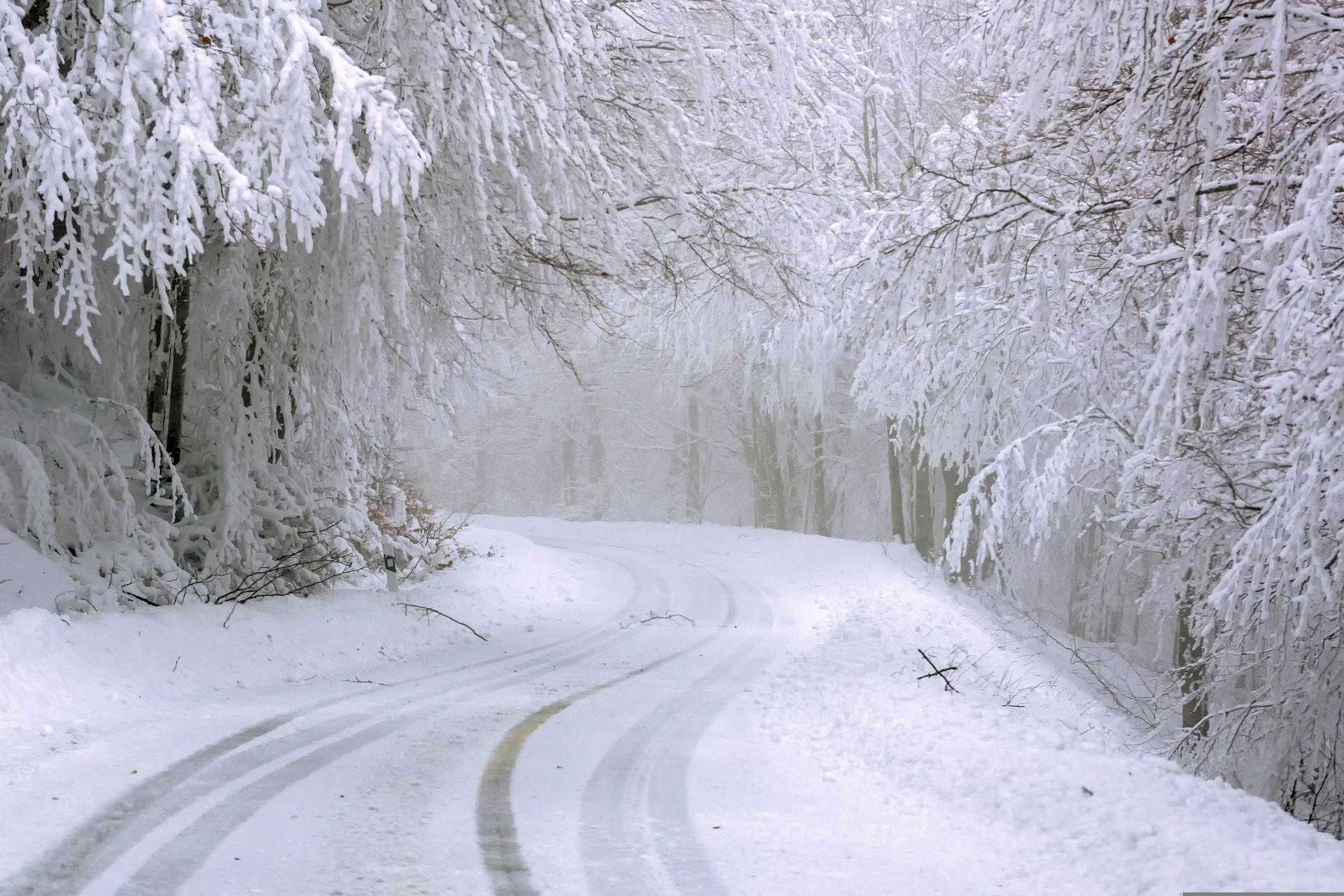
Salt causes the ice to melt because it increases the temperature at which it will freeze.
Salt causes the ice to melt because it lowers the temperature at which it will freeze.
Salt causes the ice to melt because it increases the temperature of the road.
None of the above answers are correct.
Freezing point depression.
Freezing point elevation.
Boiling point depression.
Boiling point elevation.
Gold, Iron.
Iron, Gold.
calorie
specific heat capacity
heat of combustion
specific heat index
Joules.
Degrees Celsius.
Newtons.
Degrees Fahrenheit.
Solid state
State of equilibrium
Inertial state
State of equivalence
First, multiply the mass of the solid times the change in temperature of the water. Then divide the product by the mass of the water times the change in temperature of the solid.
First, add the mass of the water and the mass of the solid. Then multiply the product by the changes in temperature added together.
First, multiply the mass of the water times the change in temperature of the water. Then divide the product by the mass of the solid times the change in temperature of the solid.
First, multiply the mass of the water times the change in temperature of the water. Then divide the product by the number of minutes it took for the temperature of the water to become steady.
True
False
The very high temperature of a substance.
The transfer of thermal energy.
The total amount of energy in a substance.
How high you turn on your oven.
Milligrams
Capacity
Joules
Newtons
True
False
A.
B.
C.
D.
The liquid would expand.
The liquid would contract.
The liquid could become a gas.
The liquid could become a solid.
Low specific heat capacity, so the temperature of the cup will stay low.
Low specific heat capacity so the heat will transfer to the cup quickly and cool off the hot chocolate.
High specific heat capacity because the hot chocolate will stay hot longer.
High specific heat capacity because the cup will not absorb the heat as quickly, and it will be easier to hold the cup to drink.
Water chamber
Thermometer
Joule
Calorimeter
Potential energy
Expansion energy
Kinetic energy
Current energy
The transfer of kinetic energy from an area of high temperature to one of lower temperature.
The amount of heat needed to raise the temperature of 1 gram of a substance by 1 degree Celsius.
The total amount of heat that a substance can absorb and hold.
The temperature at which an object has absorbed too much heat and has to transfer it to something else.
When the kinetic energy of a liquid decreases, so does its temperature.
When the kinetic energy of a liquid decreases, the temperature stays constant.
When the kinetic energy of a liquid increases, its temperature increases too.
When the kinetic energy of a liquid increases, the temperature of the liquid doesn't change. It only expands.
The heat will remain at equilibrium in cube 2.
The heat will transfer to cube 1.
The heat will transfer to cube 3.
The heat will transfer to both cube 1 and cube 3.
The kinetic energy of the water molecules decreases.
A change in the state of matter occurs.
New bonds are formed between the water molecules.
The increased kinetic energy causes the water molecules to move faster.
He should add more salt to both cups, and use cup A to measure the boiling point and cup B to measure the freezing point.
He should add more water to both cups and use cup A to measure the boiling point and cup B to measure the freezing point.
He should add more salt to cup A and use it to measure the boiling point. He should add more water to cup B and use it to measure the freezing point.
He should add more salt to cup A and use it to measure the freezing point. He should add more water to cup A and use it to measure the boiling point.
Gormex.
Slipon.
Proof-ax.
Silibase.
The heat from the fire is transferring into the air around the fire.
The cold air around the fire is causing it to burn lower.
The heat from the fire is transferring into the marshmallow, causing it to become toasted.
The stick is absorbing cool air from around the fire so it doesn't get too hot.
The liquid contracted, then contracted again, and then expanded.
The liquid contracted, then expanded, and then contracted more than in Trial 1.
The liquid expanded, then contracted, and then expanded more than in Trial 1.
The liquid expanded, then contracted, and then expanded less than in Trial 1.
Coldness from the cube was absorbed by the water.
The styrofoam cup absorbed some of the heat from the water.
The metal cube destroyed the heat energy in the water.
Heat from the water transferred to the metal cube.
State of matter
State of shock
State of equlibrium
None of these
Cube 2 will maintain at its starting temperature.
Cube 2 will come to a higher temperature as heat transfers to it from cubes 1 and 3.
Cube 2 will get cooler.
There is no way to tell.
The road is actually shifting because of an earthquake.
The road is shifting because of the sand moving under it.
Over the years, animals have dug under the road and made it wiggly.
The air just above the road is so full of kinetic energy from the heat that the movement of the air appears to bend the road.
Salt causes the ice to melt because it increases the temperature at which it will freeze.
Salt causes the ice to melt because it lowers the temperature at which it will freeze.
Salt causes the ice to melt because it increases the temperature of the road.
None of the above answers are correct.
Freezing point depression.
Freezing point elevation.
Boiling point depression.
Boiling point elevation.
Gold, Iron.
Iron, Gold.
calorie
specific heat capacity
heat of combustion
specific heat index
Joules.
Degrees Celsius.
Newtons.
Degrees Fahrenheit.
Solid state
State of equilibrium
Inertial state
State of equivalence
First, multiply the mass of the solid times the change in temperature of the water. Then divide the product by the mass of the water times the change in temperature of the solid.
First, add the mass of the water and the mass of the solid. Then multiply the product by the changes in temperature added together.
First, multiply the mass of the water times the change in temperature of the water. Then divide the product by the mass of the solid times the change in temperature of the solid.
First, multiply the mass of the water times the change in temperature of the water. Then divide the product by the number of minutes it took for the temperature of the water to become steady.
True
False
The very high temperature of a substance.
The transfer of thermal energy.
The total amount of energy in a substance.
How high you turn on your oven.
Milligrams
Capacity
Joules
Newtons
True
False
A.
B.
C.
D.
The liquid would expand.
The liquid would contract.
The liquid could become a gas.
The liquid could become a solid.
Low specific heat capacity, so the temperature of the cup will stay low.
Low specific heat capacity so the heat will transfer to the cup quickly and cool off the hot chocolate.
High specific heat capacity because the hot chocolate will stay hot longer.
High specific heat capacity because the cup will not absorb the heat as quickly, and it will be easier to hold the cup to drink.
Water chamber
Thermometer
Joule
Calorimeter
Potential energy
Expansion energy
Kinetic energy
Current energy
The transfer of kinetic energy from an area of high temperature to one of lower temperature.
The amount of heat needed to raise the temperature of 1 gram of a substance by 1 degree Celsius.
The total amount of heat that a substance can absorb and hold.
The temperature at which an object has absorbed too much heat and has to transfer it to something else.
When the kinetic energy of a liquid decreases, so does its temperature.
When the kinetic energy of a liquid decreases, the temperature stays constant.
When the kinetic energy of a liquid increases, its temperature increases too.
When the kinetic energy of a liquid increases, the temperature of the liquid doesn't change. It only expands.
The heat will remain at equilibrium in cube 2.
The heat will transfer to cube 1.
The heat will transfer to cube 3.
The heat will transfer to both cube 1 and cube 3.
The kinetic energy of the water molecules decreases.
A change in the state of matter occurs.
New bonds are formed between the water molecules.
The increased kinetic energy causes the water molecules to move faster.
He should add more salt to both cups, and use cup A to measure the boiling point and cup B to measure the freezing point.
He should add more water to both cups and use cup A to measure the boiling point and cup B to measure the freezing point.
He should add more salt to cup A and use it to measure the boiling point. He should add more water to cup B and use it to measure the freezing point.
He should add more salt to cup A and use it to measure the freezing point. He should add more water to cup A and use it to measure the boiling point.
Gormex.
Slipon.
Proof-ax.
Silibase.
The heat from the fire is transferring into the air around the fire.
The cold air around the fire is causing it to burn lower.
The heat from the fire is transferring into the marshmallow, causing it to become toasted.
The stick is absorbing cool air from around the fire so it doesn't get too hot.
The liquid contracted, then contracted again, and then expanded.
The liquid contracted, then expanded, and then contracted more than in Trial 1.
The liquid expanded, then contracted, and then expanded more than in Trial 1.
The liquid expanded, then contracted, and then expanded less than in Trial 1.
Coldness from the cube was absorbed by the water.
The styrofoam cup absorbed some of the heat from the water.
The metal cube destroyed the heat energy in the water.
Heat from the water transferred to the metal cube.
State of matter
State of shock
State of equlibrium
None of these
Cube 2 will maintain at its starting temperature.
Cube 2 will come to a higher temperature as heat transfers to it from cubes 1 and 3.
Cube 2 will get cooler.
There is no way to tell.
The road is actually shifting because of an earthquake.
The road is shifting because of the sand moving under it.
Over the years, animals have dug under the road and made it wiggly.
The air just above the road is so full of kinetic energy from the heat that the movement of the air appears to bend the road.
The very high temperature of a substance.
The transfer of thermal energy.
The total amount of energy in a substance.
How high you turn on your oven.
Milligrams
Capacity
Joules
Newtons
True
False
A.
B.
C.
D.
The liquid would expand.
The liquid would contract.
The liquid could become a gas.
The liquid could become a solid.
Low specific heat capacity, so the temperature of the cup will stay low.
Low specific heat capacity so the heat will transfer to the cup quickly and cool off the hot chocolate.
High specific heat capacity because the hot chocolate will stay hot longer.
High specific heat capacity because the cup will not absorb the heat as quickly, and it will be easier to hold the cup to drink.
Water chamber
Thermometer
Joule
Calorimeter
Potential energy
Expansion energy
Kinetic energy
Current energy
The transfer of kinetic energy from an area of high temperature to one of lower temperature.
The amount of heat needed to raise the temperature of 1 gram of a substance by 1 degree Celsius.
The total amount of heat that a substance can absorb and hold.
The temperature at which an object has absorbed too much heat and has to transfer it to something else.
When the kinetic energy of a liquid decreases, so does its temperature.
When the kinetic energy of a liquid decreases, the temperature stays constant.
When the kinetic energy of a liquid increases, its temperature increases too.
When the kinetic energy of a liquid increases, the temperature of the liquid doesn't change. It only expands.
The heat will remain at equilibrium in cube 2.
The heat will transfer to cube 1.
The heat will transfer to cube 3.
The heat will transfer to both cube 1 and cube 3.
The kinetic energy of the water molecules decreases.
A change in the state of matter occurs.
New bonds are formed between the water molecules.
The increased kinetic energy causes the water molecules to move faster.
He should add more salt to both cups, and use cup A to measure the boiling point and cup B to measure the freezing point.
He should add more water to both cups and use cup A to measure the boiling point and cup B to measure the freezing point.
He should add more salt to cup A and use it to measure the boiling point. He should add more water to cup B and use it to measure the freezing point.
He should add more salt to cup A and use it to measure the freezing point. He should add more water to cup A and use it to measure the boiling point.
Gormex.
Slipon.
Proof-ax.
Silibase.
The heat from the fire is transferring into the air around the fire.
The cold air around the fire is causing it to burn lower.
The heat from the fire is transferring into the marshmallow, causing it to become toasted.
The stick is absorbing cool air from around the fire so it doesn't get too hot.
The liquid contracted, then contracted again, and then expanded.
The liquid contracted, then expanded, and then contracted more than in Trial 1.
The liquid expanded, then contracted, and then expanded more than in Trial 1.
The liquid expanded, then contracted, and then expanded less than in Trial 1.
Coldness from the cube was absorbed by the water.
The styrofoam cup absorbed some of the heat from the water.
The metal cube destroyed the heat energy in the water.
Heat from the water transferred to the metal cube.
State of matter
State of shock
State of equlibrium
None of these
Cube 2 will maintain at its starting temperature.
Cube 2 will come to a higher temperature as heat transfers to it from cubes 1 and 3.
Cube 2 will get cooler.
There is no way to tell.
The road is actually shifting because of an earthquake.
The road is shifting because of the sand moving under it.
Over the years, animals have dug under the road and made it wiggly.
The air just above the road is so full of kinetic energy from the heat that the movement of the air appears to bend the road.
Salt causes the ice to melt because it increases the temperature at which it will freeze.
Salt causes the ice to melt because it lowers the temperature at which it will freeze.
Salt causes the ice to melt because it increases the temperature of the road.
None of the above answers are correct.
Freezing point depression.
Freezing point elevation.
Boiling point depression.
Boiling point elevation.
The very high temperature of a substance.
The transfer of thermal energy.
The total amount of energy in a substance.
How high you turn on your oven.
Milligrams
Capacity
Joules
Newtons
True
False
A.
B.
C.
D.
The liquid would expand.
The liquid would contract.
The liquid could become a gas.
The liquid could become a solid.
Low specific heat capacity, so the temperature of the cup will stay low.
Low specific heat capacity so the heat will transfer to the cup quickly and cool off the hot chocolate.
High specific heat capacity because the hot chocolate will stay hot longer.
High specific heat capacity because the cup will not absorb the heat as quickly, and it will be easier to hold the cup to drink.
Water chamber
Thermometer
Joule
Calorimeter
Potential energy
Expansion energy
Kinetic energy
Current energy
The transfer of kinetic energy from an area of high temperature to one of lower temperature.
The amount of heat needed to raise the temperature of 1 gram of a substance by 1 degree Celsius.
The total amount of heat that a substance can absorb and hold.
The temperature at which an object has absorbed too much heat and has to transfer it to something else.
When the kinetic energy of a liquid decreases, so does its temperature.
When the kinetic energy of a liquid decreases, the temperature stays constant.
When the kinetic energy of a liquid increases, its temperature increases too.
When the kinetic energy of a liquid increases, the temperature of the liquid doesn't change. It only expands.
The heat will remain at equilibrium in cube 2.
The heat will transfer to cube 1.
The heat will transfer to cube 3.
The heat will transfer to both cube 1 and cube 3.
The kinetic energy of the water molecules decreases.
A change in the state of matter occurs.
New bonds are formed between the water molecules.
The increased kinetic energy causes the water molecules to move faster.
He should add more salt to both cups, and use cup A to measure the boiling point and cup B to measure the freezing point.
He should add more water to both cups and use cup A to measure the boiling point and cup B to measure the freezing point.
He should add more salt to cup A and use it to measure the boiling point. He should add more water to cup B and use it to measure the freezing point.
He should add more salt to cup A and use it to measure the freezing point. He should add more water to cup A and use it to measure the boiling point.
Gormex.
Slipon.
Proof-ax.
Silibase.
The heat from the fire is transferring into the air around the fire.
The cold air around the fire is causing it to burn lower.
The heat from the fire is transferring into the marshmallow, causing it to become toasted.
The stick is absorbing cool air from around the fire so it doesn't get too hot.
The liquid contracted, then contracted again, and then expanded.
The liquid contracted, then expanded, and then contracted more than in Trial 1.
The liquid expanded, then contracted, and then expanded more than in Trial 1.
The liquid expanded, then contracted, and then expanded less than in Trial 1.
Coldness from the cube was absorbed by the water.
The styrofoam cup absorbed some of the heat from the water.
The metal cube destroyed the heat energy in the water.
Heat from the water transferred to the metal cube.
State of matter
State of shock
State of equlibrium
None of these
Cube 2 will maintain at its starting temperature.
Cube 2 will come to a higher temperature as heat transfers to it from cubes 1 and 3.
Cube 2 will get cooler.
There is no way to tell.
The road is actually shifting because of an earthquake.
The road is shifting because of the sand moving under it.
Over the years, animals have dug under the road and made it wiggly.
The air just above the road is so full of kinetic energy from the heat that the movement of the air appears to bend the road.
Salt causes the ice to melt because it increases the temperature at which it will freeze.
Salt causes the ice to melt because it lowers the temperature at which it will freeze.
Salt causes the ice to melt because it increases the temperature of the road.
None of the above answers are correct.
Freezing point depression.
Freezing point elevation.
Boiling point depression.
Boiling point elevation.
The very high temperature of a substance.
The transfer of thermal energy.
The total amount of energy in a substance.
How high you turn on your oven.
Milligrams
Capacity
Joules
Newtons
True
False
A.
B.
C.
D.
The liquid would expand.
The liquid would contract.
The liquid could become a gas.
The liquid could become a solid.
Low specific heat capacity, so the temperature of the cup will stay low.
Low specific heat capacity so the heat will transfer to the cup quickly and cool off the hot chocolate.
High specific heat capacity because the hot chocolate will stay hot longer.
High specific heat capacity because the cup will not absorb the heat as quickly, and it will be easier to hold the cup to drink.
Water chamber
Thermometer
Joule
Calorimeter
Potential energy
Expansion energy
Kinetic energy
Current energy
The transfer of kinetic energy from an area of high temperature to one of lower temperature.
The amount of heat needed to raise the temperature of 1 gram of a substance by 1 degree Celsius.
The total amount of heat that a substance can absorb and hold.
The temperature at which an object has absorbed too much heat and has to transfer it to something else.
When the kinetic energy of a liquid decreases, so does its temperature.
When the kinetic energy of a liquid decreases, the temperature stays constant.
When the kinetic energy of a liquid increases, its temperature increases too.
When the kinetic energy of a liquid increases, the temperature of the liquid doesn't change. It only expands.
The heat will remain at equilibrium in cube 2.
The heat will transfer to cube 1.
The heat will transfer to cube 3.
The heat will transfer to both cube 1 and cube 3.
The kinetic energy of the water molecules decreases.
A change in the state of matter occurs.
New bonds are formed between the water molecules.
The increased kinetic energy causes the water molecules to move faster.
He should add more salt to both cups, and use cup A to measure the boiling point and cup B to measure the freezing point.
He should add more water to both cups and use cup A to measure the boiling point and cup B to measure the freezing point.
He should add more salt to cup A and use it to measure the boiling point. He should add more water to cup B and use it to measure the freezing point.
He should add more salt to cup A and use it to measure the freezing point. He should add more water to cup A and use it to measure the boiling point.
Gormex.
Slipon.
Proof-ax.
Silibase.
The heat from the fire is transferring into the air around the fire.
The cold air around the fire is causing it to burn lower.
The heat from the fire is transferring into the marshmallow, causing it to become toasted.
The stick is absorbing cool air from around the fire so it doesn't get too hot.
The liquid contracted, then contracted again, and then expanded.
The liquid contracted, then expanded, and then contracted more than in Trial 1.
The liquid expanded, then contracted, and then expanded more than in Trial 1.
The liquid expanded, then contracted, and then expanded less than in Trial 1.
Coldness from the cube was absorbed by the water.
The styrofoam cup absorbed some of the heat from the water.
The metal cube destroyed the heat energy in the water.
Heat from the water transferred to the metal cube.
State of matter
State of shock
State of equlibrium
None of these
Cube 2 will maintain at its starting temperature.
Cube 2 will come to a higher temperature as heat transfers to it from cubes 1 and 3.
Cube 2 will get cooler.
There is no way to tell.
The road is actually shifting because of an earthquake.
The road is shifting because of the sand moving under it.
Over the years, animals have dug under the road and made it wiggly.
The air just above the road is so full of kinetic energy from the heat that the movement of the air appears to bend the road.
Salt causes the ice to melt because it increases the temperature at which it will freeze.
Salt causes the ice to melt because it lowers the temperature at which it will freeze.
Salt causes the ice to melt because it increases the temperature of the road.
None of the above answers are correct.
Freezing point depression.
Freezing point elevation.
Boiling point depression.
Boiling point elevation.
The very high temperature of a substance.
The transfer of thermal energy.
The total amount of energy in a substance.
How high you turn on your oven.
Milligrams
Capacity
Joules
Newtons
True
False
A.
B.
C.
D.
The liquid would expand.
The liquid would contract.
The liquid could become a gas.
The liquid could become a solid.
Low specific heat capacity, so the temperature of the cup will stay low.
Low specific heat capacity so the heat will transfer to the cup quickly and cool off the hot chocolate.
High specific heat capacity because the hot chocolate will stay hot longer.
High specific heat capacity because the cup will not absorb the heat as quickly, and it will be easier to hold the cup to drink.
Water chamber
Thermometer
Joule
Calorimeter
Potential energy
Expansion energy
Kinetic energy
Current energy
The transfer of kinetic energy from an area of high temperature to one of lower temperature.
The amount of heat needed to raise the temperature of 1 gram of a substance by 1 degree Celsius.
The total amount of heat that a substance can absorb and hold.
The temperature at which an object has absorbed too much heat and has to transfer it to something else.
When the kinetic energy of a liquid decreases, so does its temperature.
When the kinetic energy of a liquid decreases, the temperature stays constant.
When the kinetic energy of a liquid increases, its temperature increases too.
When the kinetic energy of a liquid increases, the temperature of the liquid doesn't change. It only expands.
The heat will remain at equilibrium in cube 2.
The heat will transfer to cube 1.
The heat will transfer to cube 3.
The heat will transfer to both cube 1 and cube 3.
The kinetic energy of the water molecules decreases.
A change in the state of matter occurs.
New bonds are formed between the water molecules.
The increased kinetic energy causes the water molecules to move faster.
He should add more salt to both cups, and use cup A to measure the boiling point and cup B to measure the freezing point.
He should add more water to both cups and use cup A to measure the boiling point and cup B to measure the freezing point.
He should add more salt to cup A and use it to measure the boiling point. He should add more water to cup B and use it to measure the freezing point.
He should add more salt to cup A and use it to measure the freezing point. He should add more water to cup A and use it to measure the boiling point.
Gormex.
Slipon.
Proof-ax.
Silibase.
The heat from the fire is transferring into the air around the fire.
The cold air around the fire is causing it to burn lower.
The heat from the fire is transferring into the marshmallow, causing it to become toasted.
The stick is absorbing cool air from around the fire so it doesn't get too hot.
The liquid contracted, then contracted again, and then expanded.
The liquid contracted, then expanded, and then contracted more than in Trial 1.
The liquid expanded, then contracted, and then expanded more than in Trial 1.
The liquid expanded, then contracted, and then expanded less than in Trial 1.
Coldness from the cube was absorbed by the water.
The styrofoam cup absorbed some of the heat from the water.
The metal cube destroyed the heat energy in the water.
Heat from the water transferred to the metal cube.
State of matter
State of shock
State of equlibrium
None of these
Cube 2 will maintain at its starting temperature.
Cube 2 will come to a higher temperature as heat transfers to it from cubes 1 and 3.
Cube 2 will get cooler.
There is no way to tell.
The road is actually shifting because of an earthquake.
The road is shifting because of the sand moving under it.
Over the years, animals have dug under the road and made it wiggly.
The air just above the road is so full of kinetic energy from the heat that the movement of the air appears to bend the road.
Salt causes the ice to melt because it increases the temperature at which it will freeze.
Salt causes the ice to melt because it lowers the temperature at which it will freeze.
Salt causes the ice to melt because it increases the temperature of the road.
None of the above answers are correct.
Freezing point depression.
Freezing point elevation.
Boiling point depression.
Boiling point elevation.
The very high temperature of a substance.
The transfer of thermal energy.
The total amount of energy in a substance.
How high you turn on your oven.
Milligrams
Capacity
Joules
Newtons
True
False
A.
B.
C.
D.
The liquid would expand.
The liquid would contract.
The liquid could become a gas.
The liquid could become a solid.
Low specific heat capacity, so the temperature of the cup will stay low.
Low specific heat capacity so the heat will transfer to the cup quickly and cool off the hot chocolate.
High specific heat capacity because the hot chocolate will stay hot longer.
High specific heat capacity because the cup will not absorb the heat as quickly, and it will be easier to hold the cup to drink.
Water chamber
Thermometer
Joule
Calorimeter
Potential energy
Expansion energy
Kinetic energy
Current energy
The transfer of kinetic energy from an area of high temperature to one of lower temperature.
The amount of heat needed to raise the temperature of 1 gram of a substance by 1 degree Celsius.
The total amount of heat that a substance can absorb and hold.
The temperature at which an object has absorbed too much heat and has to transfer it to something else.
When the kinetic energy of a liquid decreases, so does its temperature.
When the kinetic energy of a liquid decreases, the temperature stays constant.
When the kinetic energy of a liquid increases, its temperature increases too.
When the kinetic energy of a liquid increases, the temperature of the liquid doesn't change. It only expands.
The heat will remain at equilibrium in cube 2.
The heat will transfer to cube 1.
The heat will transfer to cube 3.
The heat will transfer to both cube 1 and cube 3.
The kinetic energy of the water molecules decreases.
A change in the state of matter occurs.
New bonds are formed between the water molecules.
The increased kinetic energy causes the water molecules to move faster.
He should add more salt to both cups, and use cup A to measure the boiling point and cup B to measure the freezing point.
He should add more water to both cups and use cup A to measure the boiling point and cup B to measure the freezing point.
He should add more salt to cup A and use it to measure the boiling point. He should add more water to cup B and use it to measure the freezing point.
He should add more salt to cup A and use it to measure the freezing point. He should add more water to cup A and use it to measure the boiling point.
Gormex.
Slipon.
Proof-ax.
Silibase.
The heat from the fire is transferring into the air around the fire.
The cold air around the fire is causing it to burn lower.
The heat from the fire is transferring into the marshmallow, causing it to become toasted.
The stick is absorbing cool air from around the fire so it doesn't get too hot.
The liquid contracted, then contracted again, and then expanded.
The liquid contracted, then expanded, and then contracted more than in Trial 1.
The liquid expanded, then contracted, and then expanded more than in Trial 1.
The liquid expanded, then contracted, and then expanded less than in Trial 1.
Coldness from the cube was absorbed by the water.
The styrofoam cup absorbed some of the heat from the water.
The metal cube destroyed the heat energy in the water.
Heat from the water transferred to the metal cube.
State of matter
State of shock
State of equlibrium
None of these
Cube 2 will maintain at its starting temperature.
Cube 2 will come to a higher temperature as heat transfers to it from cubes 1 and 3.
Cube 2 will get cooler.
There is no way to tell.
The road is actually shifting because of an earthquake.
The road is shifting because of the sand moving under it.
Over the years, animals have dug under the road and made it wiggly.
The air just above the road is so full of kinetic energy from the heat that the movement of the air appears to bend the road.
Salt causes the ice to melt because it increases the temperature at which it will freeze.
Salt causes the ice to melt because it lowers the temperature at which it will freeze.
Salt causes the ice to melt because it increases the temperature of the road.
None of the above answers are correct.
Freezing point depression.
Freezing point elevation.
Boiling point depression.
Boiling point elevation.
The very high temperature of a substance.
The transfer of thermal energy.
The total amount of energy in a substance.
How high you turn on your oven.
Milligrams
Capacity
Joules
Newtons
True
False
A.
B.
C.
D.
The liquid would expand.
The liquid would contract.
The liquid could become a gas.
The liquid could become a solid.
Low specific heat capacity, so the temperature of the cup will stay low.
Low specific heat capacity so the heat will transfer to the cup quickly and cool off the hot chocolate.
High specific heat capacity because the hot chocolate will stay hot longer.
High specific heat capacity because the cup will not absorb the heat as quickly, and it will be easier to hold the cup to drink.
Water chamber
Thermometer
Joule
Calorimeter
Potential energy
Expansion energy
Kinetic energy
Current energy
The transfer of kinetic energy from an area of high temperature to one of lower temperature.
The amount of heat needed to raise the temperature of 1 gram of a substance by 1 degree Celsius.
The total amount of heat that a substance can absorb and hold.
The temperature at which an object has absorbed too much heat and has to transfer it to something else.
When the kinetic energy of a liquid decreases, so does its temperature.
When the kinetic energy of a liquid decreases, the temperature stays constant.
When the kinetic energy of a liquid increases, its temperature increases too.
When the kinetic energy of a liquid increases, the temperature of the liquid doesn't change. It only expands.
The heat will remain at equilibrium in cube 2.
The heat will transfer to cube 1.
The heat will transfer to cube 3.
The heat will transfer to both cube 1 and cube 3.
The kinetic energy of the water molecules decreases.
A change in the state of matter occurs.
New bonds are formed between the water molecules.
The increased kinetic energy causes the water molecules to move faster.
He should add more salt to both cups, and use cup A to measure the boiling point and cup B to measure the freezing point.
He should add more water to both cups and use cup A to measure the boiling point and cup B to measure the freezing point.
He should add more salt to cup A and use it to measure the boiling point. He should add more water to cup B and use it to measure the freezing point.
He should add more salt to cup A and use it to measure the freezing point. He should add more water to cup A and use it to measure the boiling point.
Gormex.
Slipon.
Proof-ax.
Silibase.
The heat from the fire is transferring into the air around the fire.
The cold air around the fire is causing it to burn lower.
The heat from the fire is transferring into the marshmallow, causing it to become toasted.
The stick is absorbing cool air from around the fire so it doesn't get too hot.
The liquid contracted, then contracted again, and then expanded.
The liquid contracted, then expanded, and then contracted more than in Trial 1.
The liquid expanded, then contracted, and then expanded more than in Trial 1.
The liquid expanded, then contracted, and then expanded less than in Trial 1.
Coldness from the cube was absorbed by the water.
The styrofoam cup absorbed some of the heat from the water.
The metal cube destroyed the heat energy in the water.
Heat from the water transferred to the metal cube.
State of matter
State of shock
State of equlibrium
None of these
Cube 2 will maintain at its starting temperature.
Cube 2 will come to a higher temperature as heat transfers to it from cubes 1 and 3.
Cube 2 will get cooler.
There is no way to tell.
The road is actually shifting because of an earthquake.
The road is shifting because of the sand moving under it.
Over the years, animals have dug under the road and made it wiggly.
The air just above the road is so full of kinetic energy from the heat that the movement of the air appears to bend the road.
Salt causes the ice to melt because it increases the temperature at which it will freeze.
Salt causes the ice to melt because it lowers the temperature at which it will freeze.
Salt causes the ice to melt because it increases the temperature of the road.
None of the above answers are correct.
Freezing point depression.
Freezing point elevation.
Boiling point depression.
Boiling point elevation.
The very high temperature of a substance.
The transfer of thermal energy.
The total amount of energy in a substance.
How high you turn on your oven.
Milligrams
Capacity
Joules
Newtons
True
False
A.
B.
C.
D.
The liquid would expand.
The liquid would contract.
The liquid could become a gas.
The liquid could become a solid.
Low specific heat capacity, so the temperature of the cup will stay low.
Low specific heat capacity so the heat will transfer to the cup quickly and cool off the hot chocolate.
High specific heat capacity because the hot chocolate will stay hot longer.
High specific heat capacity because the cup will not absorb the heat as quickly, and it will be easier to hold the cup to drink.
Water chamber
Thermometer
Joule
Calorimeter
Potential energy
Expansion energy
Kinetic energy
Current energy
The transfer of kinetic energy from an area of high temperature to one of lower temperature.
The amount of heat needed to raise the temperature of 1 gram of a substance by 1 degree Celsius.
The total amount of heat that a substance can absorb and hold.
The temperature at which an object has absorbed too much heat and has to transfer it to something else.
When the kinetic energy of a liquid decreases, so does its temperature.
When the kinetic energy of a liquid decreases, the temperature stays constant.
When the kinetic energy of a liquid increases, its temperature increases too.
When the kinetic energy of a liquid increases, the temperature of the liquid doesn't change. It only expands.
The heat will remain at equilibrium in cube 2.
The heat will transfer to cube 1.
The heat will transfer to cube 3.
The heat will transfer to both cube 1 and cube 3.
The kinetic energy of the water molecules decreases.
A change in the state of matter occurs.
New bonds are formed between the water molecules.
The increased kinetic energy causes the water molecules to move faster.
He should add more salt to both cups, and use cup A to measure the boiling point and cup B to measure the freezing point.
He should add more water to both cups and use cup A to measure the boiling point and cup B to measure the freezing point.
He should add more salt to cup A and use it to measure the boiling point. He should add more water to cup B and use it to measure the freezing point.
He should add more salt to cup A and use it to measure the freezing point. He should add more water to cup A and use it to measure the boiling point.
Gormex.
Slipon.
Proof-ax.
Silibase.
The heat from the fire is transferring into the air around the fire.
The cold air around the fire is causing it to burn lower.
The heat from the fire is transferring into the marshmallow, causing it to become toasted.
The stick is absorbing cool air from around the fire so it doesn't get too hot.
The liquid contracted, then contracted again, and then expanded.
The liquid contracted, then expanded, and then contracted more than in Trial 1.
The liquid expanded, then contracted, and then expanded more than in Trial 1.
The liquid expanded, then contracted, and then expanded less than in Trial 1.
Coldness from the cube was absorbed by the water.
The styrofoam cup absorbed some of the heat from the water.
The metal cube destroyed the heat energy in the water.
Heat from the water transferred to the metal cube.
State of matter
State of shock
State of equlibrium
None of these
Cube 2 will maintain at its starting temperature.
Cube 2 will come to a higher temperature as heat transfers to it from cubes 1 and 3.
Cube 2 will get cooler.
There is no way to tell.
The road is actually shifting because of an earthquake.
The road is shifting because of the sand moving under it.
Over the years, animals have dug under the road and made it wiggly.
The air just above the road is so full of kinetic energy from the heat that the movement of the air appears to bend the road.
Salt causes the ice to melt because it increases the temperature at which it will freeze.
Salt causes the ice to melt because it lowers the temperature at which it will freeze.
Salt causes the ice to melt because it increases the temperature of the road.
None of the above answers are correct.
Freezing point depression.
Freezing point elevation.
Boiling point depression.
Boiling point elevation.
The very high temperature of a substance.
The transfer of thermal energy.
The total amount of energy in a substance.
How high you turn on your oven.
Milligrams
Capacity
Joules
Newtons
True
False
A.
B.
C.
D.
The liquid would expand.
The liquid would contract.
The liquid could become a gas.
The liquid could become a solid.
Low specific heat capacity, so the temperature of the cup will stay low.
Low specific heat capacity so the heat will transfer to the cup quickly and cool off the hot chocolate.
High specific heat capacity because the hot chocolate will stay hot longer.
High specific heat capacity because the cup will not absorb the heat as quickly, and it will be easier to hold the cup to drink.
Water chamber
Thermometer
Joule
Calorimeter
Potential energy
Expansion energy
Kinetic energy
Current energy
The transfer of kinetic energy from an area of high temperature to one of lower temperature.
The amount of heat needed to raise the temperature of 1 gram of a substance by 1 degree Celsius.
The total amount of heat that a substance can absorb and hold.
The temperature at which an object has absorbed too much heat and has to transfer it to something else.
When the kinetic energy of a liquid decreases, so does its temperature.
When the kinetic energy of a liquid decreases, the temperature stays constant.
When the kinetic energy of a liquid increases, its temperature increases too.
When the kinetic energy of a liquid increases, the temperature of the liquid doesn't change. It only expands.
The heat will remain at equilibrium in cube 2.
The heat will transfer to cube 1.
The heat will transfer to cube 3.
The heat will transfer to both cube 1 and cube 3.
The kinetic energy of the water molecules decreases.
A change in the state of matter occurs.
New bonds are formed between the water molecules.
The increased kinetic energy causes the water molecules to move faster.
He should add more salt to both cups, and use cup A to measure the boiling point and cup B to measure the freezing point.
He should add more water to both cups and use cup A to measure the boiling point and cup B to measure the freezing point.
He should add more salt to cup A and use it to measure the boiling point. He should add more water to cup B and use it to measure the freezing point.
He should add more salt to cup A and use it to measure the freezing point. He should add more water to cup A and use it to measure the boiling point.
Gormex.
Slipon.
Proof-ax.
Silibase.
The heat from the fire is transferring into the air around the fire.
The cold air around the fire is causing it to burn lower.
The heat from the fire is transferring into the marshmallow, causing it to become toasted.
The stick is absorbing cool air from around the fire so it doesn't get too hot.
The liquid contracted, then contracted again, and then expanded.
The liquid contracted, then expanded, and then contracted more than in Trial 1.
The liquid expanded, then contracted, and then expanded more than in Trial 1.
The liquid expanded, then contracted, and then expanded less than in Trial 1.
Coldness from the cube was absorbed by the water.
The styrofoam cup absorbed some of the heat from the water.
The metal cube destroyed the heat energy in the water.
Heat from the water transferred to the metal cube.
State of matter
State of shock
State of equlibrium
None of these
Cube 2 will maintain at its starting temperature.
Cube 2 will come to a higher temperature as heat transfers to it from cubes 1 and 3.
Cube 2 will get cooler.
There is no way to tell.
The road is actually shifting because of an earthquake.
The road is shifting because of the sand moving under it.
Over the years, animals have dug under the road and made it wiggly.
The air just above the road is so full of kinetic energy from the heat that the movement of the air appears to bend the road.
Salt causes the ice to melt because it increases the temperature at which it will freeze.
Salt causes the ice to melt because it lowers the temperature at which it will freeze.
Salt causes the ice to melt because it increases the temperature of the road.
None of the above answers are correct.
Freezing point depression.
Freezing point elevation.
Boiling point depression.
Boiling point elevation.
The very high temperature of a substance.
The transfer of thermal energy.
The total amount of energy in a substance.
How high you turn on your oven.
Milligrams
Capacity
Joules
Newtons
True
False
A.
B.
C.
D.
The liquid would expand.
The liquid would contract.
The liquid could become a gas.
The liquid could become a solid.
Low specific heat capacity, so the temperature of the cup will stay low.
Low specific heat capacity so the heat will transfer to the cup quickly and cool off the hot chocolate.
High specific heat capacity because the hot chocolate will stay hot longer.
High specific heat capacity because the cup will not absorb the heat as quickly, and it will be easier to hold the cup to drink.
Water chamber
Thermometer
Joule
Calorimeter
Potential energy
Expansion energy
Kinetic energy
Current energy
The transfer of kinetic energy from an area of high temperature to one of lower temperature.
The amount of heat needed to raise the temperature of 1 gram of a substance by 1 degree Celsius.
The total amount of heat that a substance can absorb and hold.
The temperature at which an object has absorbed too much heat and has to transfer it to something else.
When the kinetic energy of a liquid decreases, so does its temperature.
When the kinetic energy of a liquid decreases, the temperature stays constant.
When the kinetic energy of a liquid increases, its temperature increases too.
When the kinetic energy of a liquid increases, the temperature of the liquid doesn't change. It only expands.
The heat will remain at equilibrium in cube 2.
The heat will transfer to cube 1.
The heat will transfer to cube 3.
The heat will transfer to both cube 1 and cube 3.
The kinetic energy of the water molecules decreases.
A change in the state of matter occurs.
New bonds are formed between the water molecules.
The increased kinetic energy causes the water molecules to move faster.
He should add more salt to both cups, and use cup A to measure the boiling point and cup B to measure the freezing point.
He should add more water to both cups and use cup A to measure the boiling point and cup B to measure the freezing point.
He should add more salt to cup A and use it to measure the boiling point. He should add more water to cup B and use it to measure the freezing point.
He should add more salt to cup A and use it to measure the freezing point. He should add more water to cup A and use it to measure the boiling point.
Gormex.
Slipon.
Proof-ax.
Silibase.
The heat from the fire is transferring into the air around the fire.
The cold air around the fire is causing it to burn lower.
The heat from the fire is transferring into the marshmallow, causing it to become toasted.
The stick is absorbing cool air from around the fire so it doesn't get too hot.
The liquid contracted, then contracted again, and then expanded.
The liquid contracted, then expanded, and then contracted more than in Trial 1.
The liquid expanded, then contracted, and then expanded more than in Trial 1.
The liquid expanded, then contracted, and then expanded less than in Trial 1.
Coldness from the cube was absorbed by the water.
The styrofoam cup absorbed some of the heat from the water.
The metal cube destroyed the heat energy in the water.
Heat from the water transferred to the metal cube.
State of matter
State of shock
State of equlibrium
None of these
Cube 2 will maintain at its starting temperature.
Cube 2 will come to a higher temperature as heat transfers to it from cubes 1 and 3.
Cube 2 will get cooler.
There is no way to tell.
The road is actually shifting because of an earthquake.
The road is shifting because of the sand moving under it.
Over the years, animals have dug under the road and made it wiggly.
The air just above the road is so full of kinetic energy from the heat that the movement of the air appears to bend the road.
Salt causes the ice to melt because it increases the temperature at which it will freeze.
Salt causes the ice to melt because it lowers the temperature at which it will freeze.
Salt causes the ice to melt because it increases the temperature of the road.
None of the above answers are correct.
Freezing point depression.
Freezing point elevation.
Boiling point depression.
Boiling point elevation.
Gold, Iron.
Iron, Gold.
calorie
specific heat capacity
heat of combustion
specific heat index
Joules.
Degrees Celsius.
Newtons.
Degrees Fahrenheit.
Solid state
State of equilibrium
Inertial state
State of equivalence
First, multiply the mass of the solid times the change in temperature of the water. Then divide the product by the mass of the water times the change in temperature of the solid.
First, add the mass of the water and the mass of the solid. Then multiply the product by the changes in temperature added together.
First, multiply the mass of the water times the change in temperature of the water. Then divide the product by the mass of the solid times the change in temperature of the solid.
First, multiply the mass of the water times the change in temperature of the water. Then divide the product by the number of minutes it took for the temperature of the water to become steady.
True
False
The very high temperature of a substance.
The transfer of thermal energy.
The total amount of energy in a substance.
How high you turn on your oven.
Milligrams
Capacity
Joules
Newtons
True
False
A.
B.
C.
D.
The liquid would expand.
The liquid would contract.
The liquid could become a gas.
The liquid could become a solid.
Low specific heat capacity, so the temperature of the cup will stay low.
Low specific heat capacity so the heat will transfer to the cup quickly and cool off the hot chocolate.
High specific heat capacity because the hot chocolate will stay hot longer.
High specific heat capacity because the cup will not absorb the heat as quickly, and it will be easier to hold the cup to drink.
Water chamber
Thermometer
Joule
Calorimeter
Potential energy
Expansion energy
Kinetic energy
Current energy
The transfer of kinetic energy from an area of high temperature to one of lower temperature.
The amount of heat needed to raise the temperature of 1 gram of a substance by 1 degree Celsius.
The total amount of heat that a substance can absorb and hold.
The temperature at which an object has absorbed too much heat and has to transfer it to something else.
When the kinetic energy of a liquid decreases, so does its temperature.
When the kinetic energy of a liquid decreases, the temperature stays constant.
When the kinetic energy of a liquid increases, its temperature increases too.
When the kinetic energy of a liquid increases, the temperature of the liquid doesn't change. It only expands.
The heat will remain at equilibrium in cube 2.
The heat will transfer to cube 1.
The heat will transfer to cube 3.
The heat will transfer to both cube 1 and cube 3.
The kinetic energy of the water molecules decreases.
A change in the state of matter occurs.
New bonds are formed between the water molecules.
The increased kinetic energy causes the water molecules to move faster.
He should add more salt to both cups, and use cup A to measure the boiling point and cup B to measure the freezing point.
He should add more water to both cups and use cup A to measure the boiling point and cup B to measure the freezing point.
He should add more salt to cup A and use it to measure the boiling point. He should add more water to cup B and use it to measure the freezing point.
He should add more salt to cup A and use it to measure the freezing point. He should add more water to cup A and use it to measure the boiling point.
Gormex.
Slipon.
Proof-ax.
Silibase.
The heat from the fire is transferring into the air around the fire.
The cold air around the fire is causing it to burn lower.
The heat from the fire is transferring into the marshmallow, causing it to become toasted.
The stick is absorbing cool air from around the fire so it doesn't get too hot.
The liquid contracted, then contracted again, and then expanded.
The liquid contracted, then expanded, and then contracted more than in Trial 1.
The liquid expanded, then contracted, and then expanded more than in Trial 1.
The liquid expanded, then contracted, and then expanded less than in Trial 1.
Coldness from the cube was absorbed by the water.
The styrofoam cup absorbed some of the heat from the water.
The metal cube destroyed the heat energy in the water.
Heat from the water transferred to the metal cube.
State of matter
State of shock
State of equlibrium
None of these
Cube 2 will maintain at its starting temperature.
Cube 2 will come to a higher temperature as heat transfers to it from cubes 1 and 3.
Cube 2 will get cooler.
There is no way to tell.
The road is actually shifting because of an earthquake.
The road is shifting because of the sand moving under it.
Over the years, animals have dug under the road and made it wiggly.
The air just above the road is so full of kinetic energy from the heat that the movement of the air appears to bend the road.
Salt causes the ice to melt because it increases the temperature at which it will freeze.
Salt causes the ice to melt because it lowers the temperature at which it will freeze.
Salt causes the ice to melt because it increases the temperature of the road.
None of the above answers are correct.
Freezing point depression.
Freezing point elevation.
Boiling point depression.
Boiling point elevation.
The very high temperature of a substance.
The transfer of thermal energy.
The total amount of energy in a substance.
How high you turn on your oven.
Milligrams
Capacity
Joules
Newtons
True
False
A.
B.
C.
D.
The liquid would expand.
The liquid would contract.
The liquid could become a gas.
The liquid could become a solid.
Low specific heat capacity, so the temperature of the cup will stay low.
Low specific heat capacity so the heat will transfer to the cup quickly and cool off the hot chocolate.
High specific heat capacity because the hot chocolate will stay hot longer.
High specific heat capacity because the cup will not absorb the heat as quickly, and it will be easier to hold the cup to drink.
Water chamber
Thermometer
Joule
Calorimeter
Potential energy
Expansion energy
Kinetic energy
Current energy
The transfer of kinetic energy from an area of high temperature to one of lower temperature.
The amount of heat needed to raise the temperature of 1 gram of a substance by 1 degree Celsius.
The total amount of heat that a substance can absorb and hold.
The temperature at which an object has absorbed too much heat and has to transfer it to something else.
When the kinetic energy of a liquid decreases, so does its temperature.
When the kinetic energy of a liquid decreases, the temperature stays constant.
When the kinetic energy of a liquid increases, its temperature increases too.
When the kinetic energy of a liquid increases, the temperature of the liquid doesn't change. It only expands.
The heat will remain at equilibrium in cube 2.
The heat will transfer to cube 1.
The heat will transfer to cube 3.
The heat will transfer to both cube 1 and cube 3.
The kinetic energy of the water molecules decreases.
A change in the state of matter occurs.
New bonds are formed between the water molecules.
The increased kinetic energy causes the water molecules to move faster.
He should add more salt to both cups, and use cup A to measure the boiling point and cup B to measure the freezing point.
He should add more water to both cups and use cup A to measure the boiling point and cup B to measure the freezing point.
He should add more salt to cup A and use it to measure the boiling point. He should add more water to cup B and use it to measure the freezing point.
He should add more salt to cup A and use it to measure the freezing point. He should add more water to cup A and use it to measure the boiling point.
Gormex.
Slipon.
Proof-ax.
Silibase.
The heat from the fire is transferring into the air around the fire.
The cold air around the fire is causing it to burn lower.
The heat from the fire is transferring into the marshmallow, causing it to become toasted.
The stick is absorbing cool air from around the fire so it doesn't get too hot.
The liquid contracted, then contracted again, and then expanded.
The liquid contracted, then expanded, and then contracted more than in Trial 1.
The liquid expanded, then contracted, and then expanded more than in Trial 1.
The liquid expanded, then contracted, and then expanded less than in Trial 1.
Coldness from the cube was absorbed by the water.
The styrofoam cup absorbed some of the heat from the water.
The metal cube destroyed the heat energy in the water.
Heat from the water transferred to the metal cube.
State of matter
State of shock
State of equlibrium
None of these
Cube 2 will maintain at its starting temperature.
Cube 2 will come to a higher temperature as heat transfers to it from cubes 1 and 3.
Cube 2 will get cooler.
There is no way to tell.
The road is actually shifting because of an earthquake.
The road is shifting because of the sand moving under it.
Over the years, animals have dug under the road and made it wiggly.
The air just above the road is so full of kinetic energy from the heat that the movement of the air appears to bend the road.
The very high temperature of a substance.
The transfer of thermal energy.
The total amount of energy in a substance.
How high you turn on your oven.
Milligrams
Capacity
Joules
Newtons
True
False
A.
B.
C.
D.
The liquid would expand.
The liquid would contract.
The liquid could become a gas.
The liquid could become a solid.
Low specific heat capacity, so the temperature of the cup will stay low.
Low specific heat capacity so the heat will transfer to the cup quickly and cool off the hot chocolate.
High specific heat capacity because the hot chocolate will stay hot longer.
High specific heat capacity because the cup will not absorb the heat as quickly, and it will be easier to hold the cup to drink.
Water chamber
Thermometer
Joule
Calorimeter
Potential energy
Expansion energy
Kinetic energy
Current energy
The transfer of kinetic energy from an area of high temperature to one of lower temperature.
The amount of heat needed to raise the temperature of 1 gram of a substance by 1 degree Celsius.
The total amount of heat that a substance can absorb and hold.
The temperature at which an object has absorbed too much heat and has to transfer it to something else.
When the kinetic energy of a liquid decreases, so does its temperature.
When the kinetic energy of a liquid decreases, the temperature stays constant.
When the kinetic energy of a liquid increases, its temperature increases too.
When the kinetic energy of a liquid increases, the temperature of the liquid doesn't change. It only expands.
The heat will remain at equilibrium in cube 2.
The heat will transfer to cube 1.
The heat will transfer to cube 3.
The heat will transfer to both cube 1 and cube 3.
The kinetic energy of the water molecules decreases.
A change in the state of matter occurs.
New bonds are formed between the water molecules.
The increased kinetic energy causes the water molecules to move faster.
He should add more salt to both cups, and use cup A to measure the boiling point and cup B to measure the freezing point.
He should add more water to both cups and use cup A to measure the boiling point and cup B to measure the freezing point.
He should add more salt to cup A and use it to measure the boiling point. He should add more water to cup B and use it to measure the freezing point.
He should add more salt to cup A and use it to measure the freezing point. He should add more water to cup A and use it to measure the boiling point.
Gormex.
Slipon.
Proof-ax.
Silibase.
The heat from the fire is transferring into the air around the fire.
The cold air around the fire is causing it to burn lower.
The heat from the fire is transferring into the marshmallow, causing it to become toasted.
The stick is absorbing cool air from around the fire so it doesn't get too hot.
The liquid contracted, then contracted again, and then expanded.
The liquid contracted, then expanded, and then contracted more than in Trial 1.
The liquid expanded, then contracted, and then expanded more than in Trial 1.
The liquid expanded, then contracted, and then expanded less than in Trial 1.
Coldness from the cube was absorbed by the water.
The styrofoam cup absorbed some of the heat from the water.
The metal cube destroyed the heat energy in the water.
Heat from the water transferred to the metal cube.
State of matter
State of shock
State of equlibrium
None of these
Cube 2 will maintain at its starting temperature.
Cube 2 will come to a higher temperature as heat transfers to it from cubes 1 and 3.
Cube 2 will get cooler.
There is no way to tell.
The road is actually shifting because of an earthquake.
The road is shifting because of the sand moving under it.
Over the years, animals have dug under the road and made it wiggly.
The air just above the road is so full of kinetic energy from the heat that the movement of the air appears to bend the road.
The very high temperature of a substance.
The transfer of thermal energy.
The total amount of energy in a substance.
How high you turn on your oven.
Milligrams
Capacity
Joules
Newtons
True
False
A.
B.
C.
D.
The liquid would expand.
The liquid would contract.
The liquid could become a gas.
The liquid could become a solid.
Low specific heat capacity, so the temperature of the cup will stay low.
Low specific heat capacity so the heat will transfer to the cup quickly and cool off the hot chocolate.
High specific heat capacity because the hot chocolate will stay hot longer.
High specific heat capacity because the cup will not absorb the heat as quickly, and it will be easier to hold the cup to drink.
Water chamber
Thermometer
Joule
Calorimeter
Potential energy
Expansion energy
Kinetic energy
Current energy
The transfer of kinetic energy from an area of high temperature to one of lower temperature.
The amount of heat needed to raise the temperature of 1 gram of a substance by 1 degree Celsius.
The total amount of heat that a substance can absorb and hold.
The temperature at which an object has absorbed too much heat and has to transfer it to something else.
When the kinetic energy of a liquid decreases, so does its temperature.
When the kinetic energy of a liquid decreases, the temperature stays constant.
When the kinetic energy of a liquid increases, its temperature increases too.
When the kinetic energy of a liquid increases, the temperature of the liquid doesn't change. It only expands.
The heat will remain at equilibrium in cube 2.
The heat will transfer to cube 1.
The heat will transfer to cube 3.
The heat will transfer to both cube 1 and cube 3.
The kinetic energy of the water molecules decreases.
A change in the state of matter occurs.
New bonds are formed between the water molecules.
The increased kinetic energy causes the water molecules to move faster.
He should add more salt to both cups, and use cup A to measure the boiling point and cup B to measure the freezing point.
He should add more water to both cups and use cup A to measure the boiling point and cup B to measure the freezing point.
He should add more salt to cup A and use it to measure the boiling point. He should add more water to cup B and use it to measure the freezing point.
He should add more salt to cup A and use it to measure the freezing point. He should add more water to cup A and use it to measure the boiling point.
Gormex.
Slipon.
Proof-ax.
Silibase.
The heat from the fire is transferring into the air around the fire.
The cold air around the fire is causing it to burn lower.
The heat from the fire is transferring into the marshmallow, causing it to become toasted.
The stick is absorbing cool air from around the fire so it doesn't get too hot.
The liquid contracted, then contracted again, and then expanded.
The liquid contracted, then expanded, and then contracted more than in Trial 1.
The liquid expanded, then contracted, and then expanded more than in Trial 1.
The liquid expanded, then contracted, and then expanded less than in Trial 1.
Coldness from the cube was absorbed by the water.
The styrofoam cup absorbed some of the heat from the water.
The metal cube destroyed the heat energy in the water.
Heat from the water transferred to the metal cube.
State of matter
State of shock
State of equlibrium
None of these
Cube 2 will maintain at its starting temperature.
Cube 2 will come to a higher temperature as heat transfers to it from cubes 1 and 3.
Cube 2 will get cooler.
There is no way to tell.
The road is actually shifting because of an earthquake.
The road is shifting because of the sand moving under it.
Over the years, animals have dug under the road and made it wiggly.
The air just above the road is so full of kinetic energy from the heat that the movement of the air appears to bend the road.
The very high temperature of a substance.
The transfer of thermal energy.
The total amount of energy in a substance.
How high you turn on your oven.
Milligrams
Capacity
Joules
Newtons
True
False
A.
B.
C.
D.
The liquid would expand.
The liquid would contract.
The liquid could become a gas.
The liquid could become a solid.
Low specific heat capacity, so the temperature of the cup will stay low.
Low specific heat capacity so the heat will transfer to the cup quickly and cool off the hot chocolate.
High specific heat capacity because the hot chocolate will stay hot longer.
High specific heat capacity because the cup will not absorb the heat as quickly, and it will be easier to hold the cup to drink.
Water chamber
Thermometer
Joule
Calorimeter
Potential energy
Expansion energy
Kinetic energy
Current energy
The transfer of kinetic energy from an area of high temperature to one of lower temperature.
The amount of heat needed to raise the temperature of 1 gram of a substance by 1 degree Celsius.
The total amount of heat that a substance can absorb and hold.
The temperature at which an object has absorbed too much heat and has to transfer it to something else.
When the kinetic energy of a liquid decreases, so does its temperature.
When the kinetic energy of a liquid decreases, the temperature stays constant.
When the kinetic energy of a liquid increases, its temperature increases too.
When the kinetic energy of a liquid increases, the temperature of the liquid doesn't change. It only expands.
The heat will remain at equilibrium in cube 2.
The heat will transfer to cube 1.
The heat will transfer to cube 3.
The heat will transfer to both cube 1 and cube 3.
The kinetic energy of the water molecules decreases.
A change in the state of matter occurs.
New bonds are formed between the water molecules.
The increased kinetic energy causes the water molecules to move faster.
He should add more salt to both cups, and use cup A to measure the boiling point and cup B to measure the freezing point.
He should add more water to both cups and use cup A to measure the boiling point and cup B to measure the freezing point.
He should add more salt to cup A and use it to measure the boiling point. He should add more water to cup B and use it to measure the freezing point.
He should add more salt to cup A and use it to measure the freezing point. He should add more water to cup A and use it to measure the boiling point.
Gormex.
Slipon.
Proof-ax.
Silibase.
The heat from the fire is transferring into the air around the fire.
The cold air around the fire is causing it to burn lower.
The heat from the fire is transferring into the marshmallow, causing it to become toasted.
The stick is absorbing cool air from around the fire so it doesn't get too hot.
The liquid contracted, then contracted again, and then expanded.
The liquid contracted, then expanded, and then contracted more than in Trial 1.
The liquid expanded, then contracted, and then expanded more than in Trial 1.
The liquid expanded, then contracted, and then expanded less than in Trial 1.
Coldness from the cube was absorbed by the water.
The styrofoam cup absorbed some of the heat from the water.
The metal cube destroyed the heat energy in the water.
Heat from the water transferred to the metal cube.
State of matter
State of shock
State of equlibrium
None of these
Cube 2 will maintain at its starting temperature.
Cube 2 will come to a higher temperature as heat transfers to it from cubes 1 and 3.
Cube 2 will get cooler.
There is no way to tell.
The road is actually shifting because of an earthquake.
The road is shifting because of the sand moving under it.
Over the years, animals have dug under the road and made it wiggly.
The air just above the road is so full of kinetic energy from the heat that the movement of the air appears to bend the road.
The very high temperature of a substance.
The transfer of thermal energy.
The total amount of energy in a substance.
How high you turn on your oven.
Milligrams
Capacity
Joules
Newtons
True
False
A.
B.
C.
D.
The liquid would expand.
The liquid would contract.
The liquid could become a gas.
The liquid could become a solid.
Low specific heat capacity, so the temperature of the cup will stay low.
Low specific heat capacity so the heat will transfer to the cup quickly and cool off the hot chocolate.
High specific heat capacity because the hot chocolate will stay hot longer.
High specific heat capacity because the cup will not absorb the heat as quickly, and it will be easier to hold the cup to drink.
Water chamber
Thermometer
Joule
Calorimeter
Potential energy
Expansion energy
Kinetic energy
Current energy
The transfer of kinetic energy from an area of high temperature to one of lower temperature.
The amount of heat needed to raise the temperature of 1 gram of a substance by 1 degree Celsius.
The total amount of heat that a substance can absorb and hold.
The temperature at which an object has absorbed too much heat and has to transfer it to something else.
When the kinetic energy of a liquid decreases, so does its temperature.
When the kinetic energy of a liquid decreases, the temperature stays constant.
When the kinetic energy of a liquid increases, its temperature increases too.
When the kinetic energy of a liquid increases, the temperature of the liquid doesn't change. It only expands.
The heat will remain at equilibrium in cube 2.
The heat will transfer to cube 1.
The heat will transfer to cube 3.
The heat will transfer to both cube 1 and cube 3.
The kinetic energy of the water molecules decreases.
A change in the state of matter occurs.
New bonds are formed between the water molecules.
The increased kinetic energy causes the water molecules to move faster.
He should add more salt to both cups, and use cup A to measure the boiling point and cup B to measure the freezing point.
He should add more water to both cups and use cup A to measure the boiling point and cup B to measure the freezing point.
He should add more salt to cup A and use it to measure the boiling point. He should add more water to cup B and use it to measure the freezing point.
He should add more salt to cup A and use it to measure the freezing point. He should add more water to cup A and use it to measure the boiling point.
Gormex.
Slipon.
Proof-ax.
Silibase.
The heat from the fire is transferring into the air around the fire.
The cold air around the fire is causing it to burn lower.
The heat from the fire is transferring into the marshmallow, causing it to become toasted.
The stick is absorbing cool air from around the fire so it doesn't get too hot.
The liquid contracted, then contracted again, and then expanded.
The liquid contracted, then expanded, and then contracted more than in Trial 1.
The liquid expanded, then contracted, and then expanded more than in Trial 1.
The liquid expanded, then contracted, and then expanded less than in Trial 1.
Coldness from the cube was absorbed by the water.
The styrofoam cup absorbed some of the heat from the water.
The metal cube destroyed the heat energy in the water.
Heat from the water transferred to the metal cube.
State of matter
State of shock
State of equlibrium
None of these
Cube 2 will maintain at its starting temperature.
Cube 2 will come to a higher temperature as heat transfers to it from cubes 1 and 3.
Cube 2 will get cooler.
There is no way to tell.
The road is actually shifting because of an earthquake.
The road is shifting because of the sand moving under it.
Over the years, animals have dug under the road and made it wiggly.
The air just above the road is so full of kinetic energy from the heat that the movement of the air appears to bend the road.
Salt causes the ice to melt because it increases the temperature at which it will freeze.
Salt causes the ice to melt because it lowers the temperature at which it will freeze.
Salt causes the ice to melt because it increases the temperature of the road.
None of the above answers are correct.
Freezing point depression.
Freezing point elevation.
Boiling point depression.
Boiling point elevation.
The very high temperature of a substance.
The transfer of thermal energy.
The total amount of energy in a substance.
How high you turn on your oven.
Milligrams
Capacity
Joules
Newtons
True
False
A.
B.
C.
D.
The liquid would expand.
The liquid would contract.
The liquid could become a gas.
The liquid could become a solid.
Low specific heat capacity, so the temperature of the cup will stay low.
Low specific heat capacity so the heat will transfer to the cup quickly and cool off the hot chocolate.
High specific heat capacity because the hot chocolate will stay hot longer.
High specific heat capacity because the cup will not absorb the heat as quickly, and it will be easier to hold the cup to drink.
Water chamber
Thermometer
Joule
Calorimeter
Potential energy
Expansion energy
Kinetic energy
Current energy
The transfer of kinetic energy from an area of high temperature to one of lower temperature.
The amount of heat needed to raise the temperature of 1 gram of a substance by 1 degree Celsius.
The total amount of heat that a substance can absorb and hold.
The temperature at which an object has absorbed too much heat and has to transfer it to something else.
When the kinetic energy of a liquid decreases, so does its temperature.
When the kinetic energy of a liquid decreases, the temperature stays constant.
When the kinetic energy of a liquid increases, its temperature increases too.
When the kinetic energy of a liquid increases, the temperature of the liquid doesn't change. It only expands.
The heat will remain at equilibrium in cube 2.
The heat will transfer to cube 1.
The heat will transfer to cube 3.
The heat will transfer to both cube 1 and cube 3.
The kinetic energy of the water molecules decreases.
A change in the state of matter occurs.
New bonds are formed between the water molecules.
The increased kinetic energy causes the water molecules to move faster.
He should add more salt to both cups, and use cup A to measure the boiling point and cup B to measure the freezing point.
He should add more water to both cups and use cup A to measure the boiling point and cup B to measure the freezing point.
He should add more salt to cup A and use it to measure the boiling point. He should add more water to cup B and use it to measure the freezing point.
He should add more salt to cup A and use it to measure the freezing point. He should add more water to cup A and use it to measure the boiling point.
Gormex.
Slipon.
Proof-ax.
Silibase.
The heat from the fire is transferring into the air around the fire.
The cold air around the fire is causing it to burn lower.
The heat from the fire is transferring into the marshmallow, causing it to become toasted.
The stick is absorbing cool air from around the fire so it doesn't get too hot.
The liquid contracted, then contracted again, and then expanded.
The liquid contracted, then expanded, and then contracted more than in Trial 1.
The liquid expanded, then contracted, and then expanded more than in Trial 1.
The liquid expanded, then contracted, and then expanded less than in Trial 1.
Coldness from the cube was absorbed by the water.
The styrofoam cup absorbed some of the heat from the water.
The metal cube destroyed the heat energy in the water.
Heat from the water transferred to the metal cube.
State of matter
State of shock
State of equlibrium
None of these
Cube 2 will maintain at its starting temperature.
Cube 2 will come to a higher temperature as heat transfers to it from cubes 1 and 3.
Cube 2 will get cooler.
There is no way to tell.
The road is actually shifting because of an earthquake.
The road is shifting because of the sand moving under it.
Over the years, animals have dug under the road and made it wiggly.
The air just above the road is so full of kinetic energy from the heat that the movement of the air appears to bend the road.
Salt causes the ice to melt because it increases the temperature at which it will freeze.
Salt causes the ice to melt because it lowers the temperature at which it will freeze.
Salt causes the ice to melt because it increases the temperature of the road.
None of the above answers are correct.
Freezing point depression.
Freezing point elevation.
Boiling point depression.
Boiling point elevation.
The very high temperature of a substance.
The transfer of thermal energy.
The total amount of energy in a substance.
How high you turn on your oven.
Milligrams
Capacity
Joules
Newtons
True
False
A.
B.
C.
D.
The liquid would expand.
The liquid would contract.
The liquid could become a gas.
The liquid could become a solid.
Low specific heat capacity, so the temperature of the cup will stay low.
Low specific heat capacity so the heat will transfer to the cup quickly and cool off the hot chocolate.
High specific heat capacity because the hot chocolate will stay hot longer.
High specific heat capacity because the cup will not absorb the heat as quickly, and it will be easier to hold the cup to drink.
Water chamber
Thermometer
Joule
Calorimeter
Potential energy
Expansion energy
Kinetic energy
Current energy
The transfer of kinetic energy from an area of high temperature to one of lower temperature.
The amount of heat needed to raise the temperature of 1 gram of a substance by 1 degree Celsius.
The total amount of heat that a substance can absorb and hold.
The temperature at which an object has absorbed too much heat and has to transfer it to something else.
When the kinetic energy of a liquid decreases, so does its temperature.
When the kinetic energy of a liquid decreases, the temperature stays constant.
When the kinetic energy of a liquid increases, its temperature increases too.
When the kinetic energy of a liquid increases, the temperature of the liquid doesn't change. It only expands.
The heat will remain at equilibrium in cube 2.
The heat will transfer to cube 1.
The heat will transfer to cube 3.
The heat will transfer to both cube 1 and cube 3.
The kinetic energy of the water molecules decreases.
A change in the state of matter occurs.
New bonds are formed between the water molecules.
The increased kinetic energy causes the water molecules to move faster.
He should add more salt to both cups, and use cup A to measure the boiling point and cup B to measure the freezing point.
He should add more water to both cups and use cup A to measure the boiling point and cup B to measure the freezing point.
He should add more salt to cup A and use it to measure the boiling point. He should add more water to cup B and use it to measure the freezing point.
He should add more salt to cup A and use it to measure the freezing point. He should add more water to cup A and use it to measure the boiling point.
Gormex.
Slipon.
Proof-ax.
Silibase.
The heat from the fire is transferring into the air around the fire.
The cold air around the fire is causing it to burn lower.
The heat from the fire is transferring into the marshmallow, causing it to become toasted.
The stick is absorbing cool air from around the fire so it doesn't get too hot.
The liquid contracted, then contracted again, and then expanded.
The liquid contracted, then expanded, and then contracted more than in Trial 1.
The liquid expanded, then contracted, and then expanded more than in Trial 1.
The liquid expanded, then contracted, and then expanded less than in Trial 1.
Coldness from the cube was absorbed by the water.
The styrofoam cup absorbed some of the heat from the water.
The metal cube destroyed the heat energy in the water.
Heat from the water transferred to the metal cube.
State of matter
State of shock
State of equlibrium
None of these
Cube 2 will maintain at its starting temperature.
Cube 2 will come to a higher temperature as heat transfers to it from cubes 1 and 3.
Cube 2 will get cooler.
There is no way to tell.
The road is actually shifting because of an earthquake.
The road is shifting because of the sand moving under it.
Over the years, animals have dug under the road and made it wiggly.
The air just above the road is so full of kinetic energy from the heat that the movement of the air appears to bend the road.
Salt causes the ice to melt because it increases the temperature at which it will freeze.
Salt causes the ice to melt because it lowers the temperature at which it will freeze.
Salt causes the ice to melt because it increases the temperature of the road.
None of the above answers are correct.
Freezing point depression.
Freezing point elevation.
Boiling point depression.
Boiling point elevation.
The very high temperature of a substance.
The transfer of thermal energy.
The total amount of energy in a substance.
How high you turn on your oven.
Milligrams
Capacity
Joules
Newtons
True
False
A.
B.
C.
D.
The liquid would expand.
The liquid would contract.
The liquid could become a gas.
The liquid could become a solid.
Low specific heat capacity, so the temperature of the cup will stay low.
Low specific heat capacity so the heat will transfer to the cup quickly and cool off the hot chocolate.
High specific heat capacity because the hot chocolate will stay hot longer.
High specific heat capacity because the cup will not absorb the heat as quickly, and it will be easier to hold the cup to drink.
Water chamber
Thermometer
Joule
Calorimeter
Potential energy
Expansion energy
Kinetic energy
Current energy
The transfer of kinetic energy from an area of high temperature to one of lower temperature.
The amount of heat needed to raise the temperature of 1 gram of a substance by 1 degree Celsius.
The total amount of heat that a substance can absorb and hold.
The temperature at which an object has absorbed too much heat and has to transfer it to something else.
When the kinetic energy of a liquid decreases, so does its temperature.
When the kinetic energy of a liquid decreases, the temperature stays constant.
When the kinetic energy of a liquid increases, its temperature increases too.
When the kinetic energy of a liquid increases, the temperature of the liquid doesn't change. It only expands.
The heat will remain at equilibrium in cube 2.
The heat will transfer to cube 1.
The heat will transfer to cube 3.
The heat will transfer to both cube 1 and cube 3.
The kinetic energy of the water molecules decreases.
A change in the state of matter occurs.
New bonds are formed between the water molecules.
The increased kinetic energy causes the water molecules to move faster.
He should add more salt to both cups, and use cup A to measure the boiling point and cup B to measure the freezing point.
He should add more water to both cups and use cup A to measure the boiling point and cup B to measure the freezing point.
He should add more salt to cup A and use it to measure the boiling point. He should add more water to cup B and use it to measure the freezing point.
He should add more salt to cup A and use it to measure the freezing point. He should add more water to cup A and use it to measure the boiling point.
Gormex.
Slipon.
Proof-ax.
Silibase.
The heat from the fire is transferring into the air around the fire.
The cold air around the fire is causing it to burn lower.
The heat from the fire is transferring into the marshmallow, causing it to become toasted.
The stick is absorbing cool air from around the fire so it doesn't get too hot.
The liquid contracted, then contracted again, and then expanded.
The liquid contracted, then expanded, and then contracted more than in Trial 1.
The liquid expanded, then contracted, and then expanded more than in Trial 1.
The liquid expanded, then contracted, and then expanded less than in Trial 1.
Coldness from the cube was absorbed by the water.
The styrofoam cup absorbed some of the heat from the water.
The metal cube destroyed the heat energy in the water.
Heat from the water transferred to the metal cube.
State of matter
State of shock
State of equlibrium
None of these
Cube 2 will maintain at its starting temperature.
Cube 2 will come to a higher temperature as heat transfers to it from cubes 1 and 3.
Cube 2 will get cooler.
There is no way to tell.
The road is actually shifting because of an earthquake.
The road is shifting because of the sand moving under it.
Over the years, animals have dug under the road and made it wiggly.
The air just above the road is so full of kinetic energy from the heat that the movement of the air appears to bend the road.
The very high temperature of a substance.
The transfer of thermal energy.
The total amount of energy in a substance.
How high you turn on your oven.
Milligrams
Capacity
Joules
Newtons
True
False
A.
B.
C.
D.
The liquid would expand.
The liquid would contract.
The liquid could become a gas.
The liquid could become a solid.
Low specific heat capacity, so the temperature of the cup will stay low.
Low specific heat capacity so the heat will transfer to the cup quickly and cool off the hot chocolate.
High specific heat capacity because the hot chocolate will stay hot longer.
High specific heat capacity because the cup will not absorb the heat as quickly, and it will be easier to hold the cup to drink.
Water chamber
Thermometer
Joule
Calorimeter
Potential energy
Expansion energy
Kinetic energy
Current energy
The transfer of kinetic energy from an area of high temperature to one of lower temperature.
The amount of heat needed to raise the temperature of 1 gram of a substance by 1 degree Celsius.
The total amount of heat that a substance can absorb and hold.
The temperature at which an object has absorbed too much heat and has to transfer it to something else.
When the kinetic energy of a liquid decreases, so does its temperature.
When the kinetic energy of a liquid decreases, the temperature stays constant.
When the kinetic energy of a liquid increases, its temperature increases too.
When the kinetic energy of a liquid increases, the temperature of the liquid doesn't change. It only expands.
The heat will remain at equilibrium in cube 2.
The heat will transfer to cube 1.
The heat will transfer to cube 3.
The heat will transfer to both cube 1 and cube 3.
The kinetic energy of the water molecules decreases.
A change in the state of matter occurs.
New bonds are formed between the water molecules.
The increased kinetic energy causes the water molecules to move faster.
He should add more salt to both cups, and use cup A to measure the boiling point and cup B to measure the freezing point.
He should add more water to both cups and use cup A to measure the boiling point and cup B to measure the freezing point.
He should add more salt to cup A and use it to measure the boiling point. He should add more water to cup B and use it to measure the freezing point.
He should add more salt to cup A and use it to measure the freezing point. He should add more water to cup A and use it to measure the boiling point.
Gormex.
Slipon.
Proof-ax.
Silibase.
The heat from the fire is transferring into the air around the fire.
The cold air around the fire is causing it to burn lower.
The heat from the fire is transferring into the marshmallow, causing it to become toasted.
The stick is absorbing cool air from around the fire so it doesn't get too hot.
The liquid contracted, then contracted again, and then expanded.
The liquid contracted, then expanded, and then contracted more than in Trial 1.
The liquid expanded, then contracted, and then expanded more than in Trial 1.
The liquid expanded, then contracted, and then expanded less than in Trial 1.
Coldness from the cube was absorbed by the water.
The styrofoam cup absorbed some of the heat from the water.
The metal cube destroyed the heat energy in the water.
Heat from the water transferred to the metal cube.
State of matter
State of shock
State of equlibrium
None of these
Cube 2 will maintain at its starting temperature.
Cube 2 will come to a higher temperature as heat transfers to it from cubes 1 and 3.
Cube 2 will get cooler.
There is no way to tell.
The road is actually shifting because of an earthquake.
The road is shifting because of the sand moving under it.
Over the years, animals have dug under the road and made it wiggly.
The air just above the road is so full of kinetic energy from the heat that the movement of the air appears to bend the road.
Salt causes the ice to melt because it increases the temperature at which it will freeze.
Salt causes the ice to melt because it lowers the temperature at which it will freeze.
Salt causes the ice to melt because it increases the temperature of the road.
None of the above answers are correct.
Freezing point depression.
Freezing point elevation.
Boiling point depression.
Boiling point elevation.
The very high temperature of a substance.
The transfer of thermal energy.
The total amount of energy in a substance.
How high you turn on your oven.
Milligrams
Capacity
Joules
Newtons
True
False
A.
B.
C.
D.
The liquid would expand.
The liquid would contract.
The liquid could become a gas.
The liquid could become a solid.
Low specific heat capacity, so the temperature of the cup will stay low.
Low specific heat capacity so the heat will transfer to the cup quickly and cool off the hot chocolate.
High specific heat capacity because the hot chocolate will stay hot longer.
High specific heat capacity because the cup will not absorb the heat as quickly, and it will be easier to hold the cup to drink.
Water chamber
Thermometer
Joule
Calorimeter
Potential energy
Expansion energy
Kinetic energy
Current energy
The transfer of kinetic energy from an area of high temperature to one of lower temperature.
The amount of heat needed to raise the temperature of 1 gram of a substance by 1 degree Celsius.
The total amount of heat that a substance can absorb and hold.
The temperature at which an object has absorbed too much heat and has to transfer it to something else.
When the kinetic energy of a liquid decreases, so does its temperature.
When the kinetic energy of a liquid decreases, the temperature stays constant.
When the kinetic energy of a liquid increases, its temperature increases too.
When the kinetic energy of a liquid increases, the temperature of the liquid doesn't change. It only expands.
The heat will remain at equilibrium in cube 2.
The heat will transfer to cube 1.
The heat will transfer to cube 3.
The heat will transfer to both cube 1 and cube 3.
The kinetic energy of the water molecules decreases.
A change in the state of matter occurs.
New bonds are formed between the water molecules.
The increased kinetic energy causes the water molecules to move faster.
He should add more salt to both cups, and use cup A to measure the boiling point and cup B to measure the freezing point.
He should add more water to both cups and use cup A to measure the boiling point and cup B to measure the freezing point.
He should add more salt to cup A and use it to measure the boiling point. He should add more water to cup B and use it to measure the freezing point.
He should add more salt to cup A and use it to measure the freezing point. He should add more water to cup A and use it to measure the boiling point.
Gormex.
Slipon.
Proof-ax.
Silibase.
The heat from the fire is transferring into the air around the fire.
The cold air around the fire is causing it to burn lower.
The heat from the fire is transferring into the marshmallow, causing it to become toasted.
The stick is absorbing cool air from around the fire so it doesn't get too hot.
The liquid contracted, then contracted again, and then expanded.
The liquid contracted, then expanded, and then contracted more than in Trial 1.
The liquid expanded, then contracted, and then expanded more than in Trial 1.
The liquid expanded, then contracted, and then expanded less than in Trial 1.
Coldness from the cube was absorbed by the water.
The styrofoam cup absorbed some of the heat from the water.
The metal cube destroyed the heat energy in the water.
Heat from the water transferred to the metal cube.
State of matter
State of shock
State of equlibrium
None of these
Cube 2 will maintain at its starting temperature.
Cube 2 will come to a higher temperature as heat transfers to it from cubes 1 and 3.
Cube 2 will get cooler.
There is no way to tell.
The road is actually shifting because of an earthquake.
The road is shifting because of the sand moving under it.
Over the years, animals have dug under the road and made it wiggly.
The air just above the road is so full of kinetic energy from the heat that the movement of the air appears to bend the road.
The very high temperature of a substance.
The transfer of thermal energy.
The total amount of energy in a substance.
How high you turn on your oven.
Milligrams
Capacity
Joules
Newtons
True
False
A.
B.
C.
D.
The liquid would expand.
The liquid would contract.
The liquid could become a gas.
The liquid could become a solid.
Low specific heat capacity, so the temperature of the cup will stay low.
Low specific heat capacity so the heat will transfer to the cup quickly and cool off the hot chocolate.
High specific heat capacity because the hot chocolate will stay hot longer.
High specific heat capacity because the cup will not absorb the heat as quickly, and it will be easier to hold the cup to drink.
Water chamber
Thermometer
Joule
Calorimeter
Potential energy
Expansion energy
Kinetic energy
Current energy
The transfer of kinetic energy from an area of high temperature to one of lower temperature.
The amount of heat needed to raise the temperature of 1 gram of a substance by 1 degree Celsius.
The total amount of heat that a substance can absorb and hold.
The temperature at which an object has absorbed too much heat and has to transfer it to something else.
When the kinetic energy of a liquid decreases, so does its temperature.
When the kinetic energy of a liquid decreases, the temperature stays constant.
When the kinetic energy of a liquid increases, its temperature increases too.
When the kinetic energy of a liquid increases, the temperature of the liquid doesn't change. It only expands.
The heat will remain at equilibrium in cube 2.
The heat will transfer to cube 1.
The heat will transfer to cube 3.
The heat will transfer to both cube 1 and cube 3.
The kinetic energy of the water molecules decreases.
A change in the state of matter occurs.
New bonds are formed between the water molecules.
The increased kinetic energy causes the water molecules to move faster.
He should add more salt to both cups, and use cup A to measure the boiling point and cup B to measure the freezing point.
He should add more water to both cups and use cup A to measure the boiling point and cup B to measure the freezing point.
He should add more salt to cup A and use it to measure the boiling point. He should add more water to cup B and use it to measure the freezing point.
He should add more salt to cup A and use it to measure the freezing point. He should add more water to cup A and use it to measure the boiling point.
Gormex.
Slipon.
Proof-ax.
Silibase.
The heat from the fire is transferring into the air around the fire.
The cold air around the fire is causing it to burn lower.
The heat from the fire is transferring into the marshmallow, causing it to become toasted.
The stick is absorbing cool air from around the fire so it doesn't get too hot.
The liquid contracted, then contracted again, and then expanded.
The liquid contracted, then expanded, and then contracted more than in Trial 1.
The liquid expanded, then contracted, and then expanded more than in Trial 1.
The liquid expanded, then contracted, and then expanded less than in Trial 1.
Coldness from the cube was absorbed by the water.
The styrofoam cup absorbed some of the heat from the water.
The metal cube destroyed the heat energy in the water.
Heat from the water transferred to the metal cube.
State of matter
State of shock
State of equlibrium
None of these
Cube 2 will maintain at its starting temperature.
Cube 2 will come to a higher temperature as heat transfers to it from cubes 1 and 3.
Cube 2 will get cooler.
There is no way to tell.
The road is actually shifting because of an earthquake.
The road is shifting because of the sand moving under it.
Over the years, animals have dug under the road and made it wiggly.
The air just above the road is so full of kinetic energy from the heat that the movement of the air appears to bend the road.
The very high temperature of a substance.
The transfer of thermal energy.
The total amount of energy in a substance.
How high you turn on your oven.
Milligrams
Capacity
Joules
Newtons
True
False
A.
B.
C.
D.
The liquid would expand.
The liquid would contract.
The liquid could become a gas.
The liquid could become a solid.
Low specific heat capacity, so the temperature of the cup will stay low.
Low specific heat capacity so the heat will transfer to the cup quickly and cool off the hot chocolate.
High specific heat capacity because the hot chocolate will stay hot longer.
High specific heat capacity because the cup will not absorb the heat as quickly, and it will be easier to hold the cup to drink.
Water chamber
Thermometer
Joule
Calorimeter
Potential energy
Expansion energy
Kinetic energy
Current energy
The transfer of kinetic energy from an area of high temperature to one of lower temperature.
The amount of heat needed to raise the temperature of 1 gram of a substance by 1 degree Celsius.
The total amount of heat that a substance can absorb and hold.
The temperature at which an object has absorbed too much heat and has to transfer it to something else.
When the kinetic energy of a liquid decreases, so does its temperature.
When the kinetic energy of a liquid decreases, the temperature stays constant.
When the kinetic energy of a liquid increases, its temperature increases too.
When the kinetic energy of a liquid increases, the temperature of the liquid doesn't change. It only expands.
The heat will remain at equilibrium in cube 2.
The heat will transfer to cube 1.
The heat will transfer to cube 3.
The heat will transfer to both cube 1 and cube 3.
The kinetic energy of the water molecules decreases.
A change in the state of matter occurs.
New bonds are formed between the water molecules.
The increased kinetic energy causes the water molecules to move faster.
He should add more salt to both cups, and use cup A to measure the boiling point and cup B to measure the freezing point.
He should add more water to both cups and use cup A to measure the boiling point and cup B to measure the freezing point.
He should add more salt to cup A and use it to measure the boiling point. He should add more water to cup B and use it to measure the freezing point.
He should add more salt to cup A and use it to measure the freezing point. He should add more water to cup A and use it to measure the boiling point.
Gormex.
Slipon.
Proof-ax.
Silibase.
The heat from the fire is transferring into the air around the fire.
The cold air around the fire is causing it to burn lower.
The heat from the fire is transferring into the marshmallow, causing it to become toasted.
The stick is absorbing cool air from around the fire so it doesn't get too hot.
The liquid contracted, then contracted again, and then expanded.
The liquid contracted, then expanded, and then contracted more than in Trial 1.
The liquid expanded, then contracted, and then expanded more than in Trial 1.
The liquid expanded, then contracted, and then expanded less than in Trial 1.
Coldness from the cube was absorbed by the water.
The styrofoam cup absorbed some of the heat from the water.
The metal cube destroyed the heat energy in the water.
Heat from the water transferred to the metal cube.
State of matter
State of shock
State of equlibrium
None of these
Cube 2 will maintain at its starting temperature.
Cube 2 will come to a higher temperature as heat transfers to it from cubes 1 and 3.
Cube 2 will get cooler.
There is no way to tell.
The road is actually shifting because of an earthquake.
The road is shifting because of the sand moving under it.
Over the years, animals have dug under the road and made it wiggly.
The air just above the road is so full of kinetic energy from the heat that the movement of the air appears to bend the road.
The very high temperature of a substance.
The transfer of thermal energy.
The total amount of energy in a substance.
How high you turn on your oven.
Milligrams
Capacity
Joules
Newtons
True
False
A.
B.
C.
D.
The liquid would expand.
The liquid would contract.
The liquid could become a gas.
The liquid could become a solid.
Low specific heat capacity, so the temperature of the cup will stay low.
Low specific heat capacity so the heat will transfer to the cup quickly and cool off the hot chocolate.
High specific heat capacity because the hot chocolate will stay hot longer.
High specific heat capacity because the cup will not absorb the heat as quickly, and it will be easier to hold the cup to drink.
Water chamber
Thermometer
Joule
Calorimeter
Potential energy
Expansion energy
Kinetic energy
Current energy
The transfer of kinetic energy from an area of high temperature to one of lower temperature.
The amount of heat needed to raise the temperature of 1 gram of a substance by 1 degree Celsius.
The total amount of heat that a substance can absorb and hold.
The temperature at which an object has absorbed too much heat and has to transfer it to something else.
When the kinetic energy of a liquid decreases, so does its temperature.
When the kinetic energy of a liquid decreases, the temperature stays constant.
When the kinetic energy of a liquid increases, its temperature increases too.
When the kinetic energy of a liquid increases, the temperature of the liquid doesn't change. It only expands.
The heat will remain at equilibrium in cube 2.
The heat will transfer to cube 1.
The heat will transfer to cube 3.
The heat will transfer to both cube 1 and cube 3.
The kinetic energy of the water molecules decreases.
A change in the state of matter occurs.
New bonds are formed between the water molecules.
The increased kinetic energy causes the water molecules to move faster.
He should add more salt to both cups, and use cup A to measure the boiling point and cup B to measure the freezing point.
He should add more water to both cups and use cup A to measure the boiling point and cup B to measure the freezing point.
He should add more salt to cup A and use it to measure the boiling point. He should add more water to cup B and use it to measure the freezing point.
He should add more salt to cup A and use it to measure the freezing point. He should add more water to cup A and use it to measure the boiling point.
Gormex.
Slipon.
Proof-ax.
Silibase.
The heat from the fire is transferring into the air around the fire.
The cold air around the fire is causing it to burn lower.
The heat from the fire is transferring into the marshmallow, causing it to become toasted.
The stick is absorbing cool air from around the fire so it doesn't get too hot.
The liquid contracted, then contracted again, and then expanded.
The liquid contracted, then expanded, and then contracted more than in Trial 1.
The liquid expanded, then contracted, and then expanded more than in Trial 1.
The liquid expanded, then contracted, and then expanded less than in Trial 1.
Coldness from the cube was absorbed by the water.
The styrofoam cup absorbed some of the heat from the water.
The metal cube destroyed the heat energy in the water.
Heat from the water transferred to the metal cube.
State of matter
State of shock
State of equlibrium
None of these
Cube 2 will maintain at its starting temperature.
Cube 2 will come to a higher temperature as heat transfers to it from cubes 1 and 3.
Cube 2 will get cooler.
There is no way to tell.
The road is actually shifting because of an earthquake.
The road is shifting because of the sand moving under it.
Over the years, animals have dug under the road and made it wiggly.
The air just above the road is so full of kinetic energy from the heat that the movement of the air appears to bend the road.
The very high temperature of a substance.
The transfer of thermal energy.
The total amount of energy in a substance.
How high you turn on your oven.
Milligrams
Capacity
Joules
Newtons
True
False
A.
B.
C.
D.
The liquid would expand.
The liquid would contract.
The liquid could become a gas.
The liquid could become a solid.
Low specific heat capacity, so the temperature of the cup will stay low.
Low specific heat capacity so the heat will transfer to the cup quickly and cool off the hot chocolate.
High specific heat capacity because the hot chocolate will stay hot longer.
High specific heat capacity because the cup will not absorb the heat as quickly, and it will be easier to hold the cup to drink.
Water chamber
Thermometer
Joule
Calorimeter
Potential energy
Expansion energy
Kinetic energy
Current energy
The transfer of kinetic energy from an area of high temperature to one of lower temperature.
The amount of heat needed to raise the temperature of 1 gram of a substance by 1 degree Celsius.
The total amount of heat that a substance can absorb and hold.
The temperature at which an object has absorbed too much heat and has to transfer it to something else.
When the kinetic energy of a liquid decreases, so does its temperature.
When the kinetic energy of a liquid decreases, the temperature stays constant.
When the kinetic energy of a liquid increases, its temperature increases too.
When the kinetic energy of a liquid increases, the temperature of the liquid doesn't change. It only expands.
The heat will remain at equilibrium in cube 2.
The heat will transfer to cube 1.
The heat will transfer to cube 3.
The heat will transfer to both cube 1 and cube 3.
The kinetic energy of the water molecules decreases.
A change in the state of matter occurs.
New bonds are formed between the water molecules.
The increased kinetic energy causes the water molecules to move faster.
He should add more salt to both cups, and use cup A to measure the boiling point and cup B to measure the freezing point.
He should add more water to both cups and use cup A to measure the boiling point and cup B to measure the freezing point.
He should add more salt to cup A and use it to measure the boiling point. He should add more water to cup B and use it to measure the freezing point.
He should add more salt to cup A and use it to measure the freezing point. He should add more water to cup A and use it to measure the boiling point.
Gormex.
Slipon.
Proof-ax.
Silibase.
The heat from the fire is transferring into the air around the fire.
The cold air around the fire is causing it to burn lower.
The heat from the fire is transferring into the marshmallow, causing it to become toasted.
The stick is absorbing cool air from around the fire so it doesn't get too hot.
The liquid contracted, then contracted again, and then expanded.
The liquid contracted, then expanded, and then contracted more than in Trial 1.
The liquid expanded, then contracted, and then expanded more than in Trial 1.
The liquid expanded, then contracted, and then expanded less than in Trial 1.
Coldness from the cube was absorbed by the water.
The styrofoam cup absorbed some of the heat from the water.
The metal cube destroyed the heat energy in the water.
Heat from the water transferred to the metal cube.
State of matter
State of shock
State of equlibrium
None of these
Cube 2 will maintain at its starting temperature.
Cube 2 will come to a higher temperature as heat transfers to it from cubes 1 and 3.
Cube 2 will get cooler.
There is no way to tell.
The road is actually shifting because of an earthquake.
The road is shifting because of the sand moving under it.
Over the years, animals have dug under the road and made it wiggly.
The air just above the road is so full of kinetic energy from the heat that the movement of the air appears to bend the road.
The very high temperature of a substance.
The transfer of thermal energy.
The total amount of energy in a substance.
How high you turn on your oven.
Milligrams
Capacity
Joules
Newtons
True
False
A.
B.
C.
D.
The liquid would expand.
The liquid would contract.
The liquid could become a gas.
The liquid could become a solid.
Low specific heat capacity, so the temperature of the cup will stay low.
Low specific heat capacity so the heat will transfer to the cup quickly and cool off the hot chocolate.
High specific heat capacity because the hot chocolate will stay hot longer.
High specific heat capacity because the cup will not absorb the heat as quickly, and it will be easier to hold the cup to drink.
Water chamber
Thermometer
Joule
Calorimeter
Potential energy
Expansion energy
Kinetic energy
Current energy
The transfer of kinetic energy from an area of high temperature to one of lower temperature.
The amount of heat needed to raise the temperature of 1 gram of a substance by 1 degree Celsius.
The total amount of heat that a substance can absorb and hold.
The temperature at which an object has absorbed too much heat and has to transfer it to something else.
When the kinetic energy of a liquid decreases, so does its temperature.
When the kinetic energy of a liquid decreases, the temperature stays constant.
When the kinetic energy of a liquid increases, its temperature increases too.
When the kinetic energy of a liquid increases, the temperature of the liquid doesn't change. It only expands.
The heat will remain at equilibrium in cube 2.
The heat will transfer to cube 1.
The heat will transfer to cube 3.
The heat will transfer to both cube 1 and cube 3.
The kinetic energy of the water molecules decreases.
A change in the state of matter occurs.
New bonds are formed between the water molecules.
The increased kinetic energy causes the water molecules to move faster.
He should add more salt to both cups, and use cup A to measure the boiling point and cup B to measure the freezing point.
He should add more water to both cups and use cup A to measure the boiling point and cup B to measure the freezing point.
He should add more salt to cup A and use it to measure the boiling point. He should add more water to cup B and use it to measure the freezing point.
He should add more salt to cup A and use it to measure the freezing point. He should add more water to cup A and use it to measure the boiling point.
Gormex.
Slipon.
Proof-ax.
Silibase.
The heat from the fire is transferring into the air around the fire.
The cold air around the fire is causing it to burn lower.
The heat from the fire is transferring into the marshmallow, causing it to become toasted.
The stick is absorbing cool air from around the fire so it doesn't get too hot.
The liquid contracted, then contracted again, and then expanded.
The liquid contracted, then expanded, and then contracted more than in Trial 1.
The liquid expanded, then contracted, and then expanded more than in Trial 1.
The liquid expanded, then contracted, and then expanded less than in Trial 1.
Coldness from the cube was absorbed by the water.
The styrofoam cup absorbed some of the heat from the water.
The metal cube destroyed the heat energy in the water.
Heat from the water transferred to the metal cube.
State of matter
State of shock
State of equlibrium
None of these
Cube 2 will maintain at its starting temperature.
Cube 2 will come to a higher temperature as heat transfers to it from cubes 1 and 3.
Cube 2 will get cooler.
There is no way to tell.
The road is actually shifting because of an earthquake.
The road is shifting because of the sand moving under it.
Over the years, animals have dug under the road and made it wiggly.
The air just above the road is so full of kinetic energy from the heat that the movement of the air appears to bend the road.
The very high temperature of a substance.
The transfer of thermal energy.
The total amount of energy in a substance.
How high you turn on your oven.
Milligrams
Capacity
Joules
Newtons
True
False
A.
B.
C.
D.
The liquid would expand.
The liquid would contract.
The liquid could become a gas.
The liquid could become a solid.
Low specific heat capacity, so the temperature of the cup will stay low.
Low specific heat capacity so the heat will transfer to the cup quickly and cool off the hot chocolate.
High specific heat capacity because the hot chocolate will stay hot longer.
High specific heat capacity because the cup will not absorb the heat as quickly, and it will be easier to hold the cup to drink.
Water chamber
Thermometer
Joule
Calorimeter
Potential energy
Expansion energy
Kinetic energy
Current energy
The transfer of kinetic energy from an area of high temperature to one of lower temperature.
The amount of heat needed to raise the temperature of 1 gram of a substance by 1 degree Celsius.
The total amount of heat that a substance can absorb and hold.
The temperature at which an object has absorbed too much heat and has to transfer it to something else.
When the kinetic energy of a liquid decreases, so does its temperature.
When the kinetic energy of a liquid decreases, the temperature stays constant.
When the kinetic energy of a liquid increases, its temperature increases too.
When the kinetic energy of a liquid increases, the temperature of the liquid doesn't change. It only expands.
The heat will remain at equilibrium in cube 2.
The heat will transfer to cube 1.
The heat will transfer to cube 3.
The heat will transfer to both cube 1 and cube 3.
The kinetic energy of the water molecules decreases.
A change in the state of matter occurs.
New bonds are formed between the water molecules.
The increased kinetic energy causes the water molecules to move faster.
He should add more salt to both cups, and use cup A to measure the boiling point and cup B to measure the freezing point.
He should add more water to both cups and use cup A to measure the boiling point and cup B to measure the freezing point.
He should add more salt to cup A and use it to measure the boiling point. He should add more water to cup B and use it to measure the freezing point.
He should add more salt to cup A and use it to measure the freezing point. He should add more water to cup A and use it to measure the boiling point.
Gormex.
Slipon.
Proof-ax.
Silibase.
The heat from the fire is transferring into the air around the fire.
The cold air around the fire is causing it to burn lower.
The heat from the fire is transferring into the marshmallow, causing it to become toasted.
The stick is absorbing cool air from around the fire so it doesn't get too hot.
The liquid contracted, then contracted again, and then expanded.
The liquid contracted, then expanded, and then contracted more than in Trial 1.
The liquid expanded, then contracted, and then expanded more than in Trial 1.
The liquid expanded, then contracted, and then expanded less than in Trial 1.
Coldness from the cube was absorbed by the water.
The styrofoam cup absorbed some of the heat from the water.
The metal cube destroyed the heat energy in the water.
Heat from the water transferred to the metal cube.
State of matter
State of shock
State of equlibrium
None of these
Cube 2 will maintain at its starting temperature.
Cube 2 will come to a higher temperature as heat transfers to it from cubes 1 and 3.
Cube 2 will get cooler.
There is no way to tell.
The road is actually shifting because of an earthquake.
The road is shifting because of the sand moving under it.
Over the years, animals have dug under the road and made it wiggly.
The air just above the road is so full of kinetic energy from the heat that the movement of the air appears to bend the road.
The very high temperature of a substance.
The transfer of thermal energy.
The total amount of energy in a substance.
How high you turn on your oven.
Milligrams
Capacity
Joules
Newtons
True
False
A.
B.
C.
D.
The liquid would expand.
The liquid would contract.
The liquid could become a gas.
The liquid could become a solid.
Low specific heat capacity, so the temperature of the cup will stay low.
Low specific heat capacity so the heat will transfer to the cup quickly and cool off the hot chocolate.
High specific heat capacity because the hot chocolate will stay hot longer.
High specific heat capacity because the cup will not absorb the heat as quickly, and it will be easier to hold the cup to drink.
Water chamber
Thermometer
Joule
Calorimeter
Potential energy
Expansion energy
Kinetic energy
Current energy
The transfer of kinetic energy from an area of high temperature to one of lower temperature.
The amount of heat needed to raise the temperature of 1 gram of a substance by 1 degree Celsius.
The total amount of heat that a substance can absorb and hold.
The temperature at which an object has absorbed too much heat and has to transfer it to something else.
When the kinetic energy of a liquid decreases, so does its temperature.
When the kinetic energy of a liquid decreases, the temperature stays constant.
When the kinetic energy of a liquid increases, its temperature increases too.
When the kinetic energy of a liquid increases, the temperature of the liquid doesn't change. It only expands.
The heat will remain at equilibrium in cube 2.
The heat will transfer to cube 1.
The heat will transfer to cube 3.
The heat will transfer to both cube 1 and cube 3.
The kinetic energy of the water molecules decreases.
A change in the state of matter occurs.
New bonds are formed between the water molecules.
The increased kinetic energy causes the water molecules to move faster.
He should add more salt to both cups, and use cup A to measure the boiling point and cup B to measure the freezing point.
He should add more water to both cups and use cup A to measure the boiling point and cup B to measure the freezing point.
He should add more salt to cup A and use it to measure the boiling point. He should add more water to cup B and use it to measure the freezing point.
He should add more salt to cup A and use it to measure the freezing point. He should add more water to cup A and use it to measure the boiling point.
Gormex.
Slipon.
Proof-ax.
Silibase.
The heat from the fire is transferring into the air around the fire.
The cold air around the fire is causing it to burn lower.
The heat from the fire is transferring into the marshmallow, causing it to become toasted.
The stick is absorbing cool air from around the fire so it doesn't get too hot.
The liquid contracted, then contracted again, and then expanded.
The liquid contracted, then expanded, and then contracted more than in Trial 1.
The liquid expanded, then contracted, and then expanded more than in Trial 1.
The liquid expanded, then contracted, and then expanded less than in Trial 1.
Coldness from the cube was absorbed by the water.
The styrofoam cup absorbed some of the heat from the water.
The metal cube destroyed the heat energy in the water.
Heat from the water transferred to the metal cube.
State of matter
State of shock
State of equlibrium
None of these
Cube 2 will maintain at its starting temperature.
Cube 2 will come to a higher temperature as heat transfers to it from cubes 1 and 3.
Cube 2 will get cooler.
There is no way to tell.
The road is actually shifting because of an earthquake.
The road is shifting because of the sand moving under it.
Over the years, animals have dug under the road and made it wiggly.
The air just above the road is so full of kinetic energy from the heat that the movement of the air appears to bend the road.
The very high temperature of a substance.
The transfer of thermal energy.
The total amount of energy in a substance.
How high you turn on your oven.
Milligrams
Capacity
Joules
Newtons
True
False
A.
B.
C.
D.
The liquid would expand.
The liquid would contract.
The liquid could become a gas.
The liquid could become a solid.
Low specific heat capacity, so the temperature of the cup will stay low.
Low specific heat capacity so the heat will transfer to the cup quickly and cool off the hot chocolate.
High specific heat capacity because the hot chocolate will stay hot longer.
High specific heat capacity because the cup will not absorb the heat as quickly, and it will be easier to hold the cup to drink.
Water chamber
Thermometer
Joule
Calorimeter
Potential energy
Expansion energy
Kinetic energy
Current energy
The transfer of kinetic energy from an area of high temperature to one of lower temperature.
The amount of heat needed to raise the temperature of 1 gram of a substance by 1 degree Celsius.
The total amount of heat that a substance can absorb and hold.
The temperature at which an object has absorbed too much heat and has to transfer it to something else.
When the kinetic energy of a liquid decreases, so does its temperature.
When the kinetic energy of a liquid decreases, the temperature stays constant.
When the kinetic energy of a liquid increases, its temperature increases too.
When the kinetic energy of a liquid increases, the temperature of the liquid doesn't change. It only expands.
The heat will remain at equilibrium in cube 2.
The heat will transfer to cube 1.
The heat will transfer to cube 3.
The heat will transfer to both cube 1 and cube 3.
The kinetic energy of the water molecules decreases.
A change in the state of matter occurs.
New bonds are formed between the water molecules.
The increased kinetic energy causes the water molecules to move faster.
He should add more salt to both cups, and use cup A to measure the boiling point and cup B to measure the freezing point.
He should add more water to both cups and use cup A to measure the boiling point and cup B to measure the freezing point.
He should add more salt to cup A and use it to measure the boiling point. He should add more water to cup B and use it to measure the freezing point.
He should add more salt to cup A and use it to measure the freezing point. He should add more water to cup A and use it to measure the boiling point.
Gormex.
Slipon.
Proof-ax.
Silibase.
The heat from the fire is transferring into the air around the fire.
The cold air around the fire is causing it to burn lower.
The heat from the fire is transferring into the marshmallow, causing it to become toasted.
The stick is absorbing cool air from around the fire so it doesn't get too hot.
The liquid contracted, then contracted again, and then expanded.
The liquid contracted, then expanded, and then contracted more than in Trial 1.
The liquid expanded, then contracted, and then expanded more than in Trial 1.
The liquid expanded, then contracted, and then expanded less than in Trial 1.
Coldness from the cube was absorbed by the water.
The styrofoam cup absorbed some of the heat from the water.
The metal cube destroyed the heat energy in the water.
Heat from the water transferred to the metal cube.
State of matter
State of shock
State of equlibrium
None of these
Cube 2 will maintain at its starting temperature.
Cube 2 will come to a higher temperature as heat transfers to it from cubes 1 and 3.
Cube 2 will get cooler.
There is no way to tell.
The road is actually shifting because of an earthquake.
The road is shifting because of the sand moving under it.
Over the years, animals have dug under the road and made it wiggly.
The air just above the road is so full of kinetic energy from the heat that the movement of the air appears to bend the road.
Salt causes the ice to melt because it increases the temperature at which it will freeze.
Salt causes the ice to melt because it lowers the temperature at which it will freeze.
Salt causes the ice to melt because it increases the temperature of the road.
None of the above answers are correct.
Freezing point depression.
Freezing point elevation.
Boiling point depression.
Boiling point elevation.
The very high temperature of a substance.
The transfer of thermal energy.
The total amount of energy in a substance.
How high you turn on your oven.
Milligrams
Capacity
Joules
Newtons
True
False
A.
B.
C.
D.
The liquid would expand.
The liquid would contract.
The liquid could become a gas.
The liquid could become a solid.
Low specific heat capacity, so the temperature of the cup will stay low.
Low specific heat capacity so the heat will transfer to the cup quickly and cool off the hot chocolate.
High specific heat capacity because the hot chocolate will stay hot longer.
High specific heat capacity because the cup will not absorb the heat as quickly, and it will be easier to hold the cup to drink.
Water chamber
Thermometer
Joule
Calorimeter
Potential energy
Expansion energy
Kinetic energy
Current energy
The transfer of kinetic energy from an area of high temperature to one of lower temperature.
The amount of heat needed to raise the temperature of 1 gram of a substance by 1 degree Celsius.
The total amount of heat that a substance can absorb and hold.
The temperature at which an object has absorbed too much heat and has to transfer it to something else.
When the kinetic energy of a liquid decreases, so does its temperature.
When the kinetic energy of a liquid decreases, the temperature stays constant.
When the kinetic energy of a liquid increases, its temperature increases too.
When the kinetic energy of a liquid increases, the temperature of the liquid doesn't change. It only expands.
The heat will remain at equilibrium in cube 2.
The heat will transfer to cube 1.
The heat will transfer to cube 3.
The heat will transfer to both cube 1 and cube 3.
The kinetic energy of the water molecules decreases.
A change in the state of matter occurs.
New bonds are formed between the water molecules.
The increased kinetic energy causes the water molecules to move faster.
He should add more salt to both cups, and use cup A to measure the boiling point and cup B to measure the freezing point.
He should add more water to both cups and use cup A to measure the boiling point and cup B to measure the freezing point.
He should add more salt to cup A and use it to measure the boiling point. He should add more water to cup B and use it to measure the freezing point.
He should add more salt to cup A and use it to measure the freezing point. He should add more water to cup A and use it to measure the boiling point.
Gormex.
Slipon.
Proof-ax.
Silibase.
The heat from the fire is transferring into the air around the fire.
The cold air around the fire is causing it to burn lower.
The heat from the fire is transferring into the marshmallow, causing it to become toasted.
The stick is absorbing cool air from around the fire so it doesn't get too hot.
The liquid contracted, then contracted again, and then expanded.
The liquid contracted, then expanded, and then contracted more than in Trial 1.
The liquid expanded, then contracted, and then expanded more than in Trial 1.
The liquid expanded, then contracted, and then expanded less than in Trial 1.
Coldness from the cube was absorbed by the water.
The styrofoam cup absorbed some of the heat from the water.
The metal cube destroyed the heat energy in the water.
Heat from the water transferred to the metal cube.
State of matter
State of shock
State of equlibrium
None of these
Cube 2 will maintain at its starting temperature.
Cube 2 will come to a higher temperature as heat transfers to it from cubes 1 and 3.
Cube 2 will get cooler.
There is no way to tell.
The road is actually shifting because of an earthquake.
The road is shifting because of the sand moving under it.
Over the years, animals have dug under the road and made it wiggly.
The air just above the road is so full of kinetic energy from the heat that the movement of the air appears to bend the road.
The very high temperature of a substance.
The transfer of thermal energy.
The total amount of energy in a substance.
How high you turn on your oven.
Milligrams
Capacity
Joules
Newtons
True
False
A.
B.
C.
D.
The liquid would expand.
The liquid would contract.
The liquid could become a gas.
The liquid could become a solid.
Low specific heat capacity, so the temperature of the cup will stay low.
Low specific heat capacity so the heat will transfer to the cup quickly and cool off the hot chocolate.
High specific heat capacity because the hot chocolate will stay hot longer.
High specific heat capacity because the cup will not absorb the heat as quickly, and it will be easier to hold the cup to drink.
Water chamber
Thermometer
Joule
Calorimeter
Potential energy
Expansion energy
Kinetic energy
Current energy
The transfer of kinetic energy from an area of high temperature to one of lower temperature.
The amount of heat needed to raise the temperature of 1 gram of a substance by 1 degree Celsius.
The total amount of heat that a substance can absorb and hold.
The temperature at which an object has absorbed too much heat and has to transfer it to something else.
When the kinetic energy of a liquid decreases, so does its temperature.
When the kinetic energy of a liquid decreases, the temperature stays constant.
When the kinetic energy of a liquid increases, its temperature increases too.
When the kinetic energy of a liquid increases, the temperature of the liquid doesn't change. It only expands.
The heat will remain at equilibrium in cube 2.
The heat will transfer to cube 1.
The heat will transfer to cube 3.
The heat will transfer to both cube 1 and cube 3.
The kinetic energy of the water molecules decreases.
A change in the state of matter occurs.
New bonds are formed between the water molecules.
The increased kinetic energy causes the water molecules to move faster.
He should add more salt to both cups, and use cup A to measure the boiling point and cup B to measure the freezing point.
He should add more water to both cups and use cup A to measure the boiling point and cup B to measure the freezing point.
He should add more salt to cup A and use it to measure the boiling point. He should add more water to cup B and use it to measure the freezing point.
He should add more salt to cup A and use it to measure the freezing point. He should add more water to cup A and use it to measure the boiling point.
Gormex.
Slipon.
Proof-ax.
Silibase.
The heat from the fire is transferring into the air around the fire.
The cold air around the fire is causing it to burn lower.
The heat from the fire is transferring into the marshmallow, causing it to become toasted.
The stick is absorbing cool air from around the fire so it doesn't get too hot.
The liquid contracted, then contracted again, and then expanded.
The liquid contracted, then expanded, and then contracted more than in Trial 1.
The liquid expanded, then contracted, and then expanded more than in Trial 1.
The liquid expanded, then contracted, and then expanded less than in Trial 1.
Coldness from the cube was absorbed by the water.
The styrofoam cup absorbed some of the heat from the water.
The metal cube destroyed the heat energy in the water.
Heat from the water transferred to the metal cube.
State of matter
State of shock
State of equlibrium
None of these
Cube 2 will maintain at its starting temperature.
Cube 2 will come to a higher temperature as heat transfers to it from cubes 1 and 3.
Cube 2 will get cooler.
There is no way to tell.
The road is actually shifting because of an earthquake.
The road is shifting because of the sand moving under it.
Over the years, animals have dug under the road and made it wiggly.
The air just above the road is so full of kinetic energy from the heat that the movement of the air appears to bend the road.
The very high temperature of a substance.
The transfer of thermal energy.
The total amount of energy in a substance.
How high you turn on your oven.
Milligrams
Capacity
Joules
Newtons
True
False
A.
B.
C.
D.
The liquid would expand.
The liquid would contract.
The liquid could become a gas.
The liquid could become a solid.
Low specific heat capacity, so the temperature of the cup will stay low.
Low specific heat capacity so the heat will transfer to the cup quickly and cool off the hot chocolate.
High specific heat capacity because the hot chocolate will stay hot longer.
High specific heat capacity because the cup will not absorb the heat as quickly, and it will be easier to hold the cup to drink.
Water chamber
Thermometer
Joule
Calorimeter
Potential energy
Expansion energy
Kinetic energy
Current energy
The transfer of kinetic energy from an area of high temperature to one of lower temperature.
The amount of heat needed to raise the temperature of 1 gram of a substance by 1 degree Celsius.
The total amount of heat that a substance can absorb and hold.
The temperature at which an object has absorbed too much heat and has to transfer it to something else.
When the kinetic energy of a liquid decreases, so does its temperature.
When the kinetic energy of a liquid decreases, the temperature stays constant.
When the kinetic energy of a liquid increases, its temperature increases too.
When the kinetic energy of a liquid increases, the temperature of the liquid doesn't change. It only expands.
The heat will remain at equilibrium in cube 2.
The heat will transfer to cube 1.
The heat will transfer to cube 3.
The heat will transfer to both cube 1 and cube 3.
The kinetic energy of the water molecules decreases.
A change in the state of matter occurs.
New bonds are formed between the water molecules.
The increased kinetic energy causes the water molecules to move faster.
He should add more salt to both cups, and use cup A to measure the boiling point and cup B to measure the freezing point.
He should add more water to both cups and use cup A to measure the boiling point and cup B to measure the freezing point.
He should add more salt to cup A and use it to measure the boiling point. He should add more water to cup B and use it to measure the freezing point.
He should add more salt to cup A and use it to measure the freezing point. He should add more water to cup A and use it to measure the boiling point.
Gormex.
Slipon.
Proof-ax.
Silibase.
The heat from the fire is transferring into the air around the fire.
The cold air around the fire is causing it to burn lower.
The heat from the fire is transferring into the marshmallow, causing it to become toasted.
The stick is absorbing cool air from around the fire so it doesn't get too hot.
The liquid contracted, then contracted again, and then expanded.
The liquid contracted, then expanded, and then contracted more than in Trial 1.
The liquid expanded, then contracted, and then expanded more than in Trial 1.
The liquid expanded, then contracted, and then expanded less than in Trial 1.
Coldness from the cube was absorbed by the water.
The styrofoam cup absorbed some of the heat from the water.
The metal cube destroyed the heat energy in the water.
Heat from the water transferred to the metal cube.
State of matter
State of shock
State of equlibrium
None of these
Cube 2 will maintain at its starting temperature.
Cube 2 will come to a higher temperature as heat transfers to it from cubes 1 and 3.
Cube 2 will get cooler.
There is no way to tell.
The road is actually shifting because of an earthquake.
The road is shifting because of the sand moving under it.
Over the years, animals have dug under the road and made it wiggly.
The air just above the road is so full of kinetic energy from the heat that the movement of the air appears to bend the road.
The very high temperature of a substance.
The transfer of thermal energy.
The total amount of energy in a substance.
How high you turn on your oven.
Milligrams
Capacity
Joules
Newtons
True
False
A.
B.
C.
D.
The liquid would expand.
The liquid would contract.
The liquid could become a gas.
The liquid could become a solid.
Low specific heat capacity, so the temperature of the cup will stay low.
Low specific heat capacity so the heat will transfer to the cup quickly and cool off the hot chocolate.
High specific heat capacity because the hot chocolate will stay hot longer.
High specific heat capacity because the cup will not absorb the heat as quickly, and it will be easier to hold the cup to drink.
Water chamber
Thermometer
Joule
Calorimeter
Potential energy
Expansion energy
Kinetic energy
Current energy
The transfer of kinetic energy from an area of high temperature to one of lower temperature.
The amount of heat needed to raise the temperature of 1 gram of a substance by 1 degree Celsius.
The total amount of heat that a substance can absorb and hold.
The temperature at which an object has absorbed too much heat and has to transfer it to something else.
When the kinetic energy of a liquid decreases, so does its temperature.
When the kinetic energy of a liquid decreases, the temperature stays constant.
When the kinetic energy of a liquid increases, its temperature increases too.
When the kinetic energy of a liquid increases, the temperature of the liquid doesn't change. It only expands.
The heat will remain at equilibrium in cube 2.
The heat will transfer to cube 1.
The heat will transfer to cube 3.
The heat will transfer to both cube 1 and cube 3.
The kinetic energy of the water molecules decreases.
A change in the state of matter occurs.
New bonds are formed between the water molecules.
The increased kinetic energy causes the water molecules to move faster.
He should add more salt to both cups, and use cup A to measure the boiling point and cup B to measure the freezing point.
He should add more water to both cups and use cup A to measure the boiling point and cup B to measure the freezing point.
He should add more salt to cup A and use it to measure the boiling point. He should add more water to cup B and use it to measure the freezing point.
He should add more salt to cup A and use it to measure the freezing point. He should add more water to cup A and use it to measure the boiling point.
Gormex.
Slipon.
Proof-ax.
Silibase.
The heat from the fire is transferring into the air around the fire.
The cold air around the fire is causing it to burn lower.
The heat from the fire is transferring into the marshmallow, causing it to become toasted.
The stick is absorbing cool air from around the fire so it doesn't get too hot.
The liquid contracted, then contracted again, and then expanded.
The liquid contracted, then expanded, and then contracted more than in Trial 1.
The liquid expanded, then contracted, and then expanded more than in Trial 1.
The liquid expanded, then contracted, and then expanded less than in Trial 1.
Coldness from the cube was absorbed by the water.
The styrofoam cup absorbed some of the heat from the water.
The metal cube destroyed the heat energy in the water.
Heat from the water transferred to the metal cube.
State of matter
State of shock
State of equlibrium
None of these
Cube 2 will maintain at its starting temperature.
Cube 2 will come to a higher temperature as heat transfers to it from cubes 1 and 3.
Cube 2 will get cooler.
There is no way to tell.
The road is actually shifting because of an earthquake.
The road is shifting because of the sand moving under it.
Over the years, animals have dug under the road and made it wiggly.
The air just above the road is so full of kinetic energy from the heat that the movement of the air appears to bend the road.
The very high temperature of a substance.
The transfer of thermal energy.
The total amount of energy in a substance.
How high you turn on your oven.
Milligrams
Capacity
Joules
Newtons
True
False
A.
B.
C.
D.
The liquid would expand.
The liquid would contract.
The liquid could become a gas.
The liquid could become a solid.
Low specific heat capacity, so the temperature of the cup will stay low.
Low specific heat capacity so the heat will transfer to the cup quickly and cool off the hot chocolate.
High specific heat capacity because the hot chocolate will stay hot longer.
High specific heat capacity because the cup will not absorb the heat as quickly, and it will be easier to hold the cup to drink.
Water chamber
Thermometer
Joule
Calorimeter
Potential energy
Expansion energy
Kinetic energy
Current energy
The transfer of kinetic energy from an area of high temperature to one of lower temperature.
The amount of heat needed to raise the temperature of 1 gram of a substance by 1 degree Celsius.
The total amount of heat that a substance can absorb and hold.
The temperature at which an object has absorbed too much heat and has to transfer it to something else.
When the kinetic energy of a liquid decreases, so does its temperature.
When the kinetic energy of a liquid decreases, the temperature stays constant.
When the kinetic energy of a liquid increases, its temperature increases too.
When the kinetic energy of a liquid increases, the temperature of the liquid doesn't change. It only expands.
The heat will remain at equilibrium in cube 2.
The heat will transfer to cube 1.
The heat will transfer to cube 3.
The heat will transfer to both cube 1 and cube 3.
The kinetic energy of the water molecules decreases.
A change in the state of matter occurs.
New bonds are formed between the water molecules.
The increased kinetic energy causes the water molecules to move faster.
He should add more salt to both cups, and use cup A to measure the boiling point and cup B to measure the freezing point.
He should add more water to both cups and use cup A to measure the boiling point and cup B to measure the freezing point.
He should add more salt to cup A and use it to measure the boiling point. He should add more water to cup B and use it to measure the freezing point.
He should add more salt to cup A and use it to measure the freezing point. He should add more water to cup A and use it to measure the boiling point.
Gormex.
Slipon.
Proof-ax.
Silibase.
The heat from the fire is transferring into the air around the fire.
The cold air around the fire is causing it to burn lower.
The heat from the fire is transferring into the marshmallow, causing it to become toasted.
The stick is absorbing cool air from around the fire so it doesn't get too hot.
The liquid contracted, then contracted again, and then expanded.
The liquid contracted, then expanded, and then contracted more than in Trial 1.
The liquid expanded, then contracted, and then expanded more than in Trial 1.
The liquid expanded, then contracted, and then expanded less than in Trial 1.
Coldness from the cube was absorbed by the water.
The styrofoam cup absorbed some of the heat from the water.
The metal cube destroyed the heat energy in the water.
Heat from the water transferred to the metal cube.
State of matter
State of shock
State of equlibrium
None of these
Cube 2 will maintain at its starting temperature.
Cube 2 will come to a higher temperature as heat transfers to it from cubes 1 and 3.
Cube 2 will get cooler.
There is no way to tell.
The road is actually shifting because of an earthquake.
The road is shifting because of the sand moving under it.
Over the years, animals have dug under the road and made it wiggly.
The air just above the road is so full of kinetic energy from the heat that the movement of the air appears to bend the road.
The very high temperature of a substance.
The transfer of thermal energy.
The total amount of energy in a substance.
How high you turn on your oven.
Milligrams
Capacity
Joules
Newtons
True
False
A.
B.
C.
D.
The liquid would expand.
The liquid would contract.
The liquid could become a gas.
The liquid could become a solid.
Low specific heat capacity, so the temperature of the cup will stay low.
Low specific heat capacity so the heat will transfer to the cup quickly and cool off the hot chocolate.
High specific heat capacity because the hot chocolate will stay hot longer.
High specific heat capacity because the cup will not absorb the heat as quickly, and it will be easier to hold the cup to drink.
Water chamber
Thermometer
Joule
Calorimeter
Potential energy
Expansion energy
Kinetic energy
Current energy
The transfer of kinetic energy from an area of high temperature to one of lower temperature.
The amount of heat needed to raise the temperature of 1 gram of a substance by 1 degree Celsius.
The total amount of heat that a substance can absorb and hold.
The temperature at which an object has absorbed too much heat and has to transfer it to something else.
When the kinetic energy of a liquid decreases, so does its temperature.
When the kinetic energy of a liquid decreases, the temperature stays constant.
When the kinetic energy of a liquid increases, its temperature increases too.
When the kinetic energy of a liquid increases, the temperature of the liquid doesn't change. It only expands.
The heat will remain at equilibrium in cube 2.
The heat will transfer to cube 1.
The heat will transfer to cube 3.
The heat will transfer to both cube 1 and cube 3.
The kinetic energy of the water molecules decreases.
A change in the state of matter occurs.
New bonds are formed between the water molecules.
The increased kinetic energy causes the water molecules to move faster.
He should add more salt to both cups, and use cup A to measure the boiling point and cup B to measure the freezing point.
He should add more water to both cups and use cup A to measure the boiling point and cup B to measure the freezing point.
He should add more salt to cup A and use it to measure the boiling point. He should add more water to cup B and use it to measure the freezing point.
He should add more salt to cup A and use it to measure the freezing point. He should add more water to cup A and use it to measure the boiling point.
Gormex.
Slipon.
Proof-ax.
Silibase.
The heat from the fire is transferring into the air around the fire.
The cold air around the fire is causing it to burn lower.
The heat from the fire is transferring into the marshmallow, causing it to become toasted.
The stick is absorbing cool air from around the fire so it doesn't get too hot.
The liquid contracted, then contracted again, and then expanded.
The liquid contracted, then expanded, and then contracted more than in Trial 1.
The liquid expanded, then contracted, and then expanded more than in Trial 1.
The liquid expanded, then contracted, and then expanded less than in Trial 1.
Coldness from the cube was absorbed by the water.
The styrofoam cup absorbed some of the heat from the water.
The metal cube destroyed the heat energy in the water.
Heat from the water transferred to the metal cube.
State of matter
State of shock
State of equlibrium
None of these
Cube 2 will maintain at its starting temperature.
Cube 2 will come to a higher temperature as heat transfers to it from cubes 1 and 3.
Cube 2 will get cooler.
There is no way to tell.
The road is actually shifting because of an earthquake.
The road is shifting because of the sand moving under it.
Over the years, animals have dug under the road and made it wiggly.
The air just above the road is so full of kinetic energy from the heat that the movement of the air appears to bend the road.
The very high temperature of a substance.
The transfer of thermal energy.
The total amount of energy in a substance.
How high you turn on your oven.
Milligrams
Capacity
Joules
Newtons
True
False
A.
B.
C.
D.
The liquid would expand.
The liquid would contract.
The liquid could become a gas.
The liquid could become a solid.
Low specific heat capacity, so the temperature of the cup will stay low.
Low specific heat capacity so the heat will transfer to the cup quickly and cool off the hot chocolate.
High specific heat capacity because the hot chocolate will stay hot longer.
High specific heat capacity because the cup will not absorb the heat as quickly, and it will be easier to hold the cup to drink.
Water chamber
Thermometer
Joule
Calorimeter
Potential energy
Expansion energy
Kinetic energy
Current energy
The transfer of kinetic energy from an area of high temperature to one of lower temperature.
The amount of heat needed to raise the temperature of 1 gram of a substance by 1 degree Celsius.
The total amount of heat that a substance can absorb and hold.
The temperature at which an object has absorbed too much heat and has to transfer it to something else.
When the kinetic energy of a liquid decreases, so does its temperature.
When the kinetic energy of a liquid decreases, the temperature stays constant.
When the kinetic energy of a liquid increases, its temperature increases too.
When the kinetic energy of a liquid increases, the temperature of the liquid doesn't change. It only expands.
The heat will remain at equilibrium in cube 2.
The heat will transfer to cube 1.
The heat will transfer to cube 3.
The heat will transfer to both cube 1 and cube 3.
The kinetic energy of the water molecules decreases.
A change in the state of matter occurs.
New bonds are formed between the water molecules.
The increased kinetic energy causes the water molecules to move faster.
He should add more salt to both cups, and use cup A to measure the boiling point and cup B to measure the freezing point.
He should add more water to both cups and use cup A to measure the boiling point and cup B to measure the freezing point.
He should add more salt to cup A and use it to measure the boiling point. He should add more water to cup B and use it to measure the freezing point.
He should add more salt to cup A and use it to measure the freezing point. He should add more water to cup A and use it to measure the boiling point.
Gormex.
Slipon.
Proof-ax.
Silibase.
The heat from the fire is transferring into the air around the fire.
The cold air around the fire is causing it to burn lower.
The heat from the fire is transferring into the marshmallow, causing it to become toasted.
The stick is absorbing cool air from around the fire so it doesn't get too hot.
The liquid contracted, then contracted again, and then expanded.
The liquid contracted, then expanded, and then contracted more than in Trial 1.
The liquid expanded, then contracted, and then expanded more than in Trial 1.
The liquid expanded, then contracted, and then expanded less than in Trial 1.
Coldness from the cube was absorbed by the water.
The styrofoam cup absorbed some of the heat from the water.
The metal cube destroyed the heat energy in the water.
Heat from the water transferred to the metal cube.
State of matter
State of shock
State of equlibrium
None of these
Cube 2 will maintain at its starting temperature.
Cube 2 will come to a higher temperature as heat transfers to it from cubes 1 and 3.
Cube 2 will get cooler.
There is no way to tell.
The road is actually shifting because of an earthquake.
The road is shifting because of the sand moving under it.
Over the years, animals have dug under the road and made it wiggly.
The air just above the road is so full of kinetic energy from the heat that the movement of the air appears to bend the road.
The very high temperature of a substance.
The transfer of thermal energy.
The total amount of energy in a substance.
How high you turn on your oven.
Milligrams
Capacity
Joules
Newtons
True
False
A.
B.
C.
D.
The liquid would expand.
The liquid would contract.
The liquid could become a gas.
The liquid could become a solid.
Low specific heat capacity, so the temperature of the cup will stay low.
Low specific heat capacity so the heat will transfer to the cup quickly and cool off the hot chocolate.
High specific heat capacity because the hot chocolate will stay hot longer.
High specific heat capacity because the cup will not absorb the heat as quickly, and it will be easier to hold the cup to drink.
Water chamber
Thermometer
Joule
Calorimeter
Potential energy
Expansion energy
Kinetic energy
Current energy
The transfer of kinetic energy from an area of high temperature to one of lower temperature.
The amount of heat needed to raise the temperature of 1 gram of a substance by 1 degree Celsius.
The total amount of heat that a substance can absorb and hold.
The temperature at which an object has absorbed too much heat and has to transfer it to something else.
When the kinetic energy of a liquid decreases, so does its temperature.
When the kinetic energy of a liquid decreases, the temperature stays constant.
When the kinetic energy of a liquid increases, its temperature increases too.
When the kinetic energy of a liquid increases, the temperature of the liquid doesn't change. It only expands.
The heat will remain at equilibrium in cube 2.
The heat will transfer to cube 1.
The heat will transfer to cube 3.
The heat will transfer to both cube 1 and cube 3.
The kinetic energy of the water molecules decreases.
A change in the state of matter occurs.
New bonds are formed between the water molecules.
The increased kinetic energy causes the water molecules to move faster.
He should add more salt to both cups, and use cup A to measure the boiling point and cup B to measure the freezing point.
He should add more water to both cups and use cup A to measure the boiling point and cup B to measure the freezing point.
He should add more salt to cup A and use it to measure the boiling point. He should add more water to cup B and use it to measure the freezing point.
He should add more salt to cup A and use it to measure the freezing point. He should add more water to cup A and use it to measure the boiling point.
Gormex.
Slipon.
Proof-ax.
Silibase.
The heat from the fire is transferring into the air around the fire.
The cold air around the fire is causing it to burn lower.
The heat from the fire is transferring into the marshmallow, causing it to become toasted.
The stick is absorbing cool air from around the fire so it doesn't get too hot.
The liquid contracted, then contracted again, and then expanded.
The liquid contracted, then expanded, and then contracted more than in Trial 1.
The liquid expanded, then contracted, and then expanded more than in Trial 1.
The liquid expanded, then contracted, and then expanded less than in Trial 1.
Coldness from the cube was absorbed by the water.
The styrofoam cup absorbed some of the heat from the water.
The metal cube destroyed the heat energy in the water.
Heat from the water transferred to the metal cube.
State of matter
State of shock
State of equlibrium
None of these
Cube 2 will maintain at its starting temperature.
Cube 2 will come to a higher temperature as heat transfers to it from cubes 1 and 3.
Cube 2 will get cooler.
There is no way to tell.
The road is actually shifting because of an earthquake.
The road is shifting because of the sand moving under it.
Over the years, animals have dug under the road and made it wiggly.
The air just above the road is so full of kinetic energy from the heat that the movement of the air appears to bend the road.
The very high temperature of a substance.
The transfer of thermal energy.
The total amount of energy in a substance.
How high you turn on your oven.
Milligrams
Capacity
Joules
Newtons
True
False
A.
B.
C.
D.
The liquid would expand.
The liquid would contract.
The liquid could become a gas.
The liquid could become a solid.
Low specific heat capacity, so the temperature of the cup will stay low.
Low specific heat capacity so the heat will transfer to the cup quickly and cool off the hot chocolate.
High specific heat capacity because the hot chocolate will stay hot longer.
High specific heat capacity because the cup will not absorb the heat as quickly, and it will be easier to hold the cup to drink.
Water chamber
Thermometer
Joule
Calorimeter
Potential energy
Expansion energy
Kinetic energy
Current energy
The transfer of kinetic energy from an area of high temperature to one of lower temperature.
The amount of heat needed to raise the temperature of 1 gram of a substance by 1 degree Celsius.
The total amount of heat that a substance can absorb and hold.
The temperature at which an object has absorbed too much heat and has to transfer it to something else.
When the kinetic energy of a liquid decreases, so does its temperature.
When the kinetic energy of a liquid decreases, the temperature stays constant.
When the kinetic energy of a liquid increases, its temperature increases too.
When the kinetic energy of a liquid increases, the temperature of the liquid doesn't change. It only expands.
The heat will remain at equilibrium in cube 2.
The heat will transfer to cube 1.
The heat will transfer to cube 3.
The heat will transfer to both cube 1 and cube 3.
The kinetic energy of the water molecules decreases.
A change in the state of matter occurs.
New bonds are formed between the water molecules.
The increased kinetic energy causes the water molecules to move faster.
He should add more salt to both cups, and use cup A to measure the boiling point and cup B to measure the freezing point.
He should add more water to both cups and use cup A to measure the boiling point and cup B to measure the freezing point.
He should add more salt to cup A and use it to measure the boiling point. He should add more water to cup B and use it to measure the freezing point.
He should add more salt to cup A and use it to measure the freezing point. He should add more water to cup A and use it to measure the boiling point.
Gormex.
Slipon.
Proof-ax.
Silibase.
The heat from the fire is transferring into the air around the fire.
The cold air around the fire is causing it to burn lower.
The heat from the fire is transferring into the marshmallow, causing it to become toasted.
The stick is absorbing cool air from around the fire so it doesn't get too hot.
The liquid contracted, then contracted again, and then expanded.
The liquid contracted, then expanded, and then contracted more than in Trial 1.
The liquid expanded, then contracted, and then expanded more than in Trial 1.
The liquid expanded, then contracted, and then expanded less than in Trial 1.
Coldness from the cube was absorbed by the water.
The styrofoam cup absorbed some of the heat from the water.
The metal cube destroyed the heat energy in the water.
Heat from the water transferred to the metal cube.
State of matter
State of shock
State of equlibrium
None of these
Cube 2 will maintain at its starting temperature.
Cube 2 will come to a higher temperature as heat transfers to it from cubes 1 and 3.
Cube 2 will get cooler.
There is no way to tell.
The road is actually shifting because of an earthquake.
The road is shifting because of the sand moving under it.
Over the years, animals have dug under the road and made it wiggly.
The air just above the road is so full of kinetic energy from the heat that the movement of the air appears to bend the road.
The very high temperature of a substance.
The transfer of thermal energy.
The total amount of energy in a substance.
How high you turn on your oven.
Milligrams
Capacity
Joules
Newtons
True
False
A.
B.
C.
D.
The liquid would expand.
The liquid would contract.
The liquid could become a gas.
The liquid could become a solid.
Low specific heat capacity, so the temperature of the cup will stay low.
Low specific heat capacity so the heat will transfer to the cup quickly and cool off the hot chocolate.
High specific heat capacity because the hot chocolate will stay hot longer.
High specific heat capacity because the cup will not absorb the heat as quickly, and it will be easier to hold the cup to drink.
Water chamber
Thermometer
Joule
Calorimeter
Potential energy
Expansion energy
Kinetic energy
Current energy
The transfer of kinetic energy from an area of high temperature to one of lower temperature.
The amount of heat needed to raise the temperature of 1 gram of a substance by 1 degree Celsius.
The total amount of heat that a substance can absorb and hold.
The temperature at which an object has absorbed too much heat and has to transfer it to something else.
When the kinetic energy of a liquid decreases, so does its temperature.
When the kinetic energy of a liquid decreases, the temperature stays constant.
When the kinetic energy of a liquid increases, its temperature increases too.
When the kinetic energy of a liquid increases, the temperature of the liquid doesn't change. It only expands.
The heat will remain at equilibrium in cube 2.
The heat will transfer to cube 1.
The heat will transfer to cube 3.
The heat will transfer to both cube 1 and cube 3.
The kinetic energy of the water molecules decreases.
A change in the state of matter occurs.
New bonds are formed between the water molecules.
The increased kinetic energy causes the water molecules to move faster.
He should add more salt to both cups, and use cup A to measure the boiling point and cup B to measure the freezing point.
He should add more water to both cups and use cup A to measure the boiling point and cup B to measure the freezing point.
He should add more salt to cup A and use it to measure the boiling point. He should add more water to cup B and use it to measure the freezing point.
He should add more salt to cup A and use it to measure the freezing point. He should add more water to cup A and use it to measure the boiling point.
Gormex.
Slipon.
Proof-ax.
Silibase.
The heat from the fire is transferring into the air around the fire.
The cold air around the fire is causing it to burn lower.
The heat from the fire is transferring into the marshmallow, causing it to become toasted.
The stick is absorbing cool air from around the fire so it doesn't get too hot.
The liquid contracted, then contracted again, and then expanded.
The liquid contracted, then expanded, and then contracted more than in Trial 1.
The liquid expanded, then contracted, and then expanded more than in Trial 1.
The liquid expanded, then contracted, and then expanded less than in Trial 1.
Coldness from the cube was absorbed by the water.
The styrofoam cup absorbed some of the heat from the water.
The metal cube destroyed the heat energy in the water.
Heat from the water transferred to the metal cube.
State of matter
State of shock
State of equlibrium
None of these
Cube 2 will maintain at its starting temperature.
Cube 2 will come to a higher temperature as heat transfers to it from cubes 1 and 3.
Cube 2 will get cooler.
There is no way to tell.
The road is actually shifting because of an earthquake.
The road is shifting because of the sand moving under it.
Over the years, animals have dug under the road and made it wiggly.
The air just above the road is so full of kinetic energy from the heat that the movement of the air appears to bend the road.
The very high temperature of a substance.
The transfer of thermal energy.
The total amount of energy in a substance.
How high you turn on your oven.
Milligrams
Capacity
Joules
Newtons
True
False
A.
B.
C.
D.
The liquid would expand.
The liquid would contract.
The liquid could become a gas.
The liquid could become a solid.
Low specific heat capacity, so the temperature of the cup will stay low.
Low specific heat capacity so the heat will transfer to the cup quickly and cool off the hot chocolate.
High specific heat capacity because the hot chocolate will stay hot longer.
High specific heat capacity because the cup will not absorb the heat as quickly, and it will be easier to hold the cup to drink.
Water chamber
Thermometer
Joule
Calorimeter
Potential energy
Expansion energy
Kinetic energy
Current energy
The transfer of kinetic energy from an area of high temperature to one of lower temperature.
The amount of heat needed to raise the temperature of 1 gram of a substance by 1 degree Celsius.
The total amount of heat that a substance can absorb and hold.
The temperature at which an object has absorbed too much heat and has to transfer it to something else.
When the kinetic energy of a liquid decreases, so does its temperature.
When the kinetic energy of a liquid decreases, the temperature stays constant.
When the kinetic energy of a liquid increases, its temperature increases too.
When the kinetic energy of a liquid increases, the temperature of the liquid doesn't change. It only expands.
The heat will remain at equilibrium in cube 2.
The heat will transfer to cube 1.
The heat will transfer to cube 3.
The heat will transfer to both cube 1 and cube 3.
The kinetic energy of the water molecules decreases.
A change in the state of matter occurs.
New bonds are formed between the water molecules.
The increased kinetic energy causes the water molecules to move faster.
He should add more salt to both cups, and use cup A to measure the boiling point and cup B to measure the freezing point.
He should add more water to both cups and use cup A to measure the boiling point and cup B to measure the freezing point.
He should add more salt to cup A and use it to measure the boiling point. He should add more water to cup B and use it to measure the freezing point.
He should add more salt to cup A and use it to measure the freezing point. He should add more water to cup A and use it to measure the boiling point.
Gormex.
Slipon.
Proof-ax.
Silibase.
The heat from the fire is transferring into the air around the fire.
The cold air around the fire is causing it to burn lower.
The heat from the fire is transferring into the marshmallow, causing it to become toasted.
The stick is absorbing cool air from around the fire so it doesn't get too hot.
The liquid contracted, then contracted again, and then expanded.
The liquid contracted, then expanded, and then contracted more than in Trial 1.
The liquid expanded, then contracted, and then expanded more than in Trial 1.
The liquid expanded, then contracted, and then expanded less than in Trial 1.
Coldness from the cube was absorbed by the water.
The styrofoam cup absorbed some of the heat from the water.
The metal cube destroyed the heat energy in the water.
Heat from the water transferred to the metal cube.
State of matter
State of shock
State of equlibrium
None of these
Cube 2 will maintain at its starting temperature.
Cube 2 will come to a higher temperature as heat transfers to it from cubes 1 and 3.
Cube 2 will get cooler.
There is no way to tell.
The road is actually shifting because of an earthquake.
The road is shifting because of the sand moving under it.
Over the years, animals have dug under the road and made it wiggly.
The air just above the road is so full of kinetic energy from the heat that the movement of the air appears to bend the road.
The very high temperature of a substance.
The transfer of thermal energy.
The total amount of energy in a substance.
How high you turn on your oven.
Milligrams
Capacity
Joules
Newtons
True
False
A.
B.
C.
D.
The liquid would expand.
The liquid would contract.
The liquid could become a gas.
The liquid could become a solid.
Low specific heat capacity, so the temperature of the cup will stay low.
Low specific heat capacity so the heat will transfer to the cup quickly and cool off the hot chocolate.
High specific heat capacity because the hot chocolate will stay hot longer.
High specific heat capacity because the cup will not absorb the heat as quickly, and it will be easier to hold the cup to drink.
Water chamber
Thermometer
Joule
Calorimeter
Potential energy
Expansion energy
Kinetic energy
Current energy
The transfer of kinetic energy from an area of high temperature to one of lower temperature.
The amount of heat needed to raise the temperature of 1 gram of a substance by 1 degree Celsius.
The total amount of heat that a substance can absorb and hold.
The temperature at which an object has absorbed too much heat and has to transfer it to something else.
When the kinetic energy of a liquid decreases, so does its temperature.
When the kinetic energy of a liquid decreases, the temperature stays constant.
When the kinetic energy of a liquid increases, its temperature increases too.
When the kinetic energy of a liquid increases, the temperature of the liquid doesn't change. It only expands.
The heat will remain at equilibrium in cube 2.
The heat will transfer to cube 1.
The heat will transfer to cube 3.
The heat will transfer to both cube 1 and cube 3.
The kinetic energy of the water molecules decreases.
A change in the state of matter occurs.
New bonds are formed between the water molecules.
The increased kinetic energy causes the water molecules to move faster.
He should add more salt to both cups, and use cup A to measure the boiling point and cup B to measure the freezing point.
He should add more water to both cups and use cup A to measure the boiling point and cup B to measure the freezing point.
He should add more salt to cup A and use it to measure the boiling point. He should add more water to cup B and use it to measure the freezing point.
He should add more salt to cup A and use it to measure the freezing point. He should add more water to cup A and use it to measure the boiling point.
Gormex.
Slipon.
Proof-ax.
Silibase.
The heat from the fire is transferring into the air around the fire.
The cold air around the fire is causing it to burn lower.
The heat from the fire is transferring into the marshmallow, causing it to become toasted.
The stick is absorbing cool air from around the fire so it doesn't get too hot.
The liquid contracted, then contracted again, and then expanded.
The liquid contracted, then expanded, and then contracted more than in Trial 1.
The liquid expanded, then contracted, and then expanded more than in Trial 1.
The liquid expanded, then contracted, and then expanded less than in Trial 1.
Coldness from the cube was absorbed by the water.
The styrofoam cup absorbed some of the heat from the water.
The metal cube destroyed the heat energy in the water.
Heat from the water transferred to the metal cube.
State of matter
State of shock
State of equlibrium
None of these
Cube 2 will maintain at its starting temperature.
Cube 2 will come to a higher temperature as heat transfers to it from cubes 1 and 3.
Cube 2 will get cooler.
There is no way to tell.
The road is actually shifting because of an earthquake.
The road is shifting because of the sand moving under it.
Over the years, animals have dug under the road and made it wiggly.
The air just above the road is so full of kinetic energy from the heat that the movement of the air appears to bend the road.
The very high temperature of a substance.
The transfer of thermal energy.
The total amount of energy in a substance.
How high you turn on your oven.
Milligrams
Capacity
Joules
Newtons
True
False
A.
B.
C.
D.
The liquid would expand.
The liquid would contract.
The liquid could become a gas.
The liquid could become a solid.
Low specific heat capacity, so the temperature of the cup will stay low.
Low specific heat capacity so the heat will transfer to the cup quickly and cool off the hot chocolate.
High specific heat capacity because the hot chocolate will stay hot longer.
High specific heat capacity because the cup will not absorb the heat as quickly, and it will be easier to hold the cup to drink.
Water chamber
Thermometer
Joule
Calorimeter
Potential energy
Expansion energy
Kinetic energy
Current energy
The transfer of kinetic energy from an area of high temperature to one of lower temperature.
The amount of heat needed to raise the temperature of 1 gram of a substance by 1 degree Celsius.
The total amount of heat that a substance can absorb and hold.
The temperature at which an object has absorbed too much heat and has to transfer it to something else.
When the kinetic energy of a liquid decreases, so does its temperature.
When the kinetic energy of a liquid decreases, the temperature stays constant.
When the kinetic energy of a liquid increases, its temperature increases too.
When the kinetic energy of a liquid increases, the temperature of the liquid doesn't change. It only expands.
The heat will remain at equilibrium in cube 2.
The heat will transfer to cube 1.
The heat will transfer to cube 3.
The heat will transfer to both cube 1 and cube 3.
The kinetic energy of the water molecules decreases.
A change in the state of matter occurs.
New bonds are formed between the water molecules.
The increased kinetic energy causes the water molecules to move faster.
He should add more salt to both cups, and use cup A to measure the boiling point and cup B to measure the freezing point.
He should add more water to both cups and use cup A to measure the boiling point and cup B to measure the freezing point.
He should add more salt to cup A and use it to measure the boiling point. He should add more water to cup B and use it to measure the freezing point.
He should add more salt to cup A and use it to measure the freezing point. He should add more water to cup A and use it to measure the boiling point.
Gormex.
Slipon.
Proof-ax.
Silibase.
The heat from the fire is transferring into the air around the fire.
The cold air around the fire is causing it to burn lower.
The heat from the fire is transferring into the marshmallow, causing it to become toasted.
The stick is absorbing cool air from around the fire so it doesn't get too hot.
The liquid contracted, then contracted again, and then expanded.
The liquid contracted, then expanded, and then contracted more than in Trial 1.
The liquid expanded, then contracted, and then expanded more than in Trial 1.
The liquid expanded, then contracted, and then expanded less than in Trial 1.
Coldness from the cube was absorbed by the water.
The styrofoam cup absorbed some of the heat from the water.
The metal cube destroyed the heat energy in the water.
Heat from the water transferred to the metal cube.
State of matter
State of shock
State of equlibrium
None of these
Cube 2 will maintain at its starting temperature.
Cube 2 will come to a higher temperature as heat transfers to it from cubes 1 and 3.
Cube 2 will get cooler.
There is no way to tell.
The road is actually shifting because of an earthquake.
The road is shifting because of the sand moving under it.
Over the years, animals have dug under the road and made it wiggly.
The air just above the road is so full of kinetic energy from the heat that the movement of the air appears to bend the road.
Salt causes the ice to melt because it increases the temperature at which it will freeze.
Salt causes the ice to melt because it lowers the temperature at which it will freeze.
Salt causes the ice to melt because it increases the temperature of the road.
None of the above answers are correct.
Freezing point depression.
Freezing point elevation.
Boiling point depression.
Boiling point elevation.
The very high temperature of a substance.
The transfer of thermal energy.
The total amount of energy in a substance.
How high you turn on your oven.
Milligrams
Capacity
Joules
Newtons
True
False
A.
B.
C.
D.
The liquid would expand.
The liquid would contract.
The liquid could become a gas.
The liquid could become a solid.
Low specific heat capacity, so the temperature of the cup will stay low.
Low specific heat capacity so the heat will transfer to the cup quickly and cool off the hot chocolate.
High specific heat capacity because the hot chocolate will stay hot longer.
High specific heat capacity because the cup will not absorb the heat as quickly, and it will be easier to hold the cup to drink.
Water chamber
Thermometer
Joule
Calorimeter
Potential energy
Expansion energy
Kinetic energy
Current energy
The transfer of kinetic energy from an area of high temperature to one of lower temperature.
The amount of heat needed to raise the temperature of 1 gram of a substance by 1 degree Celsius.
The total amount of heat that a substance can absorb and hold.
The temperature at which an object has absorbed too much heat and has to transfer it to something else.
When the kinetic energy of a liquid decreases, so does its temperature.
When the kinetic energy of a liquid decreases, the temperature stays constant.
When the kinetic energy of a liquid increases, its temperature increases too.
When the kinetic energy of a liquid increases, the temperature of the liquid doesn't change. It only expands.
The heat will remain at equilibrium in cube 2.
The heat will transfer to cube 1.
The heat will transfer to cube 3.
The heat will transfer to both cube 1 and cube 3.
The kinetic energy of the water molecules decreases.
A change in the state of matter occurs.
New bonds are formed between the water molecules.
The increased kinetic energy causes the water molecules to move faster.
He should add more salt to both cups, and use cup A to measure the boiling point and cup B to measure the freezing point.
He should add more water to both cups and use cup A to measure the boiling point and cup B to measure the freezing point.
He should add more salt to cup A and use it to measure the boiling point. He should add more water to cup B and use it to measure the freezing point.
He should add more salt to cup A and use it to measure the freezing point. He should add more water to cup A and use it to measure the boiling point.
Gormex.
Slipon.
Proof-ax.
Silibase.
The heat from the fire is transferring into the air around the fire.
The cold air around the fire is causing it to burn lower.
The heat from the fire is transferring into the marshmallow, causing it to become toasted.
The stick is absorbing cool air from around the fire so it doesn't get too hot.
The liquid contracted, then contracted again, and then expanded.
The liquid contracted, then expanded, and then contracted more than in Trial 1.
The liquid expanded, then contracted, and then expanded more than in Trial 1.
The liquid expanded, then contracted, and then expanded less than in Trial 1.
Coldness from the cube was absorbed by the water.
The styrofoam cup absorbed some of the heat from the water.
The metal cube destroyed the heat energy in the water.
Heat from the water transferred to the metal cube.
State of matter
State of shock
State of equlibrium
None of these
Cube 2 will maintain at its starting temperature.
Cube 2 will come to a higher temperature as heat transfers to it from cubes 1 and 3.
Cube 2 will get cooler.
There is no way to tell.
The road is actually shifting because of an earthquake.
The road is shifting because of the sand moving under it.
Over the years, animals have dug under the road and made it wiggly.
The air just above the road is so full of kinetic energy from the heat that the movement of the air appears to bend the road.
Salt causes the ice to melt because it increases the temperature at which it will freeze.
Salt causes the ice to melt because it lowers the temperature at which it will freeze.
Salt causes the ice to melt because it increases the temperature of the road.
None of the above answers are correct.
Freezing point depression.
Freezing point elevation.
Boiling point depression.
Boiling point elevation.
The very high temperature of a substance.
The transfer of thermal energy.
The total amount of energy in a substance.
How high you turn on your oven.
Milligrams
Capacity
Joules
Newtons
True
False
A.
B.
C.
D.
The liquid would expand.
The liquid would contract.
The liquid could become a gas.
The liquid could become a solid.
Low specific heat capacity, so the temperature of the cup will stay low.
Low specific heat capacity so the heat will transfer to the cup quickly and cool off the hot chocolate.
High specific heat capacity because the hot chocolate will stay hot longer.
High specific heat capacity because the cup will not absorb the heat as quickly, and it will be easier to hold the cup to drink.
Water chamber
Thermometer
Joule
Calorimeter
Potential energy
Expansion energy
Kinetic energy
Current energy
The transfer of kinetic energy from an area of high temperature to one of lower temperature.
The amount of heat needed to raise the temperature of 1 gram of a substance by 1 degree Celsius.
The total amount of heat that a substance can absorb and hold.
The temperature at which an object has absorbed too much heat and has to transfer it to something else.
When the kinetic energy of a liquid decreases, so does its temperature.
When the kinetic energy of a liquid decreases, the temperature stays constant.
When the kinetic energy of a liquid increases, its temperature increases too.
When the kinetic energy of a liquid increases, the temperature of the liquid doesn't change. It only expands.
The heat will remain at equilibrium in cube 2.
The heat will transfer to cube 1.
The heat will transfer to cube 3.
The heat will transfer to both cube 1 and cube 3.
The kinetic energy of the water molecules decreases.
A change in the state of matter occurs.
New bonds are formed between the water molecules.
The increased kinetic energy causes the water molecules to move faster.
He should add more salt to both cups, and use cup A to measure the boiling point and cup B to measure the freezing point.
He should add more water to both cups and use cup A to measure the boiling point and cup B to measure the freezing point.
He should add more salt to cup A and use it to measure the boiling point. He should add more water to cup B and use it to measure the freezing point.
He should add more salt to cup A and use it to measure the freezing point. He should add more water to cup A and use it to measure the boiling point.
Gormex.
Slipon.
Proof-ax.
Silibase.
The heat from the fire is transferring into the air around the fire.
The cold air around the fire is causing it to burn lower.
The heat from the fire is transferring into the marshmallow, causing it to become toasted.
The stick is absorbing cool air from around the fire so it doesn't get too hot.
The liquid contracted, then contracted again, and then expanded.
The liquid contracted, then expanded, and then contracted more than in Trial 1.
The liquid expanded, then contracted, and then expanded more than in Trial 1.
The liquid expanded, then contracted, and then expanded less than in Trial 1.
Coldness from the cube was absorbed by the water.
The styrofoam cup absorbed some of the heat from the water.
The metal cube destroyed the heat energy in the water.
Heat from the water transferred to the metal cube.
State of matter
State of shock
State of equlibrium
None of these
Cube 2 will maintain at its starting temperature.
Cube 2 will come to a higher temperature as heat transfers to it from cubes 1 and 3.
Cube 2 will get cooler.
There is no way to tell.
The road is actually shifting because of an earthquake.
The road is shifting because of the sand moving under it.
Over the years, animals have dug under the road and made it wiggly.
The air just above the road is so full of kinetic energy from the heat that the movement of the air appears to bend the road.
Salt causes the ice to melt because it increases the temperature at which it will freeze.
Salt causes the ice to melt because it lowers the temperature at which it will freeze.
Salt causes the ice to melt because it increases the temperature of the road.
None of the above answers are correct.
Freezing point depression.
Freezing point elevation.
Boiling point depression.
Boiling point elevation.
The very high temperature of a substance.
The transfer of thermal energy.
The total amount of energy in a substance.
How high you turn on your oven.
Milligrams
Capacity
Joules
Newtons
True
False
A.
B.
C.
D.
The liquid would expand.
The liquid would contract.
The liquid could become a gas.
The liquid could become a solid.
Low specific heat capacity, so the temperature of the cup will stay low.
Low specific heat capacity so the heat will transfer to the cup quickly and cool off the hot chocolate.
High specific heat capacity because the hot chocolate will stay hot longer.
High specific heat capacity because the cup will not absorb the heat as quickly, and it will be easier to hold the cup to drink.
Water chamber
Thermometer
Joule
Calorimeter
Potential energy
Expansion energy
Kinetic energy
Current energy
The transfer of kinetic energy from an area of high temperature to one of lower temperature.
The amount of heat needed to raise the temperature of 1 gram of a substance by 1 degree Celsius.
The total amount of heat that a substance can absorb and hold.
The temperature at which an object has absorbed too much heat and has to transfer it to something else.
When the kinetic energy of a liquid decreases, so does its temperature.
When the kinetic energy of a liquid decreases, the temperature stays constant.
When the kinetic energy of a liquid increases, its temperature increases too.
When the kinetic energy of a liquid increases, the temperature of the liquid doesn't change. It only expands.
The heat will remain at equilibrium in cube 2.
The heat will transfer to cube 1.
The heat will transfer to cube 3.
The heat will transfer to both cube 1 and cube 3.
The kinetic energy of the water molecules decreases.
A change in the state of matter occurs.
New bonds are formed between the water molecules.
The increased kinetic energy causes the water molecules to move faster.
He should add more salt to both cups, and use cup A to measure the boiling point and cup B to measure the freezing point.
He should add more water to both cups and use cup A to measure the boiling point and cup B to measure the freezing point.
He should add more salt to cup A and use it to measure the boiling point. He should add more water to cup B and use it to measure the freezing point.
He should add more salt to cup A and use it to measure the freezing point. He should add more water to cup A and use it to measure the boiling point.
Gormex.
Slipon.
Proof-ax.
Silibase.
The heat from the fire is transferring into the air around the fire.
The cold air around the fire is causing it to burn lower.
The heat from the fire is transferring into the marshmallow, causing it to become toasted.
The stick is absorbing cool air from around the fire so it doesn't get too hot.
The liquid contracted, then contracted again, and then expanded.
The liquid contracted, then expanded, and then contracted more than in Trial 1.
The liquid expanded, then contracted, and then expanded more than in Trial 1.
The liquid expanded, then contracted, and then expanded less than in Trial 1.
Coldness from the cube was absorbed by the water.
The styrofoam cup absorbed some of the heat from the water.
The metal cube destroyed the heat energy in the water.
Heat from the water transferred to the metal cube.
State of matter
State of shock
State of equlibrium
None of these
Cube 2 will maintain at its starting temperature.
Cube 2 will come to a higher temperature as heat transfers to it from cubes 1 and 3.
Cube 2 will get cooler.
There is no way to tell.
The road is actually shifting because of an earthquake.
The road is shifting because of the sand moving under it.
Over the years, animals have dug under the road and made it wiggly.
The air just above the road is so full of kinetic energy from the heat that the movement of the air appears to bend the road.
Salt causes the ice to melt because it increases the temperature at which it will freeze.
Salt causes the ice to melt because it lowers the temperature at which it will freeze.
Salt causes the ice to melt because it increases the temperature of the road.
None of the above answers are correct.
Freezing point depression.
Freezing point elevation.
Boiling point depression.
Boiling point elevation.
The very high temperature of a substance.
The transfer of thermal energy.
The total amount of energy in a substance.
How high you turn on your oven.
Milligrams
Capacity
Joules
Newtons
True
False
A.
B.
C.
D.
The liquid would expand.
The liquid would contract.
The liquid could become a gas.
The liquid could become a solid.
Low specific heat capacity, so the temperature of the cup will stay low.
Low specific heat capacity so the heat will transfer to the cup quickly and cool off the hot chocolate.
High specific heat capacity because the hot chocolate will stay hot longer.
High specific heat capacity because the cup will not absorb the heat as quickly, and it will be easier to hold the cup to drink.
Water chamber
Thermometer
Joule
Calorimeter
Potential energy
Expansion energy
Kinetic energy
Current energy
The transfer of kinetic energy from an area of high temperature to one of lower temperature.
The amount of heat needed to raise the temperature of 1 gram of a substance by 1 degree Celsius.
The total amount of heat that a substance can absorb and hold.
The temperature at which an object has absorbed too much heat and has to transfer it to something else.
When the kinetic energy of a liquid decreases, so does its temperature.
When the kinetic energy of a liquid decreases, the temperature stays constant.
When the kinetic energy of a liquid increases, its temperature increases too.
When the kinetic energy of a liquid increases, the temperature of the liquid doesn't change. It only expands.
The heat will remain at equilibrium in cube 2.
The heat will transfer to cube 1.
The heat will transfer to cube 3.
The heat will transfer to both cube 1 and cube 3.
The kinetic energy of the water molecules decreases.
A change in the state of matter occurs.
New bonds are formed between the water molecules.
The increased kinetic energy causes the water molecules to move faster.
He should add more salt to both cups, and use cup A to measure the boiling point and cup B to measure the freezing point.
He should add more water to both cups and use cup A to measure the boiling point and cup B to measure the freezing point.
He should add more salt to cup A and use it to measure the boiling point. He should add more water to cup B and use it to measure the freezing point.
He should add more salt to cup A and use it to measure the freezing point. He should add more water to cup A and use it to measure the boiling point.
Gormex.
Slipon.
Proof-ax.
Silibase.
The heat from the fire is transferring into the air around the fire.
The cold air around the fire is causing it to burn lower.
The heat from the fire is transferring into the marshmallow, causing it to become toasted.
The stick is absorbing cool air from around the fire so it doesn't get too hot.
The liquid contracted, then contracted again, and then expanded.
The liquid contracted, then expanded, and then contracted more than in Trial 1.
The liquid expanded, then contracted, and then expanded more than in Trial 1.
The liquid expanded, then contracted, and then expanded less than in Trial 1.
Coldness from the cube was absorbed by the water.
The styrofoam cup absorbed some of the heat from the water.
The metal cube destroyed the heat energy in the water.
Heat from the water transferred to the metal cube.
State of matter
State of shock
State of equlibrium
None of these
Cube 2 will maintain at its starting temperature.
Cube 2 will come to a higher temperature as heat transfers to it from cubes 1 and 3.
Cube 2 will get cooler.
There is no way to tell.
The road is actually shifting because of an earthquake.
The road is shifting because of the sand moving under it.
Over the years, animals have dug under the road and made it wiggly.
The air just above the road is so full of kinetic energy from the heat that the movement of the air appears to bend the road.
Salt causes the ice to melt because it increases the temperature at which it will freeze.
Salt causes the ice to melt because it lowers the temperature at which it will freeze.
Salt causes the ice to melt because it increases the temperature of the road.
None of the above answers are correct.
Freezing point depression.
Freezing point elevation.
Boiling point depression.
Boiling point elevation.

producer
herbivore
carnivore
omnivore

producer
herbivore
carnivore
omnivore

producers
herbivores
carnivores
omnivores

producer
herbivore
carnivore
omnivore
trees
rocks
birds
insects

wolves, bobcats
wolves, squirrels
bobcats, squirrels
producer
herbivore
carnivore
omnivore
producer
herbivore
carnivore
omnivore
producers
herbivores
carnivores
omnivores
producer
herbivore
carnivore
omnivore
trees
rocks
birds
insects
wolves, bobcats
wolves, squirrels
bobcats, squirrels
The very high temperature of a substance.
The transfer of thermal energy.
The total amount of energy in a substance.
How high you turn on your oven.
Milligrams
Capacity
Joules
Newtons
True
False
A.
B.
C.
D.
The liquid would expand.
The liquid would contract.
The liquid could become a gas.
The liquid could become a solid.
Low specific heat capacity, so the temperature of the cup will stay low.
Low specific heat capacity so the heat will transfer to the cup quickly and cool off the hot chocolate.
High specific heat capacity because the hot chocolate will stay hot longer.
High specific heat capacity because the cup will not absorb the heat as quickly, and it will be easier to hold the cup to drink.
Water chamber
Thermometer
Joule
Calorimeter
Potential energy
Expansion energy
Kinetic energy
Current energy
The transfer of kinetic energy from an area of high temperature to one of lower temperature.
The amount of heat needed to raise the temperature of 1 gram of a substance by 1 degree Celsius.
The total amount of heat that a substance can absorb and hold.
The temperature at which an object has absorbed too much heat and has to transfer it to something else.
When the kinetic energy of a liquid decreases, so does its temperature.
When the kinetic energy of a liquid decreases, the temperature stays constant.
When the kinetic energy of a liquid increases, its temperature increases too.
When the kinetic energy of a liquid increases, the temperature of the liquid doesn't change. It only expands.
The heat will remain at equilibrium in cube 2.
The heat will transfer to cube 1.
The heat will transfer to cube 3.
The heat will transfer to both cube 1 and cube 3.
The kinetic energy of the water molecules decreases.
A change in the state of matter occurs.
New bonds are formed between the water molecules.
The increased kinetic energy causes the water molecules to move faster.
He should add more salt to both cups, and use cup A to measure the boiling point and cup B to measure the freezing point.
He should add more water to both cups and use cup A to measure the boiling point and cup B to measure the freezing point.
He should add more salt to cup A and use it to measure the boiling point. He should add more water to cup B and use it to measure the freezing point.
He should add more salt to cup A and use it to measure the freezing point. He should add more water to cup A and use it to measure the boiling point.
Gormex.
Slipon.
Proof-ax.
Silibase.
The heat from the fire is transferring into the air around the fire.
The cold air around the fire is causing it to burn lower.
The heat from the fire is transferring into the marshmallow, causing it to become toasted.
The stick is absorbing cool air from around the fire so it doesn't get too hot.
The liquid contracted, then contracted again, and then expanded.
The liquid contracted, then expanded, and then contracted more than in Trial 1.
The liquid expanded, then contracted, and then expanded more than in Trial 1.
The liquid expanded, then contracted, and then expanded less than in Trial 1.
Coldness from the cube was absorbed by the water.
The styrofoam cup absorbed some of the heat from the water.
The metal cube destroyed the heat energy in the water.
Heat from the water transferred to the metal cube.
State of matter
State of shock
State of equlibrium
None of these
Cube 2 will maintain at its starting temperature.
Cube 2 will come to a higher temperature as heat transfers to it from cubes 1 and 3.
Cube 2 will get cooler.
There is no way to tell.
The road is actually shifting because of an earthquake.
The road is shifting because of the sand moving under it.
Over the years, animals have dug under the road and made it wiggly.
The air just above the road is so full of kinetic energy from the heat that the movement of the air appears to bend the road.
The very high temperature of a substance.
The transfer of thermal energy.
The total amount of energy in a substance.
How high you turn on your oven.
Milligrams
Capacity
Joules
Newtons
True
False
A.
B.
C.
D.
The liquid would expand.
The liquid would contract.
The liquid could become a gas.
The liquid could become a solid.
Low specific heat capacity, so the temperature of the cup will stay low.
Low specific heat capacity so the heat will transfer to the cup quickly and cool off the hot chocolate.
High specific heat capacity because the hot chocolate will stay hot longer.
High specific heat capacity because the cup will not absorb the heat as quickly, and it will be easier to hold the cup to drink.
Water chamber
Thermometer
Joule
Calorimeter
Potential energy
Expansion energy
Kinetic energy
Current energy
The transfer of kinetic energy from an area of high temperature to one of lower temperature.
The amount of heat needed to raise the temperature of 1 gram of a substance by 1 degree Celsius.
The total amount of heat that a substance can absorb and hold.
The temperature at which an object has absorbed too much heat and has to transfer it to something else.
When the kinetic energy of a liquid decreases, so does its temperature.
When the kinetic energy of a liquid decreases, the temperature stays constant.
When the kinetic energy of a liquid increases, its temperature increases too.
When the kinetic energy of a liquid increases, the temperature of the liquid doesn't change. It only expands.
The heat will remain at equilibrium in cube 2.
The heat will transfer to cube 1.
The heat will transfer to cube 3.
The heat will transfer to both cube 1 and cube 3.
The kinetic energy of the water molecules decreases.
A change in the state of matter occurs.
New bonds are formed between the water molecules.
The increased kinetic energy causes the water molecules to move faster.
He should add more salt to both cups, and use cup A to measure the boiling point and cup B to measure the freezing point.
He should add more water to both cups and use cup A to measure the boiling point and cup B to measure the freezing point.
He should add more salt to cup A and use it to measure the boiling point. He should add more water to cup B and use it to measure the freezing point.
He should add more salt to cup A and use it to measure the freezing point. He should add more water to cup A and use it to measure the boiling point.
Gormex.
Slipon.
Proof-ax.
Silibase.
The heat from the fire is transferring into the air around the fire.
The cold air around the fire is causing it to burn lower.
The heat from the fire is transferring into the marshmallow, causing it to become toasted.
The stick is absorbing cool air from around the fire so it doesn't get too hot.
The liquid contracted, then contracted again, and then expanded.
The liquid contracted, then expanded, and then contracted more than in Trial 1.
The liquid expanded, then contracted, and then expanded more than in Trial 1.
The liquid expanded, then contracted, and then expanded less than in Trial 1.
Coldness from the cube was absorbed by the water.
The styrofoam cup absorbed some of the heat from the water.
The metal cube destroyed the heat energy in the water.
Heat from the water transferred to the metal cube.
State of matter
State of shock
State of equlibrium
None of these
Cube 2 will maintain at its starting temperature.
Cube 2 will come to a higher temperature as heat transfers to it from cubes 1 and 3.
Cube 2 will get cooler.
There is no way to tell.
The road is actually shifting because of an earthquake.
The road is shifting because of the sand moving under it.
Over the years, animals have dug under the road and made it wiggly.
The air just above the road is so full of kinetic energy from the heat that the movement of the air appears to bend the road.
Salt causes the ice to melt because it increases the temperature at which it will freeze.
Salt causes the ice to melt because it lowers the temperature at which it will freeze.
Salt causes the ice to melt because it increases the temperature of the road.
None of the above answers are correct.
Freezing point depression.
Freezing point elevation.
Boiling point depression.
Boiling point elevation.
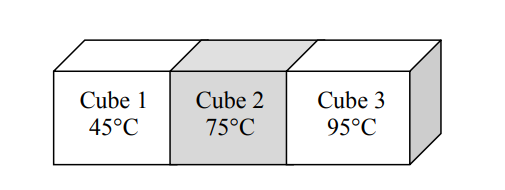
The heat in cube 2 will increase as it is absorbed from cube 1 and cube 3.
The heat in cube 2 will transfer to cube 1.
The heat in cube 2 will transfer to cube 3.
The heat in cube 2 will eventually decrease as all the cubes come to equilibrium.
The total amount of energy in a substance.
The temperature of a substance.
The transfer of thermal energy.
The number of jalapeno peppers used.
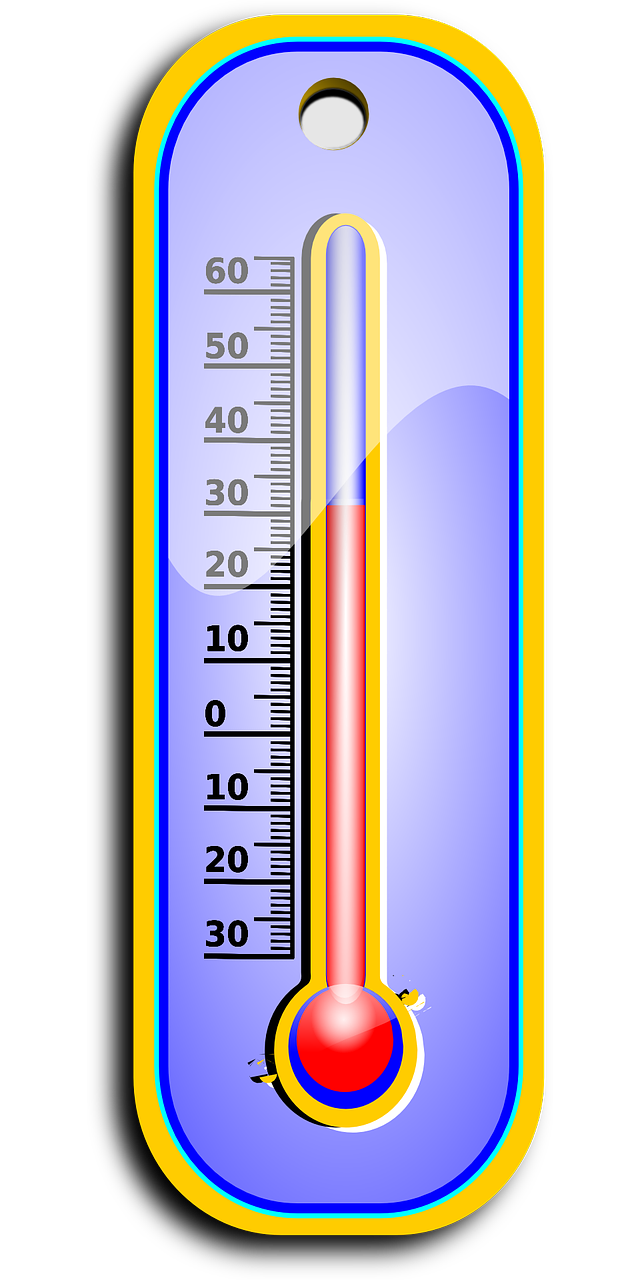
The average amount of heat in a substance.
The average untapped potential energy in a substance.
The average kinetic energy of molecules in a substance.
The speed with which energy is transferred within a substance.
That's not possible because their kinetic energy is all the same.
Gas, liquid, solid.
Liquid, solid, gas.
Solid, liquid, gas.
Fahrenheit scale
Numeric scale
Celsius scale
Bathroom scale
True
False
The heat in cube 2 will increase as it is absorbed from cube 1 and cube 3.
The heat in cube 2 will transfer to cube 1.
The heat in cube 2 will transfer to cube 3.
The heat in cube 2 will eventually decrease as all the cubes come to equilibrium.
The total amount of energy in a substance.
The temperature of a substance.
The transfer of thermal energy.
The number of jalapeno peppers used.
The average amount of heat in a substance.
The average untapped potential energy in a substance.
The average kinetic energy of molecules in a substance.
The speed with which energy is transferred within a substance.
That's not possible because their kinetic energy is all the same.
Gas, liquid, solid.
Liquid, solid, gas.
Solid, liquid, gas.
Fahrenheit scale
Numeric scale
Celsius scale
Bathroom scale
True
False
The heat in cube 2 will increase as it is absorbed from cube 1 and cube 3.
The heat in cube 2 will transfer to cube 1.
The heat in cube 2 will transfer to cube 3.
The heat in cube 2 will eventually decrease as all the cubes come to equilibrium.
The total amount of energy in a substance.
The temperature of a substance.
The transfer of thermal energy.
The number of jalapeno peppers used.
The average amount of heat in a substance.
The average untapped potential energy in a substance.
The average kinetic energy of molecules in a substance.
The speed with which energy is transferred within a substance.
That's not possible because their kinetic energy is all the same.
Gas, liquid, solid.
Liquid, solid, gas.
Solid, liquid, gas.
Fahrenheit scale
Numeric scale
Celsius scale
Bathroom scale
True
False
The heat in cube 2 will increase as it is absorbed from cube 1 and cube 3.
The heat in cube 2 will transfer to cube 1.
The heat in cube 2 will transfer to cube 3.
The heat in cube 2 will eventually decrease as all the cubes come to equilibrium.
The total amount of energy in a substance.
The temperature of a substance.
The transfer of thermal energy.
The number of jalapeno peppers used.
The average amount of heat in a substance.
The average untapped potential energy in a substance.
The average kinetic energy of molecules in a substance.
The speed with which energy is transferred within a substance.
That's not possible because their kinetic energy is all the same.
Gas, liquid, solid.
Liquid, solid, gas.
Solid, liquid, gas.
Fahrenheit scale
Numeric scale
Celsius scale
Bathroom scale
True
False
The heat in cube 2 will increase as it is absorbed from cube 1 and cube 3.
The heat in cube 2 will transfer to cube 1.
The heat in cube 2 will transfer to cube 3.
The heat in cube 2 will eventually decrease as all the cubes come to equilibrium.
The total amount of energy in a substance.
The temperature of a substance.
The transfer of thermal energy.
The number of jalapeno peppers used.
The average amount of heat in a substance.
The average untapped potential energy in a substance.
The average kinetic energy of molecules in a substance.
The speed with which energy is transferred within a substance.
That's not possible because their kinetic energy is all the same.
Gas, liquid, solid.
Liquid, solid, gas.
Solid, liquid, gas.
Fahrenheit scale
Numeric scale
Celsius scale
Bathroom scale
True
False
The heat in cube 2 will increase as it is absorbed from cube 1 and cube 3.
The heat in cube 2 will transfer to cube 1.
The heat in cube 2 will transfer to cube 3.
The heat in cube 2 will eventually decrease as all the cubes come to equilibrium.
The total amount of energy in a substance.
The temperature of a substance.
The transfer of thermal energy.
The number of jalapeno peppers used.
The average amount of heat in a substance.
The average untapped potential energy in a substance.
The average kinetic energy of molecules in a substance.
The speed with which energy is transferred within a substance.
That's not possible because their kinetic energy is all the same.
Gas, liquid, solid.
Liquid, solid, gas.
Solid, liquid, gas.
Fahrenheit scale
Numeric scale
Celsius scale
Bathroom scale
True
False
The heat in cube 2 will increase as it is absorbed from cube 1 and cube 3.
The heat in cube 2 will transfer to cube 1.
The heat in cube 2 will transfer to cube 3.
The heat in cube 2 will eventually decrease as all the cubes come to equilibrium.
The total amount of energy in a substance.
The temperature of a substance.
The transfer of thermal energy.
The number of jalapeno peppers used.
The average amount of heat in a substance.
The average untapped potential energy in a substance.
The average kinetic energy of molecules in a substance.
The speed with which energy is transferred within a substance.
That's not possible because their kinetic energy is all the same.
Gas, liquid, solid.
Liquid, solid, gas.
Solid, liquid, gas.
Fahrenheit scale
Numeric scale
Celsius scale
Bathroom scale
True
False
The heat in cube 2 will increase as it is absorbed from cube 1 and cube 3.
The heat in cube 2 will transfer to cube 1.
The heat in cube 2 will transfer to cube 3.
The heat in cube 2 will eventually decrease as all the cubes come to equilibrium.
The total amount of energy in a substance.
The temperature of a substance.
The transfer of thermal energy.
The number of jalapeno peppers used.
The average amount of heat in a substance.
The average untapped potential energy in a substance.
The average kinetic energy of molecules in a substance.
The speed with which energy is transferred within a substance.
That's not possible because their kinetic energy is all the same.
Gas, liquid, solid.
Liquid, solid, gas.
Solid, liquid, gas.
Fahrenheit scale
Numeric scale
Celsius scale
Bathroom scale
True
False
The heat in cube 2 will increase as it is absorbed from cube 1 and cube 3.
The heat in cube 2 will transfer to cube 1.
The heat in cube 2 will transfer to cube 3.
The heat in cube 2 will eventually decrease as all the cubes come to equilibrium.
The total amount of energy in a substance.
The temperature of a substance.
The transfer of thermal energy.
The number of jalapeno peppers used.
The average amount of heat in a substance.
The average untapped potential energy in a substance.
The average kinetic energy of molecules in a substance.
The speed with which energy is transferred within a substance.
That's not possible because their kinetic energy is all the same.
Gas, liquid, solid.
Liquid, solid, gas.
Solid, liquid, gas.
Fahrenheit scale
Numeric scale
Celsius scale
Bathroom scale
True
False
The heat in cube 2 will increase as it is absorbed from cube 1 and cube 3.
The heat in cube 2 will transfer to cube 1.
The heat in cube 2 will transfer to cube 3.
The heat in cube 2 will eventually decrease as all the cubes come to equilibrium.
The total amount of energy in a substance.
The temperature of a substance.
The transfer of thermal energy.
The number of jalapeno peppers used.
The average amount of heat in a substance.
The average untapped potential energy in a substance.
The average kinetic energy of molecules in a substance.
The speed with which energy is transferred within a substance.
That's not possible because their kinetic energy is all the same.
Gas, liquid, solid.
Liquid, solid, gas.
Solid, liquid, gas.
Fahrenheit scale
Numeric scale
Celsius scale
Bathroom scale
True
False
The heat in cube 2 will increase as it is absorbed from cube 1 and cube 3.
The heat in cube 2 will transfer to cube 1.
The heat in cube 2 will transfer to cube 3.
The heat in cube 2 will eventually decrease as all the cubes come to equilibrium.
The total amount of energy in a substance.
The temperature of a substance.
The transfer of thermal energy.
The number of jalapeno peppers used.
The average amount of heat in a substance.
The average untapped potential energy in a substance.
The average kinetic energy of molecules in a substance.
The speed with which energy is transferred within a substance.
That's not possible because their kinetic energy is all the same.
Gas, liquid, solid.
Liquid, solid, gas.
Solid, liquid, gas.
Fahrenheit scale
Numeric scale
Celsius scale
Bathroom scale
True
False
The heat in cube 2 will increase as it is absorbed from cube 1 and cube 3.
The heat in cube 2 will transfer to cube 1.
The heat in cube 2 will transfer to cube 3.
The heat in cube 2 will eventually decrease as all the cubes come to equilibrium.
The total amount of energy in a substance.
The temperature of a substance.
The transfer of thermal energy.
The number of jalapeno peppers used.
The average amount of heat in a substance.
The average untapped potential energy in a substance.
The average kinetic energy of molecules in a substance.
The speed with which energy is transferred within a substance.
That's not possible because their kinetic energy is all the same.
Gas, liquid, solid.
Liquid, solid, gas.
Solid, liquid, gas.
Fahrenheit scale
Numeric scale
Celsius scale
Bathroom scale
True
False
The heat in cube 2 will increase as it is absorbed from cube 1 and cube 3.
The heat in cube 2 will transfer to cube 1.
The heat in cube 2 will transfer to cube 3.
The heat in cube 2 will eventually decrease as all the cubes come to equilibrium.
The total amount of energy in a substance.
The temperature of a substance.
The transfer of thermal energy.
The number of jalapeno peppers used.
The average amount of heat in a substance.
The average untapped potential energy in a substance.
The average kinetic energy of molecules in a substance.
The speed with which energy is transferred within a substance.
That's not possible because their kinetic energy is all the same.
Gas, liquid, solid.
Liquid, solid, gas.
Solid, liquid, gas.
Fahrenheit scale
Numeric scale
Celsius scale
Bathroom scale
True
False
The very high temperature of a substance.
The transfer of thermal energy.
The total amount of energy in a substance.
How high you turn on your oven.
Milligrams
Capacity
Joules
Newtons
True
False
A.
B.
C.
D.
The liquid would expand.
The liquid would contract.
The liquid could become a gas.
The liquid could become a solid.
Low specific heat capacity, so the temperature of the cup will stay low.
Low specific heat capacity so the heat will transfer to the cup quickly and cool off the hot chocolate.
High specific heat capacity because the hot chocolate will stay hot longer.
High specific heat capacity because the cup will not absorb the heat as quickly, and it will be easier to hold the cup to drink.
Water chamber
Thermometer
Joule
Calorimeter
Potential energy
Expansion energy
Kinetic energy
Current energy
The transfer of kinetic energy from an area of high temperature to one of lower temperature.
The amount of heat needed to raise the temperature of 1 gram of a substance by 1 degree Celsius.
The total amount of heat that a substance can absorb and hold.
The temperature at which an object has absorbed too much heat and has to transfer it to something else.
When the kinetic energy of a liquid decreases, so does its temperature.
When the kinetic energy of a liquid decreases, the temperature stays constant.
When the kinetic energy of a liquid increases, its temperature increases too.
When the kinetic energy of a liquid increases, the temperature of the liquid doesn't change. It only expands.
The heat will remain at equilibrium in cube 2.
The heat will transfer to cube 1.
The heat will transfer to cube 3.
The heat will transfer to both cube 1 and cube 3.
The kinetic energy of the water molecules decreases.
A change in the state of matter occurs.
New bonds are formed between the water molecules.
The increased kinetic energy causes the water molecules to move faster.
He should add more salt to both cups, and use cup A to measure the boiling point and cup B to measure the freezing point.
He should add more water to both cups and use cup A to measure the boiling point and cup B to measure the freezing point.
He should add more salt to cup A and use it to measure the boiling point. He should add more water to cup B and use it to measure the freezing point.
He should add more salt to cup A and use it to measure the freezing point. He should add more water to cup A and use it to measure the boiling point.
Gormex.
Slipon.
Proof-ax.
Silibase.
The heat from the fire is transferring into the air around the fire.
The cold air around the fire is causing it to burn lower.
The heat from the fire is transferring into the marshmallow, causing it to become toasted.
The stick is absorbing cool air from around the fire so it doesn't get too hot.
The liquid contracted, then contracted again, and then expanded.
The liquid contracted, then expanded, and then contracted more than in Trial 1.
The liquid expanded, then contracted, and then expanded more than in Trial 1.
The liquid expanded, then contracted, and then expanded less than in Trial 1.
Coldness from the cube was absorbed by the water.
The styrofoam cup absorbed some of the heat from the water.
The metal cube destroyed the heat energy in the water.
Heat from the water transferred to the metal cube.
State of matter
State of shock
State of equlibrium
None of these
Cube 2 will maintain at its starting temperature.
Cube 2 will come to a higher temperature as heat transfers to it from cubes 1 and 3.
Cube 2 will get cooler.
There is no way to tell.
The road is actually shifting because of an earthquake.
The road is shifting because of the sand moving under it.
Over the years, animals have dug under the road and made it wiggly.
The air just above the road is so full of kinetic energy from the heat that the movement of the air appears to bend the road.
Salt causes the ice to melt because it increases the temperature at which it will freeze.
Salt causes the ice to melt because it lowers the temperature at which it will freeze.
Salt causes the ice to melt because it increases the temperature of the road.
None of the above answers are correct.
Freezing point depression.
Freezing point elevation.
Boiling point depression.
Boiling point elevation.
The very high temperature of a substance.
The transfer of thermal energy.
The total amount of energy in a substance.
How high you turn on your oven.
Milligrams
Capacity
Joules
Newtons
True
False
A.
B.
C.
D.
The liquid would expand.
The liquid would contract.
The liquid could become a gas.
The liquid could become a solid.
Low specific heat capacity, so the temperature of the cup will stay low.
Low specific heat capacity so the heat will transfer to the cup quickly and cool off the hot chocolate.
High specific heat capacity because the hot chocolate will stay hot longer.
High specific heat capacity because the cup will not absorb the heat as quickly, and it will be easier to hold the cup to drink.
Water chamber
Thermometer
Joule
Calorimeter
Potential energy
Expansion energy
Kinetic energy
Current energy
The transfer of kinetic energy from an area of high temperature to one of lower temperature.
The amount of heat needed to raise the temperature of 1 gram of a substance by 1 degree Celsius.
The total amount of heat that a substance can absorb and hold.
The temperature at which an object has absorbed too much heat and has to transfer it to something else.
When the kinetic energy of a liquid decreases, so does its temperature.
When the kinetic energy of a liquid decreases, the temperature stays constant.
When the kinetic energy of a liquid increases, its temperature increases too.
When the kinetic energy of a liquid increases, the temperature of the liquid doesn't change. It only expands.
The heat will remain at equilibrium in cube 2.
The heat will transfer to cube 1.
The heat will transfer to cube 3.
The heat will transfer to both cube 1 and cube 3.
The kinetic energy of the water molecules decreases.
A change in the state of matter occurs.
New bonds are formed between the water molecules.
The increased kinetic energy causes the water molecules to move faster.
He should add more salt to both cups, and use cup A to measure the boiling point and cup B to measure the freezing point.
He should add more water to both cups and use cup A to measure the boiling point and cup B to measure the freezing point.
He should add more salt to cup A and use it to measure the boiling point. He should add more water to cup B and use it to measure the freezing point.
He should add more salt to cup A and use it to measure the freezing point. He should add more water to cup A and use it to measure the boiling point.
Gormex.
Slipon.
Proof-ax.
Silibase.
The heat from the fire is transferring into the air around the fire.
The cold air around the fire is causing it to burn lower.
The heat from the fire is transferring into the marshmallow, causing it to become toasted.
The stick is absorbing cool air from around the fire so it doesn't get too hot.
The liquid contracted, then contracted again, and then expanded.
The liquid contracted, then expanded, and then contracted more than in Trial 1.
The liquid expanded, then contracted, and then expanded more than in Trial 1.
The liquid expanded, then contracted, and then expanded less than in Trial 1.
Coldness from the cube was absorbed by the water.
The styrofoam cup absorbed some of the heat from the water.
The metal cube destroyed the heat energy in the water.
Heat from the water transferred to the metal cube.
State of matter
State of shock
State of equlibrium
None of these
Cube 2 will maintain at its starting temperature.
Cube 2 will come to a higher temperature as heat transfers to it from cubes 1 and 3.
Cube 2 will get cooler.
There is no way to tell.
The road is actually shifting because of an earthquake.
The road is shifting because of the sand moving under it.
Over the years, animals have dug under the road and made it wiggly.
The air just above the road is so full of kinetic energy from the heat that the movement of the air appears to bend the road.
Salt causes the ice to melt because it increases the temperature at which it will freeze.
Salt causes the ice to melt because it lowers the temperature at which it will freeze.
Salt causes the ice to melt because it increases the temperature of the road.
None of the above answers are correct.
Freezing point depression.
Freezing point elevation.
Boiling point depression.
Boiling point elevation.
The very high temperature of a substance.
The transfer of thermal energy.
The total amount of energy in a substance.
How high you turn on your oven.
Milligrams
Capacity
Joules
Newtons
True
False
A.
B.
C.
D.
The liquid would expand.
The liquid would contract.
The liquid could become a gas.
The liquid could become a solid.
Low specific heat capacity, so the temperature of the cup will stay low.
Low specific heat capacity so the heat will transfer to the cup quickly and cool off the hot chocolate.
High specific heat capacity because the hot chocolate will stay hot longer.
High specific heat capacity because the cup will not absorb the heat as quickly, and it will be easier to hold the cup to drink.
Water chamber
Thermometer
Joule
Calorimeter
Potential energy
Expansion energy
Kinetic energy
Current energy
The transfer of kinetic energy from an area of high temperature to one of lower temperature.
The amount of heat needed to raise the temperature of 1 gram of a substance by 1 degree Celsius.
The total amount of heat that a substance can absorb and hold.
The temperature at which an object has absorbed too much heat and has to transfer it to something else.
When the kinetic energy of a liquid decreases, so does its temperature.
When the kinetic energy of a liquid decreases, the temperature stays constant.
When the kinetic energy of a liquid increases, its temperature increases too.
When the kinetic energy of a liquid increases, the temperature of the liquid doesn't change. It only expands.
The heat will remain at equilibrium in cube 2.
The heat will transfer to cube 1.
The heat will transfer to cube 3.
The heat will transfer to both cube 1 and cube 3.
The kinetic energy of the water molecules decreases.
A change in the state of matter occurs.
New bonds are formed between the water molecules.
The increased kinetic energy causes the water molecules to move faster.
He should add more salt to both cups, and use cup A to measure the boiling point and cup B to measure the freezing point.
He should add more water to both cups and use cup A to measure the boiling point and cup B to measure the freezing point.
He should add more salt to cup A and use it to measure the boiling point. He should add more water to cup B and use it to measure the freezing point.
He should add more salt to cup A and use it to measure the freezing point. He should add more water to cup A and use it to measure the boiling point.
Gormex.
Slipon.
Proof-ax.
Silibase.
The heat from the fire is transferring into the air around the fire.
The cold air around the fire is causing it to burn lower.
The heat from the fire is transferring into the marshmallow, causing it to become toasted.
The stick is absorbing cool air from around the fire so it doesn't get too hot.
The liquid contracted, then contracted again, and then expanded.
The liquid contracted, then expanded, and then contracted more than in Trial 1.
The liquid expanded, then contracted, and then expanded more than in Trial 1.
The liquid expanded, then contracted, and then expanded less than in Trial 1.
Coldness from the cube was absorbed by the water.
The styrofoam cup absorbed some of the heat from the water.
The metal cube destroyed the heat energy in the water.
Heat from the water transferred to the metal cube.
State of matter
State of shock
State of equlibrium
None of these
Cube 2 will maintain at its starting temperature.
Cube 2 will come to a higher temperature as heat transfers to it from cubes 1 and 3.
Cube 2 will get cooler.
There is no way to tell.
The road is actually shifting because of an earthquake.
The road is shifting because of the sand moving under it.
Over the years, animals have dug under the road and made it wiggly.
The air just above the road is so full of kinetic energy from the heat that the movement of the air appears to bend the road.
Salt causes the ice to melt because it increases the temperature at which it will freeze.
Salt causes the ice to melt because it lowers the temperature at which it will freeze.
Salt causes the ice to melt because it increases the temperature of the road.
None of the above answers are correct.
Freezing point depression.
Freezing point elevation.
Boiling point depression.
Boiling point elevation.
The very high temperature of a substance.
The transfer of thermal energy.
The total amount of energy in a substance.
How high you turn on your oven.
Milligrams
Capacity
Joules
Newtons
True
False
A.
B.
C.
D.
The liquid would expand.
The liquid would contract.
The liquid could become a gas.
The liquid could become a solid.
Low specific heat capacity, so the temperature of the cup will stay low.
Low specific heat capacity so the heat will transfer to the cup quickly and cool off the hot chocolate.
High specific heat capacity because the hot chocolate will stay hot longer.
High specific heat capacity because the cup will not absorb the heat as quickly, and it will be easier to hold the cup to drink.
Water chamber
Thermometer
Joule
Calorimeter
Potential energy
Expansion energy
Kinetic energy
Current energy
The transfer of kinetic energy from an area of high temperature to one of lower temperature.
The amount of heat needed to raise the temperature of 1 gram of a substance by 1 degree Celsius.
The total amount of heat that a substance can absorb and hold.
The temperature at which an object has absorbed too much heat and has to transfer it to something else.
When the kinetic energy of a liquid decreases, so does its temperature.
When the kinetic energy of a liquid decreases, the temperature stays constant.
When the kinetic energy of a liquid increases, its temperature increases too.
When the kinetic energy of a liquid increases, the temperature of the liquid doesn't change. It only expands.
The heat will remain at equilibrium in cube 2.
The heat will transfer to cube 1.
The heat will transfer to cube 3.
The heat will transfer to both cube 1 and cube 3.
The kinetic energy of the water molecules decreases.
A change in the state of matter occurs.
New bonds are formed between the water molecules.
The increased kinetic energy causes the water molecules to move faster.
He should add more salt to both cups, and use cup A to measure the boiling point and cup B to measure the freezing point.
He should add more water to both cups and use cup A to measure the boiling point and cup B to measure the freezing point.
He should add more salt to cup A and use it to measure the boiling point. He should add more water to cup B and use it to measure the freezing point.
He should add more salt to cup A and use it to measure the freezing point. He should add more water to cup A and use it to measure the boiling point.
Gormex.
Slipon.
Proof-ax.
Silibase.
The heat from the fire is transferring into the air around the fire.
The cold air around the fire is causing it to burn lower.
The heat from the fire is transferring into the marshmallow, causing it to become toasted.
The stick is absorbing cool air from around the fire so it doesn't get too hot.
The liquid contracted, then contracted again, and then expanded.
The liquid contracted, then expanded, and then contracted more than in Trial 1.
The liquid expanded, then contracted, and then expanded more than in Trial 1.
The liquid expanded, then contracted, and then expanded less than in Trial 1.
Coldness from the cube was absorbed by the water.
The styrofoam cup absorbed some of the heat from the water.
The metal cube destroyed the heat energy in the water.
Heat from the water transferred to the metal cube.
State of matter
State of shock
State of equlibrium
None of these
Cube 2 will maintain at its starting temperature.
Cube 2 will come to a higher temperature as heat transfers to it from cubes 1 and 3.
Cube 2 will get cooler.
There is no way to tell.
The road is actually shifting because of an earthquake.
The road is shifting because of the sand moving under it.
Over the years, animals have dug under the road and made it wiggly.
The air just above the road is so full of kinetic energy from the heat that the movement of the air appears to bend the road.
Salt causes the ice to melt because it increases the temperature at which it will freeze.
Salt causes the ice to melt because it lowers the temperature at which it will freeze.
Salt causes the ice to melt because it increases the temperature of the road.
None of the above answers are correct.
Freezing point depression.
Freezing point elevation.
Boiling point depression.
Boiling point elevation.
The very high temperature of a substance.
The transfer of thermal energy.
The total amount of energy in a substance.
How high you turn on your oven.
Milligrams
Capacity
Joules
Newtons
True
False
A.
B.
C.
D.
The liquid would expand.
The liquid would contract.
The liquid could become a gas.
The liquid could become a solid.
Low specific heat capacity, so the temperature of the cup will stay low.
Low specific heat capacity so the heat will transfer to the cup quickly and cool off the hot chocolate.
High specific heat capacity because the hot chocolate will stay hot longer.
High specific heat capacity because the cup will not absorb the heat as quickly, and it will be easier to hold the cup to drink.
Water chamber
Thermometer
Joule
Calorimeter
Potential energy
Expansion energy
Kinetic energy
Current energy
The transfer of kinetic energy from an area of high temperature to one of lower temperature.
The amount of heat needed to raise the temperature of 1 gram of a substance by 1 degree Celsius.
The total amount of heat that a substance can absorb and hold.
The temperature at which an object has absorbed too much heat and has to transfer it to something else.
When the kinetic energy of a liquid decreases, so does its temperature.
When the kinetic energy of a liquid decreases, the temperature stays constant.
When the kinetic energy of a liquid increases, its temperature increases too.
When the kinetic energy of a liquid increases, the temperature of the liquid doesn't change. It only expands.
The heat will remain at equilibrium in cube 2.
The heat will transfer to cube 1.
The heat will transfer to cube 3.
The heat will transfer to both cube 1 and cube 3.
The kinetic energy of the water molecules decreases.
A change in the state of matter occurs.
New bonds are formed between the water molecules.
The increased kinetic energy causes the water molecules to move faster.
He should add more salt to both cups, and use cup A to measure the boiling point and cup B to measure the freezing point.
He should add more water to both cups and use cup A to measure the boiling point and cup B to measure the freezing point.
He should add more salt to cup A and use it to measure the boiling point. He should add more water to cup B and use it to measure the freezing point.
He should add more salt to cup A and use it to measure the freezing point. He should add more water to cup A and use it to measure the boiling point.
Gormex.
Slipon.
Proof-ax.
Silibase.
The heat from the fire is transferring into the air around the fire.
The cold air around the fire is causing it to burn lower.
The heat from the fire is transferring into the marshmallow, causing it to become toasted.
The stick is absorbing cool air from around the fire so it doesn't get too hot.
The liquid contracted, then contracted again, and then expanded.
The liquid contracted, then expanded, and then contracted more than in Trial 1.
The liquid expanded, then contracted, and then expanded more than in Trial 1.
The liquid expanded, then contracted, and then expanded less than in Trial 1.
Coldness from the cube was absorbed by the water.
The styrofoam cup absorbed some of the heat from the water.
The metal cube destroyed the heat energy in the water.
Heat from the water transferred to the metal cube.
State of matter
State of shock
State of equlibrium
None of these
Cube 2 will maintain at its starting temperature.
Cube 2 will come to a higher temperature as heat transfers to it from cubes 1 and 3.
Cube 2 will get cooler.
There is no way to tell.
The road is actually shifting because of an earthquake.
The road is shifting because of the sand moving under it.
Over the years, animals have dug under the road and made it wiggly.
The air just above the road is so full of kinetic energy from the heat that the movement of the air appears to bend the road.
Salt causes the ice to melt because it increases the temperature at which it will freeze.
Salt causes the ice to melt because it lowers the temperature at which it will freeze.
Salt causes the ice to melt because it increases the temperature of the road.
None of the above answers are correct.
Freezing point depression.
Freezing point elevation.
Boiling point depression.
Boiling point elevation.
The very high temperature of a substance.
The transfer of thermal energy.
The total amount of energy in a substance.
How high you turn on your oven.
Milligrams
Capacity
Joules
Newtons
True
False
A.
B.
C.
D.
The liquid would expand.
The liquid would contract.
The liquid could become a gas.
The liquid could become a solid.
Low specific heat capacity, so the temperature of the cup will stay low.
Low specific heat capacity so the heat will transfer to the cup quickly and cool off the hot chocolate.
High specific heat capacity because the hot chocolate will stay hot longer.
High specific heat capacity because the cup will not absorb the heat as quickly, and it will be easier to hold the cup to drink.
Water chamber
Thermometer
Joule
Calorimeter
Potential energy
Expansion energy
Kinetic energy
Current energy
The transfer of kinetic energy from an area of high temperature to one of lower temperature.
The amount of heat needed to raise the temperature of 1 gram of a substance by 1 degree Celsius.
The total amount of heat that a substance can absorb and hold.
The temperature at which an object has absorbed too much heat and has to transfer it to something else.
When the kinetic energy of a liquid decreases, so does its temperature.
When the kinetic energy of a liquid decreases, the temperature stays constant.
When the kinetic energy of a liquid increases, its temperature increases too.
When the kinetic energy of a liquid increases, the temperature of the liquid doesn't change. It only expands.
The heat will remain at equilibrium in cube 2.
The heat will transfer to cube 1.
The heat will transfer to cube 3.
The heat will transfer to both cube 1 and cube 3.
The kinetic energy of the water molecules decreases.
A change in the state of matter occurs.
New bonds are formed between the water molecules.
The increased kinetic energy causes the water molecules to move faster.
He should add more salt to both cups, and use cup A to measure the boiling point and cup B to measure the freezing point.
He should add more water to both cups and use cup A to measure the boiling point and cup B to measure the freezing point.
He should add more salt to cup A and use it to measure the boiling point. He should add more water to cup B and use it to measure the freezing point.
He should add more salt to cup A and use it to measure the freezing point. He should add more water to cup A and use it to measure the boiling point.
Gormex.
Slipon.
Proof-ax.
Silibase.
The heat from the fire is transferring into the air around the fire.
The cold air around the fire is causing it to burn lower.
The heat from the fire is transferring into the marshmallow, causing it to become toasted.
The stick is absorbing cool air from around the fire so it doesn't get too hot.
The liquid contracted, then contracted again, and then expanded.
The liquid contracted, then expanded, and then contracted more than in Trial 1.
The liquid expanded, then contracted, and then expanded more than in Trial 1.
The liquid expanded, then contracted, and then expanded less than in Trial 1.
Coldness from the cube was absorbed by the water.
The styrofoam cup absorbed some of the heat from the water.
The metal cube destroyed the heat energy in the water.
Heat from the water transferred to the metal cube.
State of matter
State of shock
State of equlibrium
None of these
Cube 2 will maintain at its starting temperature.
Cube 2 will come to a higher temperature as heat transfers to it from cubes 1 and 3.
Cube 2 will get cooler.
There is no way to tell.
The road is actually shifting because of an earthquake.
The road is shifting because of the sand moving under it.
Over the years, animals have dug under the road and made it wiggly.
The air just above the road is so full of kinetic energy from the heat that the movement of the air appears to bend the road.
Salt causes the ice to melt because it increases the temperature at which it will freeze.
Salt causes the ice to melt because it lowers the temperature at which it will freeze.
Salt causes the ice to melt because it increases the temperature of the road.
None of the above answers are correct.
Freezing point depression.
Freezing point elevation.
Boiling point depression.
Boiling point elevation.
Gold, Iron.
Iron, Gold.
calorie
specific heat capacity
heat of combustion
specific heat index
Joules.
Degrees Celsius.
Newtons.
Degrees Fahrenheit.
Solid state
State of equilibrium
Inertial state
State of equivalence
First, multiply the mass of the solid times the change in temperature of the water. Then divide the product by the mass of the water times the change in temperature of the solid.
First, add the mass of the water and the mass of the solid. Then multiply the product by the changes in temperature added together.
First, multiply the mass of the water times the change in temperature of the water. Then divide the product by the mass of the solid times the change in temperature of the solid.
First, multiply the mass of the water times the change in temperature of the water. Then divide the product by the number of minutes it took for the temperature of the water to become steady.
True
False
The very high temperature of a substance.
The transfer of thermal energy.
The total amount of energy in a substance.
How high you turn on your oven.
Milligrams
Capacity
Joules
Newtons
True
False
A.
B.
C.
D.
The liquid would expand.
The liquid would contract.
The liquid could become a gas.
The liquid could become a solid.
Low specific heat capacity, so the temperature of the cup will stay low.
Low specific heat capacity so the heat will transfer to the cup quickly and cool off the hot chocolate.
High specific heat capacity because the hot chocolate will stay hot longer.
High specific heat capacity because the cup will not absorb the heat as quickly, and it will be easier to hold the cup to drink.
Water chamber
Thermometer
Joule
Calorimeter
Potential energy
Expansion energy
Kinetic energy
Current energy
The transfer of kinetic energy from an area of high temperature to one of lower temperature.
The amount of heat needed to raise the temperature of 1 gram of a substance by 1 degree Celsius.
The total amount of heat that a substance can absorb and hold.
The temperature at which an object has absorbed too much heat and has to transfer it to something else.
When the kinetic energy of a liquid decreases, so does its temperature.
When the kinetic energy of a liquid decreases, the temperature stays constant.
When the kinetic energy of a liquid increases, its temperature increases too.
When the kinetic energy of a liquid increases, the temperature of the liquid doesn't change. It only expands.
The heat will remain at equilibrium in cube 2.
The heat will transfer to cube 1.
The heat will transfer to cube 3.
The heat will transfer to both cube 1 and cube 3.
The kinetic energy of the water molecules decreases.
A change in the state of matter occurs.
New bonds are formed between the water molecules.
The increased kinetic energy causes the water molecules to move faster.
He should add more salt to both cups, and use cup A to measure the boiling point and cup B to measure the freezing point.
He should add more water to both cups and use cup A to measure the boiling point and cup B to measure the freezing point.
He should add more salt to cup A and use it to measure the boiling point. He should add more water to cup B and use it to measure the freezing point.
He should add more salt to cup A and use it to measure the freezing point. He should add more water to cup A and use it to measure the boiling point.
Gormex.
Slipon.
Proof-ax.
Silibase.
The heat from the fire is transferring into the air around the fire.
The cold air around the fire is causing it to burn lower.
The heat from the fire is transferring into the marshmallow, causing it to become toasted.
The stick is absorbing cool air from around the fire so it doesn't get too hot.
The liquid contracted, then contracted again, and then expanded.
The liquid contracted, then expanded, and then contracted more than in Trial 1.
The liquid expanded, then contracted, and then expanded more than in Trial 1.
The liquid expanded, then contracted, and then expanded less than in Trial 1.
Coldness from the cube was absorbed by the water.
The styrofoam cup absorbed some of the heat from the water.
The metal cube destroyed the heat energy in the water.
Heat from the water transferred to the metal cube.
State of matter
State of shock
State of equlibrium
None of these
Cube 2 will maintain at its starting temperature.
Cube 2 will come to a higher temperature as heat transfers to it from cubes 1 and 3.
Cube 2 will get cooler.
There is no way to tell.
The road is actually shifting because of an earthquake.
The road is shifting because of the sand moving under it.
Over the years, animals have dug under the road and made it wiggly.
The air just above the road is so full of kinetic energy from the heat that the movement of the air appears to bend the road.
Salt causes the ice to melt because it increases the temperature at which it will freeze.
Salt causes the ice to melt because it lowers the temperature at which it will freeze.
Salt causes the ice to melt because it increases the temperature of the road.
None of the above answers are correct.
Freezing point depression.
Freezing point elevation.
Boiling point depression.
Boiling point elevation.
The very high temperature of a substance.
The transfer of thermal energy.
The total amount of energy in a substance.
How high you turn on your oven.
Milligrams
Capacity
Joules
Newtons
True
False
A.
B.
C.
D.
The liquid would expand.
The liquid would contract.
The liquid could become a gas.
The liquid could become a solid.
Low specific heat capacity, so the temperature of the cup will stay low.
Low specific heat capacity so the heat will transfer to the cup quickly and cool off the hot chocolate.
High specific heat capacity because the hot chocolate will stay hot longer.
High specific heat capacity because the cup will not absorb the heat as quickly, and it will be easier to hold the cup to drink.
Water chamber
Thermometer
Joule
Calorimeter
Potential energy
Expansion energy
Kinetic energy
Current energy
The transfer of kinetic energy from an area of high temperature to one of lower temperature.
The amount of heat needed to raise the temperature of 1 gram of a substance by 1 degree Celsius.
The total amount of heat that a substance can absorb and hold.
The temperature at which an object has absorbed too much heat and has to transfer it to something else.
When the kinetic energy of a liquid decreases, so does its temperature.
When the kinetic energy of a liquid decreases, the temperature stays constant.
When the kinetic energy of a liquid increases, its temperature increases too.
When the kinetic energy of a liquid increases, the temperature of the liquid doesn't change. It only expands.
The heat will remain at equilibrium in cube 2.
The heat will transfer to cube 1.
The heat will transfer to cube 3.
The heat will transfer to both cube 1 and cube 3.
The kinetic energy of the water molecules decreases.
A change in the state of matter occurs.
New bonds are formed between the water molecules.
The increased kinetic energy causes the water molecules to move faster.
He should add more salt to both cups, and use cup A to measure the boiling point and cup B to measure the freezing point.
He should add more water to both cups and use cup A to measure the boiling point and cup B to measure the freezing point.
He should add more salt to cup A and use it to measure the boiling point. He should add more water to cup B and use it to measure the freezing point.
He should add more salt to cup A and use it to measure the freezing point. He should add more water to cup A and use it to measure the boiling point.
Gormex.
Slipon.
Proof-ax.
Silibase.
The heat from the fire is transferring into the air around the fire.
The cold air around the fire is causing it to burn lower.
The heat from the fire is transferring into the marshmallow, causing it to become toasted.
The stick is absorbing cool air from around the fire so it doesn't get too hot.
The liquid contracted, then contracted again, and then expanded.
The liquid contracted, then expanded, and then contracted more than in Trial 1.
The liquid expanded, then contracted, and then expanded more than in Trial 1.
The liquid expanded, then contracted, and then expanded less than in Trial 1.
Coldness from the cube was absorbed by the water.
The styrofoam cup absorbed some of the heat from the water.
The metal cube destroyed the heat energy in the water.
Heat from the water transferred to the metal cube.
State of matter
State of shock
State of equlibrium
None of these
Cube 2 will maintain at its starting temperature.
Cube 2 will come to a higher temperature as heat transfers to it from cubes 1 and 3.
Cube 2 will get cooler.
There is no way to tell.
The road is actually shifting because of an earthquake.
The road is shifting because of the sand moving under it.
Over the years, animals have dug under the road and made it wiggly.
The air just above the road is so full of kinetic energy from the heat that the movement of the air appears to bend the road.
Salt causes the ice to melt because it increases the temperature at which it will freeze.
Salt causes the ice to melt because it lowers the temperature at which it will freeze.
Salt causes the ice to melt because it increases the temperature of the road.
None of the above answers are correct.
Freezing point depression.
Freezing point elevation.
Boiling point depression.
Boiling point elevation.
Gold, Iron.
Iron, Gold.
calorie
specific heat capacity
heat of combustion
specific heat index
Joules.
Degrees Celsius.
Newtons.
Degrees Fahrenheit.
Solid state
State of equilibrium
Inertial state
State of equivalence
First, multiply the mass of the solid times the change in temperature of the water. Then divide the product by the mass of the water times the change in temperature of the solid.
First, add the mass of the water and the mass of the solid. Then multiply the product by the changes in temperature added together.
First, multiply the mass of the water times the change in temperature of the water. Then divide the product by the mass of the solid times the change in temperature of the solid.
First, multiply the mass of the water times the change in temperature of the water. Then divide the product by the number of minutes it took for the temperature of the water to become steady.
True
False
The very high temperature of a substance.
The transfer of thermal energy.
The total amount of energy in a substance.
How high you turn on your oven.
Milligrams
Capacity
Joules
Newtons
True
False
A.
B.
C.
D.
The liquid would expand.
The liquid would contract.
The liquid could become a gas.
The liquid could become a solid.
Low specific heat capacity, so the temperature of the cup will stay low.
Low specific heat capacity so the heat will transfer to the cup quickly and cool off the hot chocolate.
High specific heat capacity because the hot chocolate will stay hot longer.
High specific heat capacity because the cup will not absorb the heat as quickly, and it will be easier to hold the cup to drink.
Water chamber
Thermometer
Joule
Calorimeter
Potential energy
Expansion energy
Kinetic energy
Current energy
The transfer of kinetic energy from an area of high temperature to one of lower temperature.
The amount of heat needed to raise the temperature of 1 gram of a substance by 1 degree Celsius.
The total amount of heat that a substance can absorb and hold.
The temperature at which an object has absorbed too much heat and has to transfer it to something else.
When the kinetic energy of a liquid decreases, so does its temperature.
When the kinetic energy of a liquid decreases, the temperature stays constant.
When the kinetic energy of a liquid increases, its temperature increases too.
When the kinetic energy of a liquid increases, the temperature of the liquid doesn't change. It only expands.
The heat will remain at equilibrium in cube 2.
The heat will transfer to cube 1.
The heat will transfer to cube 3.
The heat will transfer to both cube 1 and cube 3.
The kinetic energy of the water molecules decreases.
A change in the state of matter occurs.
New bonds are formed between the water molecules.
The increased kinetic energy causes the water molecules to move faster.
He should add more salt to both cups, and use cup A to measure the boiling point and cup B to measure the freezing point.
He should add more water to both cups and use cup A to measure the boiling point and cup B to measure the freezing point.
He should add more salt to cup A and use it to measure the boiling point. He should add more water to cup B and use it to measure the freezing point.
He should add more salt to cup A and use it to measure the freezing point. He should add more water to cup A and use it to measure the boiling point.
Gormex.
Slipon.
Proof-ax.
Silibase.
The heat from the fire is transferring into the air around the fire.
The cold air around the fire is causing it to burn lower.
The heat from the fire is transferring into the marshmallow, causing it to become toasted.
The stick is absorbing cool air from around the fire so it doesn't get too hot.
The liquid contracted, then contracted again, and then expanded.
The liquid contracted, then expanded, and then contracted more than in Trial 1.
The liquid expanded, then contracted, and then expanded more than in Trial 1.
The liquid expanded, then contracted, and then expanded less than in Trial 1.
Coldness from the cube was absorbed by the water.
The styrofoam cup absorbed some of the heat from the water.
The metal cube destroyed the heat energy in the water.
Heat from the water transferred to the metal cube.
State of matter
State of shock
State of equlibrium
None of these
Cube 2 will maintain at its starting temperature.
Cube 2 will come to a higher temperature as heat transfers to it from cubes 1 and 3.
Cube 2 will get cooler.
There is no way to tell.
The road is actually shifting because of an earthquake.
The road is shifting because of the sand moving under it.
Over the years, animals have dug under the road and made it wiggly.
The air just above the road is so full of kinetic energy from the heat that the movement of the air appears to bend the road.
Salt causes the ice to melt because it increases the temperature at which it will freeze.
Salt causes the ice to melt because it lowers the temperature at which it will freeze.
Salt causes the ice to melt because it increases the temperature of the road.
None of the above answers are correct.
Freezing point depression.
Freezing point elevation.
Boiling point depression.
Boiling point elevation.
The very high temperature of a substance.
The transfer of thermal energy.
The total amount of energy in a substance.
How high you turn on your oven.
Milligrams
Capacity
Joules
Newtons
True
False
A.
B.
C.
D.
The liquid would expand.
The liquid would contract.
The liquid could become a gas.
The liquid could become a solid.
Low specific heat capacity, so the temperature of the cup will stay low.
Low specific heat capacity so the heat will transfer to the cup quickly and cool off the hot chocolate.
High specific heat capacity because the hot chocolate will stay hot longer.
High specific heat capacity because the cup will not absorb the heat as quickly, and it will be easier to hold the cup to drink.
Water chamber
Thermometer
Joule
Calorimeter
Potential energy
Expansion energy
Kinetic energy
Current energy
The transfer of kinetic energy from an area of high temperature to one of lower temperature.
The amount of heat needed to raise the temperature of 1 gram of a substance by 1 degree Celsius.
The total amount of heat that a substance can absorb and hold.
The temperature at which an object has absorbed too much heat and has to transfer it to something else.
When the kinetic energy of a liquid decreases, so does its temperature.
When the kinetic energy of a liquid decreases, the temperature stays constant.
When the kinetic energy of a liquid increases, its temperature increases too.
When the kinetic energy of a liquid increases, the temperature of the liquid doesn't change. It only expands.
The heat will remain at equilibrium in cube 2.
The heat will transfer to cube 1.
The heat will transfer to cube 3.
The heat will transfer to both cube 1 and cube 3.
The kinetic energy of the water molecules decreases.
A change in the state of matter occurs.
New bonds are formed between the water molecules.
The increased kinetic energy causes the water molecules to move faster.
He should add more salt to both cups, and use cup A to measure the boiling point and cup B to measure the freezing point.
He should add more water to both cups and use cup A to measure the boiling point and cup B to measure the freezing point.
He should add more salt to cup A and use it to measure the boiling point. He should add more water to cup B and use it to measure the freezing point.
He should add more salt to cup A and use it to measure the freezing point. He should add more water to cup A and use it to measure the boiling point.
Gormex.
Slipon.
Proof-ax.
Silibase.
The heat from the fire is transferring into the air around the fire.
The cold air around the fire is causing it to burn lower.
The heat from the fire is transferring into the marshmallow, causing it to become toasted.
The stick is absorbing cool air from around the fire so it doesn't get too hot.
The liquid contracted, then contracted again, and then expanded.
The liquid contracted, then expanded, and then contracted more than in Trial 1.
The liquid expanded, then contracted, and then expanded more than in Trial 1.
The liquid expanded, then contracted, and then expanded less than in Trial 1.
Coldness from the cube was absorbed by the water.
The styrofoam cup absorbed some of the heat from the water.
The metal cube destroyed the heat energy in the water.
Heat from the water transferred to the metal cube.
State of matter
State of shock
State of equlibrium
None of these
Cube 2 will maintain at its starting temperature.
Cube 2 will come to a higher temperature as heat transfers to it from cubes 1 and 3.
Cube 2 will get cooler.
There is no way to tell.
The road is actually shifting because of an earthquake.
The road is shifting because of the sand moving under it.
Over the years, animals have dug under the road and made it wiggly.
The air just above the road is so full of kinetic energy from the heat that the movement of the air appears to bend the road.
Salt causes the ice to melt because it increases the temperature at which it will freeze.
Salt causes the ice to melt because it lowers the temperature at which it will freeze.
Salt causes the ice to melt because it increases the temperature of the road.
None of the above answers are correct.
Freezing point depression.
Freezing point elevation.
Boiling point depression.
Boiling point elevation.
The very high temperature of a substance.
The transfer of thermal energy.
The total amount of energy in a substance.
How high you turn on your oven.
Milligrams
Capacity
Joules
Newtons
True
False
A.
B.
C.
D.
The liquid would expand.
The liquid would contract.
The liquid could become a gas.
The liquid could become a solid.
Low specific heat capacity, so the temperature of the cup will stay low.
Low specific heat capacity so the heat will transfer to the cup quickly and cool off the hot chocolate.
High specific heat capacity because the hot chocolate will stay hot longer.
High specific heat capacity because the cup will not absorb the heat as quickly, and it will be easier to hold the cup to drink.
Water chamber
Thermometer
Joule
Calorimeter
Potential energy
Expansion energy
Kinetic energy
Current energy
The transfer of kinetic energy from an area of high temperature to one of lower temperature.
The amount of heat needed to raise the temperature of 1 gram of a substance by 1 degree Celsius.
The total amount of heat that a substance can absorb and hold.
The temperature at which an object has absorbed too much heat and has to transfer it to something else.
When the kinetic energy of a liquid decreases, so does its temperature.
When the kinetic energy of a liquid decreases, the temperature stays constant.
When the kinetic energy of a liquid increases, its temperature increases too.
When the kinetic energy of a liquid increases, the temperature of the liquid doesn't change. It only expands.
The heat will remain at equilibrium in cube 2.
The heat will transfer to cube 1.
The heat will transfer to cube 3.
The heat will transfer to both cube 1 and cube 3.
The kinetic energy of the water molecules decreases.
A change in the state of matter occurs.
New bonds are formed between the water molecules.
The increased kinetic energy causes the water molecules to move faster.
He should add more salt to both cups, and use cup A to measure the boiling point and cup B to measure the freezing point.
He should add more water to both cups and use cup A to measure the boiling point and cup B to measure the freezing point.
He should add more salt to cup A and use it to measure the boiling point. He should add more water to cup B and use it to measure the freezing point.
He should add more salt to cup A and use it to measure the freezing point. He should add more water to cup A and use it to measure the boiling point.
Gormex.
Slipon.
Proof-ax.
Silibase.
The heat from the fire is transferring into the air around the fire.
The cold air around the fire is causing it to burn lower.
The heat from the fire is transferring into the marshmallow, causing it to become toasted.
The stick is absorbing cool air from around the fire so it doesn't get too hot.
The liquid contracted, then contracted again, and then expanded.
The liquid contracted, then expanded, and then contracted more than in Trial 1.
The liquid expanded, then contracted, and then expanded more than in Trial 1.
The liquid expanded, then contracted, and then expanded less than in Trial 1.
Coldness from the cube was absorbed by the water.
The styrofoam cup absorbed some of the heat from the water.
The metal cube destroyed the heat energy in the water.
Heat from the water transferred to the metal cube.
State of matter
State of shock
State of equlibrium
None of these
Cube 2 will maintain at its starting temperature.
Cube 2 will come to a higher temperature as heat transfers to it from cubes 1 and 3.
Cube 2 will get cooler.
There is no way to tell.
The road is actually shifting because of an earthquake.
The road is shifting because of the sand moving under it.
Over the years, animals have dug under the road and made it wiggly.
The air just above the road is so full of kinetic energy from the heat that the movement of the air appears to bend the road.
Salt causes the ice to melt because it increases the temperature at which it will freeze.
Salt causes the ice to melt because it lowers the temperature at which it will freeze.
Salt causes the ice to melt because it increases the temperature of the road.
None of the above answers are correct.
Freezing point depression.
Freezing point elevation.
Boiling point depression.
Boiling point elevation.
The very high temperature of a substance.
The transfer of thermal energy.
The total amount of energy in a substance.
How high you turn on your oven.
Milligrams
Capacity
Joules
Newtons
True
False
A.
B.
C.
D.
The liquid would expand.
The liquid would contract.
The liquid could become a gas.
The liquid could become a solid.
Low specific heat capacity, so the temperature of the cup will stay low.
Low specific heat capacity so the heat will transfer to the cup quickly and cool off the hot chocolate.
High specific heat capacity because the hot chocolate will stay hot longer.
High specific heat capacity because the cup will not absorb the heat as quickly, and it will be easier to hold the cup to drink.
Water chamber
Thermometer
Joule
Calorimeter
Potential energy
Expansion energy
Kinetic energy
Current energy
The transfer of kinetic energy from an area of high temperature to one of lower temperature.
The amount of heat needed to raise the temperature of 1 gram of a substance by 1 degree Celsius.
The total amount of heat that a substance can absorb and hold.
The temperature at which an object has absorbed too much heat and has to transfer it to something else.
When the kinetic energy of a liquid decreases, so does its temperature.
When the kinetic energy of a liquid decreases, the temperature stays constant.
When the kinetic energy of a liquid increases, its temperature increases too.
When the kinetic energy of a liquid increases, the temperature of the liquid doesn't change. It only expands.
The heat will remain at equilibrium in cube 2.
The heat will transfer to cube 1.
The heat will transfer to cube 3.
The heat will transfer to both cube 1 and cube 3.
The kinetic energy of the water molecules decreases.
A change in the state of matter occurs.
New bonds are formed between the water molecules.
The increased kinetic energy causes the water molecules to move faster.
He should add more salt to both cups, and use cup A to measure the boiling point and cup B to measure the freezing point.
He should add more water to both cups and use cup A to measure the boiling point and cup B to measure the freezing point.
He should add more salt to cup A and use it to measure the boiling point. He should add more water to cup B and use it to measure the freezing point.
He should add more salt to cup A and use it to measure the freezing point. He should add more water to cup A and use it to measure the boiling point.
Gormex.
Slipon.
Proof-ax.
Silibase.
The heat from the fire is transferring into the air around the fire.
The cold air around the fire is causing it to burn lower.
The heat from the fire is transferring into the marshmallow, causing it to become toasted.
The stick is absorbing cool air from around the fire so it doesn't get too hot.
The liquid contracted, then contracted again, and then expanded.
The liquid contracted, then expanded, and then contracted more than in Trial 1.
The liquid expanded, then contracted, and then expanded more than in Trial 1.
The liquid expanded, then contracted, and then expanded less than in Trial 1.
Coldness from the cube was absorbed by the water.
The styrofoam cup absorbed some of the heat from the water.
The metal cube destroyed the heat energy in the water.
Heat from the water transferred to the metal cube.
State of matter
State of shock
State of equlibrium
None of these
Cube 2 will maintain at its starting temperature.
Cube 2 will come to a higher temperature as heat transfers to it from cubes 1 and 3.
Cube 2 will get cooler.
There is no way to tell.
The road is actually shifting because of an earthquake.
The road is shifting because of the sand moving under it.
Over the years, animals have dug under the road and made it wiggly.
The air just above the road is so full of kinetic energy from the heat that the movement of the air appears to bend the road.
Salt causes the ice to melt because it increases the temperature at which it will freeze.
Salt causes the ice to melt because it lowers the temperature at which it will freeze.
Salt causes the ice to melt because it increases the temperature of the road.
None of the above answers are correct.
Freezing point depression.
Freezing point elevation.
Boiling point depression.
Boiling point elevation.
Gold, Iron.
Iron, Gold.
calorie
specific heat capacity
heat of combustion
specific heat index
Joules.
Degrees Celsius.
Newtons.
Degrees Fahrenheit.
Solid state
State of equilibrium
Inertial state
State of equivalence
First, multiply the mass of the solid times the change in temperature of the water. Then divide the product by the mass of the water times the change in temperature of the solid.
First, add the mass of the water and the mass of the solid. Then multiply the product by the changes in temperature added together.
First, multiply the mass of the water times the change in temperature of the water. Then divide the product by the mass of the solid times the change in temperature of the solid.
First, multiply the mass of the water times the change in temperature of the water. Then divide the product by the number of minutes it took for the temperature of the water to become steady.
True
False
The very high temperature of a substance.
The transfer of thermal energy.
The total amount of energy in a substance.
How high you turn on your oven.
Milligrams
Capacity
Joules
Newtons
True
False
A.
B.
C.
D.
The liquid would expand.
The liquid would contract.
The liquid could become a gas.
The liquid could become a solid.
Low specific heat capacity, so the temperature of the cup will stay low.
Low specific heat capacity so the heat will transfer to the cup quickly and cool off the hot chocolate.
High specific heat capacity because the hot chocolate will stay hot longer.
High specific heat capacity because the cup will not absorb the heat as quickly, and it will be easier to hold the cup to drink.
Water chamber
Thermometer
Joule
Calorimeter
Potential energy
Expansion energy
Kinetic energy
Current energy
The transfer of kinetic energy from an area of high temperature to one of lower temperature.
The amount of heat needed to raise the temperature of 1 gram of a substance by 1 degree Celsius.
The total amount of heat that a substance can absorb and hold.
The temperature at which an object has absorbed too much heat and has to transfer it to something else.
When the kinetic energy of a liquid decreases, so does its temperature.
When the kinetic energy of a liquid decreases, the temperature stays constant.
When the kinetic energy of a liquid increases, its temperature increases too.
When the kinetic energy of a liquid increases, the temperature of the liquid doesn't change. It only expands.
The heat will remain at equilibrium in cube 2.
The heat will transfer to cube 1.
The heat will transfer to cube 3.
The heat will transfer to both cube 1 and cube 3.
The kinetic energy of the water molecules decreases.
A change in the state of matter occurs.
New bonds are formed between the water molecules.
The increased kinetic energy causes the water molecules to move faster.
He should add more salt to both cups, and use cup A to measure the boiling point and cup B to measure the freezing point.
He should add more water to both cups and use cup A to measure the boiling point and cup B to measure the freezing point.
He should add more salt to cup A and use it to measure the boiling point. He should add more water to cup B and use it to measure the freezing point.
He should add more salt to cup A and use it to measure the freezing point. He should add more water to cup A and use it to measure the boiling point.
Gormex.
Slipon.
Proof-ax.
Silibase.
The heat from the fire is transferring into the air around the fire.
The cold air around the fire is causing it to burn lower.
The heat from the fire is transferring into the marshmallow, causing it to become toasted.
The stick is absorbing cool air from around the fire so it doesn't get too hot.
The liquid contracted, then contracted again, and then expanded.
The liquid contracted, then expanded, and then contracted more than in Trial 1.
The liquid expanded, then contracted, and then expanded more than in Trial 1.
The liquid expanded, then contracted, and then expanded less than in Trial 1.
Coldness from the cube was absorbed by the water.
The styrofoam cup absorbed some of the heat from the water.
The metal cube destroyed the heat energy in the water.
Heat from the water transferred to the metal cube.
State of matter
State of shock
State of equlibrium
None of these
Cube 2 will maintain at its starting temperature.
Cube 2 will come to a higher temperature as heat transfers to it from cubes 1 and 3.
Cube 2 will get cooler.
There is no way to tell.
The road is actually shifting because of an earthquake.
The road is shifting because of the sand moving under it.
Over the years, animals have dug under the road and made it wiggly.
The air just above the road is so full of kinetic energy from the heat that the movement of the air appears to bend the road.
Salt causes the ice to melt because it increases the temperature at which it will freeze.
Salt causes the ice to melt because it lowers the temperature at which it will freeze.
Salt causes the ice to melt because it increases the temperature of the road.
None of the above answers are correct.
Freezing point depression.
Freezing point elevation.
Boiling point depression.
Boiling point elevation.
The very high temperature of a substance.
The transfer of thermal energy.
The total amount of energy in a substance.
How high you turn on your oven.
Milligrams
Capacity
Joules
Newtons
True
False
A.
B.
C.
D.
The liquid would expand.
The liquid would contract.
The liquid could become a gas.
The liquid could become a solid.
Low specific heat capacity, so the temperature of the cup will stay low.
Low specific heat capacity so the heat will transfer to the cup quickly and cool off the hot chocolate.
High specific heat capacity because the hot chocolate will stay hot longer.
High specific heat capacity because the cup will not absorb the heat as quickly, and it will be easier to hold the cup to drink.
Water chamber
Thermometer
Joule
Calorimeter
Potential energy
Expansion energy
Kinetic energy
Current energy
The transfer of kinetic energy from an area of high temperature to one of lower temperature.
The amount of heat needed to raise the temperature of 1 gram of a substance by 1 degree Celsius.
The total amount of heat that a substance can absorb and hold.
The temperature at which an object has absorbed too much heat and has to transfer it to something else.
When the kinetic energy of a liquid decreases, so does its temperature.
When the kinetic energy of a liquid decreases, the temperature stays constant.
When the kinetic energy of a liquid increases, its temperature increases too.
When the kinetic energy of a liquid increases, the temperature of the liquid doesn't change. It only expands.
The heat will remain at equilibrium in cube 2.
The heat will transfer to cube 1.
The heat will transfer to cube 3.
The heat will transfer to both cube 1 and cube 3.
The kinetic energy of the water molecules decreases.
A change in the state of matter occurs.
New bonds are formed between the water molecules.
The increased kinetic energy causes the water molecules to move faster.
He should add more salt to both cups, and use cup A to measure the boiling point and cup B to measure the freezing point.
He should add more water to both cups and use cup A to measure the boiling point and cup B to measure the freezing point.
He should add more salt to cup A and use it to measure the boiling point. He should add more water to cup B and use it to measure the freezing point.
He should add more salt to cup A and use it to measure the freezing point. He should add more water to cup A and use it to measure the boiling point.
Gormex.
Slipon.
Proof-ax.
Silibase.
The heat from the fire is transferring into the air around the fire.
The cold air around the fire is causing it to burn lower.
The heat from the fire is transferring into the marshmallow, causing it to become toasted.
The stick is absorbing cool air from around the fire so it doesn't get too hot.
The liquid contracted, then contracted again, and then expanded.
The liquid contracted, then expanded, and then contracted more than in Trial 1.
The liquid expanded, then contracted, and then expanded more than in Trial 1.
The liquid expanded, then contracted, and then expanded less than in Trial 1.
Coldness from the cube was absorbed by the water.
The styrofoam cup absorbed some of the heat from the water.
The metal cube destroyed the heat energy in the water.
Heat from the water transferred to the metal cube.
State of matter
State of shock
State of equlibrium
None of these
Cube 2 will maintain at its starting temperature.
Cube 2 will come to a higher temperature as heat transfers to it from cubes 1 and 3.
Cube 2 will get cooler.
There is no way to tell.
The road is actually shifting because of an earthquake.
The road is shifting because of the sand moving under it.
Over the years, animals have dug under the road and made it wiggly.
The air just above the road is so full of kinetic energy from the heat that the movement of the air appears to bend the road.
Salt causes the ice to melt because it increases the temperature at which it will freeze.
Salt causes the ice to melt because it lowers the temperature at which it will freeze.
Salt causes the ice to melt because it increases the temperature of the road.
None of the above answers are correct.
Freezing point depression.
Freezing point elevation.
Boiling point depression.
Boiling point elevation.
The very high temperature of a substance.
The transfer of thermal energy.
The total amount of energy in a substance.
How high you turn on your oven.
Milligrams
Capacity
Joules
Newtons
True
False
A.
B.
C.
D.
The liquid would expand.
The liquid would contract.
The liquid could become a gas.
The liquid could become a solid.
Low specific heat capacity, so the temperature of the cup will stay low.
Low specific heat capacity so the heat will transfer to the cup quickly and cool off the hot chocolate.
High specific heat capacity because the hot chocolate will stay hot longer.
High specific heat capacity because the cup will not absorb the heat as quickly, and it will be easier to hold the cup to drink.
Water chamber
Thermometer
Joule
Calorimeter
Potential energy
Expansion energy
Kinetic energy
Current energy
The transfer of kinetic energy from an area of high temperature to one of lower temperature.
The amount of heat needed to raise the temperature of 1 gram of a substance by 1 degree Celsius.
The total amount of heat that a substance can absorb and hold.
The temperature at which an object has absorbed too much heat and has to transfer it to something else.
When the kinetic energy of a liquid decreases, so does its temperature.
When the kinetic energy of a liquid decreases, the temperature stays constant.
When the kinetic energy of a liquid increases, its temperature increases too.
When the kinetic energy of a liquid increases, the temperature of the liquid doesn't change. It only expands.
The heat will remain at equilibrium in cube 2.
The heat will transfer to cube 1.
The heat will transfer to cube 3.
The heat will transfer to both cube 1 and cube 3.
The kinetic energy of the water molecules decreases.
A change in the state of matter occurs.
New bonds are formed between the water molecules.
The increased kinetic energy causes the water molecules to move faster.
He should add more salt to both cups, and use cup A to measure the boiling point and cup B to measure the freezing point.
He should add more water to both cups and use cup A to measure the boiling point and cup B to measure the freezing point.
He should add more salt to cup A and use it to measure the boiling point. He should add more water to cup B and use it to measure the freezing point.
He should add more salt to cup A and use it to measure the freezing point. He should add more water to cup A and use it to measure the boiling point.
Gormex.
Slipon.
Proof-ax.
Silibase.
The heat from the fire is transferring into the air around the fire.
The cold air around the fire is causing it to burn lower.
The heat from the fire is transferring into the marshmallow, causing it to become toasted.
The stick is absorbing cool air from around the fire so it doesn't get too hot.
The liquid contracted, then contracted again, and then expanded.
The liquid contracted, then expanded, and then contracted more than in Trial 1.
The liquid expanded, then contracted, and then expanded more than in Trial 1.
The liquid expanded, then contracted, and then expanded less than in Trial 1.
Coldness from the cube was absorbed by the water.
The styrofoam cup absorbed some of the heat from the water.
The metal cube destroyed the heat energy in the water.
Heat from the water transferred to the metal cube.
State of matter
State of shock
State of equlibrium
None of these
Cube 2 will maintain at its starting temperature.
Cube 2 will come to a higher temperature as heat transfers to it from cubes 1 and 3.
Cube 2 will get cooler.
There is no way to tell.
The road is actually shifting because of an earthquake.
The road is shifting because of the sand moving under it.
Over the years, animals have dug under the road and made it wiggly.
The air just above the road is so full of kinetic energy from the heat that the movement of the air appears to bend the road.
Salt causes the ice to melt because it increases the temperature at which it will freeze.
Salt causes the ice to melt because it lowers the temperature at which it will freeze.
Salt causes the ice to melt because it increases the temperature of the road.
None of the above answers are correct.
Freezing point depression.
Freezing point elevation.
Boiling point depression.
Boiling point elevation.
The very high temperature of a substance.
The transfer of thermal energy.
The total amount of energy in a substance.
How high you turn on your oven.
Milligrams
Capacity
Joules
Newtons
True
False
A.
B.
C.
D.
The liquid would expand.
The liquid would contract.
The liquid could become a gas.
The liquid could become a solid.
Low specific heat capacity, so the temperature of the cup will stay low.
Low specific heat capacity so the heat will transfer to the cup quickly and cool off the hot chocolate.
High specific heat capacity because the hot chocolate will stay hot longer.
High specific heat capacity because the cup will not absorb the heat as quickly, and it will be easier to hold the cup to drink.
Water chamber
Thermometer
Joule
Calorimeter
Potential energy
Expansion energy
Kinetic energy
Current energy
The transfer of kinetic energy from an area of high temperature to one of lower temperature.
The amount of heat needed to raise the temperature of 1 gram of a substance by 1 degree Celsius.
The total amount of heat that a substance can absorb and hold.
The temperature at which an object has absorbed too much heat and has to transfer it to something else.
When the kinetic energy of a liquid decreases, so does its temperature.
When the kinetic energy of a liquid decreases, the temperature stays constant.
When the kinetic energy of a liquid increases, its temperature increases too.
When the kinetic energy of a liquid increases, the temperature of the liquid doesn't change. It only expands.
The heat will remain at equilibrium in cube 2.
The heat will transfer to cube 1.
The heat will transfer to cube 3.
The heat will transfer to both cube 1 and cube 3.
The kinetic energy of the water molecules decreases.
A change in the state of matter occurs.
New bonds are formed between the water molecules.
The increased kinetic energy causes the water molecules to move faster.
He should add more salt to both cups, and use cup A to measure the boiling point and cup B to measure the freezing point.
He should add more water to both cups and use cup A to measure the boiling point and cup B to measure the freezing point.
He should add more salt to cup A and use it to measure the boiling point. He should add more water to cup B and use it to measure the freezing point.
He should add more salt to cup A and use it to measure the freezing point. He should add more water to cup A and use it to measure the boiling point.
Gormex.
Slipon.
Proof-ax.
Silibase.
The heat from the fire is transferring into the air around the fire.
The cold air around the fire is causing it to burn lower.
The heat from the fire is transferring into the marshmallow, causing it to become toasted.
The stick is absorbing cool air from around the fire so it doesn't get too hot.
The liquid contracted, then contracted again, and then expanded.
The liquid contracted, then expanded, and then contracted more than in Trial 1.
The liquid expanded, then contracted, and then expanded more than in Trial 1.
The liquid expanded, then contracted, and then expanded less than in Trial 1.
Coldness from the cube was absorbed by the water.
The styrofoam cup absorbed some of the heat from the water.
The metal cube destroyed the heat energy in the water.
Heat from the water transferred to the metal cube.
State of matter
State of shock
State of equlibrium
None of these
Cube 2 will maintain at its starting temperature.
Cube 2 will come to a higher temperature as heat transfers to it from cubes 1 and 3.
Cube 2 will get cooler.
There is no way to tell.
The road is actually shifting because of an earthquake.
The road is shifting because of the sand moving under it.
Over the years, animals have dug under the road and made it wiggly.
The air just above the road is so full of kinetic energy from the heat that the movement of the air appears to bend the road.
The very high temperature of a substance.
The transfer of thermal energy.
The total amount of energy in a substance.
How high you turn on your oven.
Milligrams
Capacity
Joules
Newtons
True
False
A.
B.
C.
D.
The liquid would expand.
The liquid would contract.
The liquid could become a gas.
The liquid could become a solid.
Low specific heat capacity, so the temperature of the cup will stay low.
Low specific heat capacity so the heat will transfer to the cup quickly and cool off the hot chocolate.
High specific heat capacity because the hot chocolate will stay hot longer.
High specific heat capacity because the cup will not absorb the heat as quickly, and it will be easier to hold the cup to drink.
Water chamber
Thermometer
Joule
Calorimeter
Potential energy
Expansion energy
Kinetic energy
Current energy
The transfer of kinetic energy from an area of high temperature to one of lower temperature.
The amount of heat needed to raise the temperature of 1 gram of a substance by 1 degree Celsius.
The total amount of heat that a substance can absorb and hold.
The temperature at which an object has absorbed too much heat and has to transfer it to something else.
When the kinetic energy of a liquid decreases, so does its temperature.
When the kinetic energy of a liquid decreases, the temperature stays constant.
When the kinetic energy of a liquid increases, its temperature increases too.
When the kinetic energy of a liquid increases, the temperature of the liquid doesn't change. It only expands.
The heat will remain at equilibrium in cube 2.
The heat will transfer to cube 1.
The heat will transfer to cube 3.
The heat will transfer to both cube 1 and cube 3.
The kinetic energy of the water molecules decreases.
A change in the state of matter occurs.
New bonds are formed between the water molecules.
The increased kinetic energy causes the water molecules to move faster.
He should add more salt to both cups, and use cup A to measure the boiling point and cup B to measure the freezing point.
He should add more water to both cups and use cup A to measure the boiling point and cup B to measure the freezing point.
He should add more salt to cup A and use it to measure the boiling point. He should add more water to cup B and use it to measure the freezing point.
He should add more salt to cup A and use it to measure the freezing point. He should add more water to cup A and use it to measure the boiling point.
Gormex.
Slipon.
Proof-ax.
Silibase.
The heat from the fire is transferring into the air around the fire.
The cold air around the fire is causing it to burn lower.
The heat from the fire is transferring into the marshmallow, causing it to become toasted.
The stick is absorbing cool air from around the fire so it doesn't get too hot.
The liquid contracted, then contracted again, and then expanded.
The liquid contracted, then expanded, and then contracted more than in Trial 1.
The liquid expanded, then contracted, and then expanded more than in Trial 1.
The liquid expanded, then contracted, and then expanded less than in Trial 1.
Coldness from the cube was absorbed by the water.
The styrofoam cup absorbed some of the heat from the water.
The metal cube destroyed the heat energy in the water.
Heat from the water transferred to the metal cube.
State of matter
State of shock
State of equlibrium
None of these
Cube 2 will maintain at its starting temperature.
Cube 2 will come to a higher temperature as heat transfers to it from cubes 1 and 3.
Cube 2 will get cooler.
There is no way to tell.
The road is actually shifting because of an earthquake.
The road is shifting because of the sand moving under it.
Over the years, animals have dug under the road and made it wiggly.
The air just above the road is so full of kinetic energy from the heat that the movement of the air appears to bend the road.
Salt causes the ice to melt because it increases the temperature at which it will freeze.
Salt causes the ice to melt because it lowers the temperature at which it will freeze.
Salt causes the ice to melt because it increases the temperature of the road.
None of the above answers are correct.
Freezing point depression.
Freezing point elevation.
Boiling point depression.
Boiling point elevation.
The very high temperature of a substance.
The transfer of thermal energy.
The total amount of energy in a substance.
How high you turn on your oven.
Milligrams
Capacity
Joules
Newtons
True
False
A.
B.
C.
D.
The liquid would expand.
The liquid would contract.
The liquid could become a gas.
The liquid could become a solid.
Low specific heat capacity, so the temperature of the cup will stay low.
Low specific heat capacity so the heat will transfer to the cup quickly and cool off the hot chocolate.
High specific heat capacity because the hot chocolate will stay hot longer.
High specific heat capacity because the cup will not absorb the heat as quickly, and it will be easier to hold the cup to drink.
Water chamber
Thermometer
Joule
Calorimeter
Potential energy
Expansion energy
Kinetic energy
Current energy
The transfer of kinetic energy from an area of high temperature to one of lower temperature.
The amount of heat needed to raise the temperature of 1 gram of a substance by 1 degree Celsius.
The total amount of heat that a substance can absorb and hold.
The temperature at which an object has absorbed too much heat and has to transfer it to something else.
When the kinetic energy of a liquid decreases, so does its temperature.
When the kinetic energy of a liquid decreases, the temperature stays constant.
When the kinetic energy of a liquid increases, its temperature increases too.
When the kinetic energy of a liquid increases, the temperature of the liquid doesn't change. It only expands.
The heat will remain at equilibrium in cube 2.
The heat will transfer to cube 1.
The heat will transfer to cube 3.
The heat will transfer to both cube 1 and cube 3.
The kinetic energy of the water molecules decreases.
A change in the state of matter occurs.
New bonds are formed between the water molecules.
The increased kinetic energy causes the water molecules to move faster.
He should add more salt to both cups, and use cup A to measure the boiling point and cup B to measure the freezing point.
He should add more water to both cups and use cup A to measure the boiling point and cup B to measure the freezing point.
He should add more salt to cup A and use it to measure the boiling point. He should add more water to cup B and use it to measure the freezing point.
He should add more salt to cup A and use it to measure the freezing point. He should add more water to cup A and use it to measure the boiling point.
Gormex.
Slipon.
Proof-ax.
Silibase.
The heat from the fire is transferring into the air around the fire.
The cold air around the fire is causing it to burn lower.
The heat from the fire is transferring into the marshmallow, causing it to become toasted.
The stick is absorbing cool air from around the fire so it doesn't get too hot.
The liquid contracted, then contracted again, and then expanded.
The liquid contracted, then expanded, and then contracted more than in Trial 1.
The liquid expanded, then contracted, and then expanded more than in Trial 1.
The liquid expanded, then contracted, and then expanded less than in Trial 1.
Coldness from the cube was absorbed by the water.
The styrofoam cup absorbed some of the heat from the water.
The metal cube destroyed the heat energy in the water.
Heat from the water transferred to the metal cube.
State of matter
State of shock
State of equlibrium
None of these
Cube 2 will maintain at its starting temperature.
Cube 2 will come to a higher temperature as heat transfers to it from cubes 1 and 3.
Cube 2 will get cooler.
There is no way to tell.
The road is actually shifting because of an earthquake.
The road is shifting because of the sand moving under it.
Over the years, animals have dug under the road and made it wiggly.
The air just above the road is so full of kinetic energy from the heat that the movement of the air appears to bend the road.
Salt causes the ice to melt because it increases the temperature at which it will freeze.
Salt causes the ice to melt because it lowers the temperature at which it will freeze.
Salt causes the ice to melt because it increases the temperature of the road.
None of the above answers are correct.
Freezing point depression.
Freezing point elevation.
Boiling point depression.
Boiling point elevation.
The very high temperature of a substance.
The transfer of thermal energy.
The total amount of energy in a substance.
How high you turn on your oven.
Milligrams
Capacity
Joules
Newtons
True
False
A.
B.
C.
D.
The liquid would expand.
The liquid would contract.
The liquid could become a gas.
The liquid could become a solid.
Low specific heat capacity, so the temperature of the cup will stay low.
Low specific heat capacity so the heat will transfer to the cup quickly and cool off the hot chocolate.
High specific heat capacity because the hot chocolate will stay hot longer.
High specific heat capacity because the cup will not absorb the heat as quickly, and it will be easier to hold the cup to drink.
Water chamber
Thermometer
Joule
Calorimeter
Potential energy
Expansion energy
Kinetic energy
Current energy
The transfer of kinetic energy from an area of high temperature to one of lower temperature.
The amount of heat needed to raise the temperature of 1 gram of a substance by 1 degree Celsius.
The total amount of heat that a substance can absorb and hold.
The temperature at which an object has absorbed too much heat and has to transfer it to something else.
When the kinetic energy of a liquid decreases, so does its temperature.
When the kinetic energy of a liquid decreases, the temperature stays constant.
When the kinetic energy of a liquid increases, its temperature increases too.
When the kinetic energy of a liquid increases, the temperature of the liquid doesn't change. It only expands.
The heat will remain at equilibrium in cube 2.
The heat will transfer to cube 1.
The heat will transfer to cube 3.
The heat will transfer to both cube 1 and cube 3.
The kinetic energy of the water molecules decreases.
A change in the state of matter occurs.
New bonds are formed between the water molecules.
The increased kinetic energy causes the water molecules to move faster.
He should add more salt to both cups, and use cup A to measure the boiling point and cup B to measure the freezing point.
He should add more water to both cups and use cup A to measure the boiling point and cup B to measure the freezing point.
He should add more salt to cup A and use it to measure the boiling point. He should add more water to cup B and use it to measure the freezing point.
He should add more salt to cup A and use it to measure the freezing point. He should add more water to cup A and use it to measure the boiling point.
Gormex.
Slipon.
Proof-ax.
Silibase.
The heat from the fire is transferring into the air around the fire.
The cold air around the fire is causing it to burn lower.
The heat from the fire is transferring into the marshmallow, causing it to become toasted.
The stick is absorbing cool air from around the fire so it doesn't get too hot.
The liquid contracted, then contracted again, and then expanded.
The liquid contracted, then expanded, and then contracted more than in Trial 1.
The liquid expanded, then contracted, and then expanded more than in Trial 1.
The liquid expanded, then contracted, and then expanded less than in Trial 1.
Coldness from the cube was absorbed by the water.
The styrofoam cup absorbed some of the heat from the water.
The metal cube destroyed the heat energy in the water.
Heat from the water transferred to the metal cube.
State of matter
State of shock
State of equlibrium
None of these
Cube 2 will maintain at its starting temperature.
Cube 2 will come to a higher temperature as heat transfers to it from cubes 1 and 3.
Cube 2 will get cooler.
There is no way to tell.
The road is actually shifting because of an earthquake.
The road is shifting because of the sand moving under it.
Over the years, animals have dug under the road and made it wiggly.
The air just above the road is so full of kinetic energy from the heat that the movement of the air appears to bend the road.
Salt causes the ice to melt because it increases the temperature at which it will freeze.
Salt causes the ice to melt because it lowers the temperature at which it will freeze.
Salt causes the ice to melt because it increases the temperature of the road.
None of the above answers are correct.
Freezing point depression.
Freezing point elevation.
Boiling point depression.
Boiling point elevation.
The very high temperature of a substance.
The transfer of thermal energy.
The total amount of energy in a substance.
How high you turn on your oven.
Milligrams
Capacity
Joules
Newtons
True
False
A.
B.
C.
D.
The liquid would expand.
The liquid would contract.
The liquid could become a gas.
The liquid could become a solid.
Low specific heat capacity, so the temperature of the cup will stay low.
Low specific heat capacity so the heat will transfer to the cup quickly and cool off the hot chocolate.
High specific heat capacity because the hot chocolate will stay hot longer.
High specific heat capacity because the cup will not absorb the heat as quickly, and it will be easier to hold the cup to drink.
Water chamber
Thermometer
Joule
Calorimeter
Potential energy
Expansion energy
Kinetic energy
Current energy
The transfer of kinetic energy from an area of high temperature to one of lower temperature.
The amount of heat needed to raise the temperature of 1 gram of a substance by 1 degree Celsius.
The total amount of heat that a substance can absorb and hold.
The temperature at which an object has absorbed too much heat and has to transfer it to something else.
When the kinetic energy of a liquid decreases, so does its temperature.
When the kinetic energy of a liquid decreases, the temperature stays constant.
When the kinetic energy of a liquid increases, its temperature increases too.
When the kinetic energy of a liquid increases, the temperature of the liquid doesn't change. It only expands.
The heat will remain at equilibrium in cube 2.
The heat will transfer to cube 1.
The heat will transfer to cube 3.
The heat will transfer to both cube 1 and cube 3.
The kinetic energy of the water molecules decreases.
A change in the state of matter occurs.
New bonds are formed between the water molecules.
The increased kinetic energy causes the water molecules to move faster.
He should add more salt to both cups, and use cup A to measure the boiling point and cup B to measure the freezing point.
He should add more water to both cups and use cup A to measure the boiling point and cup B to measure the freezing point.
He should add more salt to cup A and use it to measure the boiling point. He should add more water to cup B and use it to measure the freezing point.
He should add more salt to cup A and use it to measure the freezing point. He should add more water to cup A and use it to measure the boiling point.
Gormex.
Slipon.
Proof-ax.
Silibase.
The heat from the fire is transferring into the air around the fire.
The cold air around the fire is causing it to burn lower.
The heat from the fire is transferring into the marshmallow, causing it to become toasted.
The stick is absorbing cool air from around the fire so it doesn't get too hot.
The liquid contracted, then contracted again, and then expanded.
The liquid contracted, then expanded, and then contracted more than in Trial 1.
The liquid expanded, then contracted, and then expanded more than in Trial 1.
The liquid expanded, then contracted, and then expanded less than in Trial 1.
Coldness from the cube was absorbed by the water.
The styrofoam cup absorbed some of the heat from the water.
The metal cube destroyed the heat energy in the water.
Heat from the water transferred to the metal cube.
State of matter
State of shock
State of equlibrium
None of these
Cube 2 will maintain at its starting temperature.
Cube 2 will come to a higher temperature as heat transfers to it from cubes 1 and 3.
Cube 2 will get cooler.
There is no way to tell.
The road is actually shifting because of an earthquake.
The road is shifting because of the sand moving under it.
Over the years, animals have dug under the road and made it wiggly.
The air just above the road is so full of kinetic energy from the heat that the movement of the air appears to bend the road.
Salt causes the ice to melt because it increases the temperature at which it will freeze.
Salt causes the ice to melt because it lowers the temperature at which it will freeze.
Salt causes the ice to melt because it increases the temperature of the road.
None of the above answers are correct.
Freezing point depression.
Freezing point elevation.
Boiling point depression.
Boiling point elevation.
The very high temperature of a substance.
The transfer of thermal energy.
The total amount of energy in a substance.
How high you turn on your oven.
Milligrams
Capacity
Joules
Newtons
True
False
A.
B.
C.
D.
The liquid would expand.
The liquid would contract.
The liquid could become a gas.
The liquid could become a solid.
Low specific heat capacity, so the temperature of the cup will stay low.
Low specific heat capacity so the heat will transfer to the cup quickly and cool off the hot chocolate.
High specific heat capacity because the hot chocolate will stay hot longer.
High specific heat capacity because the cup will not absorb the heat as quickly, and it will be easier to hold the cup to drink.
Water chamber
Thermometer
Joule
Calorimeter
Potential energy
Expansion energy
Kinetic energy
Current energy
The transfer of kinetic energy from an area of high temperature to one of lower temperature.
The amount of heat needed to raise the temperature of 1 gram of a substance by 1 degree Celsius.
The total amount of heat that a substance can absorb and hold.
The temperature at which an object has absorbed too much heat and has to transfer it to something else.
When the kinetic energy of a liquid decreases, so does its temperature.
When the kinetic energy of a liquid decreases, the temperature stays constant.
When the kinetic energy of a liquid increases, its temperature increases too.
When the kinetic energy of a liquid increases, the temperature of the liquid doesn't change. It only expands.
The heat will remain at equilibrium in cube 2.
The heat will transfer to cube 1.
The heat will transfer to cube 3.
The heat will transfer to both cube 1 and cube 3.
The kinetic energy of the water molecules decreases.
A change in the state of matter occurs.
New bonds are formed between the water molecules.
The increased kinetic energy causes the water molecules to move faster.
He should add more salt to both cups, and use cup A to measure the boiling point and cup B to measure the freezing point.
He should add more water to both cups and use cup A to measure the boiling point and cup B to measure the freezing point.
He should add more salt to cup A and use it to measure the boiling point. He should add more water to cup B and use it to measure the freezing point.
He should add more salt to cup A and use it to measure the freezing point. He should add more water to cup A and use it to measure the boiling point.
Gormex.
Slipon.
Proof-ax.
Silibase.
The heat from the fire is transferring into the air around the fire.
The cold air around the fire is causing it to burn lower.
The heat from the fire is transferring into the marshmallow, causing it to become toasted.
The stick is absorbing cool air from around the fire so it doesn't get too hot.
The liquid contracted, then contracted again, and then expanded.
The liquid contracted, then expanded, and then contracted more than in Trial 1.
The liquid expanded, then contracted, and then expanded more than in Trial 1.
The liquid expanded, then contracted, and then expanded less than in Trial 1.
Coldness from the cube was absorbed by the water.
The styrofoam cup absorbed some of the heat from the water.
The metal cube destroyed the heat energy in the water.
Heat from the water transferred to the metal cube.
State of matter
State of shock
State of equlibrium
None of these
Cube 2 will maintain at its starting temperature.
Cube 2 will come to a higher temperature as heat transfers to it from cubes 1 and 3.
Cube 2 will get cooler.
There is no way to tell.
The road is actually shifting because of an earthquake.
The road is shifting because of the sand moving under it.
Over the years, animals have dug under the road and made it wiggly.
The air just above the road is so full of kinetic energy from the heat that the movement of the air appears to bend the road.
Gold, Iron.
Iron, Gold.
calorie
specific heat capacity
heat of combustion
specific heat index
Joules.
Degrees Celsius.
Newtons.
Degrees Fahrenheit.
Solid state
State of equilibrium
Inertial state
State of equivalence
First, multiply the mass of the solid times the change in temperature of the water. Then divide the product by the mass of the water times the change in temperature of the solid.
First, add the mass of the water and the mass of the solid. Then multiply the product by the changes in temperature added together.
First, multiply the mass of the water times the change in temperature of the water. Then divide the product by the mass of the solid times the change in temperature of the solid.
First, multiply the mass of the water times the change in temperature of the water. Then divide the product by the number of minutes it took for the temperature of the water to become steady.
True
False
The very high temperature of a substance.
The transfer of thermal energy.
The total amount of energy in a substance.
How high you turn on your oven.
Milligrams
Capacity
Joules
Newtons
True
False
A.
B.
C.
D.
The liquid would expand.
The liquid would contract.
The liquid could become a gas.
The liquid could become a solid.
Low specific heat capacity, so the temperature of the cup will stay low.
Low specific heat capacity so the heat will transfer to the cup quickly and cool off the hot chocolate.
High specific heat capacity because the hot chocolate will stay hot longer.
High specific heat capacity because the cup will not absorb the heat as quickly, and it will be easier to hold the cup to drink.
Water chamber
Thermometer
Joule
Calorimeter
Potential energy
Expansion energy
Kinetic energy
Current energy
The transfer of kinetic energy from an area of high temperature to one of lower temperature.
The amount of heat needed to raise the temperature of 1 gram of a substance by 1 degree Celsius.
The total amount of heat that a substance can absorb and hold.
The temperature at which an object has absorbed too much heat and has to transfer it to something else.
When the kinetic energy of a liquid decreases, so does its temperature.
When the kinetic energy of a liquid decreases, the temperature stays constant.
When the kinetic energy of a liquid increases, its temperature increases too.
When the kinetic energy of a liquid increases, the temperature of the liquid doesn't change. It only expands.
The heat will remain at equilibrium in cube 2.
The heat will transfer to cube 1.
The heat will transfer to cube 3.
The heat will transfer to both cube 1 and cube 3.
The kinetic energy of the water molecules decreases.
A change in the state of matter occurs.
New bonds are formed between the water molecules.
The increased kinetic energy causes the water molecules to move faster.
He should add more salt to both cups, and use cup A to measure the boiling point and cup B to measure the freezing point.
He should add more water to both cups and use cup A to measure the boiling point and cup B to measure the freezing point.
He should add more salt to cup A and use it to measure the boiling point. He should add more water to cup B and use it to measure the freezing point.
He should add more salt to cup A and use it to measure the freezing point. He should add more water to cup A and use it to measure the boiling point.
Gormex.
Slipon.
Proof-ax.
Silibase.
The heat from the fire is transferring into the air around the fire.
The cold air around the fire is causing it to burn lower.
The heat from the fire is transferring into the marshmallow, causing it to become toasted.
The stick is absorbing cool air from around the fire so it doesn't get too hot.
The liquid contracted, then contracted again, and then expanded.
The liquid contracted, then expanded, and then contracted more than in Trial 1.
The liquid expanded, then contracted, and then expanded more than in Trial 1.
The liquid expanded, then contracted, and then expanded less than in Trial 1.
Coldness from the cube was absorbed by the water.
The styrofoam cup absorbed some of the heat from the water.
The metal cube destroyed the heat energy in the water.
Heat from the water transferred to the metal cube.
State of matter
State of shock
State of equlibrium
None of these
Cube 2 will maintain at its starting temperature.
Cube 2 will come to a higher temperature as heat transfers to it from cubes 1 and 3.
Cube 2 will get cooler.
There is no way to tell.
The road is actually shifting because of an earthquake.
The road is shifting because of the sand moving under it.
Over the years, animals have dug under the road and made it wiggly.
The air just above the road is so full of kinetic energy from the heat that the movement of the air appears to bend the road.
Salt causes the ice to melt because it increases the temperature at which it will freeze.
Salt causes the ice to melt because it lowers the temperature at which it will freeze.
Salt causes the ice to melt because it increases the temperature of the road.
None of the above answers are correct.
Freezing point depression.
Freezing point elevation.
Boiling point depression.
Boiling point elevation.
The very high temperature of a substance.
The transfer of thermal energy.
The total amount of energy in a substance.
How high you turn on your oven.
Milligrams
Capacity
Joules
Newtons
True
False
A.
B.
C.
D.
The liquid would expand.
The liquid would contract.
The liquid could become a gas.
The liquid could become a solid.
Low specific heat capacity, so the temperature of the cup will stay low.
Low specific heat capacity so the heat will transfer to the cup quickly and cool off the hot chocolate.
High specific heat capacity because the hot chocolate will stay hot longer.
High specific heat capacity because the cup will not absorb the heat as quickly, and it will be easier to hold the cup to drink.
Water chamber
Thermometer
Joule
Calorimeter
Potential energy
Expansion energy
Kinetic energy
Current energy
The transfer of kinetic energy from an area of high temperature to one of lower temperature.
The amount of heat needed to raise the temperature of 1 gram of a substance by 1 degree Celsius.
The total amount of heat that a substance can absorb and hold.
The temperature at which an object has absorbed too much heat and has to transfer it to something else.
When the kinetic energy of a liquid decreases, so does its temperature.
When the kinetic energy of a liquid decreases, the temperature stays constant.
When the kinetic energy of a liquid increases, its temperature increases too.
When the kinetic energy of a liquid increases, the temperature of the liquid doesn't change. It only expands.
The heat will remain at equilibrium in cube 2.
The heat will transfer to cube 1.
The heat will transfer to cube 3.
The heat will transfer to both cube 1 and cube 3.
The kinetic energy of the water molecules decreases.
A change in the state of matter occurs.
New bonds are formed between the water molecules.
The increased kinetic energy causes the water molecules to move faster.
He should add more salt to both cups, and use cup A to measure the boiling point and cup B to measure the freezing point.
He should add more water to both cups and use cup A to measure the boiling point and cup B to measure the freezing point.
He should add more salt to cup A and use it to measure the boiling point. He should add more water to cup B and use it to measure the freezing point.
He should add more salt to cup A and use it to measure the freezing point. He should add more water to cup A and use it to measure the boiling point.
Gormex.
Slipon.
Proof-ax.
Silibase.
The heat from the fire is transferring into the air around the fire.
The cold air around the fire is causing it to burn lower.
The heat from the fire is transferring into the marshmallow, causing it to become toasted.
The stick is absorbing cool air from around the fire so it doesn't get too hot.
The liquid contracted, then contracted again, and then expanded.
The liquid contracted, then expanded, and then contracted more than in Trial 1.
The liquid expanded, then contracted, and then expanded more than in Trial 1.
The liquid expanded, then contracted, and then expanded less than in Trial 1.
Coldness from the cube was absorbed by the water.
The styrofoam cup absorbed some of the heat from the water.
The metal cube destroyed the heat energy in the water.
Heat from the water transferred to the metal cube.
State of matter
State of shock
State of equlibrium
None of these
Cube 2 will maintain at its starting temperature.
Cube 2 will come to a higher temperature as heat transfers to it from cubes 1 and 3.
Cube 2 will get cooler.
There is no way to tell.
The road is actually shifting because of an earthquake.
The road is shifting because of the sand moving under it.
Over the years, animals have dug under the road and made it wiggly.
The air just above the road is so full of kinetic energy from the heat that the movement of the air appears to bend the road.
The very high temperature of a substance.
The transfer of thermal energy.
The total amount of energy in a substance.
How high you turn on your oven.
Milligrams
Capacity
Joules
Newtons
True
False
A.
B.
C.
D.
The liquid would expand.
The liquid would contract.
The liquid could become a gas.
The liquid could become a solid.
Low specific heat capacity, so the temperature of the cup will stay low.
Low specific heat capacity so the heat will transfer to the cup quickly and cool off the hot chocolate.
High specific heat capacity because the hot chocolate will stay hot longer.
High specific heat capacity because the cup will not absorb the heat as quickly, and it will be easier to hold the cup to drink.
Water chamber
Thermometer
Joule
Calorimeter
Potential energy
Expansion energy
Kinetic energy
Current energy
The transfer of kinetic energy from an area of high temperature to one of lower temperature.
The amount of heat needed to raise the temperature of 1 gram of a substance by 1 degree Celsius.
The total amount of heat that a substance can absorb and hold.
The temperature at which an object has absorbed too much heat and has to transfer it to something else.
When the kinetic energy of a liquid decreases, so does its temperature.
When the kinetic energy of a liquid decreases, the temperature stays constant.
When the kinetic energy of a liquid increases, its temperature increases too.
When the kinetic energy of a liquid increases, the temperature of the liquid doesn't change. It only expands.
The heat will remain at equilibrium in cube 2.
The heat will transfer to cube 1.
The heat will transfer to cube 3.
The heat will transfer to both cube 1 and cube 3.
The kinetic energy of the water molecules decreases.
A change in the state of matter occurs.
New bonds are formed between the water molecules.
The increased kinetic energy causes the water molecules to move faster.
He should add more salt to both cups, and use cup A to measure the boiling point and cup B to measure the freezing point.
He should add more water to both cups and use cup A to measure the boiling point and cup B to measure the freezing point.
He should add more salt to cup A and use it to measure the boiling point. He should add more water to cup B and use it to measure the freezing point.
He should add more salt to cup A and use it to measure the freezing point. He should add more water to cup A and use it to measure the boiling point.
Gormex.
Slipon.
Proof-ax.
Silibase.
The heat from the fire is transferring into the air around the fire.
The cold air around the fire is causing it to burn lower.
The heat from the fire is transferring into the marshmallow, causing it to become toasted.
The stick is absorbing cool air from around the fire so it doesn't get too hot.
The liquid contracted, then contracted again, and then expanded.
The liquid contracted, then expanded, and then contracted more than in Trial 1.
The liquid expanded, then contracted, and then expanded more than in Trial 1.
The liquid expanded, then contracted, and then expanded less than in Trial 1.
Coldness from the cube was absorbed by the water.
The styrofoam cup absorbed some of the heat from the water.
The metal cube destroyed the heat energy in the water.
Heat from the water transferred to the metal cube.
State of matter
State of shock
State of equlibrium
None of these
Cube 2 will maintain at its starting temperature.
Cube 2 will come to a higher temperature as heat transfers to it from cubes 1 and 3.
Cube 2 will get cooler.
There is no way to tell.
The road is actually shifting because of an earthquake.
The road is shifting because of the sand moving under it.
Over the years, animals have dug under the road and made it wiggly.
The air just above the road is so full of kinetic energy from the heat that the movement of the air appears to bend the road.
Salt causes the ice to melt because it increases the temperature at which it will freeze.
Salt causes the ice to melt because it lowers the temperature at which it will freeze.
Salt causes the ice to melt because it increases the temperature of the road.
None of the above answers are correct.
Freezing point depression.
Freezing point elevation.
Boiling point depression.
Boiling point elevation.
The very high temperature of a substance.
The transfer of thermal energy.
The total amount of energy in a substance.
How high you turn on your oven.
Milligrams
Capacity
Joules
Newtons
True
False
A.
B.
C.
D.
The liquid would expand.
The liquid would contract.
The liquid could become a gas.
The liquid could become a solid.
Low specific heat capacity, so the temperature of the cup will stay low.
Low specific heat capacity so the heat will transfer to the cup quickly and cool off the hot chocolate.
High specific heat capacity because the hot chocolate will stay hot longer.
High specific heat capacity because the cup will not absorb the heat as quickly, and it will be easier to hold the cup to drink.
Water chamber
Thermometer
Joule
Calorimeter
Potential energy
Expansion energy
Kinetic energy
Current energy
The transfer of kinetic energy from an area of high temperature to one of lower temperature.
The amount of heat needed to raise the temperature of 1 gram of a substance by 1 degree Celsius.
The total amount of heat that a substance can absorb and hold.
The temperature at which an object has absorbed too much heat and has to transfer it to something else.
When the kinetic energy of a liquid decreases, so does its temperature.
When the kinetic energy of a liquid decreases, the temperature stays constant.
When the kinetic energy of a liquid increases, its temperature increases too.
When the kinetic energy of a liquid increases, the temperature of the liquid doesn't change. It only expands.
The heat will remain at equilibrium in cube 2.
The heat will transfer to cube 1.
The heat will transfer to cube 3.
The heat will transfer to both cube 1 and cube 3.
The kinetic energy of the water molecules decreases.
A change in the state of matter occurs.
New bonds are formed between the water molecules.
The increased kinetic energy causes the water molecules to move faster.
He should add more salt to both cups, and use cup A to measure the boiling point and cup B to measure the freezing point.
He should add more water to both cups and use cup A to measure the boiling point and cup B to measure the freezing point.
He should add more salt to cup A and use it to measure the boiling point. He should add more water to cup B and use it to measure the freezing point.
He should add more salt to cup A and use it to measure the freezing point. He should add more water to cup A and use it to measure the boiling point.
Gormex.
Slipon.
Proof-ax.
Silibase.
The heat from the fire is transferring into the air around the fire.
The cold air around the fire is causing it to burn lower.
The heat from the fire is transferring into the marshmallow, causing it to become toasted.
The stick is absorbing cool air from around the fire so it doesn't get too hot.
The liquid contracted, then contracted again, and then expanded.
The liquid contracted, then expanded, and then contracted more than in Trial 1.
The liquid expanded, then contracted, and then expanded more than in Trial 1.
The liquid expanded, then contracted, and then expanded less than in Trial 1.
Coldness from the cube was absorbed by the water.
The styrofoam cup absorbed some of the heat from the water.
The metal cube destroyed the heat energy in the water.
Heat from the water transferred to the metal cube.
State of matter
State of shock
State of equlibrium
None of these
Cube 2 will maintain at its starting temperature.
Cube 2 will come to a higher temperature as heat transfers to it from cubes 1 and 3.
Cube 2 will get cooler.
There is no way to tell.
The road is actually shifting because of an earthquake.
The road is shifting because of the sand moving under it.
Over the years, animals have dug under the road and made it wiggly.
The air just above the road is so full of kinetic energy from the heat that the movement of the air appears to bend the road.
Salt causes the ice to melt because it increases the temperature at which it will freeze.
Salt causes the ice to melt because it lowers the temperature at which it will freeze.
Salt causes the ice to melt because it increases the temperature of the road.
None of the above answers are correct.
Freezing point depression.
Freezing point elevation.
Boiling point depression.
Boiling point elevation.
The very high temperature of a substance.
The transfer of thermal energy.
The total amount of energy in a substance.
How high you turn on your oven.
Milligrams
Capacity
Joules
Newtons
True
False
A.
B.
C.
D.
The liquid would expand.
The liquid would contract.
The liquid could become a gas.
The liquid could become a solid.
Low specific heat capacity, so the temperature of the cup will stay low.
Low specific heat capacity so the heat will transfer to the cup quickly and cool off the hot chocolate.
High specific heat capacity because the hot chocolate will stay hot longer.
High specific heat capacity because the cup will not absorb the heat as quickly, and it will be easier to hold the cup to drink.
Water chamber
Thermometer
Joule
Calorimeter
Potential energy
Expansion energy
Kinetic energy
Current energy
The transfer of kinetic energy from an area of high temperature to one of lower temperature.
The amount of heat needed to raise the temperature of 1 gram of a substance by 1 degree Celsius.
The total amount of heat that a substance can absorb and hold.
The temperature at which an object has absorbed too much heat and has to transfer it to something else.
When the kinetic energy of a liquid decreases, so does its temperature.
When the kinetic energy of a liquid decreases, the temperature stays constant.
When the kinetic energy of a liquid increases, its temperature increases too.
When the kinetic energy of a liquid increases, the temperature of the liquid doesn't change. It only expands.
The heat will remain at equilibrium in cube 2.
The heat will transfer to cube 1.
The heat will transfer to cube 3.
The heat will transfer to both cube 1 and cube 3.
The kinetic energy of the water molecules decreases.
A change in the state of matter occurs.
New bonds are formed between the water molecules.
The increased kinetic energy causes the water molecules to move faster.
He should add more salt to both cups, and use cup A to measure the boiling point and cup B to measure the freezing point.
He should add more water to both cups and use cup A to measure the boiling point and cup B to measure the freezing point.
He should add more salt to cup A and use it to measure the boiling point. He should add more water to cup B and use it to measure the freezing point.
He should add more salt to cup A and use it to measure the freezing point. He should add more water to cup A and use it to measure the boiling point.
Gormex.
Slipon.
Proof-ax.
Silibase.
The heat from the fire is transferring into the air around the fire.
The cold air around the fire is causing it to burn lower.
The heat from the fire is transferring into the marshmallow, causing it to become toasted.
The stick is absorbing cool air from around the fire so it doesn't get too hot.
The liquid contracted, then contracted again, and then expanded.
The liquid contracted, then expanded, and then contracted more than in Trial 1.
The liquid expanded, then contracted, and then expanded more than in Trial 1.
The liquid expanded, then contracted, and then expanded less than in Trial 1.
Coldness from the cube was absorbed by the water.
The styrofoam cup absorbed some of the heat from the water.
The metal cube destroyed the heat energy in the water.
Heat from the water transferred to the metal cube.
State of matter
State of shock
State of equlibrium
None of these
Cube 2 will maintain at its starting temperature.
Cube 2 will come to a higher temperature as heat transfers to it from cubes 1 and 3.
Cube 2 will get cooler.
There is no way to tell.
The road is actually shifting because of an earthquake.
The road is shifting because of the sand moving under it.
Over the years, animals have dug under the road and made it wiggly.
The air just above the road is so full of kinetic energy from the heat that the movement of the air appears to bend the road.
Salt causes the ice to melt because it increases the temperature at which it will freeze.
Salt causes the ice to melt because it lowers the temperature at which it will freeze.
Salt causes the ice to melt because it increases the temperature of the road.
None of the above answers are correct.
Freezing point depression.
Freezing point elevation.
Boiling point depression.
Boiling point elevation.
The very high temperature of a substance.
The transfer of thermal energy.
The total amount of energy in a substance.
How high you turn on your oven.
Milligrams
Capacity
Joules
Newtons
True
False
A.
B.
C.
D.
The liquid would expand.
The liquid would contract.
The liquid could become a gas.
The liquid could become a solid.
Low specific heat capacity, so the temperature of the cup will stay low.
Low specific heat capacity so the heat will transfer to the cup quickly and cool off the hot chocolate.
High specific heat capacity because the hot chocolate will stay hot longer.
High specific heat capacity because the cup will not absorb the heat as quickly, and it will be easier to hold the cup to drink.
Water chamber
Thermometer
Joule
Calorimeter
Potential energy
Expansion energy
Kinetic energy
Current energy
The transfer of kinetic energy from an area of high temperature to one of lower temperature.
The amount of heat needed to raise the temperature of 1 gram of a substance by 1 degree Celsius.
The total amount of heat that a substance can absorb and hold.
The temperature at which an object has absorbed too much heat and has to transfer it to something else.
When the kinetic energy of a liquid decreases, so does its temperature.
When the kinetic energy of a liquid decreases, the temperature stays constant.
When the kinetic energy of a liquid increases, its temperature increases too.
When the kinetic energy of a liquid increases, the temperature of the liquid doesn't change. It only expands.
The heat will remain at equilibrium in cube 2.
The heat will transfer to cube 1.
The heat will transfer to cube 3.
The heat will transfer to both cube 1 and cube 3.
The kinetic energy of the water molecules decreases.
A change in the state of matter occurs.
New bonds are formed between the water molecules.
The increased kinetic energy causes the water molecules to move faster.
He should add more salt to both cups, and use cup A to measure the boiling point and cup B to measure the freezing point.
He should add more water to both cups and use cup A to measure the boiling point and cup B to measure the freezing point.
He should add more salt to cup A and use it to measure the boiling point. He should add more water to cup B and use it to measure the freezing point.
He should add more salt to cup A and use it to measure the freezing point. He should add more water to cup A and use it to measure the boiling point.
Gormex.
Slipon.
Proof-ax.
Silibase.
The heat from the fire is transferring into the air around the fire.
The cold air around the fire is causing it to burn lower.
The heat from the fire is transferring into the marshmallow, causing it to become toasted.
The stick is absorbing cool air from around the fire so it doesn't get too hot.
The liquid contracted, then contracted again, and then expanded.
The liquid contracted, then expanded, and then contracted more than in Trial 1.
The liquid expanded, then contracted, and then expanded more than in Trial 1.
The liquid expanded, then contracted, and then expanded less than in Trial 1.
Coldness from the cube was absorbed by the water.
The styrofoam cup absorbed some of the heat from the water.
The metal cube destroyed the heat energy in the water.
Heat from the water transferred to the metal cube.
State of matter
State of shock
State of equlibrium
None of these
Cube 2 will maintain at its starting temperature.
Cube 2 will come to a higher temperature as heat transfers to it from cubes 1 and 3.
Cube 2 will get cooler.
There is no way to tell.
The road is actually shifting because of an earthquake.
The road is shifting because of the sand moving under it.
Over the years, animals have dug under the road and made it wiggly.
The air just above the road is so full of kinetic energy from the heat that the movement of the air appears to bend the road.
Salt causes the ice to melt because it increases the temperature at which it will freeze.
Salt causes the ice to melt because it lowers the temperature at which it will freeze.
Salt causes the ice to melt because it increases the temperature of the road.
None of the above answers are correct.
Freezing point depression.
Freezing point elevation.
Boiling point depression.
Boiling point elevation.
The very high temperature of a substance.
The transfer of thermal energy.
The total amount of energy in a substance.
How high you turn on your oven.
Milligrams
Capacity
Joules
Newtons
True
False
A.
B.
C.
D.
The liquid would expand.
The liquid would contract.
The liquid could become a gas.
The liquid could become a solid.
Low specific heat capacity, so the temperature of the cup will stay low.
Low specific heat capacity so the heat will transfer to the cup quickly and cool off the hot chocolate.
High specific heat capacity because the hot chocolate will stay hot longer.
High specific heat capacity because the cup will not absorb the heat as quickly, and it will be easier to hold the cup to drink.
Water chamber
Thermometer
Joule
Calorimeter
Potential energy
Expansion energy
Kinetic energy
Current energy
The transfer of kinetic energy from an area of high temperature to one of lower temperature.
The amount of heat needed to raise the temperature of 1 gram of a substance by 1 degree Celsius.
The total amount of heat that a substance can absorb and hold.
The temperature at which an object has absorbed too much heat and has to transfer it to something else.
When the kinetic energy of a liquid decreases, so does its temperature.
When the kinetic energy of a liquid decreases, the temperature stays constant.
When the kinetic energy of a liquid increases, its temperature increases too.
When the kinetic energy of a liquid increases, the temperature of the liquid doesn't change. It only expands.
The heat will remain at equilibrium in cube 2.
The heat will transfer to cube 1.
The heat will transfer to cube 3.
The heat will transfer to both cube 1 and cube 3.
The kinetic energy of the water molecules decreases.
A change in the state of matter occurs.
New bonds are formed between the water molecules.
The increased kinetic energy causes the water molecules to move faster.
He should add more salt to both cups, and use cup A to measure the boiling point and cup B to measure the freezing point.
He should add more water to both cups and use cup A to measure the boiling point and cup B to measure the freezing point.
He should add more salt to cup A and use it to measure the boiling point. He should add more water to cup B and use it to measure the freezing point.
He should add more salt to cup A and use it to measure the freezing point. He should add more water to cup A and use it to measure the boiling point.
Gormex.
Slipon.
Proof-ax.
Silibase.
The heat from the fire is transferring into the air around the fire.
The cold air around the fire is causing it to burn lower.
The heat from the fire is transferring into the marshmallow, causing it to become toasted.
The stick is absorbing cool air from around the fire so it doesn't get too hot.
The liquid contracted, then contracted again, and then expanded.
The liquid contracted, then expanded, and then contracted more than in Trial 1.
The liquid expanded, then contracted, and then expanded more than in Trial 1.
The liquid expanded, then contracted, and then expanded less than in Trial 1.
Coldness from the cube was absorbed by the water.
The styrofoam cup absorbed some of the heat from the water.
The metal cube destroyed the heat energy in the water.
Heat from the water transferred to the metal cube.
State of matter
State of shock
State of equlibrium
None of these
Cube 2 will maintain at its starting temperature.
Cube 2 will come to a higher temperature as heat transfers to it from cubes 1 and 3.
Cube 2 will get cooler.
There is no way to tell.
The road is actually shifting because of an earthquake.
The road is shifting because of the sand moving under it.
Over the years, animals have dug under the road and made it wiggly.
The air just above the road is so full of kinetic energy from the heat that the movement of the air appears to bend the road.
Salt causes the ice to melt because it increases the temperature at which it will freeze.
Salt causes the ice to melt because it lowers the temperature at which it will freeze.
Salt causes the ice to melt because it increases the temperature of the road.
None of the above answers are correct.
Freezing point depression.
Freezing point elevation.
Boiling point depression.
Boiling point elevation.
The very high temperature of a substance.
The transfer of thermal energy.
The total amount of energy in a substance.
How high you turn on your oven.
Milligrams
Capacity
Joules
Newtons
True
False
A.
B.
C.
D.
The liquid would expand.
The liquid would contract.
The liquid could become a gas.
The liquid could become a solid.
Low specific heat capacity, so the temperature of the cup will stay low.
Low specific heat capacity so the heat will transfer to the cup quickly and cool off the hot chocolate.
High specific heat capacity because the hot chocolate will stay hot longer.
High specific heat capacity because the cup will not absorb the heat as quickly, and it will be easier to hold the cup to drink.
Water chamber
Thermometer
Joule
Calorimeter
Potential energy
Expansion energy
Kinetic energy
Current energy
The transfer of kinetic energy from an area of high temperature to one of lower temperature.
The amount of heat needed to raise the temperature of 1 gram of a substance by 1 degree Celsius.
The total amount of heat that a substance can absorb and hold.
The temperature at which an object has absorbed too much heat and has to transfer it to something else.
When the kinetic energy of a liquid decreases, so does its temperature.
When the kinetic energy of a liquid decreases, the temperature stays constant.
When the kinetic energy of a liquid increases, its temperature increases too.
When the kinetic energy of a liquid increases, the temperature of the liquid doesn't change. It only expands.
The heat will remain at equilibrium in cube 2.
The heat will transfer to cube 1.
The heat will transfer to cube 3.
The heat will transfer to both cube 1 and cube 3.
The kinetic energy of the water molecules decreases.
A change in the state of matter occurs.
New bonds are formed between the water molecules.
The increased kinetic energy causes the water molecules to move faster.
He should add more salt to both cups, and use cup A to measure the boiling point and cup B to measure the freezing point.
He should add more water to both cups and use cup A to measure the boiling point and cup B to measure the freezing point.
He should add more salt to cup A and use it to measure the boiling point. He should add more water to cup B and use it to measure the freezing point.
He should add more salt to cup A and use it to measure the freezing point. He should add more water to cup A and use it to measure the boiling point.
Gormex.
Slipon.
Proof-ax.
Silibase.
The heat from the fire is transferring into the air around the fire.
The cold air around the fire is causing it to burn lower.
The heat from the fire is transferring into the marshmallow, causing it to become toasted.
The stick is absorbing cool air from around the fire so it doesn't get too hot.
The liquid contracted, then contracted again, and then expanded.
The liquid contracted, then expanded, and then contracted more than in Trial 1.
The liquid expanded, then contracted, and then expanded more than in Trial 1.
The liquid expanded, then contracted, and then expanded less than in Trial 1.
Coldness from the cube was absorbed by the water.
The styrofoam cup absorbed some of the heat from the water.
The metal cube destroyed the heat energy in the water.
Heat from the water transferred to the metal cube.
State of matter
State of shock
State of equlibrium
None of these
Cube 2 will maintain at its starting temperature.
Cube 2 will come to a higher temperature as heat transfers to it from cubes 1 and 3.
Cube 2 will get cooler.
There is no way to tell.
The road is actually shifting because of an earthquake.
The road is shifting because of the sand moving under it.
Over the years, animals have dug under the road and made it wiggly.
The air just above the road is so full of kinetic energy from the heat that the movement of the air appears to bend the road.
Salt causes the ice to melt because it increases the temperature at which it will freeze.
Salt causes the ice to melt because it lowers the temperature at which it will freeze.
Salt causes the ice to melt because it increases the temperature of the road.
None of the above answers are correct.
Freezing point depression.
Freezing point elevation.
Boiling point depression.
Boiling point elevation.
The very high temperature of a substance.
The transfer of thermal energy.
The total amount of energy in a substance.
How high you turn on your oven.
Milligrams
Capacity
Joules
Newtons
True
False
A.
B.
C.
D.
The liquid would expand.
The liquid would contract.
The liquid could become a gas.
The liquid could become a solid.
Low specific heat capacity, so the temperature of the cup will stay low.
Low specific heat capacity so the heat will transfer to the cup quickly and cool off the hot chocolate.
High specific heat capacity because the hot chocolate will stay hot longer.
High specific heat capacity because the cup will not absorb the heat as quickly, and it will be easier to hold the cup to drink.
Water chamber
Thermometer
Joule
Calorimeter
Potential energy
Expansion energy
Kinetic energy
Current energy
The transfer of kinetic energy from an area of high temperature to one of lower temperature.
The amount of heat needed to raise the temperature of 1 gram of a substance by 1 degree Celsius.
The total amount of heat that a substance can absorb and hold.
The temperature at which an object has absorbed too much heat and has to transfer it to something else.
When the kinetic energy of a liquid decreases, so does its temperature.
When the kinetic energy of a liquid decreases, the temperature stays constant.
When the kinetic energy of a liquid increases, its temperature increases too.
When the kinetic energy of a liquid increases, the temperature of the liquid doesn't change. It only expands.
The heat will remain at equilibrium in cube 2.
The heat will transfer to cube 1.
The heat will transfer to cube 3.
The heat will transfer to both cube 1 and cube 3.
The kinetic energy of the water molecules decreases.
A change in the state of matter occurs.
New bonds are formed between the water molecules.
The increased kinetic energy causes the water molecules to move faster.
He should add more salt to both cups, and use cup A to measure the boiling point and cup B to measure the freezing point.
He should add more water to both cups and use cup A to measure the boiling point and cup B to measure the freezing point.
He should add more salt to cup A and use it to measure the boiling point. He should add more water to cup B and use it to measure the freezing point.
He should add more salt to cup A and use it to measure the freezing point. He should add more water to cup A and use it to measure the boiling point.
Gormex.
Slipon.
Proof-ax.
Silibase.
The heat from the fire is transferring into the air around the fire.
The cold air around the fire is causing it to burn lower.
The heat from the fire is transferring into the marshmallow, causing it to become toasted.
The stick is absorbing cool air from around the fire so it doesn't get too hot.
The liquid contracted, then contracted again, and then expanded.
The liquid contracted, then expanded, and then contracted more than in Trial 1.
The liquid expanded, then contracted, and then expanded more than in Trial 1.
The liquid expanded, then contracted, and then expanded less than in Trial 1.
Coldness from the cube was absorbed by the water.
The styrofoam cup absorbed some of the heat from the water.
The metal cube destroyed the heat energy in the water.
Heat from the water transferred to the metal cube.
State of matter
State of shock
State of equlibrium
None of these
Cube 2 will maintain at its starting temperature.
Cube 2 will come to a higher temperature as heat transfers to it from cubes 1 and 3.
Cube 2 will get cooler.
There is no way to tell.
The road is actually shifting because of an earthquake.
The road is shifting because of the sand moving under it.
Over the years, animals have dug under the road and made it wiggly.
The air just above the road is so full of kinetic energy from the heat that the movement of the air appears to bend the road.
Salt causes the ice to melt because it increases the temperature at which it will freeze.
Salt causes the ice to melt because it lowers the temperature at which it will freeze.
Salt causes the ice to melt because it increases the temperature of the road.
None of the above answers are correct.
Freezing point depression.
Freezing point elevation.
Boiling point depression.
Boiling point elevation.
The very high temperature of a substance.
The transfer of thermal energy.
The total amount of energy in a substance.
How high you turn on your oven.
Milligrams
Capacity
Joules
Newtons
True
False
A.
B.
C.
D.
The liquid would expand.
The liquid would contract.
The liquid could become a gas.
The liquid could become a solid.
Low specific heat capacity, so the temperature of the cup will stay low.
Low specific heat capacity so the heat will transfer to the cup quickly and cool off the hot chocolate.
High specific heat capacity because the hot chocolate will stay hot longer.
High specific heat capacity because the cup will not absorb the heat as quickly, and it will be easier to hold the cup to drink.
Water chamber
Thermometer
Joule
Calorimeter
Potential energy
Expansion energy
Kinetic energy
Current energy
The transfer of kinetic energy from an area of high temperature to one of lower temperature.
The amount of heat needed to raise the temperature of 1 gram of a substance by 1 degree Celsius.
The total amount of heat that a substance can absorb and hold.
The temperature at which an object has absorbed too much heat and has to transfer it to something else.
When the kinetic energy of a liquid decreases, so does its temperature.
When the kinetic energy of a liquid decreases, the temperature stays constant.
When the kinetic energy of a liquid increases, its temperature increases too.
When the kinetic energy of a liquid increases, the temperature of the liquid doesn't change. It only expands.
The heat will remain at equilibrium in cube 2.
The heat will transfer to cube 1.
The heat will transfer to cube 3.
The heat will transfer to both cube 1 and cube 3.
The kinetic energy of the water molecules decreases.
A change in the state of matter occurs.
New bonds are formed between the water molecules.
The increased kinetic energy causes the water molecules to move faster.
He should add more salt to both cups, and use cup A to measure the boiling point and cup B to measure the freezing point.
He should add more water to both cups and use cup A to measure the boiling point and cup B to measure the freezing point.
He should add more salt to cup A and use it to measure the boiling point. He should add more water to cup B and use it to measure the freezing point.
He should add more salt to cup A and use it to measure the freezing point. He should add more water to cup A and use it to measure the boiling point.
Gormex.
Slipon.
Proof-ax.
Silibase.
The heat from the fire is transferring into the air around the fire.
The cold air around the fire is causing it to burn lower.
The heat from the fire is transferring into the marshmallow, causing it to become toasted.
The stick is absorbing cool air from around the fire so it doesn't get too hot.
The liquid contracted, then contracted again, and then expanded.
The liquid contracted, then expanded, and then contracted more than in Trial 1.
The liquid expanded, then contracted, and then expanded more than in Trial 1.
The liquid expanded, then contracted, and then expanded less than in Trial 1.
Coldness from the cube was absorbed by the water.
The styrofoam cup absorbed some of the heat from the water.
The metal cube destroyed the heat energy in the water.
Heat from the water transferred to the metal cube.
State of matter
State of shock
State of equlibrium
None of these
Cube 2 will maintain at its starting temperature.
Cube 2 will come to a higher temperature as heat transfers to it from cubes 1 and 3.
Cube 2 will get cooler.
There is no way to tell.
The road is actually shifting because of an earthquake.
The road is shifting because of the sand moving under it.
Over the years, animals have dug under the road and made it wiggly.
The air just above the road is so full of kinetic energy from the heat that the movement of the air appears to bend the road.
Salt causes the ice to melt because it increases the temperature at which it will freeze.
Salt causes the ice to melt because it lowers the temperature at which it will freeze.
Salt causes the ice to melt because it increases the temperature of the road.
None of the above answers are correct.
Freezing point depression.
Freezing point elevation.
Boiling point depression.
Boiling point elevation.
The very high temperature of a substance.
The transfer of thermal energy.
The total amount of energy in a substance.
How high you turn on your oven.
Milligrams
Capacity
Joules
Newtons
True
False
A.
B.
C.
D.
The liquid would expand.
The liquid would contract.
The liquid could become a gas.
The liquid could become a solid.
Low specific heat capacity, so the temperature of the cup will stay low.
Low specific heat capacity so the heat will transfer to the cup quickly and cool off the hot chocolate.
High specific heat capacity because the hot chocolate will stay hot longer.
High specific heat capacity because the cup will not absorb the heat as quickly, and it will be easier to hold the cup to drink.
Water chamber
Thermometer
Joule
Calorimeter
Potential energy
Expansion energy
Kinetic energy
Current energy
The transfer of kinetic energy from an area of high temperature to one of lower temperature.
The amount of heat needed to raise the temperature of 1 gram of a substance by 1 degree Celsius.
The total amount of heat that a substance can absorb and hold.
The temperature at which an object has absorbed too much heat and has to transfer it to something else.
When the kinetic energy of a liquid decreases, so does its temperature.
When the kinetic energy of a liquid decreases, the temperature stays constant.
When the kinetic energy of a liquid increases, its temperature increases too.
When the kinetic energy of a liquid increases, the temperature of the liquid doesn't change. It only expands.
The heat will remain at equilibrium in cube 2.
The heat will transfer to cube 1.
The heat will transfer to cube 3.
The heat will transfer to both cube 1 and cube 3.
The kinetic energy of the water molecules decreases.
A change in the state of matter occurs.
New bonds are formed between the water molecules.
The increased kinetic energy causes the water molecules to move faster.
He should add more salt to both cups, and use cup A to measure the boiling point and cup B to measure the freezing point.
He should add more water to both cups and use cup A to measure the boiling point and cup B to measure the freezing point.
He should add more salt to cup A and use it to measure the boiling point. He should add more water to cup B and use it to measure the freezing point.
He should add more salt to cup A and use it to measure the freezing point. He should add more water to cup A and use it to measure the boiling point.
Gormex.
Slipon.
Proof-ax.
Silibase.
The heat from the fire is transferring into the air around the fire.
The cold air around the fire is causing it to burn lower.
The heat from the fire is transferring into the marshmallow, causing it to become toasted.
The stick is absorbing cool air from around the fire so it doesn't get too hot.
The liquid contracted, then contracted again, and then expanded.
The liquid contracted, then expanded, and then contracted more than in Trial 1.
The liquid expanded, then contracted, and then expanded more than in Trial 1.
The liquid expanded, then contracted, and then expanded less than in Trial 1.
Coldness from the cube was absorbed by the water.
The styrofoam cup absorbed some of the heat from the water.
The metal cube destroyed the heat energy in the water.
Heat from the water transferred to the metal cube.
State of matter
State of shock
State of equlibrium
None of these
Cube 2 will maintain at its starting temperature.
Cube 2 will come to a higher temperature as heat transfers to it from cubes 1 and 3.
Cube 2 will get cooler.
There is no way to tell.
The road is actually shifting because of an earthquake.
The road is shifting because of the sand moving under it.
Over the years, animals have dug under the road and made it wiggly.
The air just above the road is so full of kinetic energy from the heat that the movement of the air appears to bend the road.
Salt causes the ice to melt because it increases the temperature at which it will freeze.
Salt causes the ice to melt because it lowers the temperature at which it will freeze.
Salt causes the ice to melt because it increases the temperature of the road.
None of the above answers are correct.
Freezing point depression.
Freezing point elevation.
Boiling point depression.
Boiling point elevation.
The very high temperature of a substance.
The transfer of thermal energy.
The total amount of energy in a substance.
How high you turn on your oven.
Milligrams
Capacity
Joules
Newtons
True
False
A.
B.
C.
D.
The liquid would expand.
The liquid would contract.
The liquid could become a gas.
The liquid could become a solid.
Low specific heat capacity, so the temperature of the cup will stay low.
Low specific heat capacity so the heat will transfer to the cup quickly and cool off the hot chocolate.
High specific heat capacity because the hot chocolate will stay hot longer.
High specific heat capacity because the cup will not absorb the heat as quickly, and it will be easier to hold the cup to drink.
Water chamber
Thermometer
Joule
Calorimeter
Potential energy
Expansion energy
Kinetic energy
Current energy
The transfer of kinetic energy from an area of high temperature to one of lower temperature.
The amount of heat needed to raise the temperature of 1 gram of a substance by 1 degree Celsius.
The total amount of heat that a substance can absorb and hold.
The temperature at which an object has absorbed too much heat and has to transfer it to something else.
When the kinetic energy of a liquid decreases, so does its temperature.
When the kinetic energy of a liquid decreases, the temperature stays constant.
When the kinetic energy of a liquid increases, its temperature increases too.
When the kinetic energy of a liquid increases, the temperature of the liquid doesn't change. It only expands.
The heat will remain at equilibrium in cube 2.
The heat will transfer to cube 1.
The heat will transfer to cube 3.
The heat will transfer to both cube 1 and cube 3.
The kinetic energy of the water molecules decreases.
A change in the state of matter occurs.
New bonds are formed between the water molecules.
The increased kinetic energy causes the water molecules to move faster.
He should add more salt to both cups, and use cup A to measure the boiling point and cup B to measure the freezing point.
He should add more water to both cups and use cup A to measure the boiling point and cup B to measure the freezing point.
He should add more salt to cup A and use it to measure the boiling point. He should add more water to cup B and use it to measure the freezing point.
He should add more salt to cup A and use it to measure the freezing point. He should add more water to cup A and use it to measure the boiling point.
Gormex.
Slipon.
Proof-ax.
Silibase.
The heat from the fire is transferring into the air around the fire.
The cold air around the fire is causing it to burn lower.
The heat from the fire is transferring into the marshmallow, causing it to become toasted.
The stick is absorbing cool air from around the fire so it doesn't get too hot.
The liquid contracted, then contracted again, and then expanded.
The liquid contracted, then expanded, and then contracted more than in Trial 1.
The liquid expanded, then contracted, and then expanded more than in Trial 1.
The liquid expanded, then contracted, and then expanded less than in Trial 1.
Coldness from the cube was absorbed by the water.
The styrofoam cup absorbed some of the heat from the water.
The metal cube destroyed the heat energy in the water.
Heat from the water transferred to the metal cube.
State of matter
State of shock
State of equlibrium
None of these
Cube 2 will maintain at its starting temperature.
Cube 2 will come to a higher temperature as heat transfers to it from cubes 1 and 3.
Cube 2 will get cooler.
There is no way to tell.
The road is actually shifting because of an earthquake.
The road is shifting because of the sand moving under it.
Over the years, animals have dug under the road and made it wiggly.
The air just above the road is so full of kinetic energy from the heat that the movement of the air appears to bend the road.
Salt causes the ice to melt because it increases the temperature at which it will freeze.
Salt causes the ice to melt because it lowers the temperature at which it will freeze.
Salt causes the ice to melt because it increases the temperature of the road.
None of the above answers are correct.
Freezing point depression.
Freezing point elevation.
Boiling point depression.
Boiling point elevation.
The very high temperature of a substance.
The transfer of thermal energy.
The total amount of energy in a substance.
How high you turn on your oven.
Milligrams
Capacity
Joules
Newtons
True
False
A.
B.
C.
D.
The liquid would expand.
The liquid would contract.
The liquid could become a gas.
The liquid could become a solid.
Low specific heat capacity, so the temperature of the cup will stay low.
Low specific heat capacity so the heat will transfer to the cup quickly and cool off the hot chocolate.
High specific heat capacity because the hot chocolate will stay hot longer.
High specific heat capacity because the cup will not absorb the heat as quickly, and it will be easier to hold the cup to drink.
Water chamber
Thermometer
Joule
Calorimeter
Potential energy
Expansion energy
Kinetic energy
Current energy
The transfer of kinetic energy from an area of high temperature to one of lower temperature.
The amount of heat needed to raise the temperature of 1 gram of a substance by 1 degree Celsius.
The total amount of heat that a substance can absorb and hold.
The temperature at which an object has absorbed too much heat and has to transfer it to something else.
When the kinetic energy of a liquid decreases, so does its temperature.
When the kinetic energy of a liquid decreases, the temperature stays constant.
When the kinetic energy of a liquid increases, its temperature increases too.
When the kinetic energy of a liquid increases, the temperature of the liquid doesn't change. It only expands.
The heat will remain at equilibrium in cube 2.
The heat will transfer to cube 1.
The heat will transfer to cube 3.
The heat will transfer to both cube 1 and cube 3.
The kinetic energy of the water molecules decreases.
A change in the state of matter occurs.
New bonds are formed between the water molecules.
The increased kinetic energy causes the water molecules to move faster.
He should add more salt to both cups, and use cup A to measure the boiling point and cup B to measure the freezing point.
He should add more water to both cups and use cup A to measure the boiling point and cup B to measure the freezing point.
He should add more salt to cup A and use it to measure the boiling point. He should add more water to cup B and use it to measure the freezing point.
He should add more salt to cup A and use it to measure the freezing point. He should add more water to cup A and use it to measure the boiling point.
Gormex.
Slipon.
Proof-ax.
Silibase.
The heat from the fire is transferring into the air around the fire.
The cold air around the fire is causing it to burn lower.
The heat from the fire is transferring into the marshmallow, causing it to become toasted.
The stick is absorbing cool air from around the fire so it doesn't get too hot.
The liquid contracted, then contracted again, and then expanded.
The liquid contracted, then expanded, and then contracted more than in Trial 1.
The liquid expanded, then contracted, and then expanded more than in Trial 1.
The liquid expanded, then contracted, and then expanded less than in Trial 1.
Coldness from the cube was absorbed by the water.
The styrofoam cup absorbed some of the heat from the water.
The metal cube destroyed the heat energy in the water.
Heat from the water transferred to the metal cube.
State of matter
State of shock
State of equlibrium
None of these
Cube 2 will maintain at its starting temperature.
Cube 2 will come to a higher temperature as heat transfers to it from cubes 1 and 3.
Cube 2 will get cooler.
There is no way to tell.
The road is actually shifting because of an earthquake.
The road is shifting because of the sand moving under it.
Over the years, animals have dug under the road and made it wiggly.
The air just above the road is so full of kinetic energy from the heat that the movement of the air appears to bend the road.
Salt causes the ice to melt because it increases the temperature at which it will freeze.
Salt causes the ice to melt because it lowers the temperature at which it will freeze.
Salt causes the ice to melt because it increases the temperature of the road.
None of the above answers are correct.
Freezing point depression.
Freezing point elevation.
Boiling point depression.
Boiling point elevation.
The very high temperature of a substance.
The transfer of thermal energy.
The total amount of energy in a substance.
How high you turn on your oven.
Milligrams
Capacity
Joules
Newtons
True
False
A.
B.
C.
D.
The liquid would expand.
The liquid would contract.
The liquid could become a gas.
The liquid could become a solid.
Low specific heat capacity, so the temperature of the cup will stay low.
Low specific heat capacity so the heat will transfer to the cup quickly and cool off the hot chocolate.
High specific heat capacity because the hot chocolate will stay hot longer.
High specific heat capacity because the cup will not absorb the heat as quickly, and it will be easier to hold the cup to drink.
Water chamber
Thermometer
Joule
Calorimeter
Potential energy
Expansion energy
Kinetic energy
Current energy
The transfer of kinetic energy from an area of high temperature to one of lower temperature.
The amount of heat needed to raise the temperature of 1 gram of a substance by 1 degree Celsius.
The total amount of heat that a substance can absorb and hold.
The temperature at which an object has absorbed too much heat and has to transfer it to something else.
When the kinetic energy of a liquid decreases, so does its temperature.
When the kinetic energy of a liquid decreases, the temperature stays constant.
When the kinetic energy of a liquid increases, its temperature increases too.
When the kinetic energy of a liquid increases, the temperature of the liquid doesn't change. It only expands.
The heat will remain at equilibrium in cube 2.
The heat will transfer to cube 1.
The heat will transfer to cube 3.
The heat will transfer to both cube 1 and cube 3.
The kinetic energy of the water molecules decreases.
A change in the state of matter occurs.
New bonds are formed between the water molecules.
The increased kinetic energy causes the water molecules to move faster.
He should add more salt to both cups, and use cup A to measure the boiling point and cup B to measure the freezing point.
He should add more water to both cups and use cup A to measure the boiling point and cup B to measure the freezing point.
He should add more salt to cup A and use it to measure the boiling point. He should add more water to cup B and use it to measure the freezing point.
He should add more salt to cup A and use it to measure the freezing point. He should add more water to cup A and use it to measure the boiling point.
Gormex.
Slipon.
Proof-ax.
Silibase.
The heat from the fire is transferring into the air around the fire.
The cold air around the fire is causing it to burn lower.
The heat from the fire is transferring into the marshmallow, causing it to become toasted.
The stick is absorbing cool air from around the fire so it doesn't get too hot.
The liquid contracted, then contracted again, and then expanded.
The liquid contracted, then expanded, and then contracted more than in Trial 1.
The liquid expanded, then contracted, and then expanded more than in Trial 1.
The liquid expanded, then contracted, and then expanded less than in Trial 1.
Coldness from the cube was absorbed by the water.
The styrofoam cup absorbed some of the heat from the water.
The metal cube destroyed the heat energy in the water.
Heat from the water transferred to the metal cube.
State of matter
State of shock
State of equlibrium
None of these
Cube 2 will maintain at its starting temperature.
Cube 2 will come to a higher temperature as heat transfers to it from cubes 1 and 3.
Cube 2 will get cooler.
There is no way to tell.
The road is actually shifting because of an earthquake.
The road is shifting because of the sand moving under it.
Over the years, animals have dug under the road and made it wiggly.
The air just above the road is so full of kinetic energy from the heat that the movement of the air appears to bend the road.
Salt causes the ice to melt because it increases the temperature at which it will freeze.
Salt causes the ice to melt because it lowers the temperature at which it will freeze.
Salt causes the ice to melt because it increases the temperature of the road.
None of the above answers are correct.
Freezing point depression.
Freezing point elevation.
Boiling point depression.
Boiling point elevation.
The very high temperature of a substance.
The transfer of thermal energy.
The total amount of energy in a substance.
How high you turn on your oven.
Milligrams
Capacity
Joules
Newtons
True
False
A.
B.
C.
D.
The liquid would expand.
The liquid would contract.
The liquid could become a gas.
The liquid could become a solid.
Low specific heat capacity, so the temperature of the cup will stay low.
Low specific heat capacity so the heat will transfer to the cup quickly and cool off the hot chocolate.
High specific heat capacity because the hot chocolate will stay hot longer.
High specific heat capacity because the cup will not absorb the heat as quickly, and it will be easier to hold the cup to drink.
Water chamber
Thermometer
Joule
Calorimeter
Potential energy
Expansion energy
Kinetic energy
Current energy
The transfer of kinetic energy from an area of high temperature to one of lower temperature.
The amount of heat needed to raise the temperature of 1 gram of a substance by 1 degree Celsius.
The total amount of heat that a substance can absorb and hold.
The temperature at which an object has absorbed too much heat and has to transfer it to something else.
When the kinetic energy of a liquid decreases, so does its temperature.
When the kinetic energy of a liquid decreases, the temperature stays constant.
When the kinetic energy of a liquid increases, its temperature increases too.
When the kinetic energy of a liquid increases, the temperature of the liquid doesn't change. It only expands.
The heat will remain at equilibrium in cube 2.
The heat will transfer to cube 1.
The heat will transfer to cube 3.
The heat will transfer to both cube 1 and cube 3.
The kinetic energy of the water molecules decreases.
A change in the state of matter occurs.
New bonds are formed between the water molecules.
The increased kinetic energy causes the water molecules to move faster.
He should add more salt to both cups, and use cup A to measure the boiling point and cup B to measure the freezing point.
He should add more water to both cups and use cup A to measure the boiling point and cup B to measure the freezing point.
He should add more salt to cup A and use it to measure the boiling point. He should add more water to cup B and use it to measure the freezing point.
He should add more salt to cup A and use it to measure the freezing point. He should add more water to cup A and use it to measure the boiling point.
Gormex.
Slipon.
Proof-ax.
Silibase.
The heat from the fire is transferring into the air around the fire.
The cold air around the fire is causing it to burn lower.
The heat from the fire is transferring into the marshmallow, causing it to become toasted.
The stick is absorbing cool air from around the fire so it doesn't get too hot.
The liquid contracted, then contracted again, and then expanded.
The liquid contracted, then expanded, and then contracted more than in Trial 1.
The liquid expanded, then contracted, and then expanded more than in Trial 1.
The liquid expanded, then contracted, and then expanded less than in Trial 1.
Coldness from the cube was absorbed by the water.
The styrofoam cup absorbed some of the heat from the water.
The metal cube destroyed the heat energy in the water.
Heat from the water transferred to the metal cube.
State of matter
State of shock
State of equlibrium
None of these
Cube 2 will maintain at its starting temperature.
Cube 2 will come to a higher temperature as heat transfers to it from cubes 1 and 3.
Cube 2 will get cooler.
There is no way to tell.
The road is actually shifting because of an earthquake.
The road is shifting because of the sand moving under it.
Over the years, animals have dug under the road and made it wiggly.
The air just above the road is so full of kinetic energy from the heat that the movement of the air appears to bend the road.
Salt causes the ice to melt because it increases the temperature at which it will freeze.
Salt causes the ice to melt because it lowers the temperature at which it will freeze.
Salt causes the ice to melt because it increases the temperature of the road.
None of the above answers are correct.
Freezing point depression.
Freezing point elevation.
Boiling point depression.
Boiling point elevation.
The very high temperature of a substance.
The transfer of thermal energy.
The total amount of energy in a substance.
How high you turn on your oven.
Milligrams
Capacity
Joules
Newtons
True
False
A.
B.
C.
D.
The liquid would expand.
The liquid would contract.
The liquid could become a gas.
The liquid could become a solid.
Low specific heat capacity, so the temperature of the cup will stay low.
Low specific heat capacity so the heat will transfer to the cup quickly and cool off the hot chocolate.
High specific heat capacity because the hot chocolate will stay hot longer.
High specific heat capacity because the cup will not absorb the heat as quickly, and it will be easier to hold the cup to drink.
Water chamber
Thermometer
Joule
Calorimeter
Potential energy
Expansion energy
Kinetic energy
Current energy
The transfer of kinetic energy from an area of high temperature to one of lower temperature.
The amount of heat needed to raise the temperature of 1 gram of a substance by 1 degree Celsius.
The total amount of heat that a substance can absorb and hold.
The temperature at which an object has absorbed too much heat and has to transfer it to something else.
When the kinetic energy of a liquid decreases, so does its temperature.
When the kinetic energy of a liquid decreases, the temperature stays constant.
When the kinetic energy of a liquid increases, its temperature increases too.
When the kinetic energy of a liquid increases, the temperature of the liquid doesn't change. It only expands.
The heat will remain at equilibrium in cube 2.
The heat will transfer to cube 1.
The heat will transfer to cube 3.
The heat will transfer to both cube 1 and cube 3.
The kinetic energy of the water molecules decreases.
A change in the state of matter occurs.
New bonds are formed between the water molecules.
The increased kinetic energy causes the water molecules to move faster.
He should add more salt to both cups, and use cup A to measure the boiling point and cup B to measure the freezing point.
He should add more water to both cups and use cup A to measure the boiling point and cup B to measure the freezing point.
He should add more salt to cup A and use it to measure the boiling point. He should add more water to cup B and use it to measure the freezing point.
He should add more salt to cup A and use it to measure the freezing point. He should add more water to cup A and use it to measure the boiling point.
Gormex.
Slipon.
Proof-ax.
Silibase.
The heat from the fire is transferring into the air around the fire.
The cold air around the fire is causing it to burn lower.
The heat from the fire is transferring into the marshmallow, causing it to become toasted.
The stick is absorbing cool air from around the fire so it doesn't get too hot.
The liquid contracted, then contracted again, and then expanded.
The liquid contracted, then expanded, and then contracted more than in Trial 1.
The liquid expanded, then contracted, and then expanded more than in Trial 1.
The liquid expanded, then contracted, and then expanded less than in Trial 1.
Coldness from the cube was absorbed by the water.
The styrofoam cup absorbed some of the heat from the water.
The metal cube destroyed the heat energy in the water.
Heat from the water transferred to the metal cube.
State of matter
State of shock
State of equlibrium
None of these
Cube 2 will maintain at its starting temperature.
Cube 2 will come to a higher temperature as heat transfers to it from cubes 1 and 3.
Cube 2 will get cooler.
There is no way to tell.
The road is actually shifting because of an earthquake.
The road is shifting because of the sand moving under it.
Over the years, animals have dug under the road and made it wiggly.
The air just above the road is so full of kinetic energy from the heat that the movement of the air appears to bend the road.
The very high temperature of a substance.
The transfer of thermal energy.
The total amount of energy in a substance.
How high you turn on your oven.
Milligrams
Capacity
Joules
Newtons
True
False
A.
B.
C.
D.
The liquid would expand.
The liquid would contract.
The liquid could become a gas.
The liquid could become a solid.
Low specific heat capacity, so the temperature of the cup will stay low.
Low specific heat capacity so the heat will transfer to the cup quickly and cool off the hot chocolate.
High specific heat capacity because the hot chocolate will stay hot longer.
High specific heat capacity because the cup will not absorb the heat as quickly, and it will be easier to hold the cup to drink.
Water chamber
Thermometer
Joule
Calorimeter
Potential energy
Expansion energy
Kinetic energy
Current energy
The transfer of kinetic energy from an area of high temperature to one of lower temperature.
The amount of heat needed to raise the temperature of 1 gram of a substance by 1 degree Celsius.
The total amount of heat that a substance can absorb and hold.
The temperature at which an object has absorbed too much heat and has to transfer it to something else.
When the kinetic energy of a liquid decreases, so does its temperature.
When the kinetic energy of a liquid decreases, the temperature stays constant.
When the kinetic energy of a liquid increases, its temperature increases too.
When the kinetic energy of a liquid increases, the temperature of the liquid doesn't change. It only expands.
The heat will remain at equilibrium in cube 2.
The heat will transfer to cube 1.
The heat will transfer to cube 3.
The heat will transfer to both cube 1 and cube 3.
The kinetic energy of the water molecules decreases.
A change in the state of matter occurs.
New bonds are formed between the water molecules.
The increased kinetic energy causes the water molecules to move faster.
He should add more salt to both cups, and use cup A to measure the boiling point and cup B to measure the freezing point.
He should add more water to both cups and use cup A to measure the boiling point and cup B to measure the freezing point.
He should add more salt to cup A and use it to measure the boiling point. He should add more water to cup B and use it to measure the freezing point.
He should add more salt to cup A and use it to measure the freezing point. He should add more water to cup A and use it to measure the boiling point.
Gormex.
Slipon.
Proof-ax.
Silibase.
The heat from the fire is transferring into the air around the fire.
The cold air around the fire is causing it to burn lower.
The heat from the fire is transferring into the marshmallow, causing it to become toasted.
The stick is absorbing cool air from around the fire so it doesn't get too hot.
The liquid contracted, then contracted again, and then expanded.
The liquid contracted, then expanded, and then contracted more than in Trial 1.
The liquid expanded, then contracted, and then expanded more than in Trial 1.
The liquid expanded, then contracted, and then expanded less than in Trial 1.
Coldness from the cube was absorbed by the water.
The styrofoam cup absorbed some of the heat from the water.
The metal cube destroyed the heat energy in the water.
Heat from the water transferred to the metal cube.
State of matter
State of shock
State of equlibrium
None of these
Cube 2 will maintain at its starting temperature.
Cube 2 will come to a higher temperature as heat transfers to it from cubes 1 and 3.
Cube 2 will get cooler.
There is no way to tell.
The road is actually shifting because of an earthquake.
The road is shifting because of the sand moving under it.
Over the years, animals have dug under the road and made it wiggly.
The air just above the road is so full of kinetic energy from the heat that the movement of the air appears to bend the road.
Salt causes the ice to melt because it increases the temperature at which it will freeze.
Salt causes the ice to melt because it lowers the temperature at which it will freeze.
Salt causes the ice to melt because it increases the temperature of the road.
None of the above answers are correct.
Freezing point depression.
Freezing point elevation.
Boiling point depression.
Boiling point elevation.
The very high temperature of a substance.
The transfer of thermal energy.
The total amount of energy in a substance.
How high you turn on your oven.
Milligrams
Capacity
Joules
Newtons
True
False
A.
B.
C.
D.
The liquid would expand.
The liquid would contract.
The liquid could become a gas.
The liquid could become a solid.
Low specific heat capacity, so the temperature of the cup will stay low.
Low specific heat capacity so the heat will transfer to the cup quickly and cool off the hot chocolate.
High specific heat capacity because the hot chocolate will stay hot longer.
High specific heat capacity because the cup will not absorb the heat as quickly, and it will be easier to hold the cup to drink.
Water chamber
Thermometer
Joule
Calorimeter
Potential energy
Expansion energy
Kinetic energy
Current energy
The transfer of kinetic energy from an area of high temperature to one of lower temperature.
The amount of heat needed to raise the temperature of 1 gram of a substance by 1 degree Celsius.
The total amount of heat that a substance can absorb and hold.
The temperature at which an object has absorbed too much heat and has to transfer it to something else.
When the kinetic energy of a liquid decreases, so does its temperature.
When the kinetic energy of a liquid decreases, the temperature stays constant.
When the kinetic energy of a liquid increases, its temperature increases too.
When the kinetic energy of a liquid increases, the temperature of the liquid doesn't change. It only expands.
The heat will remain at equilibrium in cube 2.
The heat will transfer to cube 1.
The heat will transfer to cube 3.
The heat will transfer to both cube 1 and cube 3.
The kinetic energy of the water molecules decreases.
A change in the state of matter occurs.
New bonds are formed between the water molecules.
The increased kinetic energy causes the water molecules to move faster.
He should add more salt to both cups, and use cup A to measure the boiling point and cup B to measure the freezing point.
He should add more water to both cups and use cup A to measure the boiling point and cup B to measure the freezing point.
He should add more salt to cup A and use it to measure the boiling point. He should add more water to cup B and use it to measure the freezing point.
He should add more salt to cup A and use it to measure the freezing point. He should add more water to cup A and use it to measure the boiling point.
Gormex.
Slipon.
Proof-ax.
Silibase.
The heat from the fire is transferring into the air around the fire.
The cold air around the fire is causing it to burn lower.
The heat from the fire is transferring into the marshmallow, causing it to become toasted.
The stick is absorbing cool air from around the fire so it doesn't get too hot.
The liquid contracted, then contracted again, and then expanded.
The liquid contracted, then expanded, and then contracted more than in Trial 1.
The liquid expanded, then contracted, and then expanded more than in Trial 1.
The liquid expanded, then contracted, and then expanded less than in Trial 1.
Coldness from the cube was absorbed by the water.
The styrofoam cup absorbed some of the heat from the water.
The metal cube destroyed the heat energy in the water.
Heat from the water transferred to the metal cube.
State of matter
State of shock
State of equlibrium
None of these
Cube 2 will maintain at its starting temperature.
Cube 2 will come to a higher temperature as heat transfers to it from cubes 1 and 3.
Cube 2 will get cooler.
There is no way to tell.
The road is actually shifting because of an earthquake.
The road is shifting because of the sand moving under it.
Over the years, animals have dug under the road and made it wiggly.
The air just above the road is so full of kinetic energy from the heat that the movement of the air appears to bend the road.
Salt causes the ice to melt because it increases the temperature at which it will freeze.
Salt causes the ice to melt because it lowers the temperature at which it will freeze.
Salt causes the ice to melt because it increases the temperature of the road.
None of the above answers are correct.
Freezing point depression.
Freezing point elevation.
Boiling point depression.
Boiling point elevation.
The very high temperature of a substance.
The transfer of thermal energy.
The total amount of energy in a substance.
How high you turn on your oven.
Milligrams
Capacity
Joules
Newtons
True
False
A.
B.
C.
D.
The liquid would expand.
The liquid would contract.
The liquid could become a gas.
The liquid could become a solid.
Low specific heat capacity, so the temperature of the cup will stay low.
Low specific heat capacity so the heat will transfer to the cup quickly and cool off the hot chocolate.
High specific heat capacity because the hot chocolate will stay hot longer.
High specific heat capacity because the cup will not absorb the heat as quickly, and it will be easier to hold the cup to drink.
Water chamber
Thermometer
Joule
Calorimeter
Potential energy
Expansion energy
Kinetic energy
Current energy
The transfer of kinetic energy from an area of high temperature to one of lower temperature.
The amount of heat needed to raise the temperature of 1 gram of a substance by 1 degree Celsius.
The total amount of heat that a substance can absorb and hold.
The temperature at which an object has absorbed too much heat and has to transfer it to something else.
When the kinetic energy of a liquid decreases, so does its temperature.
When the kinetic energy of a liquid decreases, the temperature stays constant.
When the kinetic energy of a liquid increases, its temperature increases too.
When the kinetic energy of a liquid increases, the temperature of the liquid doesn't change. It only expands.
The heat will remain at equilibrium in cube 2.
The heat will transfer to cube 1.
The heat will transfer to cube 3.
The heat will transfer to both cube 1 and cube 3.
The kinetic energy of the water molecules decreases.
A change in the state of matter occurs.
New bonds are formed between the water molecules.
The increased kinetic energy causes the water molecules to move faster.
He should add more salt to both cups, and use cup A to measure the boiling point and cup B to measure the freezing point.
He should add more water to both cups and use cup A to measure the boiling point and cup B to measure the freezing point.
He should add more salt to cup A and use it to measure the boiling point. He should add more water to cup B and use it to measure the freezing point.
He should add more salt to cup A and use it to measure the freezing point. He should add more water to cup A and use it to measure the boiling point.
Gormex.
Slipon.
Proof-ax.
Silibase.
The heat from the fire is transferring into the air around the fire.
The cold air around the fire is causing it to burn lower.
The heat from the fire is transferring into the marshmallow, causing it to become toasted.
The stick is absorbing cool air from around the fire so it doesn't get too hot.
The liquid contracted, then contracted again, and then expanded.
The liquid contracted, then expanded, and then contracted more than in Trial 1.
The liquid expanded, then contracted, and then expanded more than in Trial 1.
The liquid expanded, then contracted, and then expanded less than in Trial 1.
Coldness from the cube was absorbed by the water.
The styrofoam cup absorbed some of the heat from the water.
The metal cube destroyed the heat energy in the water.
Heat from the water transferred to the metal cube.
State of matter
State of shock
State of equlibrium
None of these
Cube 2 will maintain at its starting temperature.
Cube 2 will come to a higher temperature as heat transfers to it from cubes 1 and 3.
Cube 2 will get cooler.
There is no way to tell.
The road is actually shifting because of an earthquake.
The road is shifting because of the sand moving under it.
Over the years, animals have dug under the road and made it wiggly.
The air just above the road is so full of kinetic energy from the heat that the movement of the air appears to bend the road.
Salt causes the ice to melt because it increases the temperature at which it will freeze.
Salt causes the ice to melt because it lowers the temperature at which it will freeze.
Salt causes the ice to melt because it increases the temperature of the road.
None of the above answers are correct.
Freezing point depression.
Freezing point elevation.
Boiling point depression.
Boiling point elevation.
The very high temperature of a substance.
The transfer of thermal energy.
The total amount of energy in a substance.
How high you turn on your oven.
Milligrams
Capacity
Joules
Newtons
True
False
A.
B.
C.
D.
The liquid would expand.
The liquid would contract.
The liquid could become a gas.
The liquid could become a solid.
Low specific heat capacity, so the temperature of the cup will stay low.
Low specific heat capacity so the heat will transfer to the cup quickly and cool off the hot chocolate.
High specific heat capacity because the hot chocolate will stay hot longer.
High specific heat capacity because the cup will not absorb the heat as quickly, and it will be easier to hold the cup to drink.
Water chamber
Thermometer
Joule
Calorimeter
Potential energy
Expansion energy
Kinetic energy
Current energy
The transfer of kinetic energy from an area of high temperature to one of lower temperature.
The amount of heat needed to raise the temperature of 1 gram of a substance by 1 degree Celsius.
The total amount of heat that a substance can absorb and hold.
The temperature at which an object has absorbed too much heat and has to transfer it to something else.
When the kinetic energy of a liquid decreases, so does its temperature.
When the kinetic energy of a liquid decreases, the temperature stays constant.
When the kinetic energy of a liquid increases, its temperature increases too.
When the kinetic energy of a liquid increases, the temperature of the liquid doesn't change. It only expands.
The heat will remain at equilibrium in cube 2.
The heat will transfer to cube 1.
The heat will transfer to cube 3.
The heat will transfer to both cube 1 and cube 3.
The kinetic energy of the water molecules decreases.
A change in the state of matter occurs.
New bonds are formed between the water molecules.
The increased kinetic energy causes the water molecules to move faster.
He should add more salt to both cups, and use cup A to measure the boiling point and cup B to measure the freezing point.
He should add more water to both cups and use cup A to measure the boiling point and cup B to measure the freezing point.
He should add more salt to cup A and use it to measure the boiling point. He should add more water to cup B and use it to measure the freezing point.
He should add more salt to cup A and use it to measure the freezing point. He should add more water to cup A and use it to measure the boiling point.
Gormex.
Slipon.
Proof-ax.
Silibase.
The heat from the fire is transferring into the air around the fire.
The cold air around the fire is causing it to burn lower.
The heat from the fire is transferring into the marshmallow, causing it to become toasted.
The stick is absorbing cool air from around the fire so it doesn't get too hot.
The liquid contracted, then contracted again, and then expanded.
The liquid contracted, then expanded, and then contracted more than in Trial 1.
The liquid expanded, then contracted, and then expanded more than in Trial 1.
The liquid expanded, then contracted, and then expanded less than in Trial 1.
Coldness from the cube was absorbed by the water.
The styrofoam cup absorbed some of the heat from the water.
The metal cube destroyed the heat energy in the water.
Heat from the water transferred to the metal cube.
State of matter
State of shock
State of equlibrium
None of these
Cube 2 will maintain at its starting temperature.
Cube 2 will come to a higher temperature as heat transfers to it from cubes 1 and 3.
Cube 2 will get cooler.
There is no way to tell.
The road is actually shifting because of an earthquake.
The road is shifting because of the sand moving under it.
Over the years, animals have dug under the road and made it wiggly.
The air just above the road is so full of kinetic energy from the heat that the movement of the air appears to bend the road.
Salt causes the ice to melt because it increases the temperature at which it will freeze.
Salt causes the ice to melt because it lowers the temperature at which it will freeze.
Salt causes the ice to melt because it increases the temperature of the road.
None of the above answers are correct.
Freezing point depression.
Freezing point elevation.
Boiling point depression.
Boiling point elevation.
The very high temperature of a substance.
The transfer of thermal energy.
The total amount of energy in a substance.
How high you turn on your oven.
Milligrams
Capacity
Joules
Newtons
True
False
A.
B.
C.
D.
The liquid would expand.
The liquid would contract.
The liquid could become a gas.
The liquid could become a solid.
Low specific heat capacity, so the temperature of the cup will stay low.
Low specific heat capacity so the heat will transfer to the cup quickly and cool off the hot chocolate.
High specific heat capacity because the hot chocolate will stay hot longer.
High specific heat capacity because the cup will not absorb the heat as quickly, and it will be easier to hold the cup to drink.
Water chamber
Thermometer
Joule
Calorimeter
Potential energy
Expansion energy
Kinetic energy
Current energy
The transfer of kinetic energy from an area of high temperature to one of lower temperature.
The amount of heat needed to raise the temperature of 1 gram of a substance by 1 degree Celsius.
The total amount of heat that a substance can absorb and hold.
The temperature at which an object has absorbed too much heat and has to transfer it to something else.
When the kinetic energy of a liquid decreases, so does its temperature.
When the kinetic energy of a liquid decreases, the temperature stays constant.
When the kinetic energy of a liquid increases, its temperature increases too.
When the kinetic energy of a liquid increases, the temperature of the liquid doesn't change. It only expands.
The heat will remain at equilibrium in cube 2.
The heat will transfer to cube 1.
The heat will transfer to cube 3.
The heat will transfer to both cube 1 and cube 3.
The kinetic energy of the water molecules decreases.
A change in the state of matter occurs.
New bonds are formed between the water molecules.
The increased kinetic energy causes the water molecules to move faster.
He should add more salt to both cups, and use cup A to measure the boiling point and cup B to measure the freezing point.
He should add more water to both cups and use cup A to measure the boiling point and cup B to measure the freezing point.
He should add more salt to cup A and use it to measure the boiling point. He should add more water to cup B and use it to measure the freezing point.
He should add more salt to cup A and use it to measure the freezing point. He should add more water to cup A and use it to measure the boiling point.
Gormex.
Slipon.
Proof-ax.
Silibase.
The heat from the fire is transferring into the air around the fire.
The cold air around the fire is causing it to burn lower.
The heat from the fire is transferring into the marshmallow, causing it to become toasted.
The stick is absorbing cool air from around the fire so it doesn't get too hot.
The liquid contracted, then contracted again, and then expanded.
The liquid contracted, then expanded, and then contracted more than in Trial 1.
The liquid expanded, then contracted, and then expanded more than in Trial 1.
The liquid expanded, then contracted, and then expanded less than in Trial 1.
Coldness from the cube was absorbed by the water.
The styrofoam cup absorbed some of the heat from the water.
The metal cube destroyed the heat energy in the water.
Heat from the water transferred to the metal cube.
State of matter
State of shock
State of equlibrium
None of these
Cube 2 will maintain at its starting temperature.
Cube 2 will come to a higher temperature as heat transfers to it from cubes 1 and 3.
Cube 2 will get cooler.
There is no way to tell.
The road is actually shifting because of an earthquake.
The road is shifting because of the sand moving under it.
Over the years, animals have dug under the road and made it wiggly.
The air just above the road is so full of kinetic energy from the heat that the movement of the air appears to bend the road.
Salt causes the ice to melt because it increases the temperature at which it will freeze.
Salt causes the ice to melt because it lowers the temperature at which it will freeze.
Salt causes the ice to melt because it increases the temperature of the road.
None of the above answers are correct.
Freezing point depression.
Freezing point elevation.
Boiling point depression.
Boiling point elevation.
The very high temperature of a substance.
The transfer of thermal energy.
The total amount of energy in a substance.
How high you turn on your oven.
Milligrams
Capacity
Joules
Newtons
True
False
A.
B.
C.
D.
The liquid would expand.
The liquid would contract.
The liquid could become a gas.
The liquid could become a solid.
Low specific heat capacity, so the temperature of the cup will stay low.
Low specific heat capacity so the heat will transfer to the cup quickly and cool off the hot chocolate.
High specific heat capacity because the hot chocolate will stay hot longer.
High specific heat capacity because the cup will not absorb the heat as quickly, and it will be easier to hold the cup to drink.
Water chamber
Thermometer
Joule
Calorimeter
Potential energy
Expansion energy
Kinetic energy
Current energy
The transfer of kinetic energy from an area of high temperature to one of lower temperature.
The amount of heat needed to raise the temperature of 1 gram of a substance by 1 degree Celsius.
The total amount of heat that a substance can absorb and hold.
The temperature at which an object has absorbed too much heat and has to transfer it to something else.
When the kinetic energy of a liquid decreases, so does its temperature.
When the kinetic energy of a liquid decreases, the temperature stays constant.
When the kinetic energy of a liquid increases, its temperature increases too.
When the kinetic energy of a liquid increases, the temperature of the liquid doesn't change. It only expands.
The heat will remain at equilibrium in cube 2.
The heat will transfer to cube 1.
The heat will transfer to cube 3.
The heat will transfer to both cube 1 and cube 3.
The kinetic energy of the water molecules decreases.
A change in the state of matter occurs.
New bonds are formed between the water molecules.
The increased kinetic energy causes the water molecules to move faster.
He should add more salt to both cups, and use cup A to measure the boiling point and cup B to measure the freezing point.
He should add more water to both cups and use cup A to measure the boiling point and cup B to measure the freezing point.
He should add more salt to cup A and use it to measure the boiling point. He should add more water to cup B and use it to measure the freezing point.
He should add more salt to cup A and use it to measure the freezing point. He should add more water to cup A and use it to measure the boiling point.
Gormex.
Slipon.
Proof-ax.
Silibase.
The heat from the fire is transferring into the air around the fire.
The cold air around the fire is causing it to burn lower.
The heat from the fire is transferring into the marshmallow, causing it to become toasted.
The stick is absorbing cool air from around the fire so it doesn't get too hot.
The liquid contracted, then contracted again, and then expanded.
The liquid contracted, then expanded, and then contracted more than in Trial 1.
The liquid expanded, then contracted, and then expanded more than in Trial 1.
The liquid expanded, then contracted, and then expanded less than in Trial 1.
Coldness from the cube was absorbed by the water.
The styrofoam cup absorbed some of the heat from the water.
The metal cube destroyed the heat energy in the water.
Heat from the water transferred to the metal cube.
State of matter
State of shock
State of equlibrium
None of these
Cube 2 will maintain at its starting temperature.
Cube 2 will come to a higher temperature as heat transfers to it from cubes 1 and 3.
Cube 2 will get cooler.
There is no way to tell.
The road is actually shifting because of an earthquake.
The road is shifting because of the sand moving under it.
Over the years, animals have dug under the road and made it wiggly.
The air just above the road is so full of kinetic energy from the heat that the movement of the air appears to bend the road.
Salt causes the ice to melt because it increases the temperature at which it will freeze.
Salt causes the ice to melt because it lowers the temperature at which it will freeze.
Salt causes the ice to melt because it increases the temperature of the road.
None of the above answers are correct.
Freezing point depression.
Freezing point elevation.
Boiling point depression.
Boiling point elevation.
The very high temperature of a substance.
The transfer of thermal energy.
The total amount of energy in a substance.
How high you turn on your oven.
Milligrams
Capacity
Joules
Newtons
True
False
A.
B.
C.
D.
The liquid would expand.
The liquid would contract.
The liquid could become a gas.
The liquid could become a solid.
Low specific heat capacity, so the temperature of the cup will stay low.
Low specific heat capacity so the heat will transfer to the cup quickly and cool off the hot chocolate.
High specific heat capacity because the hot chocolate will stay hot longer.
High specific heat capacity because the cup will not absorb the heat as quickly, and it will be easier to hold the cup to drink.
Water chamber
Thermometer
Joule
Calorimeter
Potential energy
Expansion energy
Kinetic energy
Current energy
The transfer of kinetic energy from an area of high temperature to one of lower temperature.
The amount of heat needed to raise the temperature of 1 gram of a substance by 1 degree Celsius.
The total amount of heat that a substance can absorb and hold.
The temperature at which an object has absorbed too much heat and has to transfer it to something else.
When the kinetic energy of a liquid decreases, so does its temperature.
When the kinetic energy of a liquid decreases, the temperature stays constant.
When the kinetic energy of a liquid increases, its temperature increases too.
When the kinetic energy of a liquid increases, the temperature of the liquid doesn't change. It only expands.
The heat will remain at equilibrium in cube 2.
The heat will transfer to cube 1.
The heat will transfer to cube 3.
The heat will transfer to both cube 1 and cube 3.
The kinetic energy of the water molecules decreases.
A change in the state of matter occurs.
New bonds are formed between the water molecules.
The increased kinetic energy causes the water molecules to move faster.
He should add more salt to both cups, and use cup A to measure the boiling point and cup B to measure the freezing point.
He should add more water to both cups and use cup A to measure the boiling point and cup B to measure the freezing point.
He should add more salt to cup A and use it to measure the boiling point. He should add more water to cup B and use it to measure the freezing point.
He should add more salt to cup A and use it to measure the freezing point. He should add more water to cup A and use it to measure the boiling point.
Gormex.
Slipon.
Proof-ax.
Silibase.
The heat from the fire is transferring into the air around the fire.
The cold air around the fire is causing it to burn lower.
The heat from the fire is transferring into the marshmallow, causing it to become toasted.
The stick is absorbing cool air from around the fire so it doesn't get too hot.
The liquid contracted, then contracted again, and then expanded.
The liquid contracted, then expanded, and then contracted more than in Trial 1.
The liquid expanded, then contracted, and then expanded more than in Trial 1.
The liquid expanded, then contracted, and then expanded less than in Trial 1.
Coldness from the cube was absorbed by the water.
The styrofoam cup absorbed some of the heat from the water.
The metal cube destroyed the heat energy in the water.
Heat from the water transferred to the metal cube.
State of matter
State of shock
State of equlibrium
None of these
Cube 2 will maintain at its starting temperature.
Cube 2 will come to a higher temperature as heat transfers to it from cubes 1 and 3.
Cube 2 will get cooler.
There is no way to tell.
The road is actually shifting because of an earthquake.
The road is shifting because of the sand moving under it.
Over the years, animals have dug under the road and made it wiggly.
The air just above the road is so full of kinetic energy from the heat that the movement of the air appears to bend the road.
Salt causes the ice to melt because it increases the temperature at which it will freeze.
Salt causes the ice to melt because it lowers the temperature at which it will freeze.
Salt causes the ice to melt because it increases the temperature of the road.
None of the above answers are correct.
Freezing point depression.
Freezing point elevation.
Boiling point depression.
Boiling point elevation.
The very high temperature of a substance.
The transfer of thermal energy.
The total amount of energy in a substance.
How high you turn on your oven.
Milligrams
Capacity
Joules
Newtons
True
False
A.
B.
C.
D.
The liquid would expand.
The liquid would contract.
The liquid could become a gas.
The liquid could become a solid.
Low specific heat capacity, so the temperature of the cup will stay low.
Low specific heat capacity so the heat will transfer to the cup quickly and cool off the hot chocolate.
High specific heat capacity because the hot chocolate will stay hot longer.
High specific heat capacity because the cup will not absorb the heat as quickly, and it will be easier to hold the cup to drink.
Water chamber
Thermometer
Joule
Calorimeter
Potential energy
Expansion energy
Kinetic energy
Current energy
The transfer of kinetic energy from an area of high temperature to one of lower temperature.
The amount of heat needed to raise the temperature of 1 gram of a substance by 1 degree Celsius.
The total amount of heat that a substance can absorb and hold.
The temperature at which an object has absorbed too much heat and has to transfer it to something else.
When the kinetic energy of a liquid decreases, so does its temperature.
When the kinetic energy of a liquid decreases, the temperature stays constant.
When the kinetic energy of a liquid increases, its temperature increases too.
When the kinetic energy of a liquid increases, the temperature of the liquid doesn't change. It only expands.
The heat will remain at equilibrium in cube 2.
The heat will transfer to cube 1.
The heat will transfer to cube 3.
The heat will transfer to both cube 1 and cube 3.
The kinetic energy of the water molecules decreases.
A change in the state of matter occurs.
New bonds are formed between the water molecules.
The increased kinetic energy causes the water molecules to move faster.
He should add more salt to both cups, and use cup A to measure the boiling point and cup B to measure the freezing point.
He should add more water to both cups and use cup A to measure the boiling point and cup B to measure the freezing point.
He should add more salt to cup A and use it to measure the boiling point. He should add more water to cup B and use it to measure the freezing point.
He should add more salt to cup A and use it to measure the freezing point. He should add more water to cup A and use it to measure the boiling point.
Gormex.
Slipon.
Proof-ax.
Silibase.
The heat from the fire is transferring into the air around the fire.
The cold air around the fire is causing it to burn lower.
The heat from the fire is transferring into the marshmallow, causing it to become toasted.
The stick is absorbing cool air from around the fire so it doesn't get too hot.
The liquid contracted, then contracted again, and then expanded.
The liquid contracted, then expanded, and then contracted more than in Trial 1.
The liquid expanded, then contracted, and then expanded more than in Trial 1.
The liquid expanded, then contracted, and then expanded less than in Trial 1.
Coldness from the cube was absorbed by the water.
The styrofoam cup absorbed some of the heat from the water.
The metal cube destroyed the heat energy in the water.
Heat from the water transferred to the metal cube.
State of matter
State of shock
State of equlibrium
None of these
Cube 2 will maintain at its starting temperature.
Cube 2 will come to a higher temperature as heat transfers to it from cubes 1 and 3.
Cube 2 will get cooler.
There is no way to tell.
The road is actually shifting because of an earthquake.
The road is shifting because of the sand moving under it.
Over the years, animals have dug under the road and made it wiggly.
The air just above the road is so full of kinetic energy from the heat that the movement of the air appears to bend the road.
Salt causes the ice to melt because it increases the temperature at which it will freeze.
Salt causes the ice to melt because it lowers the temperature at which it will freeze.
Salt causes the ice to melt because it increases the temperature of the road.
None of the above answers are correct.
Freezing point depression.
Freezing point elevation.
Boiling point depression.
Boiling point elevation.
The very high temperature of a substance.
The transfer of thermal energy.
The total amount of energy in a substance.
How high you turn on your oven.
Milligrams
Capacity
Joules
Newtons
True
False
A.
B.
C.
D.
The liquid would expand.
The liquid would contract.
The liquid could become a gas.
The liquid could become a solid.
Low specific heat capacity, so the temperature of the cup will stay low.
Low specific heat capacity so the heat will transfer to the cup quickly and cool off the hot chocolate.
High specific heat capacity because the hot chocolate will stay hot longer.
High specific heat capacity because the cup will not absorb the heat as quickly, and it will be easier to hold the cup to drink.
Water chamber
Thermometer
Joule
Calorimeter
Potential energy
Expansion energy
Kinetic energy
Current energy
The transfer of kinetic energy from an area of high temperature to one of lower temperature.
The amount of heat needed to raise the temperature of 1 gram of a substance by 1 degree Celsius.
The total amount of heat that a substance can absorb and hold.
The temperature at which an object has absorbed too much heat and has to transfer it to something else.
When the kinetic energy of a liquid decreases, so does its temperature.
When the kinetic energy of a liquid decreases, the temperature stays constant.
When the kinetic energy of a liquid increases, its temperature increases too.
When the kinetic energy of a liquid increases, the temperature of the liquid doesn't change. It only expands.
The heat will remain at equilibrium in cube 2.
The heat will transfer to cube 1.
The heat will transfer to cube 3.
The heat will transfer to both cube 1 and cube 3.
The kinetic energy of the water molecules decreases.
A change in the state of matter occurs.
New bonds are formed between the water molecules.
The increased kinetic energy causes the water molecules to move faster.
He should add more salt to both cups, and use cup A to measure the boiling point and cup B to measure the freezing point.
He should add more water to both cups and use cup A to measure the boiling point and cup B to measure the freezing point.
He should add more salt to cup A and use it to measure the boiling point. He should add more water to cup B and use it to measure the freezing point.
He should add more salt to cup A and use it to measure the freezing point. He should add more water to cup A and use it to measure the boiling point.
Gormex.
Slipon.
Proof-ax.
Silibase.
The heat from the fire is transferring into the air around the fire.
The cold air around the fire is causing it to burn lower.
The heat from the fire is transferring into the marshmallow, causing it to become toasted.
The stick is absorbing cool air from around the fire so it doesn't get too hot.
The liquid contracted, then contracted again, and then expanded.
The liquid contracted, then expanded, and then contracted more than in Trial 1.
The liquid expanded, then contracted, and then expanded more than in Trial 1.
The liquid expanded, then contracted, and then expanded less than in Trial 1.
Coldness from the cube was absorbed by the water.
The styrofoam cup absorbed some of the heat from the water.
The metal cube destroyed the heat energy in the water.
Heat from the water transferred to the metal cube.
State of matter
State of shock
State of equlibrium
None of these
Cube 2 will maintain at its starting temperature.
Cube 2 will come to a higher temperature as heat transfers to it from cubes 1 and 3.
Cube 2 will get cooler.
There is no way to tell.
The road is actually shifting because of an earthquake.
The road is shifting because of the sand moving under it.
Over the years, animals have dug under the road and made it wiggly.
The air just above the road is so full of kinetic energy from the heat that the movement of the air appears to bend the road.
Salt causes the ice to melt because it increases the temperature at which it will freeze.
Salt causes the ice to melt because it lowers the temperature at which it will freeze.
Salt causes the ice to melt because it increases the temperature of the road.
None of the above answers are correct.
Freezing point depression.
Freezing point elevation.
Boiling point depression.
Boiling point elevation.
Gold, Iron.
Iron, Gold.
calorie
specific heat capacity
heat of combustion
specific heat index
Joules.
Degrees Celsius.
Newtons.
Degrees Fahrenheit.
Solid state
State of equilibrium
Inertial state
State of equivalence
First, multiply the mass of the solid times the change in temperature of the water. Then divide the product by the mass of the water times the change in temperature of the solid.
First, add the mass of the water and the mass of the solid. Then multiply the product by the changes in temperature added together.
First, multiply the mass of the water times the change in temperature of the water. Then divide the product by the mass of the solid times the change in temperature of the solid.
First, multiply the mass of the water times the change in temperature of the water. Then divide the product by the number of minutes it took for the temperature of the water to become steady.
True
False
The very high temperature of a substance.
The transfer of thermal energy.
The total amount of energy in a substance.
How high you turn on your oven.
Milligrams
Capacity
Joules
Newtons
True
False
A.
B.
C.
D.
The liquid would expand.
The liquid would contract.
The liquid could become a gas.
The liquid could become a solid.
Low specific heat capacity, so the temperature of the cup will stay low.
Low specific heat capacity so the heat will transfer to the cup quickly and cool off the hot chocolate.
High specific heat capacity because the hot chocolate will stay hot longer.
High specific heat capacity because the cup will not absorb the heat as quickly, and it will be easier to hold the cup to drink.
Water chamber
Thermometer
Joule
Calorimeter
Potential energy
Expansion energy
Kinetic energy
Current energy
The transfer of kinetic energy from an area of high temperature to one of lower temperature.
The amount of heat needed to raise the temperature of 1 gram of a substance by 1 degree Celsius.
The total amount of heat that a substance can absorb and hold.
The temperature at which an object has absorbed too much heat and has to transfer it to something else.
When the kinetic energy of a liquid decreases, so does its temperature.
When the kinetic energy of a liquid decreases, the temperature stays constant.
When the kinetic energy of a liquid increases, its temperature increases too.
When the kinetic energy of a liquid increases, the temperature of the liquid doesn't change. It only expands.
The heat will remain at equilibrium in cube 2.
The heat will transfer to cube 1.
The heat will transfer to cube 3.
The heat will transfer to both cube 1 and cube 3.
The kinetic energy of the water molecules decreases.
A change in the state of matter occurs.
New bonds are formed between the water molecules.
The increased kinetic energy causes the water molecules to move faster.
He should add more salt to both cups, and use cup A to measure the boiling point and cup B to measure the freezing point.
He should add more water to both cups and use cup A to measure the boiling point and cup B to measure the freezing point.
He should add more salt to cup A and use it to measure the boiling point. He should add more water to cup B and use it to measure the freezing point.
He should add more salt to cup A and use it to measure the freezing point. He should add more water to cup A and use it to measure the boiling point.
Gormex.
Slipon.
Proof-ax.
Silibase.
The heat from the fire is transferring into the air around the fire.
The cold air around the fire is causing it to burn lower.
The heat from the fire is transferring into the marshmallow, causing it to become toasted.
The stick is absorbing cool air from around the fire so it doesn't get too hot.
The liquid contracted, then contracted again, and then expanded.
The liquid contracted, then expanded, and then contracted more than in Trial 1.
The liquid expanded, then contracted, and then expanded more than in Trial 1.
The liquid expanded, then contracted, and then expanded less than in Trial 1.
Coldness from the cube was absorbed by the water.
The styrofoam cup absorbed some of the heat from the water.
The metal cube destroyed the heat energy in the water.
Heat from the water transferred to the metal cube.
State of matter
State of shock
State of equlibrium
None of these
Cube 2 will maintain at its starting temperature.
Cube 2 will come to a higher temperature as heat transfers to it from cubes 1 and 3.
Cube 2 will get cooler.
There is no way to tell.
The road is actually shifting because of an earthquake.
The road is shifting because of the sand moving under it.
Over the years, animals have dug under the road and made it wiggly.
The air just above the road is so full of kinetic energy from the heat that the movement of the air appears to bend the road.
Salt causes the ice to melt because it increases the temperature at which it will freeze.
Salt causes the ice to melt because it lowers the temperature at which it will freeze.
Salt causes the ice to melt because it increases the temperature of the road.
None of the above answers are correct.
Freezing point depression.
Freezing point elevation.
Boiling point depression.
Boiling point elevation.
The very high temperature of a substance.
The transfer of thermal energy.
The total amount of energy in a substance.
How high you turn on your oven.
Milligrams
Capacity
Joules
Newtons
True
False
A.
B.
C.
D.
The liquid would expand.
The liquid would contract.
The liquid could become a gas.
The liquid could become a solid.
Low specific heat capacity, so the temperature of the cup will stay low.
Low specific heat capacity so the heat will transfer to the cup quickly and cool off the hot chocolate.
High specific heat capacity because the hot chocolate will stay hot longer.
High specific heat capacity because the cup will not absorb the heat as quickly, and it will be easier to hold the cup to drink.
Water chamber
Thermometer
Joule
Calorimeter
Potential energy
Expansion energy
Kinetic energy
Current energy
The transfer of kinetic energy from an area of high temperature to one of lower temperature.
The amount of heat needed to raise the temperature of 1 gram of a substance by 1 degree Celsius.
The total amount of heat that a substance can absorb and hold.
The temperature at which an object has absorbed too much heat and has to transfer it to something else.
When the kinetic energy of a liquid decreases, so does its temperature.
When the kinetic energy of a liquid decreases, the temperature stays constant.
When the kinetic energy of a liquid increases, its temperature increases too.
When the kinetic energy of a liquid increases, the temperature of the liquid doesn't change. It only expands.
The heat will remain at equilibrium in cube 2.
The heat will transfer to cube 1.
The heat will transfer to cube 3.
The heat will transfer to both cube 1 and cube 3.
The kinetic energy of the water molecules decreases.
A change in the state of matter occurs.
New bonds are formed between the water molecules.
The increased kinetic energy causes the water molecules to move faster.
He should add more salt to both cups, and use cup A to measure the boiling point and cup B to measure the freezing point.
He should add more water to both cups and use cup A to measure the boiling point and cup B to measure the freezing point.
He should add more salt to cup A and use it to measure the boiling point. He should add more water to cup B and use it to measure the freezing point.
He should add more salt to cup A and use it to measure the freezing point. He should add more water to cup A and use it to measure the boiling point.
Gormex.
Slipon.
Proof-ax.
Silibase.
The heat from the fire is transferring into the air around the fire.
The cold air around the fire is causing it to burn lower.
The heat from the fire is transferring into the marshmallow, causing it to become toasted.
The stick is absorbing cool air from around the fire so it doesn't get too hot.
The liquid contracted, then contracted again, and then expanded.
The liquid contracted, then expanded, and then contracted more than in Trial 1.
The liquid expanded, then contracted, and then expanded more than in Trial 1.
The liquid expanded, then contracted, and then expanded less than in Trial 1.
Coldness from the cube was absorbed by the water.
The styrofoam cup absorbed some of the heat from the water.
The metal cube destroyed the heat energy in the water.
Heat from the water transferred to the metal cube.
State of matter
State of shock
State of equlibrium
None of these
Cube 2 will maintain at its starting temperature.
Cube 2 will come to a higher temperature as heat transfers to it from cubes 1 and 3.
Cube 2 will get cooler.
There is no way to tell.
The road is actually shifting because of an earthquake.
The road is shifting because of the sand moving under it.
Over the years, animals have dug under the road and made it wiggly.
The air just above the road is so full of kinetic energy from the heat that the movement of the air appears to bend the road.
Salt causes the ice to melt because it increases the temperature at which it will freeze.
Salt causes the ice to melt because it lowers the temperature at which it will freeze.
Salt causes the ice to melt because it increases the temperature of the road.
None of the above answers are correct.
Freezing point depression.
Freezing point elevation.
Boiling point depression.
Boiling point elevation.
The very high temperature of a substance.
The transfer of thermal energy.
The total amount of energy in a substance.
How high you turn on your oven.
Milligrams
Capacity
Joules
Newtons
True
False
A.
B.
C.
D.
The liquid would expand.
The liquid would contract.
The liquid could become a gas.
The liquid could become a solid.
Low specific heat capacity, so the temperature of the cup will stay low.
Low specific heat capacity so the heat will transfer to the cup quickly and cool off the hot chocolate.
High specific heat capacity because the hot chocolate will stay hot longer.
High specific heat capacity because the cup will not absorb the heat as quickly, and it will be easier to hold the cup to drink.
Water chamber
Thermometer
Joule
Calorimeter
Potential energy
Expansion energy
Kinetic energy
Current energy
The transfer of kinetic energy from an area of high temperature to one of lower temperature.
The amount of heat needed to raise the temperature of 1 gram of a substance by 1 degree Celsius.
The total amount of heat that a substance can absorb and hold.
The temperature at which an object has absorbed too much heat and has to transfer it to something else.
When the kinetic energy of a liquid decreases, so does its temperature.
When the kinetic energy of a liquid decreases, the temperature stays constant.
When the kinetic energy of a liquid increases, its temperature increases too.
When the kinetic energy of a liquid increases, the temperature of the liquid doesn't change. It only expands.
The heat will remain at equilibrium in cube 2.
The heat will transfer to cube 1.
The heat will transfer to cube 3.
The heat will transfer to both cube 1 and cube 3.
The kinetic energy of the water molecules decreases.
A change in the state of matter occurs.
New bonds are formed between the water molecules.
The increased kinetic energy causes the water molecules to move faster.
He should add more salt to both cups, and use cup A to measure the boiling point and cup B to measure the freezing point.
He should add more water to both cups and use cup A to measure the boiling point and cup B to measure the freezing point.
He should add more salt to cup A and use it to measure the boiling point. He should add more water to cup B and use it to measure the freezing point.
He should add more salt to cup A and use it to measure the freezing point. He should add more water to cup A and use it to measure the boiling point.
Gormex.
Slipon.
Proof-ax.
Silibase.
The heat from the fire is transferring into the air around the fire.
The cold air around the fire is causing it to burn lower.
The heat from the fire is transferring into the marshmallow, causing it to become toasted.
The stick is absorbing cool air from around the fire so it doesn't get too hot.
The liquid contracted, then contracted again, and then expanded.
The liquid contracted, then expanded, and then contracted more than in Trial 1.
The liquid expanded, then contracted, and then expanded more than in Trial 1.
The liquid expanded, then contracted, and then expanded less than in Trial 1.
Coldness from the cube was absorbed by the water.
The styrofoam cup absorbed some of the heat from the water.
The metal cube destroyed the heat energy in the water.
Heat from the water transferred to the metal cube.
State of matter
State of shock
State of equlibrium
None of these
Cube 2 will maintain at its starting temperature.
Cube 2 will come to a higher temperature as heat transfers to it from cubes 1 and 3.
Cube 2 will get cooler.
There is no way to tell.
The road is actually shifting because of an earthquake.
The road is shifting because of the sand moving under it.
Over the years, animals have dug under the road and made it wiggly.
The air just above the road is so full of kinetic energy from the heat that the movement of the air appears to bend the road.
Salt causes the ice to melt because it increases the temperature at which it will freeze.
Salt causes the ice to melt because it lowers the temperature at which it will freeze.
Salt causes the ice to melt because it increases the temperature of the road.
None of the above answers are correct.
Freezing point depression.
Freezing point elevation.
Boiling point depression.
Boiling point elevation.
The very high temperature of a substance.
The transfer of thermal energy.
The total amount of energy in a substance.
How high you turn on your oven.
Milligrams
Capacity
Joules
Newtons
True
False
A.
B.
C.
D.
The liquid would expand.
The liquid would contract.
The liquid could become a gas.
The liquid could become a solid.
Low specific heat capacity, so the temperature of the cup will stay low.
Low specific heat capacity so the heat will transfer to the cup quickly and cool off the hot chocolate.
High specific heat capacity because the hot chocolate will stay hot longer.
High specific heat capacity because the cup will not absorb the heat as quickly, and it will be easier to hold the cup to drink.
Water chamber
Thermometer
Joule
Calorimeter
Potential energy
Expansion energy
Kinetic energy
Current energy
The transfer of kinetic energy from an area of high temperature to one of lower temperature.
The amount of heat needed to raise the temperature of 1 gram of a substance by 1 degree Celsius.
The total amount of heat that a substance can absorb and hold.
The temperature at which an object has absorbed too much heat and has to transfer it to something else.
When the kinetic energy of a liquid decreases, so does its temperature.
When the kinetic energy of a liquid decreases, the temperature stays constant.
When the kinetic energy of a liquid increases, its temperature increases too.
When the kinetic energy of a liquid increases, the temperature of the liquid doesn't change. It only expands.
The heat will remain at equilibrium in cube 2.
The heat will transfer to cube 1.
The heat will transfer to cube 3.
The heat will transfer to both cube 1 and cube 3.
The kinetic energy of the water molecules decreases.
A change in the state of matter occurs.
New bonds are formed between the water molecules.
The increased kinetic energy causes the water molecules to move faster.
He should add more salt to both cups, and use cup A to measure the boiling point and cup B to measure the freezing point.
He should add more water to both cups and use cup A to measure the boiling point and cup B to measure the freezing point.
He should add more salt to cup A and use it to measure the boiling point. He should add more water to cup B and use it to measure the freezing point.
He should add more salt to cup A and use it to measure the freezing point. He should add more water to cup A and use it to measure the boiling point.
Gormex.
Slipon.
Proof-ax.
Silibase.
The heat from the fire is transferring into the air around the fire.
The cold air around the fire is causing it to burn lower.
The heat from the fire is transferring into the marshmallow, causing it to become toasted.
The stick is absorbing cool air from around the fire so it doesn't get too hot.
The liquid contracted, then contracted again, and then expanded.
The liquid contracted, then expanded, and then contracted more than in Trial 1.
The liquid expanded, then contracted, and then expanded more than in Trial 1.
The liquid expanded, then contracted, and then expanded less than in Trial 1.
Coldness from the cube was absorbed by the water.
The styrofoam cup absorbed some of the heat from the water.
The metal cube destroyed the heat energy in the water.
Heat from the water transferred to the metal cube.
State of matter
State of shock
State of equlibrium
None of these
Cube 2 will maintain at its starting temperature.
Cube 2 will come to a higher temperature as heat transfers to it from cubes 1 and 3.
Cube 2 will get cooler.
There is no way to tell.
The road is actually shifting because of an earthquake.
The road is shifting because of the sand moving under it.
Over the years, animals have dug under the road and made it wiggly.
The air just above the road is so full of kinetic energy from the heat that the movement of the air appears to bend the road.
Salt causes the ice to melt because it increases the temperature at which it will freeze.
Salt causes the ice to melt because it lowers the temperature at which it will freeze.
Salt causes the ice to melt because it increases the temperature of the road.
None of the above answers are correct.
Freezing point depression.
Freezing point elevation.
Boiling point depression.
Boiling point elevation.
The very high temperature of a substance.
The transfer of thermal energy.
The total amount of energy in a substance.
How high you turn on your oven.
Milligrams
Capacity
Joules
Newtons
True
False
A.
B.
C.
D.
The liquid would expand.
The liquid would contract.
The liquid could become a gas.
The liquid could become a solid.
Low specific heat capacity, so the temperature of the cup will stay low.
Low specific heat capacity so the heat will transfer to the cup quickly and cool off the hot chocolate.
High specific heat capacity because the hot chocolate will stay hot longer.
High specific heat capacity because the cup will not absorb the heat as quickly, and it will be easier to hold the cup to drink.
Water chamber
Thermometer
Joule
Calorimeter
Potential energy
Expansion energy
Kinetic energy
Current energy
The transfer of kinetic energy from an area of high temperature to one of lower temperature.
The amount of heat needed to raise the temperature of 1 gram of a substance by 1 degree Celsius.
The total amount of heat that a substance can absorb and hold.
The temperature at which an object has absorbed too much heat and has to transfer it to something else.
When the kinetic energy of a liquid decreases, so does its temperature.
When the kinetic energy of a liquid decreases, the temperature stays constant.
When the kinetic energy of a liquid increases, its temperature increases too.
When the kinetic energy of a liquid increases, the temperature of the liquid doesn't change. It only expands.
The heat will remain at equilibrium in cube 2.
The heat will transfer to cube 1.
The heat will transfer to cube 3.
The heat will transfer to both cube 1 and cube 3.
The kinetic energy of the water molecules decreases.
A change in the state of matter occurs.
New bonds are formed between the water molecules.
The increased kinetic energy causes the water molecules to move faster.
He should add more salt to both cups, and use cup A to measure the boiling point and cup B to measure the freezing point.
He should add more water to both cups and use cup A to measure the boiling point and cup B to measure the freezing point.
He should add more salt to cup A and use it to measure the boiling point. He should add more water to cup B and use it to measure the freezing point.
He should add more salt to cup A and use it to measure the freezing point. He should add more water to cup A and use it to measure the boiling point.
Gormex.
Slipon.
Proof-ax.
Silibase.
The heat from the fire is transferring into the air around the fire.
The cold air around the fire is causing it to burn lower.
The heat from the fire is transferring into the marshmallow, causing it to become toasted.
The stick is absorbing cool air from around the fire so it doesn't get too hot.
The liquid contracted, then contracted again, and then expanded.
The liquid contracted, then expanded, and then contracted more than in Trial 1.
The liquid expanded, then contracted, and then expanded more than in Trial 1.
The liquid expanded, then contracted, and then expanded less than in Trial 1.
Coldness from the cube was absorbed by the water.
The styrofoam cup absorbed some of the heat from the water.
The metal cube destroyed the heat energy in the water.
Heat from the water transferred to the metal cube.
State of matter
State of shock
State of equlibrium
None of these
Cube 2 will maintain at its starting temperature.
Cube 2 will come to a higher temperature as heat transfers to it from cubes 1 and 3.
Cube 2 will get cooler.
There is no way to tell.
The road is actually shifting because of an earthquake.
The road is shifting because of the sand moving under it.
Over the years, animals have dug under the road and made it wiggly.
The air just above the road is so full of kinetic energy from the heat that the movement of the air appears to bend the road.
Salt causes the ice to melt because it increases the temperature at which it will freeze.
Salt causes the ice to melt because it lowers the temperature at which it will freeze.
Salt causes the ice to melt because it increases the temperature of the road.
None of the above answers are correct.
Freezing point depression.
Freezing point elevation.
Boiling point depression.
Boiling point elevation.
The very high temperature of a substance.
The transfer of thermal energy.
The total amount of energy in a substance.
How high you turn on your oven.
Milligrams
Capacity
Joules
Newtons
True
False
A.
B.
C.
D.
The liquid would expand.
The liquid would contract.
The liquid could become a gas.
The liquid could become a solid.
Low specific heat capacity, so the temperature of the cup will stay low.
Low specific heat capacity so the heat will transfer to the cup quickly and cool off the hot chocolate.
High specific heat capacity because the hot chocolate will stay hot longer.
High specific heat capacity because the cup will not absorb the heat as quickly, and it will be easier to hold the cup to drink.
Water chamber
Thermometer
Joule
Calorimeter
Potential energy
Expansion energy
Kinetic energy
Current energy
The transfer of kinetic energy from an area of high temperature to one of lower temperature.
The amount of heat needed to raise the temperature of 1 gram of a substance by 1 degree Celsius.
The total amount of heat that a substance can absorb and hold.
The temperature at which an object has absorbed too much heat and has to transfer it to something else.
When the kinetic energy of a liquid decreases, so does its temperature.
When the kinetic energy of a liquid decreases, the temperature stays constant.
When the kinetic energy of a liquid increases, its temperature increases too.
When the kinetic energy of a liquid increases, the temperature of the liquid doesn't change. It only expands.
The heat will remain at equilibrium in cube 2.
The heat will transfer to cube 1.
The heat will transfer to cube 3.
The heat will transfer to both cube 1 and cube 3.
The kinetic energy of the water molecules decreases.
A change in the state of matter occurs.
New bonds are formed between the water molecules.
The increased kinetic energy causes the water molecules to move faster.
He should add more salt to both cups, and use cup A to measure the boiling point and cup B to measure the freezing point.
He should add more water to both cups and use cup A to measure the boiling point and cup B to measure the freezing point.
He should add more salt to cup A and use it to measure the boiling point. He should add more water to cup B and use it to measure the freezing point.
He should add more salt to cup A and use it to measure the freezing point. He should add more water to cup A and use it to measure the boiling point.
Gormex.
Slipon.
Proof-ax.
Silibase.
The heat from the fire is transferring into the air around the fire.
The cold air around the fire is causing it to burn lower.
The heat from the fire is transferring into the marshmallow, causing it to become toasted.
The stick is absorbing cool air from around the fire so it doesn't get too hot.
The liquid contracted, then contracted again, and then expanded.
The liquid contracted, then expanded, and then contracted more than in Trial 1.
The liquid expanded, then contracted, and then expanded more than in Trial 1.
The liquid expanded, then contracted, and then expanded less than in Trial 1.
Coldness from the cube was absorbed by the water.
The styrofoam cup absorbed some of the heat from the water.
The metal cube destroyed the heat energy in the water.
Heat from the water transferred to the metal cube.
State of matter
State of shock
State of equlibrium
None of these
Cube 2 will maintain at its starting temperature.
Cube 2 will come to a higher temperature as heat transfers to it from cubes 1 and 3.
Cube 2 will get cooler.
There is no way to tell.
The road is actually shifting because of an earthquake.
The road is shifting because of the sand moving under it.
Over the years, animals have dug under the road and made it wiggly.
The air just above the road is so full of kinetic energy from the heat that the movement of the air appears to bend the road.
Salt causes the ice to melt because it increases the temperature at which it will freeze.
Salt causes the ice to melt because it lowers the temperature at which it will freeze.
Salt causes the ice to melt because it increases the temperature of the road.
None of the above answers are correct.
Freezing point depression.
Freezing point elevation.
Boiling point depression.
Boiling point elevation.
The very high temperature of a substance.
The transfer of thermal energy.
The total amount of energy in a substance.
How high you turn on your oven.
Milligrams
Capacity
Joules
Newtons
True
False
A.
B.
C.
D.
The liquid would expand.
The liquid would contract.
The liquid could become a gas.
The liquid could become a solid.
Low specific heat capacity, so the temperature of the cup will stay low.
Low specific heat capacity so the heat will transfer to the cup quickly and cool off the hot chocolate.
High specific heat capacity because the hot chocolate will stay hot longer.
High specific heat capacity because the cup will not absorb the heat as quickly, and it will be easier to hold the cup to drink.
Water chamber
Thermometer
Joule
Calorimeter
Potential energy
Expansion energy
Kinetic energy
Current energy
The transfer of kinetic energy from an area of high temperature to one of lower temperature.
The amount of heat needed to raise the temperature of 1 gram of a substance by 1 degree Celsius.
The total amount of heat that a substance can absorb and hold.
The temperature at which an object has absorbed too much heat and has to transfer it to something else.
When the kinetic energy of a liquid decreases, so does its temperature.
When the kinetic energy of a liquid decreases, the temperature stays constant.
When the kinetic energy of a liquid increases, its temperature increases too.
When the kinetic energy of a liquid increases, the temperature of the liquid doesn't change. It only expands.
The heat will remain at equilibrium in cube 2.
The heat will transfer to cube 1.
The heat will transfer to cube 3.
The heat will transfer to both cube 1 and cube 3.
The kinetic energy of the water molecules decreases.
A change in the state of matter occurs.
New bonds are formed between the water molecules.
The increased kinetic energy causes the water molecules to move faster.
He should add more salt to both cups, and use cup A to measure the boiling point and cup B to measure the freezing point.
He should add more water to both cups and use cup A to measure the boiling point and cup B to measure the freezing point.
He should add more salt to cup A and use it to measure the boiling point. He should add more water to cup B and use it to measure the freezing point.
He should add more salt to cup A and use it to measure the freezing point. He should add more water to cup A and use it to measure the boiling point.
Gormex.
Slipon.
Proof-ax.
Silibase.
The heat from the fire is transferring into the air around the fire.
The cold air around the fire is causing it to burn lower.
The heat from the fire is transferring into the marshmallow, causing it to become toasted.
The stick is absorbing cool air from around the fire so it doesn't get too hot.
The liquid contracted, then contracted again, and then expanded.
The liquid contracted, then expanded, and then contracted more than in Trial 1.
The liquid expanded, then contracted, and then expanded more than in Trial 1.
The liquid expanded, then contracted, and then expanded less than in Trial 1.
Coldness from the cube was absorbed by the water.
The styrofoam cup absorbed some of the heat from the water.
The metal cube destroyed the heat energy in the water.
Heat from the water transferred to the metal cube.
State of matter
State of shock
State of equlibrium
None of these
Cube 2 will maintain at its starting temperature.
Cube 2 will come to a higher temperature as heat transfers to it from cubes 1 and 3.
Cube 2 will get cooler.
There is no way to tell.
The road is actually shifting because of an earthquake.
The road is shifting because of the sand moving under it.
Over the years, animals have dug under the road and made it wiggly.
The air just above the road is so full of kinetic energy from the heat that the movement of the air appears to bend the road.
Salt causes the ice to melt because it increases the temperature at which it will freeze.
Salt causes the ice to melt because it lowers the temperature at which it will freeze.
Salt causes the ice to melt because it increases the temperature of the road.
None of the above answers are correct.
Freezing point depression.
Freezing point elevation.
Boiling point depression.
Boiling point elevation.
The very high temperature of a substance.
The transfer of thermal energy.
The total amount of energy in a substance.
How high you turn on your oven.
Milligrams
Capacity
Joules
Newtons
True
False
A.
B.
C.
D.
The liquid would expand.
The liquid would contract.
The liquid could become a gas.
The liquid could become a solid.
Low specific heat capacity, so the temperature of the cup will stay low.
Low specific heat capacity so the heat will transfer to the cup quickly and cool off the hot chocolate.
High specific heat capacity because the hot chocolate will stay hot longer.
High specific heat capacity because the cup will not absorb the heat as quickly, and it will be easier to hold the cup to drink.
Water chamber
Thermometer
Joule
Calorimeter
Potential energy
Expansion energy
Kinetic energy
Current energy
The transfer of kinetic energy from an area of high temperature to one of lower temperature.
The amount of heat needed to raise the temperature of 1 gram of a substance by 1 degree Celsius.
The total amount of heat that a substance can absorb and hold.
The temperature at which an object has absorbed too much heat and has to transfer it to something else.
When the kinetic energy of a liquid decreases, so does its temperature.
When the kinetic energy of a liquid decreases, the temperature stays constant.
When the kinetic energy of a liquid increases, its temperature increases too.
When the kinetic energy of a liquid increases, the temperature of the liquid doesn't change. It only expands.
The heat will remain at equilibrium in cube 2.
The heat will transfer to cube 1.
The heat will transfer to cube 3.
The heat will transfer to both cube 1 and cube 3.
The kinetic energy of the water molecules decreases.
A change in the state of matter occurs.
New bonds are formed between the water molecules.
The increased kinetic energy causes the water molecules to move faster.
He should add more salt to both cups, and use cup A to measure the boiling point and cup B to measure the freezing point.
He should add more water to both cups and use cup A to measure the boiling point and cup B to measure the freezing point.
He should add more salt to cup A and use it to measure the boiling point. He should add more water to cup B and use it to measure the freezing point.
He should add more salt to cup A and use it to measure the freezing point. He should add more water to cup A and use it to measure the boiling point.
Gormex.
Slipon.
Proof-ax.
Silibase.
The heat from the fire is transferring into the air around the fire.
The cold air around the fire is causing it to burn lower.
The heat from the fire is transferring into the marshmallow, causing it to become toasted.
The stick is absorbing cool air from around the fire so it doesn't get too hot.
The liquid contracted, then contracted again, and then expanded.
The liquid contracted, then expanded, and then contracted more than in Trial 1.
The liquid expanded, then contracted, and then expanded more than in Trial 1.
The liquid expanded, then contracted, and then expanded less than in Trial 1.
Coldness from the cube was absorbed by the water.
The styrofoam cup absorbed some of the heat from the water.
The metal cube destroyed the heat energy in the water.
Heat from the water transferred to the metal cube.
State of matter
State of shock
State of equlibrium
None of these
Cube 2 will maintain at its starting temperature.
Cube 2 will come to a higher temperature as heat transfers to it from cubes 1 and 3.
Cube 2 will get cooler.
There is no way to tell.
The road is actually shifting because of an earthquake.
The road is shifting because of the sand moving under it.
Over the years, animals have dug under the road and made it wiggly.
The air just above the road is so full of kinetic energy from the heat that the movement of the air appears to bend the road.
Salt causes the ice to melt because it increases the temperature at which it will freeze.
Salt causes the ice to melt because it lowers the temperature at which it will freeze.
Salt causes the ice to melt because it increases the temperature of the road.
None of the above answers are correct.
Freezing point depression.
Freezing point elevation.
Boiling point depression.
Boiling point elevation.
The very high temperature of a substance.
The transfer of thermal energy.
The total amount of energy in a substance.
How high you turn on your oven.
Milligrams
Capacity
Joules
Newtons
True
False
A.
B.
C.
D.
The liquid would expand.
The liquid would contract.
The liquid could become a gas.
The liquid could become a solid.
Low specific heat capacity, so the temperature of the cup will stay low.
Low specific heat capacity so the heat will transfer to the cup quickly and cool off the hot chocolate.
High specific heat capacity because the hot chocolate will stay hot longer.
High specific heat capacity because the cup will not absorb the heat as quickly, and it will be easier to hold the cup to drink.
Water chamber
Thermometer
Joule
Calorimeter
Potential energy
Expansion energy
Kinetic energy
Current energy
The transfer of kinetic energy from an area of high temperature to one of lower temperature.
The amount of heat needed to raise the temperature of 1 gram of a substance by 1 degree Celsius.
The total amount of heat that a substance can absorb and hold.
The temperature at which an object has absorbed too much heat and has to transfer it to something else.
When the kinetic energy of a liquid decreases, so does its temperature.
When the kinetic energy of a liquid decreases, the temperature stays constant.
When the kinetic energy of a liquid increases, its temperature increases too.
When the kinetic energy of a liquid increases, the temperature of the liquid doesn't change. It only expands.
The heat will remain at equilibrium in cube 2.
The heat will transfer to cube 1.
The heat will transfer to cube 3.
The heat will transfer to both cube 1 and cube 3.
The kinetic energy of the water molecules decreases.
A change in the state of matter occurs.
New bonds are formed between the water molecules.
The increased kinetic energy causes the water molecules to move faster.
He should add more salt to both cups, and use cup A to measure the boiling point and cup B to measure the freezing point.
He should add more water to both cups and use cup A to measure the boiling point and cup B to measure the freezing point.
He should add more salt to cup A and use it to measure the boiling point. He should add more water to cup B and use it to measure the freezing point.
He should add more salt to cup A and use it to measure the freezing point. He should add more water to cup A and use it to measure the boiling point.
Gormex.
Slipon.
Proof-ax.
Silibase.
The heat from the fire is transferring into the air around the fire.
The cold air around the fire is causing it to burn lower.
The heat from the fire is transferring into the marshmallow, causing it to become toasted.
The stick is absorbing cool air from around the fire so it doesn't get too hot.
The liquid contracted, then contracted again, and then expanded.
The liquid contracted, then expanded, and then contracted more than in Trial 1.
The liquid expanded, then contracted, and then expanded more than in Trial 1.
The liquid expanded, then contracted, and then expanded less than in Trial 1.
Coldness from the cube was absorbed by the water.
The styrofoam cup absorbed some of the heat from the water.
The metal cube destroyed the heat energy in the water.
Heat from the water transferred to the metal cube.
State of matter
State of shock
State of equlibrium
None of these
Cube 2 will maintain at its starting temperature.
Cube 2 will come to a higher temperature as heat transfers to it from cubes 1 and 3.
Cube 2 will get cooler.
There is no way to tell.
The road is actually shifting because of an earthquake.
The road is shifting because of the sand moving under it.
Over the years, animals have dug under the road and made it wiggly.
The air just above the road is so full of kinetic energy from the heat that the movement of the air appears to bend the road.
Salt causes the ice to melt because it increases the temperature at which it will freeze.
Salt causes the ice to melt because it lowers the temperature at which it will freeze.
Salt causes the ice to melt because it increases the temperature of the road.
None of the above answers are correct.
Freezing point depression.
Freezing point elevation.
Boiling point depression.
Boiling point elevation.
The very high temperature of a substance.
The transfer of thermal energy.
The total amount of energy in a substance.
How high you turn on your oven.
Milligrams
Capacity
Joules
Newtons
True
False
A.
B.
C.
D.
The liquid would expand.
The liquid would contract.
The liquid could become a gas.
The liquid could become a solid.
Low specific heat capacity, so the temperature of the cup will stay low.
Low specific heat capacity so the heat will transfer to the cup quickly and cool off the hot chocolate.
High specific heat capacity because the hot chocolate will stay hot longer.
High specific heat capacity because the cup will not absorb the heat as quickly, and it will be easier to hold the cup to drink.
Water chamber
Thermometer
Joule
Calorimeter
Potential energy
Expansion energy
Kinetic energy
Current energy
The transfer of kinetic energy from an area of high temperature to one of lower temperature.
The amount of heat needed to raise the temperature of 1 gram of a substance by 1 degree Celsius.
The total amount of heat that a substance can absorb and hold.
The temperature at which an object has absorbed too much heat and has to transfer it to something else.
When the kinetic energy of a liquid decreases, so does its temperature.
When the kinetic energy of a liquid decreases, the temperature stays constant.
When the kinetic energy of a liquid increases, its temperature increases too.
When the kinetic energy of a liquid increases, the temperature of the liquid doesn't change. It only expands.
The heat will remain at equilibrium in cube 2.
The heat will transfer to cube 1.
The heat will transfer to cube 3.
The heat will transfer to both cube 1 and cube 3.
The kinetic energy of the water molecules decreases.
A change in the state of matter occurs.
New bonds are formed between the water molecules.
The increased kinetic energy causes the water molecules to move faster.
He should add more salt to both cups, and use cup A to measure the boiling point and cup B to measure the freezing point.
He should add more water to both cups and use cup A to measure the boiling point and cup B to measure the freezing point.
He should add more salt to cup A and use it to measure the boiling point. He should add more water to cup B and use it to measure the freezing point.
He should add more salt to cup A and use it to measure the freezing point. He should add more water to cup A and use it to measure the boiling point.
Gormex.
Slipon.
Proof-ax.
Silibase.
The heat from the fire is transferring into the air around the fire.
The cold air around the fire is causing it to burn lower.
The heat from the fire is transferring into the marshmallow, causing it to become toasted.
The stick is absorbing cool air from around the fire so it doesn't get too hot.
The liquid contracted, then contracted again, and then expanded.
The liquid contracted, then expanded, and then contracted more than in Trial 1.
The liquid expanded, then contracted, and then expanded more than in Trial 1.
The liquid expanded, then contracted, and then expanded less than in Trial 1.
Coldness from the cube was absorbed by the water.
The styrofoam cup absorbed some of the heat from the water.
The metal cube destroyed the heat energy in the water.
Heat from the water transferred to the metal cube.
State of matter
State of shock
State of equlibrium
None of these
Cube 2 will maintain at its starting temperature.
Cube 2 will come to a higher temperature as heat transfers to it from cubes 1 and 3.
Cube 2 will get cooler.
There is no way to tell.
The road is actually shifting because of an earthquake.
The road is shifting because of the sand moving under it.
Over the years, animals have dug under the road and made it wiggly.
The air just above the road is so full of kinetic energy from the heat that the movement of the air appears to bend the road.
Salt causes the ice to melt because it increases the temperature at which it will freeze.
Salt causes the ice to melt because it lowers the temperature at which it will freeze.
Salt causes the ice to melt because it increases the temperature of the road.
None of the above answers are correct.
Freezing point depression.
Freezing point elevation.
Boiling point depression.
Boiling point elevation.
The very high temperature of a substance.
The transfer of thermal energy.
The total amount of energy in a substance.
How high you turn on your oven.
Milligrams
Capacity
Joules
Newtons
True
False
A.
B.
C.
D.
The liquid would expand.
The liquid would contract.
The liquid could become a gas.
The liquid could become a solid.
Low specific heat capacity, so the temperature of the cup will stay low.
Low specific heat capacity so the heat will transfer to the cup quickly and cool off the hot chocolate.
High specific heat capacity because the hot chocolate will stay hot longer.
High specific heat capacity because the cup will not absorb the heat as quickly, and it will be easier to hold the cup to drink.
Water chamber
Thermometer
Joule
Calorimeter
Potential energy
Expansion energy
Kinetic energy
Current energy
The transfer of kinetic energy from an area of high temperature to one of lower temperature.
The amount of heat needed to raise the temperature of 1 gram of a substance by 1 degree Celsius.
The total amount of heat that a substance can absorb and hold.
The temperature at which an object has absorbed too much heat and has to transfer it to something else.
When the kinetic energy of a liquid decreases, so does its temperature.
When the kinetic energy of a liquid decreases, the temperature stays constant.
When the kinetic energy of a liquid increases, its temperature increases too.
When the kinetic energy of a liquid increases, the temperature of the liquid doesn't change. It only expands.
The heat will remain at equilibrium in cube 2.
The heat will transfer to cube 1.
The heat will transfer to cube 3.
The heat will transfer to both cube 1 and cube 3.
The kinetic energy of the water molecules decreases.
A change in the state of matter occurs.
New bonds are formed between the water molecules.
The increased kinetic energy causes the water molecules to move faster.
He should add more salt to both cups, and use cup A to measure the boiling point and cup B to measure the freezing point.
He should add more water to both cups and use cup A to measure the boiling point and cup B to measure the freezing point.
He should add more salt to cup A and use it to measure the boiling point. He should add more water to cup B and use it to measure the freezing point.
He should add more salt to cup A and use it to measure the freezing point. He should add more water to cup A and use it to measure the boiling point.
Gormex.
Slipon.
Proof-ax.
Silibase.
The heat from the fire is transferring into the air around the fire.
The cold air around the fire is causing it to burn lower.
The heat from the fire is transferring into the marshmallow, causing it to become toasted.
The stick is absorbing cool air from around the fire so it doesn't get too hot.
The liquid contracted, then contracted again, and then expanded.
The liquid contracted, then expanded, and then contracted more than in Trial 1.
The liquid expanded, then contracted, and then expanded more than in Trial 1.
The liquid expanded, then contracted, and then expanded less than in Trial 1.
Coldness from the cube was absorbed by the water.
The styrofoam cup absorbed some of the heat from the water.
The metal cube destroyed the heat energy in the water.
Heat from the water transferred to the metal cube.
State of matter
State of shock
State of equlibrium
None of these
Cube 2 will maintain at its starting temperature.
Cube 2 will come to a higher temperature as heat transfers to it from cubes 1 and 3.
Cube 2 will get cooler.
There is no way to tell.
The road is actually shifting because of an earthquake.
The road is shifting because of the sand moving under it.
Over the years, animals have dug under the road and made it wiggly.
The air just above the road is so full of kinetic energy from the heat that the movement of the air appears to bend the road.
The very high temperature of a substance.
The transfer of thermal energy.
The total amount of energy in a substance.
How high you turn on your oven.
Milligrams
Capacity
Joules
Newtons
True
False
A.
B.
C.
D.
The liquid would expand.
The liquid would contract.
The liquid could become a gas.
The liquid could become a solid.
Low specific heat capacity, so the temperature of the cup will stay low.
Low specific heat capacity so the heat will transfer to the cup quickly and cool off the hot chocolate.
High specific heat capacity because the hot chocolate will stay hot longer.
High specific heat capacity because the cup will not absorb the heat as quickly, and it will be easier to hold the cup to drink.
Water chamber
Thermometer
Joule
Calorimeter
Potential energy
Expansion energy
Kinetic energy
Current energy
The transfer of kinetic energy from an area of high temperature to one of lower temperature.
The amount of heat needed to raise the temperature of 1 gram of a substance by 1 degree Celsius.
The total amount of heat that a substance can absorb and hold.
The temperature at which an object has absorbed too much heat and has to transfer it to something else.
When the kinetic energy of a liquid decreases, so does its temperature.
When the kinetic energy of a liquid decreases, the temperature stays constant.
When the kinetic energy of a liquid increases, its temperature increases too.
When the kinetic energy of a liquid increases, the temperature of the liquid doesn't change. It only expands.
The heat will remain at equilibrium in cube 2.
The heat will transfer to cube 1.
The heat will transfer to cube 3.
The heat will transfer to both cube 1 and cube 3.
The kinetic energy of the water molecules decreases.
A change in the state of matter occurs.
New bonds are formed between the water molecules.
The increased kinetic energy causes the water molecules to move faster.
He should add more salt to both cups, and use cup A to measure the boiling point and cup B to measure the freezing point.
He should add more water to both cups and use cup A to measure the boiling point and cup B to measure the freezing point.
He should add more salt to cup A and use it to measure the boiling point. He should add more water to cup B and use it to measure the freezing point.
He should add more salt to cup A and use it to measure the freezing point. He should add more water to cup A and use it to measure the boiling point.
Gormex.
Slipon.
Proof-ax.
Silibase.
The heat from the fire is transferring into the air around the fire.
The cold air around the fire is causing it to burn lower.
The heat from the fire is transferring into the marshmallow, causing it to become toasted.
The stick is absorbing cool air from around the fire so it doesn't get too hot.
The liquid contracted, then contracted again, and then expanded.
The liquid contracted, then expanded, and then contracted more than in Trial 1.
The liquid expanded, then contracted, and then expanded more than in Trial 1.
The liquid expanded, then contracted, and then expanded less than in Trial 1.
Coldness from the cube was absorbed by the water.
The styrofoam cup absorbed some of the heat from the water.
The metal cube destroyed the heat energy in the water.
Heat from the water transferred to the metal cube.
State of matter
State of shock
State of equlibrium
None of these
Cube 2 will maintain at its starting temperature.
Cube 2 will come to a higher temperature as heat transfers to it from cubes 1 and 3.
Cube 2 will get cooler.
There is no way to tell.
The road is actually shifting because of an earthquake.
The road is shifting because of the sand moving under it.
Over the years, animals have dug under the road and made it wiggly.
The air just above the road is so full of kinetic energy from the heat that the movement of the air appears to bend the road.
Salt causes the ice to melt because it increases the temperature at which it will freeze.
Salt causes the ice to melt because it lowers the temperature at which it will freeze.
Salt causes the ice to melt because it increases the temperature of the road.
None of the above answers are correct.
Freezing point depression.
Freezing point elevation.
Boiling point depression.
Boiling point elevation.
Gold, Iron.
Iron, Gold.
calorie
specific heat capacity
heat of combustion
specific heat index
Joules.
Degrees Celsius.
Newtons.
Degrees Fahrenheit.
Solid state
State of equilibrium
Inertial state
State of equivalence
First, multiply the mass of the solid times the change in temperature of the water. Then divide the product by the mass of the water times the change in temperature of the solid.
First, add the mass of the water and the mass of the solid. Then multiply the product by the changes in temperature added together.
First, multiply the mass of the water times the change in temperature of the water. Then divide the product by the mass of the solid times the change in temperature of the solid.
First, multiply the mass of the water times the change in temperature of the water. Then divide the product by the number of minutes it took for the temperature of the water to become steady.
True
False
The very high temperature of a substance.
The transfer of thermal energy.
The total amount of energy in a substance.
How high you turn on your oven.
Milligrams
Capacity
Joules
Newtons
True
False
A.
B.
C.
D.
The liquid would expand.
The liquid would contract.
The liquid could become a gas.
The liquid could become a solid.
Low specific heat capacity, so the temperature of the cup will stay low.
Low specific heat capacity so the heat will transfer to the cup quickly and cool off the hot chocolate.
High specific heat capacity because the hot chocolate will stay hot longer.
High specific heat capacity because the cup will not absorb the heat as quickly, and it will be easier to hold the cup to drink.
Water chamber
Thermometer
Joule
Calorimeter
Potential energy
Expansion energy
Kinetic energy
Current energy
The transfer of kinetic energy from an area of high temperature to one of lower temperature.
The amount of heat needed to raise the temperature of 1 gram of a substance by 1 degree Celsius.
The total amount of heat that a substance can absorb and hold.
The temperature at which an object has absorbed too much heat and has to transfer it to something else.
When the kinetic energy of a liquid decreases, so does its temperature.
When the kinetic energy of a liquid decreases, the temperature stays constant.
When the kinetic energy of a liquid increases, its temperature increases too.
When the kinetic energy of a liquid increases, the temperature of the liquid doesn't change. It only expands.
The heat will remain at equilibrium in cube 2.
The heat will transfer to cube 1.
The heat will transfer to cube 3.
The heat will transfer to both cube 1 and cube 3.
The kinetic energy of the water molecules decreases.
A change in the state of matter occurs.
New bonds are formed between the water molecules.
The increased kinetic energy causes the water molecules to move faster.
He should add more salt to both cups, and use cup A to measure the boiling point and cup B to measure the freezing point.
He should add more water to both cups and use cup A to measure the boiling point and cup B to measure the freezing point.
He should add more salt to cup A and use it to measure the boiling point. He should add more water to cup B and use it to measure the freezing point.
He should add more salt to cup A and use it to measure the freezing point. He should add more water to cup A and use it to measure the boiling point.
Gormex.
Slipon.
Proof-ax.
Silibase.
The heat from the fire is transferring into the air around the fire.
The cold air around the fire is causing it to burn lower.
The heat from the fire is transferring into the marshmallow, causing it to become toasted.
The stick is absorbing cool air from around the fire so it doesn't get too hot.
The liquid contracted, then contracted again, and then expanded.
The liquid contracted, then expanded, and then contracted more than in Trial 1.
The liquid expanded, then contracted, and then expanded more than in Trial 1.
The liquid expanded, then contracted, and then expanded less than in Trial 1.
Coldness from the cube was absorbed by the water.
The styrofoam cup absorbed some of the heat from the water.
The metal cube destroyed the heat energy in the water.
Heat from the water transferred to the metal cube.
State of matter
State of shock
State of equlibrium
None of these
Cube 2 will maintain at its starting temperature.
Cube 2 will come to a higher temperature as heat transfers to it from cubes 1 and 3.
Cube 2 will get cooler.
There is no way to tell.
The road is actually shifting because of an earthquake.
The road is shifting because of the sand moving under it.
Over the years, animals have dug under the road and made it wiggly.
The air just above the road is so full of kinetic energy from the heat that the movement of the air appears to bend the road.
Salt causes the ice to melt because it increases the temperature at which it will freeze.
Salt causes the ice to melt because it lowers the temperature at which it will freeze.
Salt causes the ice to melt because it increases the temperature of the road.
None of the above answers are correct.
Freezing point depression.
Freezing point elevation.
Boiling point depression.
Boiling point elevation.
The very high temperature of a substance.
The transfer of thermal energy.
The total amount of energy in a substance.
How high you turn on your oven.
Milligrams
Capacity
Joules
Newtons
True
False
A.
B.
C.
D.
The liquid would expand.
The liquid would contract.
The liquid could become a gas.
The liquid could become a solid.
Low specific heat capacity, so the temperature of the cup will stay low.
Low specific heat capacity so the heat will transfer to the cup quickly and cool off the hot chocolate.
High specific heat capacity because the hot chocolate will stay hot longer.
High specific heat capacity because the cup will not absorb the heat as quickly, and it will be easier to hold the cup to drink.
Water chamber
Thermometer
Joule
Calorimeter
Potential energy
Expansion energy
Kinetic energy
Current energy
The transfer of kinetic energy from an area of high temperature to one of lower temperature.
The amount of heat needed to raise the temperature of 1 gram of a substance by 1 degree Celsius.
The total amount of heat that a substance can absorb and hold.
The temperature at which an object has absorbed too much heat and has to transfer it to something else.
When the kinetic energy of a liquid decreases, so does its temperature.
When the kinetic energy of a liquid decreases, the temperature stays constant.
When the kinetic energy of a liquid increases, its temperature increases too.
When the kinetic energy of a liquid increases, the temperature of the liquid doesn't change. It only expands.
The heat will remain at equilibrium in cube 2.
The heat will transfer to cube 1.
The heat will transfer to cube 3.
The heat will transfer to both cube 1 and cube 3.
The kinetic energy of the water molecules decreases.
A change in the state of matter occurs.
New bonds are formed between the water molecules.
The increased kinetic energy causes the water molecules to move faster.
He should add more salt to both cups, and use cup A to measure the boiling point and cup B to measure the freezing point.
He should add more water to both cups and use cup A to measure the boiling point and cup B to measure the freezing point.
He should add more salt to cup A and use it to measure the boiling point. He should add more water to cup B and use it to measure the freezing point.
He should add more salt to cup A and use it to measure the freezing point. He should add more water to cup A and use it to measure the boiling point.
Gormex.
Slipon.
Proof-ax.
Silibase.
The heat from the fire is transferring into the air around the fire.
The cold air around the fire is causing it to burn lower.
The heat from the fire is transferring into the marshmallow, causing it to become toasted.
The stick is absorbing cool air from around the fire so it doesn't get too hot.
The liquid contracted, then contracted again, and then expanded.
The liquid contracted, then expanded, and then contracted more than in Trial 1.
The liquid expanded, then contracted, and then expanded more than in Trial 1.
The liquid expanded, then contracted, and then expanded less than in Trial 1.
Coldness from the cube was absorbed by the water.
The styrofoam cup absorbed some of the heat from the water.
The metal cube destroyed the heat energy in the water.
Heat from the water transferred to the metal cube.
State of matter
State of shock
State of equlibrium
None of these
Cube 2 will maintain at its starting temperature.
Cube 2 will come to a higher temperature as heat transfers to it from cubes 1 and 3.
Cube 2 will get cooler.
There is no way to tell.
The road is actually shifting because of an earthquake.
The road is shifting because of the sand moving under it.
Over the years, animals have dug under the road and made it wiggly.
The air just above the road is so full of kinetic energy from the heat that the movement of the air appears to bend the road.
Salt causes the ice to melt because it increases the temperature at which it will freeze.
Salt causes the ice to melt because it lowers the temperature at which it will freeze.
Salt causes the ice to melt because it increases the temperature of the road.
None of the above answers are correct.
Freezing point depression.
Freezing point elevation.
Boiling point depression.
Boiling point elevation.
The very high temperature of a substance.
The transfer of thermal energy.
The total amount of energy in a substance.
How high you turn on your oven.
Milligrams
Capacity
Joules
Newtons
True
False
A.
B.
C.
D.
The liquid would expand.
The liquid would contract.
The liquid could become a gas.
The liquid could become a solid.
Low specific heat capacity, so the temperature of the cup will stay low.
Low specific heat capacity so the heat will transfer to the cup quickly and cool off the hot chocolate.
High specific heat capacity because the hot chocolate will stay hot longer.
High specific heat capacity because the cup will not absorb the heat as quickly, and it will be easier to hold the cup to drink.
Water chamber
Thermometer
Joule
Calorimeter
Potential energy
Expansion energy
Kinetic energy
Current energy
The transfer of kinetic energy from an area of high temperature to one of lower temperature.
The amount of heat needed to raise the temperature of 1 gram of a substance by 1 degree Celsius.
The total amount of heat that a substance can absorb and hold.
The temperature at which an object has absorbed too much heat and has to transfer it to something else.
When the kinetic energy of a liquid decreases, so does its temperature.
When the kinetic energy of a liquid decreases, the temperature stays constant.
When the kinetic energy of a liquid increases, its temperature increases too.
When the kinetic energy of a liquid increases, the temperature of the liquid doesn't change. It only expands.
The heat will remain at equilibrium in cube 2.
The heat will transfer to cube 1.
The heat will transfer to cube 3.
The heat will transfer to both cube 1 and cube 3.
The kinetic energy of the water molecules decreases.
A change in the state of matter occurs.
New bonds are formed between the water molecules.
The increased kinetic energy causes the water molecules to move faster.
He should add more salt to both cups, and use cup A to measure the boiling point and cup B to measure the freezing point.
He should add more water to both cups and use cup A to measure the boiling point and cup B to measure the freezing point.
He should add more salt to cup A and use it to measure the boiling point. He should add more water to cup B and use it to measure the freezing point.
He should add more salt to cup A and use it to measure the freezing point. He should add more water to cup A and use it to measure the boiling point.
Gormex.
Slipon.
Proof-ax.
Silibase.
The heat from the fire is transferring into the air around the fire.
The cold air around the fire is causing it to burn lower.
The heat from the fire is transferring into the marshmallow, causing it to become toasted.
The stick is absorbing cool air from around the fire so it doesn't get too hot.
The liquid contracted, then contracted again, and then expanded.
The liquid contracted, then expanded, and then contracted more than in Trial 1.
The liquid expanded, then contracted, and then expanded more than in Trial 1.
The liquid expanded, then contracted, and then expanded less than in Trial 1.
Coldness from the cube was absorbed by the water.
The styrofoam cup absorbed some of the heat from the water.
The metal cube destroyed the heat energy in the water.
Heat from the water transferred to the metal cube.
State of matter
State of shock
State of equlibrium
None of these
Cube 2 will maintain at its starting temperature.
Cube 2 will come to a higher temperature as heat transfers to it from cubes 1 and 3.
Cube 2 will get cooler.
There is no way to tell.
The road is actually shifting because of an earthquake.
The road is shifting because of the sand moving under it.
Over the years, animals have dug under the road and made it wiggly.
The air just above the road is so full of kinetic energy from the heat that the movement of the air appears to bend the road.
Salt causes the ice to melt because it increases the temperature at which it will freeze.
Salt causes the ice to melt because it lowers the temperature at which it will freeze.
Salt causes the ice to melt because it increases the temperature of the road.
None of the above answers are correct.
Freezing point depression.
Freezing point elevation.
Boiling point depression.
Boiling point elevation.
The very high temperature of a substance.
The transfer of thermal energy.
The total amount of energy in a substance.
How high you turn on your oven.
Milligrams
Capacity
Joules
Newtons
True
False
A.
B.
C.
D.
The liquid would expand.
The liquid would contract.
The liquid could become a gas.
The liquid could become a solid.
Low specific heat capacity, so the temperature of the cup will stay low.
Low specific heat capacity so the heat will transfer to the cup quickly and cool off the hot chocolate.
High specific heat capacity because the hot chocolate will stay hot longer.
High specific heat capacity because the cup will not absorb the heat as quickly, and it will be easier to hold the cup to drink.
Water chamber
Thermometer
Joule
Calorimeter
Potential energy
Expansion energy
Kinetic energy
Current energy
The transfer of kinetic energy from an area of high temperature to one of lower temperature.
The amount of heat needed to raise the temperature of 1 gram of a substance by 1 degree Celsius.
The total amount of heat that a substance can absorb and hold.
The temperature at which an object has absorbed too much heat and has to transfer it to something else.
When the kinetic energy of a liquid decreases, so does its temperature.
When the kinetic energy of a liquid decreases, the temperature stays constant.
When the kinetic energy of a liquid increases, its temperature increases too.
When the kinetic energy of a liquid increases, the temperature of the liquid doesn't change. It only expands.
The heat will remain at equilibrium in cube 2.
The heat will transfer to cube 1.
The heat will transfer to cube 3.
The heat will transfer to both cube 1 and cube 3.
The kinetic energy of the water molecules decreases.
A change in the state of matter occurs.
New bonds are formed between the water molecules.
The increased kinetic energy causes the water molecules to move faster.
He should add more salt to both cups, and use cup A to measure the boiling point and cup B to measure the freezing point.
He should add more water to both cups and use cup A to measure the boiling point and cup B to measure the freezing point.
He should add more salt to cup A and use it to measure the boiling point. He should add more water to cup B and use it to measure the freezing point.
He should add more salt to cup A and use it to measure the freezing point. He should add more water to cup A and use it to measure the boiling point.
Gormex.
Slipon.
Proof-ax.
Silibase.
The heat from the fire is transferring into the air around the fire.
The cold air around the fire is causing it to burn lower.
The heat from the fire is transferring into the marshmallow, causing it to become toasted.
The stick is absorbing cool air from around the fire so it doesn't get too hot.
The liquid contracted, then contracted again, and then expanded.
The liquid contracted, then expanded, and then contracted more than in Trial 1.
The liquid expanded, then contracted, and then expanded more than in Trial 1.
The liquid expanded, then contracted, and then expanded less than in Trial 1.
Coldness from the cube was absorbed by the water.
The styrofoam cup absorbed some of the heat from the water.
The metal cube destroyed the heat energy in the water.
Heat from the water transferred to the metal cube.
State of matter
State of shock
State of equlibrium
None of these
Cube 2 will maintain at its starting temperature.
Cube 2 will come to a higher temperature as heat transfers to it from cubes 1 and 3.
Cube 2 will get cooler.
There is no way to tell.
The road is actually shifting because of an earthquake.
The road is shifting because of the sand moving under it.
Over the years, animals have dug under the road and made it wiggly.
The air just above the road is so full of kinetic energy from the heat that the movement of the air appears to bend the road.
The very high temperature of a substance.
The transfer of thermal energy.
The total amount of energy in a substance.
How high you turn on your oven.
Milligrams
Capacity
Joules
Newtons
True
False
A.
B.
C.
D.
The liquid would expand.
The liquid would contract.
The liquid could become a gas.
The liquid could become a solid.
Low specific heat capacity, so the temperature of the cup will stay low.
Low specific heat capacity so the heat will transfer to the cup quickly and cool off the hot chocolate.
High specific heat capacity because the hot chocolate will stay hot longer.
High specific heat capacity because the cup will not absorb the heat as quickly, and it will be easier to hold the cup to drink.
Water chamber
Thermometer
Joule
Calorimeter
Potential energy
Expansion energy
Kinetic energy
Current energy
The transfer of kinetic energy from an area of high temperature to one of lower temperature.
The amount of heat needed to raise the temperature of 1 gram of a substance by 1 degree Celsius.
The total amount of heat that a substance can absorb and hold.
The temperature at which an object has absorbed too much heat and has to transfer it to something else.
When the kinetic energy of a liquid decreases, so does its temperature.
When the kinetic energy of a liquid decreases, the temperature stays constant.
When the kinetic energy of a liquid increases, its temperature increases too.
When the kinetic energy of a liquid increases, the temperature of the liquid doesn't change. It only expands.
The heat will remain at equilibrium in cube 2.
The heat will transfer to cube 1.
The heat will transfer to cube 3.
The heat will transfer to both cube 1 and cube 3.
The kinetic energy of the water molecules decreases.
A change in the state of matter occurs.
New bonds are formed between the water molecules.
The increased kinetic energy causes the water molecules to move faster.
He should add more salt to both cups, and use cup A to measure the boiling point and cup B to measure the freezing point.
He should add more water to both cups and use cup A to measure the boiling point and cup B to measure the freezing point.
He should add more salt to cup A and use it to measure the boiling point. He should add more water to cup B and use it to measure the freezing point.
He should add more salt to cup A and use it to measure the freezing point. He should add more water to cup A and use it to measure the boiling point.
Gormex.
Slipon.
Proof-ax.
Silibase.
The heat from the fire is transferring into the air around the fire.
The cold air around the fire is causing it to burn lower.
The heat from the fire is transferring into the marshmallow, causing it to become toasted.
The stick is absorbing cool air from around the fire so it doesn't get too hot.
The liquid contracted, then contracted again, and then expanded.
The liquid contracted, then expanded, and then contracted more than in Trial 1.
The liquid expanded, then contracted, and then expanded more than in Trial 1.
The liquid expanded, then contracted, and then expanded less than in Trial 1.
Coldness from the cube was absorbed by the water.
The styrofoam cup absorbed some of the heat from the water.
The metal cube destroyed the heat energy in the water.
Heat from the water transferred to the metal cube.
State of matter
State of shock
State of equlibrium
None of these
Cube 2 will maintain at its starting temperature.
Cube 2 will come to a higher temperature as heat transfers to it from cubes 1 and 3.
Cube 2 will get cooler.
There is no way to tell.
The road is actually shifting because of an earthquake.
The road is shifting because of the sand moving under it.
Over the years, animals have dug under the road and made it wiggly.
The air just above the road is so full of kinetic energy from the heat that the movement of the air appears to bend the road.
The very high temperature of a substance.
The transfer of thermal energy.
The total amount of energy in a substance.
How high you turn on your oven.
Milligrams
Capacity
Joules
Newtons
True
False
A.
B.
C.
D.
The liquid would expand.
The liquid would contract.
The liquid could become a gas.
The liquid could become a solid.
Low specific heat capacity, so the temperature of the cup will stay low.
Low specific heat capacity so the heat will transfer to the cup quickly and cool off the hot chocolate.
High specific heat capacity because the hot chocolate will stay hot longer.
High specific heat capacity because the cup will not absorb the heat as quickly, and it will be easier to hold the cup to drink.
Water chamber
Thermometer
Joule
Calorimeter
Potential energy
Expansion energy
Kinetic energy
Current energy
The transfer of kinetic energy from an area of high temperature to one of lower temperature.
The amount of heat needed to raise the temperature of 1 gram of a substance by 1 degree Celsius.
The total amount of heat that a substance can absorb and hold.
The temperature at which an object has absorbed too much heat and has to transfer it to something else.
When the kinetic energy of a liquid decreases, so does its temperature.
When the kinetic energy of a liquid decreases, the temperature stays constant.
When the kinetic energy of a liquid increases, its temperature increases too.
When the kinetic energy of a liquid increases, the temperature of the liquid doesn't change. It only expands.
The heat will remain at equilibrium in cube 2.
The heat will transfer to cube 1.
The heat will transfer to cube 3.
The heat will transfer to both cube 1 and cube 3.
The kinetic energy of the water molecules decreases.
A change in the state of matter occurs.
New bonds are formed between the water molecules.
The increased kinetic energy causes the water molecules to move faster.
He should add more salt to both cups, and use cup A to measure the boiling point and cup B to measure the freezing point.
He should add more water to both cups and use cup A to measure the boiling point and cup B to measure the freezing point.
He should add more salt to cup A and use it to measure the boiling point. He should add more water to cup B and use it to measure the freezing point.
He should add more salt to cup A and use it to measure the freezing point. He should add more water to cup A and use it to measure the boiling point.
Gormex.
Slipon.
Proof-ax.
Silibase.
The heat from the fire is transferring into the air around the fire.
The cold air around the fire is causing it to burn lower.
The heat from the fire is transferring into the marshmallow, causing it to become toasted.
The stick is absorbing cool air from around the fire so it doesn't get too hot.
The liquid contracted, then contracted again, and then expanded.
The liquid contracted, then expanded, and then contracted more than in Trial 1.
The liquid expanded, then contracted, and then expanded more than in Trial 1.
The liquid expanded, then contracted, and then expanded less than in Trial 1.
Coldness from the cube was absorbed by the water.
The styrofoam cup absorbed some of the heat from the water.
The metal cube destroyed the heat energy in the water.
Heat from the water transferred to the metal cube.
State of matter
State of shock
State of equlibrium
None of these
Cube 2 will maintain at its starting temperature.
Cube 2 will come to a higher temperature as heat transfers to it from cubes 1 and 3.
Cube 2 will get cooler.
There is no way to tell.
The road is actually shifting because of an earthquake.
The road is shifting because of the sand moving under it.
Over the years, animals have dug under the road and made it wiggly.
The air just above the road is so full of kinetic energy from the heat that the movement of the air appears to bend the road.
Salt causes the ice to melt because it increases the temperature at which it will freeze.
Salt causes the ice to melt because it lowers the temperature at which it will freeze.
Salt causes the ice to melt because it increases the temperature of the road.
None of the above answers are correct.
Freezing point depression.
Freezing point elevation.
Boiling point depression.
Boiling point elevation.
The very high temperature of a substance.
The transfer of thermal energy.
The total amount of energy in a substance.
How high you turn on your oven.
Milligrams
Capacity
Joules
Newtons
True
False
A.
B.
C.
D.
The liquid would expand.
The liquid would contract.
The liquid could become a gas.
The liquid could become a solid.
Low specific heat capacity, so the temperature of the cup will stay low.
Low specific heat capacity so the heat will transfer to the cup quickly and cool off the hot chocolate.
High specific heat capacity because the hot chocolate will stay hot longer.
High specific heat capacity because the cup will not absorb the heat as quickly, and it will be easier to hold the cup to drink.
Water chamber
Thermometer
Joule
Calorimeter
Potential energy
Expansion energy
Kinetic energy
Current energy
The transfer of kinetic energy from an area of high temperature to one of lower temperature.
The amount of heat needed to raise the temperature of 1 gram of a substance by 1 degree Celsius.
The total amount of heat that a substance can absorb and hold.
The temperature at which an object has absorbed too much heat and has to transfer it to something else.
When the kinetic energy of a liquid decreases, so does its temperature.
When the kinetic energy of a liquid decreases, the temperature stays constant.
When the kinetic energy of a liquid increases, its temperature increases too.
When the kinetic energy of a liquid increases, the temperature of the liquid doesn't change. It only expands.
The heat will remain at equilibrium in cube 2.
The heat will transfer to cube 1.
The heat will transfer to cube 3.
The heat will transfer to both cube 1 and cube 3.
The kinetic energy of the water molecules decreases.
A change in the state of matter occurs.
New bonds are formed between the water molecules.
The increased kinetic energy causes the water molecules to move faster.
He should add more salt to both cups, and use cup A to measure the boiling point and cup B to measure the freezing point.
He should add more water to both cups and use cup A to measure the boiling point and cup B to measure the freezing point.
He should add more salt to cup A and use it to measure the boiling point. He should add more water to cup B and use it to measure the freezing point.
He should add more salt to cup A and use it to measure the freezing point. He should add more water to cup A and use it to measure the boiling point.
Gormex.
Slipon.
Proof-ax.
Silibase.
The heat from the fire is transferring into the air around the fire.
The cold air around the fire is causing it to burn lower.
The heat from the fire is transferring into the marshmallow, causing it to become toasted.
The stick is absorbing cool air from around the fire so it doesn't get too hot.
The liquid contracted, then contracted again, and then expanded.
The liquid contracted, then expanded, and then contracted more than in Trial 1.
The liquid expanded, then contracted, and then expanded more than in Trial 1.
The liquid expanded, then contracted, and then expanded less than in Trial 1.
Coldness from the cube was absorbed by the water.
The styrofoam cup absorbed some of the heat from the water.
The metal cube destroyed the heat energy in the water.
Heat from the water transferred to the metal cube.
State of matter
State of shock
State of equlibrium
None of these
Cube 2 will maintain at its starting temperature.
Cube 2 will come to a higher temperature as heat transfers to it from cubes 1 and 3.
Cube 2 will get cooler.
There is no way to tell.
The road is actually shifting because of an earthquake.
The road is shifting because of the sand moving under it.
Over the years, animals have dug under the road and made it wiggly.
The air just above the road is so full of kinetic energy from the heat that the movement of the air appears to bend the road.
Salt causes the ice to melt because it increases the temperature at which it will freeze.
Salt causes the ice to melt because it lowers the temperature at which it will freeze.
Salt causes the ice to melt because it increases the temperature of the road.
None of the above answers are correct.
Freezing point depression.
Freezing point elevation.
Boiling point depression.
Boiling point elevation.
The very high temperature of a substance.
The transfer of thermal energy.
The total amount of energy in a substance.
How high you turn on your oven.
Milligrams
Capacity
Joules
Newtons
True
False
A.
B.
C.
D.
The liquid would expand.
The liquid would contract.
The liquid could become a gas.
The liquid could become a solid.
Low specific heat capacity, so the temperature of the cup will stay low.
Low specific heat capacity so the heat will transfer to the cup quickly and cool off the hot chocolate.
High specific heat capacity because the hot chocolate will stay hot longer.
High specific heat capacity because the cup will not absorb the heat as quickly, and it will be easier to hold the cup to drink.
Water chamber
Thermometer
Joule
Calorimeter
Potential energy
Expansion energy
Kinetic energy
Current energy
The transfer of kinetic energy from an area of high temperature to one of lower temperature.
The amount of heat needed to raise the temperature of 1 gram of a substance by 1 degree Celsius.
The total amount of heat that a substance can absorb and hold.
The temperature at which an object has absorbed too much heat and has to transfer it to something else.
When the kinetic energy of a liquid decreases, so does its temperature.
When the kinetic energy of a liquid decreases, the temperature stays constant.
When the kinetic energy of a liquid increases, its temperature increases too.
When the kinetic energy of a liquid increases, the temperature of the liquid doesn't change. It only expands.
The heat will remain at equilibrium in cube 2.
The heat will transfer to cube 1.
The heat will transfer to cube 3.
The heat will transfer to both cube 1 and cube 3.
The kinetic energy of the water molecules decreases.
A change in the state of matter occurs.
New bonds are formed between the water molecules.
The increased kinetic energy causes the water molecules to move faster.
He should add more salt to both cups, and use cup A to measure the boiling point and cup B to measure the freezing point.
He should add more water to both cups and use cup A to measure the boiling point and cup B to measure the freezing point.
He should add more salt to cup A and use it to measure the boiling point. He should add more water to cup B and use it to measure the freezing point.
He should add more salt to cup A and use it to measure the freezing point. He should add more water to cup A and use it to measure the boiling point.
Gormex.
Slipon.
Proof-ax.
Silibase.
The heat from the fire is transferring into the air around the fire.
The cold air around the fire is causing it to burn lower.
The heat from the fire is transferring into the marshmallow, causing it to become toasted.
The stick is absorbing cool air from around the fire so it doesn't get too hot.
The liquid contracted, then contracted again, and then expanded.
The liquid contracted, then expanded, and then contracted more than in Trial 1.
The liquid expanded, then contracted, and then expanded more than in Trial 1.
The liquid expanded, then contracted, and then expanded less than in Trial 1.
Coldness from the cube was absorbed by the water.
The styrofoam cup absorbed some of the heat from the water.
The metal cube destroyed the heat energy in the water.
Heat from the water transferred to the metal cube.
State of matter
State of shock
State of equlibrium
None of these
Cube 2 will maintain at its starting temperature.
Cube 2 will come to a higher temperature as heat transfers to it from cubes 1 and 3.
Cube 2 will get cooler.
There is no way to tell.
The road is actually shifting because of an earthquake.
The road is shifting because of the sand moving under it.
Over the years, animals have dug under the road and made it wiggly.
The air just above the road is so full of kinetic energy from the heat that the movement of the air appears to bend the road.
The very high temperature of a substance.
The transfer of thermal energy.
The total amount of energy in a substance.
How high you turn on your oven.
Milligrams
Capacity
Joules
Newtons
True
False
A.
B.
C.
D.
The liquid would expand.
The liquid would contract.
The liquid could become a gas.
The liquid could become a solid.
Low specific heat capacity, so the temperature of the cup will stay low.
Low specific heat capacity so the heat will transfer to the cup quickly and cool off the hot chocolate.
High specific heat capacity because the hot chocolate will stay hot longer.
High specific heat capacity because the cup will not absorb the heat as quickly, and it will be easier to hold the cup to drink.
Water chamber
Thermometer
Joule
Calorimeter
Potential energy
Expansion energy
Kinetic energy
Current energy
The transfer of kinetic energy from an area of high temperature to one of lower temperature.
The amount of heat needed to raise the temperature of 1 gram of a substance by 1 degree Celsius.
The total amount of heat that a substance can absorb and hold.
The temperature at which an object has absorbed too much heat and has to transfer it to something else.
When the kinetic energy of a liquid decreases, so does its temperature.
When the kinetic energy of a liquid decreases, the temperature stays constant.
When the kinetic energy of a liquid increases, its temperature increases too.
When the kinetic energy of a liquid increases, the temperature of the liquid doesn't change. It only expands.
The heat will remain at equilibrium in cube 2.
The heat will transfer to cube 1.
The heat will transfer to cube 3.
The heat will transfer to both cube 1 and cube 3.
The kinetic energy of the water molecules decreases.
A change in the state of matter occurs.
New bonds are formed between the water molecules.
The increased kinetic energy causes the water molecules to move faster.
He should add more salt to both cups, and use cup A to measure the boiling point and cup B to measure the freezing point.
He should add more water to both cups and use cup A to measure the boiling point and cup B to measure the freezing point.
He should add more salt to cup A and use it to measure the boiling point. He should add more water to cup B and use it to measure the freezing point.
He should add more salt to cup A and use it to measure the freezing point. He should add more water to cup A and use it to measure the boiling point.
Gormex.
Slipon.
Proof-ax.
Silibase.
The heat from the fire is transferring into the air around the fire.
The cold air around the fire is causing it to burn lower.
The heat from the fire is transferring into the marshmallow, causing it to become toasted.
The stick is absorbing cool air from around the fire so it doesn't get too hot.
The liquid contracted, then contracted again, and then expanded.
The liquid contracted, then expanded, and then contracted more than in Trial 1.
The liquid expanded, then contracted, and then expanded more than in Trial 1.
The liquid expanded, then contracted, and then expanded less than in Trial 1.
Coldness from the cube was absorbed by the water.
The styrofoam cup absorbed some of the heat from the water.
The metal cube destroyed the heat energy in the water.
Heat from the water transferred to the metal cube.
State of matter
State of shock
State of equlibrium
None of these
Cube 2 will maintain at its starting temperature.
Cube 2 will come to a higher temperature as heat transfers to it from cubes 1 and 3.
Cube 2 will get cooler.
There is no way to tell.
The road is actually shifting because of an earthquake.
The road is shifting because of the sand moving under it.
Over the years, animals have dug under the road and made it wiggly.
The air just above the road is so full of kinetic energy from the heat that the movement of the air appears to bend the road.
Salt causes the ice to melt because it increases the temperature at which it will freeze.
Salt causes the ice to melt because it lowers the temperature at which it will freeze.
Salt causes the ice to melt because it increases the temperature of the road.
None of the above answers are correct.
Freezing point depression.
Freezing point elevation.
Boiling point depression.
Boiling point elevation.
The very high temperature of a substance.
The transfer of thermal energy.
The total amount of energy in a substance.
How high you turn on your oven.
Milligrams
Capacity
Joules
Newtons
True
False
A.
B.
C.
D.
The liquid would expand.
The liquid would contract.
The liquid could become a gas.
The liquid could become a solid.
Low specific heat capacity, so the temperature of the cup will stay low.
Low specific heat capacity so the heat will transfer to the cup quickly and cool off the hot chocolate.
High specific heat capacity because the hot chocolate will stay hot longer.
High specific heat capacity because the cup will not absorb the heat as quickly, and it will be easier to hold the cup to drink.
Water chamber
Thermometer
Joule
Calorimeter
Potential energy
Expansion energy
Kinetic energy
Current energy
The transfer of kinetic energy from an area of high temperature to one of lower temperature.
The amount of heat needed to raise the temperature of 1 gram of a substance by 1 degree Celsius.
The total amount of heat that a substance can absorb and hold.
The temperature at which an object has absorbed too much heat and has to transfer it to something else.
When the kinetic energy of a liquid decreases, so does its temperature.
When the kinetic energy of a liquid decreases, the temperature stays constant.
When the kinetic energy of a liquid increases, its temperature increases too.
When the kinetic energy of a liquid increases, the temperature of the liquid doesn't change. It only expands.
The heat will remain at equilibrium in cube 2.
The heat will transfer to cube 1.
The heat will transfer to cube 3.
The heat will transfer to both cube 1 and cube 3.
The kinetic energy of the water molecules decreases.
A change in the state of matter occurs.
New bonds are formed between the water molecules.
The increased kinetic energy causes the water molecules to move faster.
He should add more salt to both cups, and use cup A to measure the boiling point and cup B to measure the freezing point.
He should add more water to both cups and use cup A to measure the boiling point and cup B to measure the freezing point.
He should add more salt to cup A and use it to measure the boiling point. He should add more water to cup B and use it to measure the freezing point.
He should add more salt to cup A and use it to measure the freezing point. He should add more water to cup A and use it to measure the boiling point.
Gormex.
Slipon.
Proof-ax.
Silibase.
The heat from the fire is transferring into the air around the fire.
The cold air around the fire is causing it to burn lower.
The heat from the fire is transferring into the marshmallow, causing it to become toasted.
The stick is absorbing cool air from around the fire so it doesn't get too hot.
The liquid contracted, then contracted again, and then expanded.
The liquid contracted, then expanded, and then contracted more than in Trial 1.
The liquid expanded, then contracted, and then expanded more than in Trial 1.
The liquid expanded, then contracted, and then expanded less than in Trial 1.
Coldness from the cube was absorbed by the water.
The styrofoam cup absorbed some of the heat from the water.
The metal cube destroyed the heat energy in the water.
Heat from the water transferred to the metal cube.
State of matter
State of shock
State of equlibrium
None of these
Cube 2 will maintain at its starting temperature.
Cube 2 will come to a higher temperature as heat transfers to it from cubes 1 and 3.
Cube 2 will get cooler.
There is no way to tell.
The road is actually shifting because of an earthquake.
The road is shifting because of the sand moving under it.
Over the years, animals have dug under the road and made it wiggly.
The air just above the road is so full of kinetic energy from the heat that the movement of the air appears to bend the road.
Salt causes the ice to melt because it increases the temperature at which it will freeze.
Salt causes the ice to melt because it lowers the temperature at which it will freeze.
Salt causes the ice to melt because it increases the temperature of the road.
None of the above answers are correct.
Freezing point depression.
Freezing point elevation.
Boiling point depression.
Boiling point elevation.
True
False
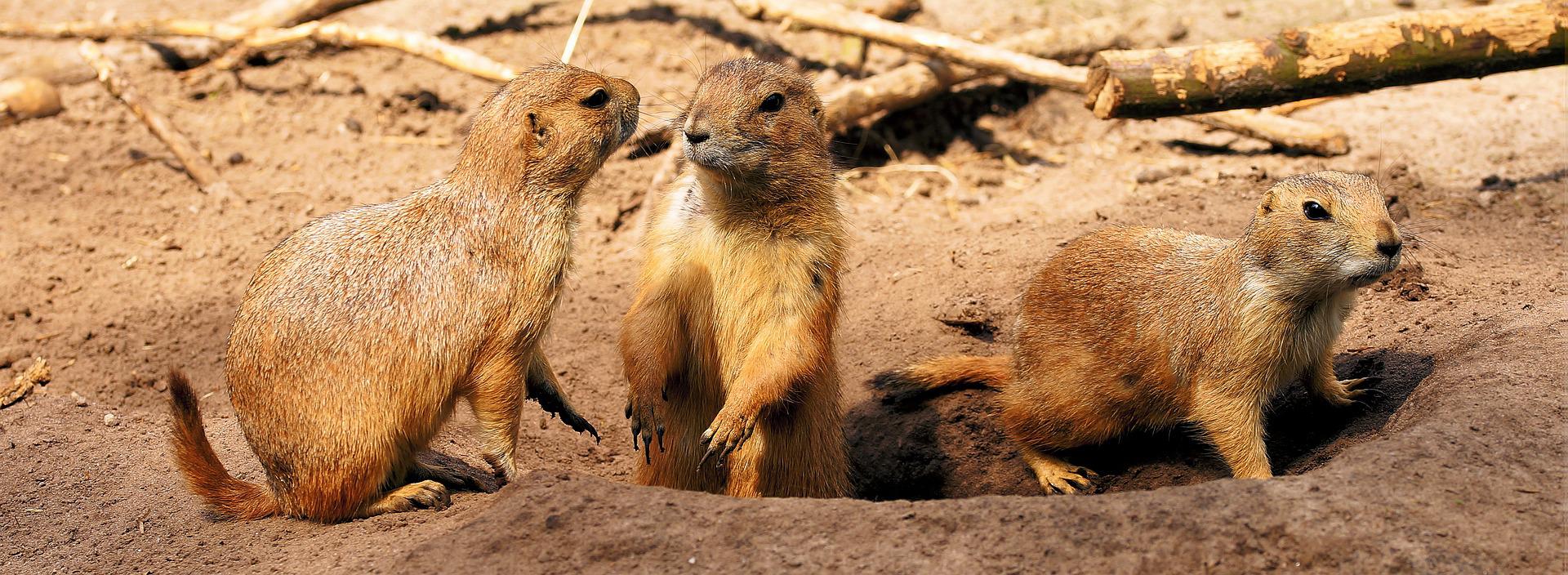
Prairie dogs digging and expanding their underground "towns."
Ice that thaws and refreezes.
Wind.
The surface of the rock changing chemically into something else.
True
False
Physical and chemical weathering are different because they break the rocks down into very different size pieces over time.
Physical weathering requires a physical force to break rocks down, but chemical weathering causes compounds in the rock to react chemically.
Physical weathering involves the physical movement of broken down rock, but chemical weathering causes the rock to soften and stay in the same plaace.
Physical weathering is very slow and takes a lot longer to break down rock than chemical weathering does.
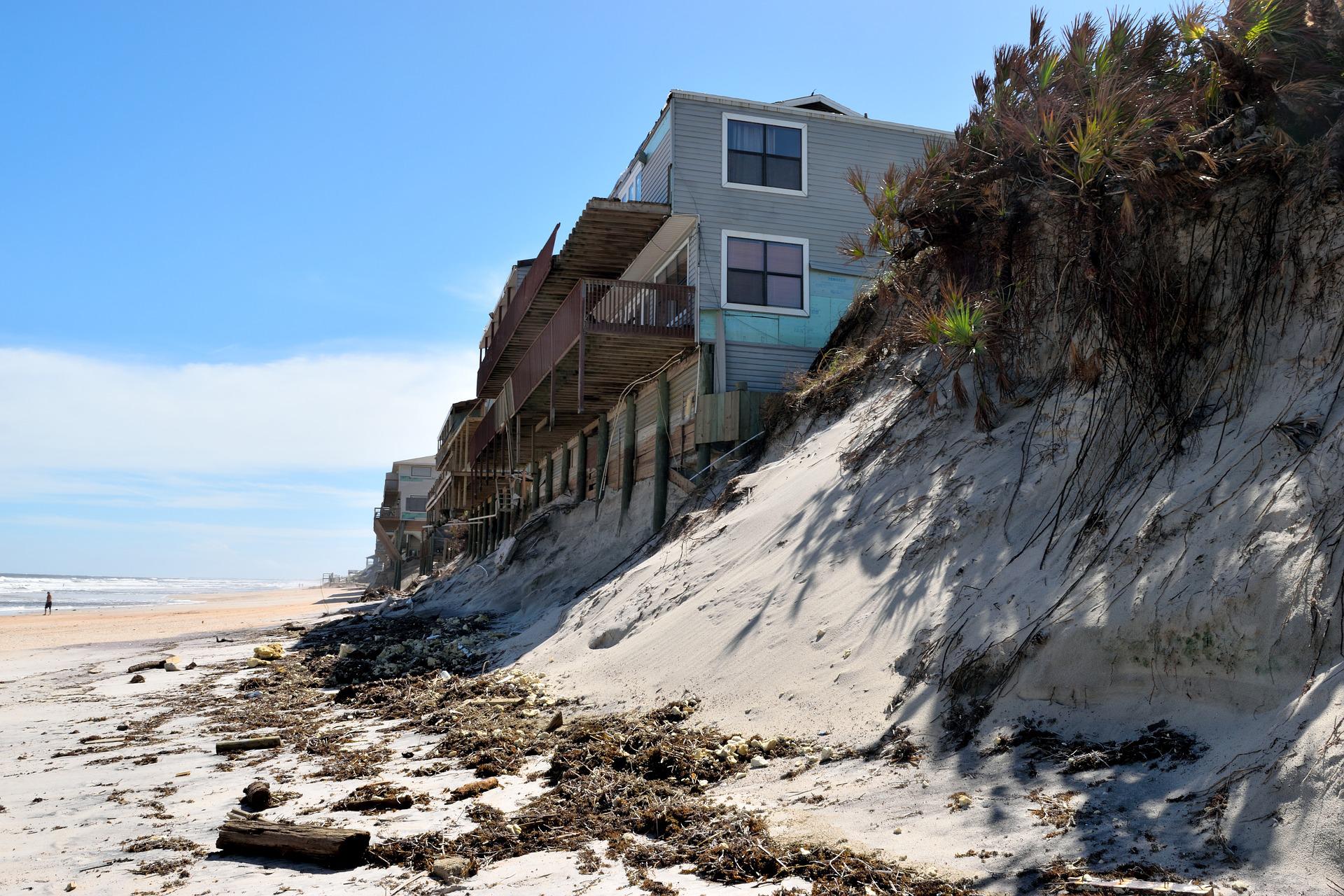
Weathering
Potential
Magnetic
Erosion
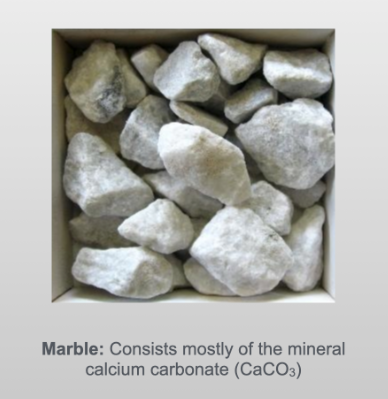
No. They would chemically weather at the same speed because the boulder and the chips are made of the same minerals.
Yes. The marble chips are already smaller than a boulder, so they are probably softer too.
No. The boulder would weather faster because it's surface is huge and it is outside, so chemicals and acid rain would break it down faster.
Yes. The marble chips provide more surface area for the chemical weathering to act upon.
Clay.
Fossils.
Organic material.
They would all be equally beneficial.
Clear all the trees away so you have a great, wide open view.
Build a wall to slow down the movement of water.
Plant bushes and trees on the slope so they can help hold the soil in place.
Nothing, because you can't stop the forces of nature.
Weathering
Erosion
Chemical change
Transduction
True
False
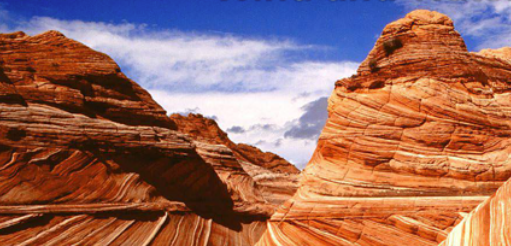
A couple of sand storms in the last century.
Millions of years of erosion by wind.
Thousands of years of erosion by rain and snow.
Chemical weathering due to Carbonic acid and Sulfuric acid.
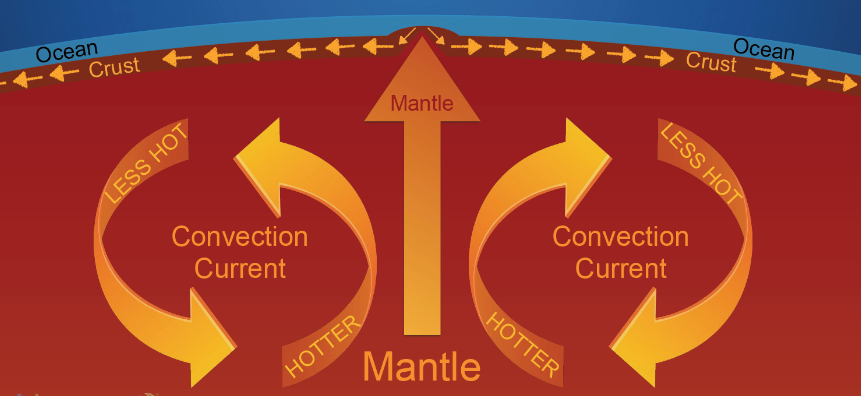
The movement of the Earth's tectonic plates.
The cooling of lava into igneous rock.
The warming of the oceans.
The fact that there are also convection currents in Earth's atmosphere.
Power plants releasing Sulfur dioxide into the air.
Animals breathing out Carbon dioxide into the air.
Plants releasing Oxygen into the air.
Strong winds blowing over a field.
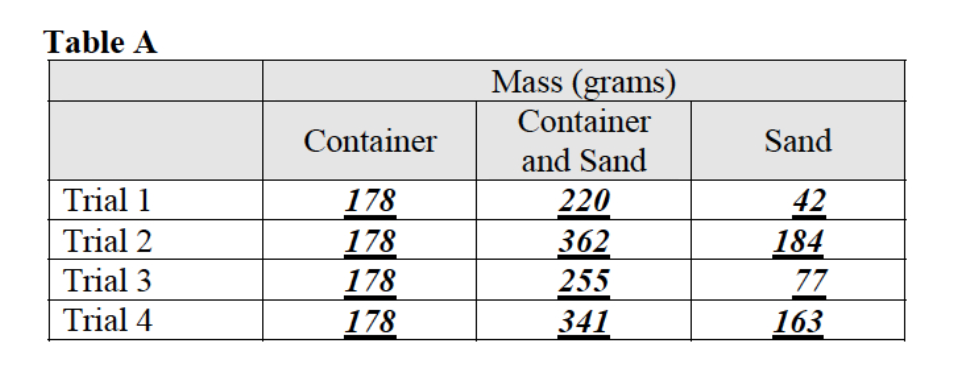
Trial 1.
Trial 2.
Trial 3.
Trial 4.
Physical weathering breaks rocks into smaller pieces so more surface is available for chemical weathering to act on.
Physical weathering involves force and it always happens first. Chemical weathering requires very special conditions afterwards.
Chemical weathering causes chemical changes in the rock's surface that attracts animals to help it break down physically.
Chemical weathering can change and soften a rock's surface so that it is easier for physical weathering to break it apart.
water cycle
carbon cycle
rock cycle
subcycle
Because without weathering and erosion there would be no soil.
Because they combine to change the Earth's surface, and that change is necessary.
Because without weathering and erosion we would not have any sand on the beaches.
Because they combine to keep the convection currents in the mantle moving.
meter stick
sleeve
siphon
sieve
True
False
True
False
The very high temperature of a substance.
The transfer of thermal energy.
The total amount of energy in a substance.
How high you turn on your oven.
Milligrams
Capacity
Joules
Newtons
True
False
A.
B.
C.
D.
The liquid would expand.
The liquid would contract.
The liquid could become a gas.
The liquid could become a solid.
Low specific heat capacity, so the temperature of the cup will stay low.
Low specific heat capacity so the heat will transfer to the cup quickly and cool off the hot chocolate.
High specific heat capacity because the hot chocolate will stay hot longer.
High specific heat capacity because the cup will not absorb the heat as quickly, and it will be easier to hold the cup to drink.
Water chamber
Thermometer
Joule
Calorimeter
Potential energy
Expansion energy
Kinetic energy
Current energy
The transfer of kinetic energy from an area of high temperature to one of lower temperature.
The amount of heat needed to raise the temperature of 1 gram of a substance by 1 degree Celsius.
The total amount of heat that a substance can absorb and hold.
The temperature at which an object has absorbed too much heat and has to transfer it to something else.
When the kinetic energy of a liquid decreases, so does its temperature.
When the kinetic energy of a liquid decreases, the temperature stays constant.
When the kinetic energy of a liquid increases, its temperature increases too.
When the kinetic energy of a liquid increases, the temperature of the liquid doesn't change. It only expands.
The heat will remain at equilibrium in cube 2.
The heat will transfer to cube 1.
The heat will transfer to cube 3.
The heat will transfer to both cube 1 and cube 3.
The kinetic energy of the water molecules decreases.
A change in the state of matter occurs.
New bonds are formed between the water molecules.
The increased kinetic energy causes the water molecules to move faster.
He should add more salt to both cups, and use cup A to measure the boiling point and cup B to measure the freezing point.
He should add more water to both cups and use cup A to measure the boiling point and cup B to measure the freezing point.
He should add more salt to cup A and use it to measure the boiling point. He should add more water to cup B and use it to measure the freezing point.
He should add more salt to cup A and use it to measure the freezing point. He should add more water to cup A and use it to measure the boiling point.
Gormex.
Slipon.
Proof-ax.
Silibase.
The heat from the fire is transferring into the air around the fire.
The cold air around the fire is causing it to burn lower.
The heat from the fire is transferring into the marshmallow, causing it to become toasted.
The stick is absorbing cool air from around the fire so it doesn't get too hot.
The liquid contracted, then contracted again, and then expanded.
The liquid contracted, then expanded, and then contracted more than in Trial 1.
The liquid expanded, then contracted, and then expanded more than in Trial 1.
The liquid expanded, then contracted, and then expanded less than in Trial 1.
Coldness from the cube was absorbed by the water.
The styrofoam cup absorbed some of the heat from the water.
The metal cube destroyed the heat energy in the water.
Heat from the water transferred to the metal cube.
State of matter
State of shock
State of equlibrium
None of these
Cube 2 will maintain at its starting temperature.
Cube 2 will come to a higher temperature as heat transfers to it from cubes 1 and 3.
Cube 2 will get cooler.
There is no way to tell.
The road is actually shifting because of an earthquake.
The road is shifting because of the sand moving under it.
Over the years, animals have dug under the road and made it wiggly.
The air just above the road is so full of kinetic energy from the heat that the movement of the air appears to bend the road.
Salt causes the ice to melt because it increases the temperature at which it will freeze.
Salt causes the ice to melt because it lowers the temperature at which it will freeze.
Salt causes the ice to melt because it increases the temperature of the road.
None of the above answers are correct.
Freezing point depression.
Freezing point elevation.
Boiling point depression.
Boiling point elevation.
The very high temperature of a substance.
The transfer of thermal energy.
The total amount of energy in a substance.
How high you turn on your oven.
Milligrams
Capacity
Joules
Newtons
True
False
A.
B.
C.
D.
The liquid would expand.
The liquid would contract.
The liquid could become a gas.
The liquid could become a solid.
Low specific heat capacity, so the temperature of the cup will stay low.
Low specific heat capacity so the heat will transfer to the cup quickly and cool off the hot chocolate.
High specific heat capacity because the hot chocolate will stay hot longer.
High specific heat capacity because the cup will not absorb the heat as quickly, and it will be easier to hold the cup to drink.
Water chamber
Thermometer
Joule
Calorimeter
Potential energy
Expansion energy
Kinetic energy
Current energy
The transfer of kinetic energy from an area of high temperature to one of lower temperature.
The amount of heat needed to raise the temperature of 1 gram of a substance by 1 degree Celsius.
The total amount of heat that a substance can absorb and hold.
The temperature at which an object has absorbed too much heat and has to transfer it to something else.
When the kinetic energy of a liquid decreases, so does its temperature.
When the kinetic energy of a liquid decreases, the temperature stays constant.
When the kinetic energy of a liquid increases, its temperature increases too.
When the kinetic energy of a liquid increases, the temperature of the liquid doesn't change. It only expands.
The heat will remain at equilibrium in cube 2.
The heat will transfer to cube 1.
The heat will transfer to cube 3.
The heat will transfer to both cube 1 and cube 3.
The kinetic energy of the water molecules decreases.
A change in the state of matter occurs.
New bonds are formed between the water molecules.
The increased kinetic energy causes the water molecules to move faster.
He should add more salt to both cups, and use cup A to measure the boiling point and cup B to measure the freezing point.
He should add more water to both cups and use cup A to measure the boiling point and cup B to measure the freezing point.
He should add more salt to cup A and use it to measure the boiling point. He should add more water to cup B and use it to measure the freezing point.
He should add more salt to cup A and use it to measure the freezing point. He should add more water to cup A and use it to measure the boiling point.
Gormex.
Slipon.
Proof-ax.
Silibase.
The heat from the fire is transferring into the air around the fire.
The cold air around the fire is causing it to burn lower.
The heat from the fire is transferring into the marshmallow, causing it to become toasted.
The stick is absorbing cool air from around the fire so it doesn't get too hot.
The liquid contracted, then contracted again, and then expanded.
The liquid contracted, then expanded, and then contracted more than in Trial 1.
The liquid expanded, then contracted, and then expanded more than in Trial 1.
The liquid expanded, then contracted, and then expanded less than in Trial 1.
Coldness from the cube was absorbed by the water.
The styrofoam cup absorbed some of the heat from the water.
The metal cube destroyed the heat energy in the water.
Heat from the water transferred to the metal cube.
State of matter
State of shock
State of equlibrium
None of these
Cube 2 will maintain at its starting temperature.
Cube 2 will come to a higher temperature as heat transfers to it from cubes 1 and 3.
Cube 2 will get cooler.
There is no way to tell.
The road is actually shifting because of an earthquake.
The road is shifting because of the sand moving under it.
Over the years, animals have dug under the road and made it wiggly.
The air just above the road is so full of kinetic energy from the heat that the movement of the air appears to bend the road.
The very high temperature of a substance.
The transfer of thermal energy.
The total amount of energy in a substance.
How high you turn on your oven.
Milligrams
Capacity
Joules
Newtons
True
False
A.
B.
C.
D.
The liquid would expand.
The liquid would contract.
The liquid could become a gas.
The liquid could become a solid.
Low specific heat capacity, so the temperature of the cup will stay low.
Low specific heat capacity so the heat will transfer to the cup quickly and cool off the hot chocolate.
High specific heat capacity because the hot chocolate will stay hot longer.
High specific heat capacity because the cup will not absorb the heat as quickly, and it will be easier to hold the cup to drink.
Water chamber
Thermometer
Joule
Calorimeter
Potential energy
Expansion energy
Kinetic energy
Current energy
The transfer of kinetic energy from an area of high temperature to one of lower temperature.
The amount of heat needed to raise the temperature of 1 gram of a substance by 1 degree Celsius.
The total amount of heat that a substance can absorb and hold.
The temperature at which an object has absorbed too much heat and has to transfer it to something else.
When the kinetic energy of a liquid decreases, so does its temperature.
When the kinetic energy of a liquid decreases, the temperature stays constant.
When the kinetic energy of a liquid increases, its temperature increases too.
When the kinetic energy of a liquid increases, the temperature of the liquid doesn't change. It only expands.
The heat will remain at equilibrium in cube 2.
The heat will transfer to cube 1.
The heat will transfer to cube 3.
The heat will transfer to both cube 1 and cube 3.
The kinetic energy of the water molecules decreases.
A change in the state of matter occurs.
New bonds are formed between the water molecules.
The increased kinetic energy causes the water molecules to move faster.
He should add more salt to both cups, and use cup A to measure the boiling point and cup B to measure the freezing point.
He should add more water to both cups and use cup A to measure the boiling point and cup B to measure the freezing point.
He should add more salt to cup A and use it to measure the boiling point. He should add more water to cup B and use it to measure the freezing point.
He should add more salt to cup A and use it to measure the freezing point. He should add more water to cup A and use it to measure the boiling point.
Gormex.
Slipon.
Proof-ax.
Silibase.
The heat from the fire is transferring into the air around the fire.
The cold air around the fire is causing it to burn lower.
The heat from the fire is transferring into the marshmallow, causing it to become toasted.
The stick is absorbing cool air from around the fire so it doesn't get too hot.
The liquid contracted, then contracted again, and then expanded.
The liquid contracted, then expanded, and then contracted more than in Trial 1.
The liquid expanded, then contracted, and then expanded more than in Trial 1.
The liquid expanded, then contracted, and then expanded less than in Trial 1.
Coldness from the cube was absorbed by the water.
The styrofoam cup absorbed some of the heat from the water.
The metal cube destroyed the heat energy in the water.
Heat from the water transferred to the metal cube.
State of matter
State of shock
State of equlibrium
None of these
Cube 2 will maintain at its starting temperature.
Cube 2 will come to a higher temperature as heat transfers to it from cubes 1 and 3.
Cube 2 will get cooler.
There is no way to tell.
The road is actually shifting because of an earthquake.
The road is shifting because of the sand moving under it.
Over the years, animals have dug under the road and made it wiggly.
The air just above the road is so full of kinetic energy from the heat that the movement of the air appears to bend the road.
The very high temperature of a substance.
The transfer of thermal energy.
The total amount of energy in a substance.
How high you turn on your oven.
Milligrams
Capacity
Joules
Newtons
True
False
A.
B.
C.
D.
The liquid would expand.
The liquid would contract.
The liquid could become a gas.
The liquid could become a solid.
Low specific heat capacity, so the temperature of the cup will stay low.
Low specific heat capacity so the heat will transfer to the cup quickly and cool off the hot chocolate.
High specific heat capacity because the hot chocolate will stay hot longer.
High specific heat capacity because the cup will not absorb the heat as quickly, and it will be easier to hold the cup to drink.
Water chamber
Thermometer
Joule
Calorimeter
Potential energy
Expansion energy
Kinetic energy
Current energy
The transfer of kinetic energy from an area of high temperature to one of lower temperature.
The amount of heat needed to raise the temperature of 1 gram of a substance by 1 degree Celsius.
The total amount of heat that a substance can absorb and hold.
The temperature at which an object has absorbed too much heat and has to transfer it to something else.
When the kinetic energy of a liquid decreases, so does its temperature.
When the kinetic energy of a liquid decreases, the temperature stays constant.
When the kinetic energy of a liquid increases, its temperature increases too.
When the kinetic energy of a liquid increases, the temperature of the liquid doesn't change. It only expands.
The heat will remain at equilibrium in cube 2.
The heat will transfer to cube 1.
The heat will transfer to cube 3.
The heat will transfer to both cube 1 and cube 3.
The kinetic energy of the water molecules decreases.
A change in the state of matter occurs.
New bonds are formed between the water molecules.
The increased kinetic energy causes the water molecules to move faster.
He should add more salt to both cups, and use cup A to measure the boiling point and cup B to measure the freezing point.
He should add more water to both cups and use cup A to measure the boiling point and cup B to measure the freezing point.
He should add more salt to cup A and use it to measure the boiling point. He should add more water to cup B and use it to measure the freezing point.
He should add more salt to cup A and use it to measure the freezing point. He should add more water to cup A and use it to measure the boiling point.
Gormex.
Slipon.
Proof-ax.
Silibase.
The heat from the fire is transferring into the air around the fire.
The cold air around the fire is causing it to burn lower.
The heat from the fire is transferring into the marshmallow, causing it to become toasted.
The stick is absorbing cool air from around the fire so it doesn't get too hot.
The liquid contracted, then contracted again, and then expanded.
The liquid contracted, then expanded, and then contracted more than in Trial 1.
The liquid expanded, then contracted, and then expanded more than in Trial 1.
The liquid expanded, then contracted, and then expanded less than in Trial 1.
Coldness from the cube was absorbed by the water.
The styrofoam cup absorbed some of the heat from the water.
The metal cube destroyed the heat energy in the water.
Heat from the water transferred to the metal cube.
State of matter
State of shock
State of equlibrium
None of these
Cube 2 will maintain at its starting temperature.
Cube 2 will come to a higher temperature as heat transfers to it from cubes 1 and 3.
Cube 2 will get cooler.
There is no way to tell.
The road is actually shifting because of an earthquake.
The road is shifting because of the sand moving under it.
Over the years, animals have dug under the road and made it wiggly.
The air just above the road is so full of kinetic energy from the heat that the movement of the air appears to bend the road.
Gold, Iron.
Iron, Gold.
calorie
specific heat capacity
heat of combustion
specific heat index
Joules.
Degrees Celsius.
Newtons.
Degrees Fahrenheit.
Solid state
State of equilibrium
Inertial state
State of equivalence
First, multiply the mass of the solid times the change in temperature of the water. Then divide the product by the mass of the water times the change in temperature of the solid.
First, add the mass of the water and the mass of the solid. Then multiply the product by the changes in temperature added together.
First, multiply the mass of the water times the change in temperature of the water. Then divide the product by the mass of the solid times the change in temperature of the solid.
First, multiply the mass of the water times the change in temperature of the water. Then divide the product by the number of minutes it took for the temperature of the water to become steady.
True
False
Gold, Iron.
Iron, Gold.
calorie
specific heat capacity
heat of combustion
specific heat index
Joules.
Degrees Celsius.
Newtons.
Degrees Fahrenheit.
Solid state
State of equilibrium
Inertial state
State of equivalence
First, multiply the mass of the solid times the change in temperature of the water. Then divide the product by the mass of the water times the change in temperature of the solid.
First, add the mass of the water and the mass of the solid. Then multiply the product by the changes in temperature added together.
First, multiply the mass of the water times the change in temperature of the water. Then divide the product by the mass of the solid times the change in temperature of the solid.
First, multiply the mass of the water times the change in temperature of the water. Then divide the product by the number of minutes it took for the temperature of the water to become steady.
True
False
Gold, Iron.
Iron, Gold.
calorie
specific heat capacity
heat of combustion
specific heat index
Joules.
Degrees Celsius.
Newtons.
Degrees Fahrenheit.
Solid state
State of equilibrium
Inertial state
State of equivalence
First, multiply the mass of the solid times the change in temperature of the water. Then divide the product by the mass of the water times the change in temperature of the solid.
First, add the mass of the water and the mass of the solid. Then multiply the product by the changes in temperature added together.
First, multiply the mass of the water times the change in temperature of the water. Then divide the product by the mass of the solid times the change in temperature of the solid.
First, multiply the mass of the water times the change in temperature of the water. Then divide the product by the number of minutes it took for the temperature of the water to become steady.
True
False
The very high temperature of a substance.
The transfer of thermal energy.
The total amount of energy in a substance.
How high you turn on your oven.
Milligrams
Capacity
Joules
Newtons
True
False
A.
B.
C.
D.
The liquid would expand.
The liquid would contract.
The liquid could become a gas.
The liquid could become a solid.
Low specific heat capacity, so the temperature of the cup will stay low.
Low specific heat capacity so the heat will transfer to the cup quickly and cool off the hot chocolate.
High specific heat capacity because the hot chocolate will stay hot longer.
High specific heat capacity because the cup will not absorb the heat as quickly, and it will be easier to hold the cup to drink.
Water chamber
Thermometer
Joule
Calorimeter
Potential energy
Expansion energy
Kinetic energy
Current energy
The transfer of kinetic energy from an area of high temperature to one of lower temperature.
The amount of heat needed to raise the temperature of 1 gram of a substance by 1 degree Celsius.
The total amount of heat that a substance can absorb and hold.
The temperature at which an object has absorbed too much heat and has to transfer it to something else.
When the kinetic energy of a liquid decreases, so does its temperature.
When the kinetic energy of a liquid decreases, the temperature stays constant.
When the kinetic energy of a liquid increases, its temperature increases too.
When the kinetic energy of a liquid increases, the temperature of the liquid doesn't change. It only expands.
The heat will remain at equilibrium in cube 2.
The heat will transfer to cube 1.
The heat will transfer to cube 3.
The heat will transfer to both cube 1 and cube 3.
The kinetic energy of the water molecules decreases.
A change in the state of matter occurs.
New bonds are formed between the water molecules.
The increased kinetic energy causes the water molecules to move faster.
He should add more salt to both cups, and use cup A to measure the boiling point and cup B to measure the freezing point.
He should add more water to both cups and use cup A to measure the boiling point and cup B to measure the freezing point.
He should add more salt to cup A and use it to measure the boiling point. He should add more water to cup B and use it to measure the freezing point.
He should add more salt to cup A and use it to measure the freezing point. He should add more water to cup A and use it to measure the boiling point.
Gormex.
Slipon.
Proof-ax.
Silibase.
The heat from the fire is transferring into the air around the fire.
The cold air around the fire is causing it to burn lower.
The heat from the fire is transferring into the marshmallow, causing it to become toasted.
The stick is absorbing cool air from around the fire so it doesn't get too hot.
The liquid contracted, then contracted again, and then expanded.
The liquid contracted, then expanded, and then contracted more than in Trial 1.
The liquid expanded, then contracted, and then expanded more than in Trial 1.
The liquid expanded, then contracted, and then expanded less than in Trial 1.
Coldness from the cube was absorbed by the water.
The styrofoam cup absorbed some of the heat from the water.
The metal cube destroyed the heat energy in the water.
Heat from the water transferred to the metal cube.
State of matter
State of shock
State of equlibrium
None of these
Cube 2 will maintain at its starting temperature.
Cube 2 will come to a higher temperature as heat transfers to it from cubes 1 and 3.
Cube 2 will get cooler.
There is no way to tell.
The road is actually shifting because of an earthquake.
The road is shifting because of the sand moving under it.
Over the years, animals have dug under the road and made it wiggly.
The air just above the road is so full of kinetic energy from the heat that the movement of the air appears to bend the road.
Salt causes the ice to melt because it increases the temperature at which it will freeze.
Salt causes the ice to melt because it lowers the temperature at which it will freeze.
Salt causes the ice to melt because it increases the temperature of the road.
None of the above answers are correct.
Freezing point depression.
Freezing point elevation.
Boiling point depression.
Boiling point elevation.
Gold, Iron.
Iron, Gold.
calorie
specific heat capacity
heat of combustion
specific heat index
Joules.
Degrees Celsius.
Newtons.
Degrees Fahrenheit.
Solid state
State of equilibrium
Inertial state
State of equivalence
First, multiply the mass of the solid times the change in temperature of the water. Then divide the product by the mass of the water times the change in temperature of the solid.
First, add the mass of the water and the mass of the solid. Then multiply the product by the changes in temperature added together.
First, multiply the mass of the water times the change in temperature of the water. Then divide the product by the mass of the solid times the change in temperature of the solid.
First, multiply the mass of the water times the change in temperature of the water. Then divide the product by the number of minutes it took for the temperature of the water to become steady.
True
False
The very high temperature of a substance.
The transfer of thermal energy.
The total amount of energy in a substance.
How high you turn on your oven.
Milligrams
Capacity
Joules
Newtons
True
False
A.
B.
C.
D.
The liquid would expand.
The liquid would contract.
The liquid could become a gas.
The liquid could become a solid.
Low specific heat capacity, so the temperature of the cup will stay low.
Low specific heat capacity so the heat will transfer to the cup quickly and cool off the hot chocolate.
High specific heat capacity because the hot chocolate will stay hot longer.
High specific heat capacity because the cup will not absorb the heat as quickly, and it will be easier to hold the cup to drink.
Water chamber
Thermometer
Joule
Calorimeter
Potential energy
Expansion energy
Kinetic energy
Current energy
The transfer of kinetic energy from an area of high temperature to one of lower temperature.
The amount of heat needed to raise the temperature of 1 gram of a substance by 1 degree Celsius.
The total amount of heat that a substance can absorb and hold.
The temperature at which an object has absorbed too much heat and has to transfer it to something else.
When the kinetic energy of a liquid decreases, so does its temperature.
When the kinetic energy of a liquid decreases, the temperature stays constant.
When the kinetic energy of a liquid increases, its temperature increases too.
When the kinetic energy of a liquid increases, the temperature of the liquid doesn't change. It only expands.
The heat will remain at equilibrium in cube 2.
The heat will transfer to cube 1.
The heat will transfer to cube 3.
The heat will transfer to both cube 1 and cube 3.
The kinetic energy of the water molecules decreases.
A change in the state of matter occurs.
New bonds are formed between the water molecules.
The increased kinetic energy causes the water molecules to move faster.
He should add more salt to both cups, and use cup A to measure the boiling point and cup B to measure the freezing point.
He should add more water to both cups and use cup A to measure the boiling point and cup B to measure the freezing point.
He should add more salt to cup A and use it to measure the boiling point. He should add more water to cup B and use it to measure the freezing point.
He should add more salt to cup A and use it to measure the freezing point. He should add more water to cup A and use it to measure the boiling point.
Gormex.
Slipon.
Proof-ax.
Silibase.
The heat from the fire is transferring into the air around the fire.
The cold air around the fire is causing it to burn lower.
The heat from the fire is transferring into the marshmallow, causing it to become toasted.
The stick is absorbing cool air from around the fire so it doesn't get too hot.
The liquid contracted, then contracted again, and then expanded.
The liquid contracted, then expanded, and then contracted more than in Trial 1.
The liquid expanded, then contracted, and then expanded more than in Trial 1.
The liquid expanded, then contracted, and then expanded less than in Trial 1.
Coldness from the cube was absorbed by the water.
The styrofoam cup absorbed some of the heat from the water.
The metal cube destroyed the heat energy in the water.
Heat from the water transferred to the metal cube.
State of matter
State of shock
State of equlibrium
None of these
Cube 2 will maintain at its starting temperature.
Cube 2 will come to a higher temperature as heat transfers to it from cubes 1 and 3.
Cube 2 will get cooler.
There is no way to tell.
The road is actually shifting because of an earthquake.
The road is shifting because of the sand moving under it.
Over the years, animals have dug under the road and made it wiggly.
The air just above the road is so full of kinetic energy from the heat that the movement of the air appears to bend the road.
Salt causes the ice to melt because it increases the temperature at which it will freeze.
Salt causes the ice to melt because it lowers the temperature at which it will freeze.
Salt causes the ice to melt because it increases the temperature of the road.
None of the above answers are correct.
Freezing point depression.
Freezing point elevation.
Boiling point depression.
Boiling point elevation.
The very high temperature of a substance.
The transfer of thermal energy.
The total amount of energy in a substance.
How high you turn on your oven.
Milligrams
Capacity
Joules
Newtons
True
False
A.
B.
C.
D.
The liquid would expand.
The liquid would contract.
The liquid could become a gas.
The liquid could become a solid.
Low specific heat capacity, so the temperature of the cup will stay low.
Low specific heat capacity so the heat will transfer to the cup quickly and cool off the hot chocolate.
High specific heat capacity because the hot chocolate will stay hot longer.
High specific heat capacity because the cup will not absorb the heat as quickly, and it will be easier to hold the cup to drink.
Water chamber
Thermometer
Joule
Calorimeter
Potential energy
Expansion energy
Kinetic energy
Current energy
The transfer of kinetic energy from an area of high temperature to one of lower temperature.
The amount of heat needed to raise the temperature of 1 gram of a substance by 1 degree Celsius.
The total amount of heat that a substance can absorb and hold.
The temperature at which an object has absorbed too much heat and has to transfer it to something else.
When the kinetic energy of a liquid decreases, so does its temperature.
When the kinetic energy of a liquid decreases, the temperature stays constant.
When the kinetic energy of a liquid increases, its temperature increases too.
When the kinetic energy of a liquid increases, the temperature of the liquid doesn't change. It only expands.
The heat will remain at equilibrium in cube 2.
The heat will transfer to cube 1.
The heat will transfer to cube 3.
The heat will transfer to both cube 1 and cube 3.
The kinetic energy of the water molecules decreases.
A change in the state of matter occurs.
New bonds are formed between the water molecules.
The increased kinetic energy causes the water molecules to move faster.
He should add more salt to both cups, and use cup A to measure the boiling point and cup B to measure the freezing point.
He should add more water to both cups and use cup A to measure the boiling point and cup B to measure the freezing point.
He should add more salt to cup A and use it to measure the boiling point. He should add more water to cup B and use it to measure the freezing point.
He should add more salt to cup A and use it to measure the freezing point. He should add more water to cup A and use it to measure the boiling point.
Gormex.
Slipon.
Proof-ax.
Silibase.
The heat from the fire is transferring into the air around the fire.
The cold air around the fire is causing it to burn lower.
The heat from the fire is transferring into the marshmallow, causing it to become toasted.
The stick is absorbing cool air from around the fire so it doesn't get too hot.
The liquid contracted, then contracted again, and then expanded.
The liquid contracted, then expanded, and then contracted more than in Trial 1.
The liquid expanded, then contracted, and then expanded more than in Trial 1.
The liquid expanded, then contracted, and then expanded less than in Trial 1.
Coldness from the cube was absorbed by the water.
The styrofoam cup absorbed some of the heat from the water.
The metal cube destroyed the heat energy in the water.
Heat from the water transferred to the metal cube.
State of matter
State of shock
State of equlibrium
None of these
Cube 2 will maintain at its starting temperature.
Cube 2 will come to a higher temperature as heat transfers to it from cubes 1 and 3.
Cube 2 will get cooler.
There is no way to tell.
The road is actually shifting because of an earthquake.
The road is shifting because of the sand moving under it.
Over the years, animals have dug under the road and made it wiggly.
The air just above the road is so full of kinetic energy from the heat that the movement of the air appears to bend the road.
The very high temperature of a substance.
The transfer of thermal energy.
The total amount of energy in a substance.
How high you turn on your oven.
Milligrams
Capacity
Joules
Newtons
True
False
A.
B.
C.
D.
The liquid would expand.
The liquid would contract.
The liquid could become a gas.
The liquid could become a solid.
Low specific heat capacity, so the temperature of the cup will stay low.
Low specific heat capacity so the heat will transfer to the cup quickly and cool off the hot chocolate.
High specific heat capacity because the hot chocolate will stay hot longer.
High specific heat capacity because the cup will not absorb the heat as quickly, and it will be easier to hold the cup to drink.
Water chamber
Thermometer
Joule
Calorimeter
Potential energy
Expansion energy
Kinetic energy
Current energy
The transfer of kinetic energy from an area of high temperature to one of lower temperature.
The amount of heat needed to raise the temperature of 1 gram of a substance by 1 degree Celsius.
The total amount of heat that a substance can absorb and hold.
The temperature at which an object has absorbed too much heat and has to transfer it to something else.
When the kinetic energy of a liquid decreases, so does its temperature.
When the kinetic energy of a liquid decreases, the temperature stays constant.
When the kinetic energy of a liquid increases, its temperature increases too.
When the kinetic energy of a liquid increases, the temperature of the liquid doesn't change. It only expands.
The heat will remain at equilibrium in cube 2.
The heat will transfer to cube 1.
The heat will transfer to cube 3.
The heat will transfer to both cube 1 and cube 3.
The kinetic energy of the water molecules decreases.
A change in the state of matter occurs.
New bonds are formed between the water molecules.
The increased kinetic energy causes the water molecules to move faster.
He should add more salt to both cups, and use cup A to measure the boiling point and cup B to measure the freezing point.
He should add more water to both cups and use cup A to measure the boiling point and cup B to measure the freezing point.
He should add more salt to cup A and use it to measure the boiling point. He should add more water to cup B and use it to measure the freezing point.
He should add more salt to cup A and use it to measure the freezing point. He should add more water to cup A and use it to measure the boiling point.
Gormex.
Slipon.
Proof-ax.
Silibase.
The heat from the fire is transferring into the air around the fire.
The cold air around the fire is causing it to burn lower.
The heat from the fire is transferring into the marshmallow, causing it to become toasted.
The stick is absorbing cool air from around the fire so it doesn't get too hot.
The liquid contracted, then contracted again, and then expanded.
The liquid contracted, then expanded, and then contracted more than in Trial 1.
The liquid expanded, then contracted, and then expanded more than in Trial 1.
The liquid expanded, then contracted, and then expanded less than in Trial 1.
Coldness from the cube was absorbed by the water.
The styrofoam cup absorbed some of the heat from the water.
The metal cube destroyed the heat energy in the water.
Heat from the water transferred to the metal cube.
State of matter
State of shock
State of equlibrium
None of these
Cube 2 will maintain at its starting temperature.
Cube 2 will come to a higher temperature as heat transfers to it from cubes 1 and 3.
Cube 2 will get cooler.
There is no way to tell.
The road is actually shifting because of an earthquake.
The road is shifting because of the sand moving under it.
Over the years, animals have dug under the road and made it wiggly.
The air just above the road is so full of kinetic energy from the heat that the movement of the air appears to bend the road.
Salt causes the ice to melt because it increases the temperature at which it will freeze.
Salt causes the ice to melt because it lowers the temperature at which it will freeze.
Salt causes the ice to melt because it increases the temperature of the road.
None of the above answers are correct.
Freezing point depression.
Freezing point elevation.
Boiling point depression.
Boiling point elevation.
The very high temperature of a substance.
The transfer of thermal energy.
The total amount of energy in a substance.
How high you turn on your oven.
Milligrams
Capacity
Joules
Newtons
True
False
A.
B.
C.
D.
The liquid would expand.
The liquid would contract.
The liquid could become a gas.
The liquid could become a solid.
Low specific heat capacity, so the temperature of the cup will stay low.
Low specific heat capacity so the heat will transfer to the cup quickly and cool off the hot chocolate.
High specific heat capacity because the hot chocolate will stay hot longer.
High specific heat capacity because the cup will not absorb the heat as quickly, and it will be easier to hold the cup to drink.
Water chamber
Thermometer
Joule
Calorimeter
Potential energy
Expansion energy
Kinetic energy
Current energy
The transfer of kinetic energy from an area of high temperature to one of lower temperature.
The amount of heat needed to raise the temperature of 1 gram of a substance by 1 degree Celsius.
The total amount of heat that a substance can absorb and hold.
The temperature at which an object has absorbed too much heat and has to transfer it to something else.
When the kinetic energy of a liquid decreases, so does its temperature.
When the kinetic energy of a liquid decreases, the temperature stays constant.
When the kinetic energy of a liquid increases, its temperature increases too.
When the kinetic energy of a liquid increases, the temperature of the liquid doesn't change. It only expands.
The heat will remain at equilibrium in cube 2.
The heat will transfer to cube 1.
The heat will transfer to cube 3.
The heat will transfer to both cube 1 and cube 3.
The kinetic energy of the water molecules decreases.
A change in the state of matter occurs.
New bonds are formed between the water molecules.
The increased kinetic energy causes the water molecules to move faster.
He should add more salt to both cups, and use cup A to measure the boiling point and cup B to measure the freezing point.
He should add more water to both cups and use cup A to measure the boiling point and cup B to measure the freezing point.
He should add more salt to cup A and use it to measure the boiling point. He should add more water to cup B and use it to measure the freezing point.
He should add more salt to cup A and use it to measure the freezing point. He should add more water to cup A and use it to measure the boiling point.
Gormex.
Slipon.
Proof-ax.
Silibase.
The heat from the fire is transferring into the air around the fire.
The cold air around the fire is causing it to burn lower.
The heat from the fire is transferring into the marshmallow, causing it to become toasted.
The stick is absorbing cool air from around the fire so it doesn't get too hot.
The liquid contracted, then contracted again, and then expanded.
The liquid contracted, then expanded, and then contracted more than in Trial 1.
The liquid expanded, then contracted, and then expanded more than in Trial 1.
The liquid expanded, then contracted, and then expanded less than in Trial 1.
Coldness from the cube was absorbed by the water.
The styrofoam cup absorbed some of the heat from the water.
The metal cube destroyed the heat energy in the water.
Heat from the water transferred to the metal cube.
State of matter
State of shock
State of equlibrium
None of these
Cube 2 will maintain at its starting temperature.
Cube 2 will come to a higher temperature as heat transfers to it from cubes 1 and 3.
Cube 2 will get cooler.
There is no way to tell.
The road is actually shifting because of an earthquake.
The road is shifting because of the sand moving under it.
Over the years, animals have dug under the road and made it wiggly.
The air just above the road is so full of kinetic energy from the heat that the movement of the air appears to bend the road.
The very high temperature of a substance.
The transfer of thermal energy.
The total amount of energy in a substance.
How high you turn on your oven.
Milligrams
Capacity
Joules
Newtons
True
False
A.
B.
C.
D.
The liquid would expand.
The liquid would contract.
The liquid could become a gas.
The liquid could become a solid.
Low specific heat capacity, so the temperature of the cup will stay low.
Low specific heat capacity so the heat will transfer to the cup quickly and cool off the hot chocolate.
High specific heat capacity because the hot chocolate will stay hot longer.
High specific heat capacity because the cup will not absorb the heat as quickly, and it will be easier to hold the cup to drink.
Water chamber
Thermometer
Joule
Calorimeter
Potential energy
Expansion energy
Kinetic energy
Current energy
The transfer of kinetic energy from an area of high temperature to one of lower temperature.
The amount of heat needed to raise the temperature of 1 gram of a substance by 1 degree Celsius.
The total amount of heat that a substance can absorb and hold.
The temperature at which an object has absorbed too much heat and has to transfer it to something else.
When the kinetic energy of a liquid decreases, so does its temperature.
When the kinetic energy of a liquid decreases, the temperature stays constant.
When the kinetic energy of a liquid increases, its temperature increases too.
When the kinetic energy of a liquid increases, the temperature of the liquid doesn't change. It only expands.
The heat will remain at equilibrium in cube 2.
The heat will transfer to cube 1.
The heat will transfer to cube 3.
The heat will transfer to both cube 1 and cube 3.
The kinetic energy of the water molecules decreases.
A change in the state of matter occurs.
New bonds are formed between the water molecules.
The increased kinetic energy causes the water molecules to move faster.
He should add more salt to both cups, and use cup A to measure the boiling point and cup B to measure the freezing point.
He should add more water to both cups and use cup A to measure the boiling point and cup B to measure the freezing point.
He should add more salt to cup A and use it to measure the boiling point. He should add more water to cup B and use it to measure the freezing point.
He should add more salt to cup A and use it to measure the freezing point. He should add more water to cup A and use it to measure the boiling point.
Gormex.
Slipon.
Proof-ax.
Silibase.
The heat from the fire is transferring into the air around the fire.
The cold air around the fire is causing it to burn lower.
The heat from the fire is transferring into the marshmallow, causing it to become toasted.
The stick is absorbing cool air from around the fire so it doesn't get too hot.
The liquid contracted, then contracted again, and then expanded.
The liquid contracted, then expanded, and then contracted more than in Trial 1.
The liquid expanded, then contracted, and then expanded more than in Trial 1.
The liquid expanded, then contracted, and then expanded less than in Trial 1.
Coldness from the cube was absorbed by the water.
The styrofoam cup absorbed some of the heat from the water.
The metal cube destroyed the heat energy in the water.
Heat from the water transferred to the metal cube.
State of matter
State of shock
State of equlibrium
None of these
Cube 2 will maintain at its starting temperature.
Cube 2 will come to a higher temperature as heat transfers to it from cubes 1 and 3.
Cube 2 will get cooler.
There is no way to tell.
The road is actually shifting because of an earthquake.
The road is shifting because of the sand moving under it.
Over the years, animals have dug under the road and made it wiggly.
The air just above the road is so full of kinetic energy from the heat that the movement of the air appears to bend the road.
Salt causes the ice to melt because it increases the temperature at which it will freeze.
Salt causes the ice to melt because it lowers the temperature at which it will freeze.
Salt causes the ice to melt because it increases the temperature of the road.
None of the above answers are correct.
Freezing point depression.
Freezing point elevation.
Boiling point depression.
Boiling point elevation.
The very high temperature of a substance.
The transfer of thermal energy.
The total amount of energy in a substance.
How high you turn on your oven.
Milligrams
Capacity
Joules
Newtons
True
False
A.
B.
C.
D.
The liquid would expand.
The liquid would contract.
The liquid could become a gas.
The liquid could become a solid.
Low specific heat capacity, so the temperature of the cup will stay low.
Low specific heat capacity so the heat will transfer to the cup quickly and cool off the hot chocolate.
High specific heat capacity because the hot chocolate will stay hot longer.
High specific heat capacity because the cup will not absorb the heat as quickly, and it will be easier to hold the cup to drink.
Water chamber
Thermometer
Joule
Calorimeter
Potential energy
Expansion energy
Kinetic energy
Current energy
The transfer of kinetic energy from an area of high temperature to one of lower temperature.
The amount of heat needed to raise the temperature of 1 gram of a substance by 1 degree Celsius.
The total amount of heat that a substance can absorb and hold.
The temperature at which an object has absorbed too much heat and has to transfer it to something else.
When the kinetic energy of a liquid decreases, so does its temperature.
When the kinetic energy of a liquid decreases, the temperature stays constant.
When the kinetic energy of a liquid increases, its temperature increases too.
When the kinetic energy of a liquid increases, the temperature of the liquid doesn't change. It only expands.
The heat will remain at equilibrium in cube 2.
The heat will transfer to cube 1.
The heat will transfer to cube 3.
The heat will transfer to both cube 1 and cube 3.
The kinetic energy of the water molecules decreases.
A change in the state of matter occurs.
New bonds are formed between the water molecules.
The increased kinetic energy causes the water molecules to move faster.
He should add more salt to both cups, and use cup A to measure the boiling point and cup B to measure the freezing point.
He should add more water to both cups and use cup A to measure the boiling point and cup B to measure the freezing point.
He should add more salt to cup A and use it to measure the boiling point. He should add more water to cup B and use it to measure the freezing point.
He should add more salt to cup A and use it to measure the freezing point. He should add more water to cup A and use it to measure the boiling point.
Gormex.
Slipon.
Proof-ax.
Silibase.
The heat from the fire is transferring into the air around the fire.
The cold air around the fire is causing it to burn lower.
The heat from the fire is transferring into the marshmallow, causing it to become toasted.
The stick is absorbing cool air from around the fire so it doesn't get too hot.
The liquid contracted, then contracted again, and then expanded.
The liquid contracted, then expanded, and then contracted more than in Trial 1.
The liquid expanded, then contracted, and then expanded more than in Trial 1.
The liquid expanded, then contracted, and then expanded less than in Trial 1.
Coldness from the cube was absorbed by the water.
The styrofoam cup absorbed some of the heat from the water.
The metal cube destroyed the heat energy in the water.
Heat from the water transferred to the metal cube.
State of matter
State of shock
State of equlibrium
None of these
Cube 2 will maintain at its starting temperature.
Cube 2 will come to a higher temperature as heat transfers to it from cubes 1 and 3.
Cube 2 will get cooler.
There is no way to tell.
The road is actually shifting because of an earthquake.
The road is shifting because of the sand moving under it.
Over the years, animals have dug under the road and made it wiggly.
The air just above the road is so full of kinetic energy from the heat that the movement of the air appears to bend the road.
Salt causes the ice to melt because it increases the temperature at which it will freeze.
Salt causes the ice to melt because it lowers the temperature at which it will freeze.
Salt causes the ice to melt because it increases the temperature of the road.
None of the above answers are correct.
Freezing point depression.
Freezing point elevation.
Boiling point depression.
Boiling point elevation.
The very high temperature of a substance.
The transfer of thermal energy.
The total amount of energy in a substance.
How high you turn on your oven.
Milligrams
Capacity
Joules
Newtons
True
False
A.
B.
C.
D.
The liquid would expand.
The liquid would contract.
The liquid could become a gas.
The liquid could become a solid.
Low specific heat capacity, so the temperature of the cup will stay low.
Low specific heat capacity so the heat will transfer to the cup quickly and cool off the hot chocolate.
High specific heat capacity because the hot chocolate will stay hot longer.
High specific heat capacity because the cup will not absorb the heat as quickly, and it will be easier to hold the cup to drink.
Water chamber
Thermometer
Joule
Calorimeter
Potential energy
Expansion energy
Kinetic energy
Current energy
The transfer of kinetic energy from an area of high temperature to one of lower temperature.
The amount of heat needed to raise the temperature of 1 gram of a substance by 1 degree Celsius.
The total amount of heat that a substance can absorb and hold.
The temperature at which an object has absorbed too much heat and has to transfer it to something else.
When the kinetic energy of a liquid decreases, so does its temperature.
When the kinetic energy of a liquid decreases, the temperature stays constant.
When the kinetic energy of a liquid increases, its temperature increases too.
When the kinetic energy of a liquid increases, the temperature of the liquid doesn't change. It only expands.
The heat will remain at equilibrium in cube 2.
The heat will transfer to cube 1.
The heat will transfer to cube 3.
The heat will transfer to both cube 1 and cube 3.
The kinetic energy of the water molecules decreases.
A change in the state of matter occurs.
New bonds are formed between the water molecules.
The increased kinetic energy causes the water molecules to move faster.
He should add more salt to both cups, and use cup A to measure the boiling point and cup B to measure the freezing point.
He should add more water to both cups and use cup A to measure the boiling point and cup B to measure the freezing point.
He should add more salt to cup A and use it to measure the boiling point. He should add more water to cup B and use it to measure the freezing point.
He should add more salt to cup A and use it to measure the freezing point. He should add more water to cup A and use it to measure the boiling point.
Gormex.
Slipon.
Proof-ax.
Silibase.
The heat from the fire is transferring into the air around the fire.
The cold air around the fire is causing it to burn lower.
The heat from the fire is transferring into the marshmallow, causing it to become toasted.
The stick is absorbing cool air from around the fire so it doesn't get too hot.
The liquid contracted, then contracted again, and then expanded.
The liquid contracted, then expanded, and then contracted more than in Trial 1.
The liquid expanded, then contracted, and then expanded more than in Trial 1.
The liquid expanded, then contracted, and then expanded less than in Trial 1.
Coldness from the cube was absorbed by the water.
The styrofoam cup absorbed some of the heat from the water.
The metal cube destroyed the heat energy in the water.
Heat from the water transferred to the metal cube.
State of matter
State of shock
State of equlibrium
None of these
Cube 2 will maintain at its starting temperature.
Cube 2 will come to a higher temperature as heat transfers to it from cubes 1 and 3.
Cube 2 will get cooler.
There is no way to tell.
The road is actually shifting because of an earthquake.
The road is shifting because of the sand moving under it.
Over the years, animals have dug under the road and made it wiggly.
The air just above the road is so full of kinetic energy from the heat that the movement of the air appears to bend the road.
The very high temperature of a substance.
The transfer of thermal energy.
The total amount of energy in a substance.
How high you turn on your oven.
Milligrams
Capacity
Joules
Newtons
True
False
A.
B.
C.
D.
The liquid would expand.
The liquid would contract.
The liquid could become a gas.
The liquid could become a solid.
Low specific heat capacity, so the temperature of the cup will stay low.
Low specific heat capacity so the heat will transfer to the cup quickly and cool off the hot chocolate.
High specific heat capacity because the hot chocolate will stay hot longer.
High specific heat capacity because the cup will not absorb the heat as quickly, and it will be easier to hold the cup to drink.
Water chamber
Thermometer
Joule
Calorimeter
Potential energy
Expansion energy
Kinetic energy
Current energy
The transfer of kinetic energy from an area of high temperature to one of lower temperature.
The amount of heat needed to raise the temperature of 1 gram of a substance by 1 degree Celsius.
The total amount of heat that a substance can absorb and hold.
The temperature at which an object has absorbed too much heat and has to transfer it to something else.
When the kinetic energy of a liquid decreases, so does its temperature.
When the kinetic energy of a liquid decreases, the temperature stays constant.
When the kinetic energy of a liquid increases, its temperature increases too.
When the kinetic energy of a liquid increases, the temperature of the liquid doesn't change. It only expands.
The heat will remain at equilibrium in cube 2.
The heat will transfer to cube 1.
The heat will transfer to cube 3.
The heat will transfer to both cube 1 and cube 3.
The kinetic energy of the water molecules decreases.
A change in the state of matter occurs.
New bonds are formed between the water molecules.
The increased kinetic energy causes the water molecules to move faster.
He should add more salt to both cups, and use cup A to measure the boiling point and cup B to measure the freezing point.
He should add more water to both cups and use cup A to measure the boiling point and cup B to measure the freezing point.
He should add more salt to cup A and use it to measure the boiling point. He should add more water to cup B and use it to measure the freezing point.
He should add more salt to cup A and use it to measure the freezing point. He should add more water to cup A and use it to measure the boiling point.
Gormex.
Slipon.
Proof-ax.
Silibase.
The heat from the fire is transferring into the air around the fire.
The cold air around the fire is causing it to burn lower.
The heat from the fire is transferring into the marshmallow, causing it to become toasted.
The stick is absorbing cool air from around the fire so it doesn't get too hot.
The liquid contracted, then contracted again, and then expanded.
The liquid contracted, then expanded, and then contracted more than in Trial 1.
The liquid expanded, then contracted, and then expanded more than in Trial 1.
The liquid expanded, then contracted, and then expanded less than in Trial 1.
Coldness from the cube was absorbed by the water.
The styrofoam cup absorbed some of the heat from the water.
The metal cube destroyed the heat energy in the water.
Heat from the water transferred to the metal cube.
State of matter
State of shock
State of equlibrium
None of these
Cube 2 will maintain at its starting temperature.
Cube 2 will come to a higher temperature as heat transfers to it from cubes 1 and 3.
Cube 2 will get cooler.
There is no way to tell.
The road is actually shifting because of an earthquake.
The road is shifting because of the sand moving under it.
Over the years, animals have dug under the road and made it wiggly.
The air just above the road is so full of kinetic energy from the heat that the movement of the air appears to bend the road.
Salt causes the ice to melt because it increases the temperature at which it will freeze.
Salt causes the ice to melt because it lowers the temperature at which it will freeze.
Salt causes the ice to melt because it increases the temperature of the road.
None of the above answers are correct.
Freezing point depression.
Freezing point elevation.
Boiling point depression.
Boiling point elevation.
The very high temperature of a substance.
The transfer of thermal energy.
The total amount of energy in a substance.
How high you turn on your oven.
Milligrams
Capacity
Joules
Newtons
True
False
A.
B.
C.
D.
The liquid would expand.
The liquid would contract.
The liquid could become a gas.
The liquid could become a solid.
Low specific heat capacity, so the temperature of the cup will stay low.
Low specific heat capacity so the heat will transfer to the cup quickly and cool off the hot chocolate.
High specific heat capacity because the hot chocolate will stay hot longer.
High specific heat capacity because the cup will not absorb the heat as quickly, and it will be easier to hold the cup to drink.
Water chamber
Thermometer
Joule
Calorimeter
Potential energy
Expansion energy
Kinetic energy
Current energy
The transfer of kinetic energy from an area of high temperature to one of lower temperature.
The amount of heat needed to raise the temperature of 1 gram of a substance by 1 degree Celsius.
The total amount of heat that a substance can absorb and hold.
The temperature at which an object has absorbed too much heat and has to transfer it to something else.
When the kinetic energy of a liquid decreases, so does its temperature.
When the kinetic energy of a liquid decreases, the temperature stays constant.
When the kinetic energy of a liquid increases, its temperature increases too.
When the kinetic energy of a liquid increases, the temperature of the liquid doesn't change. It only expands.
The heat will remain at equilibrium in cube 2.
The heat will transfer to cube 1.
The heat will transfer to cube 3.
The heat will transfer to both cube 1 and cube 3.
The kinetic energy of the water molecules decreases.
A change in the state of matter occurs.
New bonds are formed between the water molecules.
The increased kinetic energy causes the water molecules to move faster.
He should add more salt to both cups, and use cup A to measure the boiling point and cup B to measure the freezing point.
He should add more water to both cups and use cup A to measure the boiling point and cup B to measure the freezing point.
He should add more salt to cup A and use it to measure the boiling point. He should add more water to cup B and use it to measure the freezing point.
He should add more salt to cup A and use it to measure the freezing point. He should add more water to cup A and use it to measure the boiling point.
Gormex.
Slipon.
Proof-ax.
Silibase.
The heat from the fire is transferring into the air around the fire.
The cold air around the fire is causing it to burn lower.
The heat from the fire is transferring into the marshmallow, causing it to become toasted.
The stick is absorbing cool air from around the fire so it doesn't get too hot.
The liquid contracted, then contracted again, and then expanded.
The liquid contracted, then expanded, and then contracted more than in Trial 1.
The liquid expanded, then contracted, and then expanded more than in Trial 1.
The liquid expanded, then contracted, and then expanded less than in Trial 1.
Coldness from the cube was absorbed by the water.
The styrofoam cup absorbed some of the heat from the water.
The metal cube destroyed the heat energy in the water.
Heat from the water transferred to the metal cube.
State of matter
State of shock
State of equlibrium
None of these
Cube 2 will maintain at its starting temperature.
Cube 2 will come to a higher temperature as heat transfers to it from cubes 1 and 3.
Cube 2 will get cooler.
There is no way to tell.
The road is actually shifting because of an earthquake.
The road is shifting because of the sand moving under it.
Over the years, animals have dug under the road and made it wiggly.
The air just above the road is so full of kinetic energy from the heat that the movement of the air appears to bend the road.
Salt causes the ice to melt because it increases the temperature at which it will freeze.
Salt causes the ice to melt because it lowers the temperature at which it will freeze.
Salt causes the ice to melt because it increases the temperature of the road.
None of the above answers are correct.
Freezing point depression.
Freezing point elevation.
Boiling point depression.
Boiling point elevation.
The very high temperature of a substance.
The transfer of thermal energy.
The total amount of energy in a substance.
How high you turn on your oven.
Milligrams
Capacity
Joules
Newtons
True
False
A.
B.
C.
D.
The liquid would expand.
The liquid would contract.
The liquid could become a gas.
The liquid could become a solid.
Low specific heat capacity, so the temperature of the cup will stay low.
Low specific heat capacity so the heat will transfer to the cup quickly and cool off the hot chocolate.
High specific heat capacity because the hot chocolate will stay hot longer.
High specific heat capacity because the cup will not absorb the heat as quickly, and it will be easier to hold the cup to drink.
Water chamber
Thermometer
Joule
Calorimeter
Potential energy
Expansion energy
Kinetic energy
Current energy
The transfer of kinetic energy from an area of high temperature to one of lower temperature.
The amount of heat needed to raise the temperature of 1 gram of a substance by 1 degree Celsius.
The total amount of heat that a substance can absorb and hold.
The temperature at which an object has absorbed too much heat and has to transfer it to something else.
When the kinetic energy of a liquid decreases, so does its temperature.
When the kinetic energy of a liquid decreases, the temperature stays constant.
When the kinetic energy of a liquid increases, its temperature increases too.
When the kinetic energy of a liquid increases, the temperature of the liquid doesn't change. It only expands.
The heat will remain at equilibrium in cube 2.
The heat will transfer to cube 1.
The heat will transfer to cube 3.
The heat will transfer to both cube 1 and cube 3.
The kinetic energy of the water molecules decreases.
A change in the state of matter occurs.
New bonds are formed between the water molecules.
The increased kinetic energy causes the water molecules to move faster.
He should add more salt to both cups, and use cup A to measure the boiling point and cup B to measure the freezing point.
He should add more water to both cups and use cup A to measure the boiling point and cup B to measure the freezing point.
He should add more salt to cup A and use it to measure the boiling point. He should add more water to cup B and use it to measure the freezing point.
He should add more salt to cup A and use it to measure the freezing point. He should add more water to cup A and use it to measure the boiling point.
Gormex.
Slipon.
Proof-ax.
Silibase.
The heat from the fire is transferring into the air around the fire.
The cold air around the fire is causing it to burn lower.
The heat from the fire is transferring into the marshmallow, causing it to become toasted.
The stick is absorbing cool air from around the fire so it doesn't get too hot.
The liquid contracted, then contracted again, and then expanded.
The liquid contracted, then expanded, and then contracted more than in Trial 1.
The liquid expanded, then contracted, and then expanded more than in Trial 1.
The liquid expanded, then contracted, and then expanded less than in Trial 1.
Coldness from the cube was absorbed by the water.
The styrofoam cup absorbed some of the heat from the water.
The metal cube destroyed the heat energy in the water.
Heat from the water transferred to the metal cube.
State of matter
State of shock
State of equlibrium
None of these
Cube 2 will maintain at its starting temperature.
Cube 2 will come to a higher temperature as heat transfers to it from cubes 1 and 3.
Cube 2 will get cooler.
There is no way to tell.
The road is actually shifting because of an earthquake.
The road is shifting because of the sand moving under it.
Over the years, animals have dug under the road and made it wiggly.
The air just above the road is so full of kinetic energy from the heat that the movement of the air appears to bend the road.
The very high temperature of a substance.
The transfer of thermal energy.
The total amount of energy in a substance.
How high you turn on your oven.
Milligrams
Capacity
Joules
Newtons
True
False
A.
B.
C.
D.
The liquid would expand.
The liquid would contract.
The liquid could become a gas.
The liquid could become a solid.
Low specific heat capacity, so the temperature of the cup will stay low.
Low specific heat capacity so the heat will transfer to the cup quickly and cool off the hot chocolate.
High specific heat capacity because the hot chocolate will stay hot longer.
High specific heat capacity because the cup will not absorb the heat as quickly, and it will be easier to hold the cup to drink.
Water chamber
Thermometer
Joule
Calorimeter
Potential energy
Expansion energy
Kinetic energy
Current energy
The transfer of kinetic energy from an area of high temperature to one of lower temperature.
The amount of heat needed to raise the temperature of 1 gram of a substance by 1 degree Celsius.
The total amount of heat that a substance can absorb and hold.
The temperature at which an object has absorbed too much heat and has to transfer it to something else.
When the kinetic energy of a liquid decreases, so does its temperature.
When the kinetic energy of a liquid decreases, the temperature stays constant.
When the kinetic energy of a liquid increases, its temperature increases too.
When the kinetic energy of a liquid increases, the temperature of the liquid doesn't change. It only expands.
The heat will remain at equilibrium in cube 2.
The heat will transfer to cube 1.
The heat will transfer to cube 3.
The heat will transfer to both cube 1 and cube 3.
The kinetic energy of the water molecules decreases.
A change in the state of matter occurs.
New bonds are formed between the water molecules.
The increased kinetic energy causes the water molecules to move faster.
He should add more salt to both cups, and use cup A to measure the boiling point and cup B to measure the freezing point.
He should add more water to both cups and use cup A to measure the boiling point and cup B to measure the freezing point.
He should add more salt to cup A and use it to measure the boiling point. He should add more water to cup B and use it to measure the freezing point.
He should add more salt to cup A and use it to measure the freezing point. He should add more water to cup A and use it to measure the boiling point.
Gormex.
Slipon.
Proof-ax.
Silibase.
The heat from the fire is transferring into the air around the fire.
The cold air around the fire is causing it to burn lower.
The heat from the fire is transferring into the marshmallow, causing it to become toasted.
The stick is absorbing cool air from around the fire so it doesn't get too hot.
The liquid contracted, then contracted again, and then expanded.
The liquid contracted, then expanded, and then contracted more than in Trial 1.
The liquid expanded, then contracted, and then expanded more than in Trial 1.
The liquid expanded, then contracted, and then expanded less than in Trial 1.
Coldness from the cube was absorbed by the water.
The styrofoam cup absorbed some of the heat from the water.
The metal cube destroyed the heat energy in the water.
Heat from the water transferred to the metal cube.
State of matter
State of shock
State of equlibrium
None of these
Cube 2 will maintain at its starting temperature.
Cube 2 will come to a higher temperature as heat transfers to it from cubes 1 and 3.
Cube 2 will get cooler.
There is no way to tell.
The road is actually shifting because of an earthquake.
The road is shifting because of the sand moving under it.
Over the years, animals have dug under the road and made it wiggly.
The air just above the road is so full of kinetic energy from the heat that the movement of the air appears to bend the road.
Salt causes the ice to melt because it increases the temperature at which it will freeze.
Salt causes the ice to melt because it lowers the temperature at which it will freeze.
Salt causes the ice to melt because it increases the temperature of the road.
None of the above answers are correct.
Freezing point depression.
Freezing point elevation.
Boiling point depression.
Boiling point elevation.
The very high temperature of a substance.
The transfer of thermal energy.
The total amount of energy in a substance.
How high you turn on your oven.
Milligrams
Capacity
Joules
Newtons
True
False
A.
B.
C.
D.
The liquid would expand.
The liquid would contract.
The liquid could become a gas.
The liquid could become a solid.
Low specific heat capacity, so the temperature of the cup will stay low.
Low specific heat capacity so the heat will transfer to the cup quickly and cool off the hot chocolate.
High specific heat capacity because the hot chocolate will stay hot longer.
High specific heat capacity because the cup will not absorb the heat as quickly, and it will be easier to hold the cup to drink.
Water chamber
Thermometer
Joule
Calorimeter
Potential energy
Expansion energy
Kinetic energy
Current energy
The transfer of kinetic energy from an area of high temperature to one of lower temperature.
The amount of heat needed to raise the temperature of 1 gram of a substance by 1 degree Celsius.
The total amount of heat that a substance can absorb and hold.
The temperature at which an object has absorbed too much heat and has to transfer it to something else.
When the kinetic energy of a liquid decreases, so does its temperature.
When the kinetic energy of a liquid decreases, the temperature stays constant.
When the kinetic energy of a liquid increases, its temperature increases too.
When the kinetic energy of a liquid increases, the temperature of the liquid doesn't change. It only expands.
The heat will remain at equilibrium in cube 2.
The heat will transfer to cube 1.
The heat will transfer to cube 3.
The heat will transfer to both cube 1 and cube 3.
The kinetic energy of the water molecules decreases.
A change in the state of matter occurs.
New bonds are formed between the water molecules.
The increased kinetic energy causes the water molecules to move faster.
He should add more salt to both cups, and use cup A to measure the boiling point and cup B to measure the freezing point.
He should add more water to both cups and use cup A to measure the boiling point and cup B to measure the freezing point.
He should add more salt to cup A and use it to measure the boiling point. He should add more water to cup B and use it to measure the freezing point.
He should add more salt to cup A and use it to measure the freezing point. He should add more water to cup A and use it to measure the boiling point.
Gormex.
Slipon.
Proof-ax.
Silibase.
The heat from the fire is transferring into the air around the fire.
The cold air around the fire is causing it to burn lower.
The heat from the fire is transferring into the marshmallow, causing it to become toasted.
The stick is absorbing cool air from around the fire so it doesn't get too hot.
The liquid contracted, then contracted again, and then expanded.
The liquid contracted, then expanded, and then contracted more than in Trial 1.
The liquid expanded, then contracted, and then expanded more than in Trial 1.
The liquid expanded, then contracted, and then expanded less than in Trial 1.
Coldness from the cube was absorbed by the water.
The styrofoam cup absorbed some of the heat from the water.
The metal cube destroyed the heat energy in the water.
Heat from the water transferred to the metal cube.
State of matter
State of shock
State of equlibrium
None of these
Cube 2 will maintain at its starting temperature.
Cube 2 will come to a higher temperature as heat transfers to it from cubes 1 and 3.
Cube 2 will get cooler.
There is no way to tell.
The road is actually shifting because of an earthquake.
The road is shifting because of the sand moving under it.
Over the years, animals have dug under the road and made it wiggly.
The air just above the road is so full of kinetic energy from the heat that the movement of the air appears to bend the road.
Salt causes the ice to melt because it increases the temperature at which it will freeze.
Salt causes the ice to melt because it lowers the temperature at which it will freeze.
Salt causes the ice to melt because it increases the temperature of the road.
None of the above answers are correct.
Freezing point depression.
Freezing point elevation.
Boiling point depression.
Boiling point elevation.
The very high temperature of a substance.
The transfer of thermal energy.
The total amount of energy in a substance.
How high you turn on your oven.
Milligrams
Capacity
Joules
Newtons
True
False
A.
B.
C.
D.
The liquid would expand.
The liquid would contract.
The liquid could become a gas.
The liquid could become a solid.
Low specific heat capacity, so the temperature of the cup will stay low.
Low specific heat capacity so the heat will transfer to the cup quickly and cool off the hot chocolate.
High specific heat capacity because the hot chocolate will stay hot longer.
High specific heat capacity because the cup will not absorb the heat as quickly, and it will be easier to hold the cup to drink.
Water chamber
Thermometer
Joule
Calorimeter
Potential energy
Expansion energy
Kinetic energy
Current energy
The transfer of kinetic energy from an area of high temperature to one of lower temperature.
The amount of heat needed to raise the temperature of 1 gram of a substance by 1 degree Celsius.
The total amount of heat that a substance can absorb and hold.
The temperature at which an object has absorbed too much heat and has to transfer it to something else.
When the kinetic energy of a liquid decreases, so does its temperature.
When the kinetic energy of a liquid decreases, the temperature stays constant.
When the kinetic energy of a liquid increases, its temperature increases too.
When the kinetic energy of a liquid increases, the temperature of the liquid doesn't change. It only expands.
The heat will remain at equilibrium in cube 2.
The heat will transfer to cube 1.
The heat will transfer to cube 3.
The heat will transfer to both cube 1 and cube 3.
The kinetic energy of the water molecules decreases.
A change in the state of matter occurs.
New bonds are formed between the water molecules.
The increased kinetic energy causes the water molecules to move faster.
He should add more salt to both cups, and use cup A to measure the boiling point and cup B to measure the freezing point.
He should add more water to both cups and use cup A to measure the boiling point and cup B to measure the freezing point.
He should add more salt to cup A and use it to measure the boiling point. He should add more water to cup B and use it to measure the freezing point.
He should add more salt to cup A and use it to measure the freezing point. He should add more water to cup A and use it to measure the boiling point.
Gormex.
Slipon.
Proof-ax.
Silibase.
The heat from the fire is transferring into the air around the fire.
The cold air around the fire is causing it to burn lower.
The heat from the fire is transferring into the marshmallow, causing it to become toasted.
The stick is absorbing cool air from around the fire so it doesn't get too hot.
The liquid contracted, then contracted again, and then expanded.
The liquid contracted, then expanded, and then contracted more than in Trial 1.
The liquid expanded, then contracted, and then expanded more than in Trial 1.
The liquid expanded, then contracted, and then expanded less than in Trial 1.
Coldness from the cube was absorbed by the water.
The styrofoam cup absorbed some of the heat from the water.
The metal cube destroyed the heat energy in the water.
Heat from the water transferred to the metal cube.
State of matter
State of shock
State of equlibrium
None of these
Cube 2 will maintain at its starting temperature.
Cube 2 will come to a higher temperature as heat transfers to it from cubes 1 and 3.
Cube 2 will get cooler.
There is no way to tell.
The road is actually shifting because of an earthquake.
The road is shifting because of the sand moving under it.
Over the years, animals have dug under the road and made it wiggly.
The air just above the road is so full of kinetic energy from the heat that the movement of the air appears to bend the road.
Salt causes the ice to melt because it increases the temperature at which it will freeze.
Salt causes the ice to melt because it lowers the temperature at which it will freeze.
Salt causes the ice to melt because it increases the temperature of the road.
None of the above answers are correct.
Freezing point depression.
Freezing point elevation.
Boiling point depression.
Boiling point elevation.
The very high temperature of a substance.
The transfer of thermal energy.
The total amount of energy in a substance.
How high you turn on your oven.
Milligrams
Capacity
Joules
Newtons
True
False
A.
B.
C.
D.
The liquid would expand.
The liquid would contract.
The liquid could become a gas.
The liquid could become a solid.
Low specific heat capacity, so the temperature of the cup will stay low.
Low specific heat capacity so the heat will transfer to the cup quickly and cool off the hot chocolate.
High specific heat capacity because the hot chocolate will stay hot longer.
High specific heat capacity because the cup will not absorb the heat as quickly, and it will be easier to hold the cup to drink.
Water chamber
Thermometer
Joule
Calorimeter
Potential energy
Expansion energy
Kinetic energy
Current energy
The transfer of kinetic energy from an area of high temperature to one of lower temperature.
The amount of heat needed to raise the temperature of 1 gram of a substance by 1 degree Celsius.
The total amount of heat that a substance can absorb and hold.
The temperature at which an object has absorbed too much heat and has to transfer it to something else.
When the kinetic energy of a liquid decreases, so does its temperature.
When the kinetic energy of a liquid decreases, the temperature stays constant.
When the kinetic energy of a liquid increases, its temperature increases too.
When the kinetic energy of a liquid increases, the temperature of the liquid doesn't change. It only expands.
The heat will remain at equilibrium in cube 2.
The heat will transfer to cube 1.
The heat will transfer to cube 3.
The heat will transfer to both cube 1 and cube 3.
The kinetic energy of the water molecules decreases.
A change in the state of matter occurs.
New bonds are formed between the water molecules.
The increased kinetic energy causes the water molecules to move faster.
He should add more salt to both cups, and use cup A to measure the boiling point and cup B to measure the freezing point.
He should add more water to both cups and use cup A to measure the boiling point and cup B to measure the freezing point.
He should add more salt to cup A and use it to measure the boiling point. He should add more water to cup B and use it to measure the freezing point.
He should add more salt to cup A and use it to measure the freezing point. He should add more water to cup A and use it to measure the boiling point.
Gormex.
Slipon.
Proof-ax.
Silibase.
The heat from the fire is transferring into the air around the fire.
The cold air around the fire is causing it to burn lower.
The heat from the fire is transferring into the marshmallow, causing it to become toasted.
The stick is absorbing cool air from around the fire so it doesn't get too hot.
The liquid contracted, then contracted again, and then expanded.
The liquid contracted, then expanded, and then contracted more than in Trial 1.
The liquid expanded, then contracted, and then expanded more than in Trial 1.
The liquid expanded, then contracted, and then expanded less than in Trial 1.
Coldness from the cube was absorbed by the water.
The styrofoam cup absorbed some of the heat from the water.
The metal cube destroyed the heat energy in the water.
Heat from the water transferred to the metal cube.
State of matter
State of shock
State of equlibrium
None of these
Cube 2 will maintain at its starting temperature.
Cube 2 will come to a higher temperature as heat transfers to it from cubes 1 and 3.
Cube 2 will get cooler.
There is no way to tell.
The road is actually shifting because of an earthquake.
The road is shifting because of the sand moving under it.
Over the years, animals have dug under the road and made it wiggly.
The air just above the road is so full of kinetic energy from the heat that the movement of the air appears to bend the road.
Salt causes the ice to melt because it increases the temperature at which it will freeze.
Salt causes the ice to melt because it lowers the temperature at which it will freeze.
Salt causes the ice to melt because it increases the temperature of the road.
None of the above answers are correct.
Freezing point depression.
Freezing point elevation.
Boiling point depression.
Boiling point elevation.
The very high temperature of a substance.
The transfer of thermal energy.
The total amount of energy in a substance.
How high you turn on your oven.
Milligrams
Capacity
Joules
Newtons
True
False
A.
B.
C.
D.
The liquid would expand.
The liquid would contract.
The liquid could become a gas.
The liquid could become a solid.
Low specific heat capacity, so the temperature of the cup will stay low.
Low specific heat capacity so the heat will transfer to the cup quickly and cool off the hot chocolate.
High specific heat capacity because the hot chocolate will stay hot longer.
High specific heat capacity because the cup will not absorb the heat as quickly, and it will be easier to hold the cup to drink.
Water chamber
Thermometer
Joule
Calorimeter
Potential energy
Expansion energy
Kinetic energy
Current energy
The transfer of kinetic energy from an area of high temperature to one of lower temperature.
The amount of heat needed to raise the temperature of 1 gram of a substance by 1 degree Celsius.
The total amount of heat that a substance can absorb and hold.
The temperature at which an object has absorbed too much heat and has to transfer it to something else.
When the kinetic energy of a liquid decreases, so does its temperature.
When the kinetic energy of a liquid decreases, the temperature stays constant.
When the kinetic energy of a liquid increases, its temperature increases too.
When the kinetic energy of a liquid increases, the temperature of the liquid doesn't change. It only expands.
The heat will remain at equilibrium in cube 2.
The heat will transfer to cube 1.
The heat will transfer to cube 3.
The heat will transfer to both cube 1 and cube 3.
The kinetic energy of the water molecules decreases.
A change in the state of matter occurs.
New bonds are formed between the water molecules.
The increased kinetic energy causes the water molecules to move faster.
He should add more salt to both cups, and use cup A to measure the boiling point and cup B to measure the freezing point.
He should add more water to both cups and use cup A to measure the boiling point and cup B to measure the freezing point.
He should add more salt to cup A and use it to measure the boiling point. He should add more water to cup B and use it to measure the freezing point.
He should add more salt to cup A and use it to measure the freezing point. He should add more water to cup A and use it to measure the boiling point.
Gormex.
Slipon.
Proof-ax.
Silibase.
The heat from the fire is transferring into the air around the fire.
The cold air around the fire is causing it to burn lower.
The heat from the fire is transferring into the marshmallow, causing it to become toasted.
The stick is absorbing cool air from around the fire so it doesn't get too hot.
The liquid contracted, then contracted again, and then expanded.
The liquid contracted, then expanded, and then contracted more than in Trial 1.
The liquid expanded, then contracted, and then expanded more than in Trial 1.
The liquid expanded, then contracted, and then expanded less than in Trial 1.
Coldness from the cube was absorbed by the water.
The styrofoam cup absorbed some of the heat from the water.
The metal cube destroyed the heat energy in the water.
Heat from the water transferred to the metal cube.
State of matter
State of shock
State of equlibrium
None of these
Cube 2 will maintain at its starting temperature.
Cube 2 will come to a higher temperature as heat transfers to it from cubes 1 and 3.
Cube 2 will get cooler.
There is no way to tell.
The road is actually shifting because of an earthquake.
The road is shifting because of the sand moving under it.
Over the years, animals have dug under the road and made it wiggly.
The air just above the road is so full of kinetic energy from the heat that the movement of the air appears to bend the road.
Salt causes the ice to melt because it increases the temperature at which it will freeze.
Salt causes the ice to melt because it lowers the temperature at which it will freeze.
Salt causes the ice to melt because it increases the temperature of the road.
None of the above answers are correct.
Freezing point depression.
Freezing point elevation.
Boiling point depression.
Boiling point elevation.
The very high temperature of a substance.
The transfer of thermal energy.
The total amount of energy in a substance.
How high you turn on your oven.
Milligrams
Capacity
Joules
Newtons
True
False
A.
B.
C.
D.
The liquid would expand.
The liquid would contract.
The liquid could become a gas.
The liquid could become a solid.
Low specific heat capacity, so the temperature of the cup will stay low.
Low specific heat capacity so the heat will transfer to the cup quickly and cool off the hot chocolate.
High specific heat capacity because the hot chocolate will stay hot longer.
High specific heat capacity because the cup will not absorb the heat as quickly, and it will be easier to hold the cup to drink.
Water chamber
Thermometer
Joule
Calorimeter
Potential energy
Expansion energy
Kinetic energy
Current energy
The transfer of kinetic energy from an area of high temperature to one of lower temperature.
The amount of heat needed to raise the temperature of 1 gram of a substance by 1 degree Celsius.
The total amount of heat that a substance can absorb and hold.
The temperature at which an object has absorbed too much heat and has to transfer it to something else.
When the kinetic energy of a liquid decreases, so does its temperature.
When the kinetic energy of a liquid decreases, the temperature stays constant.
When the kinetic energy of a liquid increases, its temperature increases too.
When the kinetic energy of a liquid increases, the temperature of the liquid doesn't change. It only expands.
The heat will remain at equilibrium in cube 2.
The heat will transfer to cube 1.
The heat will transfer to cube 3.
The heat will transfer to both cube 1 and cube 3.
The kinetic energy of the water molecules decreases.
A change in the state of matter occurs.
New bonds are formed between the water molecules.
The increased kinetic energy causes the water molecules to move faster.
He should add more salt to both cups, and use cup A to measure the boiling point and cup B to measure the freezing point.
He should add more water to both cups and use cup A to measure the boiling point and cup B to measure the freezing point.
He should add more salt to cup A and use it to measure the boiling point. He should add more water to cup B and use it to measure the freezing point.
He should add more salt to cup A and use it to measure the freezing point. He should add more water to cup A and use it to measure the boiling point.
Gormex.
Slipon.
Proof-ax.
Silibase.
The heat from the fire is transferring into the air around the fire.
The cold air around the fire is causing it to burn lower.
The heat from the fire is transferring into the marshmallow, causing it to become toasted.
The stick is absorbing cool air from around the fire so it doesn't get too hot.
The liquid contracted, then contracted again, and then expanded.
The liquid contracted, then expanded, and then contracted more than in Trial 1.
The liquid expanded, then contracted, and then expanded more than in Trial 1.
The liquid expanded, then contracted, and then expanded less than in Trial 1.
Coldness from the cube was absorbed by the water.
The styrofoam cup absorbed some of the heat from the water.
The metal cube destroyed the heat energy in the water.
Heat from the water transferred to the metal cube.
State of matter
State of shock
State of equlibrium
None of these
Cube 2 will maintain at its starting temperature.
Cube 2 will come to a higher temperature as heat transfers to it from cubes 1 and 3.
Cube 2 will get cooler.
There is no way to tell.
The road is actually shifting because of an earthquake.
The road is shifting because of the sand moving under it.
Over the years, animals have dug under the road and made it wiggly.
The air just above the road is so full of kinetic energy from the heat that the movement of the air appears to bend the road.
Salt causes the ice to melt because it increases the temperature at which it will freeze.
Salt causes the ice to melt because it lowers the temperature at which it will freeze.
Salt causes the ice to melt because it increases the temperature of the road.
None of the above answers are correct.
Freezing point depression.
Freezing point elevation.
Boiling point depression.
Boiling point elevation.
The very high temperature of a substance.
The transfer of thermal energy.
The total amount of energy in a substance.
How high you turn on your oven.
Milligrams
Capacity
Joules
Newtons
True
False
A.
B.
C.
D.
The liquid would expand.
The liquid would contract.
The liquid could become a gas.
The liquid could become a solid.
Low specific heat capacity, so the temperature of the cup will stay low.
Low specific heat capacity so the heat will transfer to the cup quickly and cool off the hot chocolate.
High specific heat capacity because the hot chocolate will stay hot longer.
High specific heat capacity because the cup will not absorb the heat as quickly, and it will be easier to hold the cup to drink.
Water chamber
Thermometer
Joule
Calorimeter
Potential energy
Expansion energy
Kinetic energy
Current energy
The transfer of kinetic energy from an area of high temperature to one of lower temperature.
The amount of heat needed to raise the temperature of 1 gram of a substance by 1 degree Celsius.
The total amount of heat that a substance can absorb and hold.
The temperature at which an object has absorbed too much heat and has to transfer it to something else.
When the kinetic energy of a liquid decreases, so does its temperature.
When the kinetic energy of a liquid decreases, the temperature stays constant.
When the kinetic energy of a liquid increases, its temperature increases too.
When the kinetic energy of a liquid increases, the temperature of the liquid doesn't change. It only expands.
The heat will remain at equilibrium in cube 2.
The heat will transfer to cube 1.
The heat will transfer to cube 3.
The heat will transfer to both cube 1 and cube 3.
The kinetic energy of the water molecules decreases.
A change in the state of matter occurs.
New bonds are formed between the water molecules.
The increased kinetic energy causes the water molecules to move faster.
He should add more salt to both cups, and use cup A to measure the boiling point and cup B to measure the freezing point.
He should add more water to both cups and use cup A to measure the boiling point and cup B to measure the freezing point.
He should add more salt to cup A and use it to measure the boiling point. He should add more water to cup B and use it to measure the freezing point.
He should add more salt to cup A and use it to measure the freezing point. He should add more water to cup A and use it to measure the boiling point.
Gormex.
Slipon.
Proof-ax.
Silibase.
The heat from the fire is transferring into the air around the fire.
The cold air around the fire is causing it to burn lower.
The heat from the fire is transferring into the marshmallow, causing it to become toasted.
The stick is absorbing cool air from around the fire so it doesn't get too hot.
The liquid contracted, then contracted again, and then expanded.
The liquid contracted, then expanded, and then contracted more than in Trial 1.
The liquid expanded, then contracted, and then expanded more than in Trial 1.
The liquid expanded, then contracted, and then expanded less than in Trial 1.
Coldness from the cube was absorbed by the water.
The styrofoam cup absorbed some of the heat from the water.
The metal cube destroyed the heat energy in the water.
Heat from the water transferred to the metal cube.
State of matter
State of shock
State of equlibrium
None of these
Cube 2 will maintain at its starting temperature.
Cube 2 will come to a higher temperature as heat transfers to it from cubes 1 and 3.
Cube 2 will get cooler.
There is no way to tell.
The road is actually shifting because of an earthquake.
The road is shifting because of the sand moving under it.
Over the years, animals have dug under the road and made it wiggly.
The air just above the road is so full of kinetic energy from the heat that the movement of the air appears to bend the road.
Salt causes the ice to melt because it increases the temperature at which it will freeze.
Salt causes the ice to melt because it lowers the temperature at which it will freeze.
Salt causes the ice to melt because it increases the temperature of the road.
None of the above answers are correct.
Freezing point depression.
Freezing point elevation.
Boiling point depression.
Boiling point elevation.
The very high temperature of a substance.
The transfer of thermal energy.
The total amount of energy in a substance.
How high you turn on your oven.
Milligrams
Capacity
Joules
Newtons
True
False
A.
B.
C.
D.
The liquid would expand.
The liquid would contract.
The liquid could become a gas.
The liquid could become a solid.
Low specific heat capacity, so the temperature of the cup will stay low.
Low specific heat capacity so the heat will transfer to the cup quickly and cool off the hot chocolate.
High specific heat capacity because the hot chocolate will stay hot longer.
High specific heat capacity because the cup will not absorb the heat as quickly, and it will be easier to hold the cup to drink.
Water chamber
Thermometer
Joule
Calorimeter
Potential energy
Expansion energy
Kinetic energy
Current energy
The transfer of kinetic energy from an area of high temperature to one of lower temperature.
The amount of heat needed to raise the temperature of 1 gram of a substance by 1 degree Celsius.
The total amount of heat that a substance can absorb and hold.
The temperature at which an object has absorbed too much heat and has to transfer it to something else.
When the kinetic energy of a liquid decreases, so does its temperature.
When the kinetic energy of a liquid decreases, the temperature stays constant.
When the kinetic energy of a liquid increases, its temperature increases too.
When the kinetic energy of a liquid increases, the temperature of the liquid doesn't change. It only expands.
The heat will remain at equilibrium in cube 2.
The heat will transfer to cube 1.
The heat will transfer to cube 3.
The heat will transfer to both cube 1 and cube 3.
The kinetic energy of the water molecules decreases.
A change in the state of matter occurs.
New bonds are formed between the water molecules.
The increased kinetic energy causes the water molecules to move faster.
He should add more salt to both cups, and use cup A to measure the boiling point and cup B to measure the freezing point.
He should add more water to both cups and use cup A to measure the boiling point and cup B to measure the freezing point.
He should add more salt to cup A and use it to measure the boiling point. He should add more water to cup B and use it to measure the freezing point.
He should add more salt to cup A and use it to measure the freezing point. He should add more water to cup A and use it to measure the boiling point.
Gormex.
Slipon.
Proof-ax.
Silibase.
The heat from the fire is transferring into the air around the fire.
The cold air around the fire is causing it to burn lower.
The heat from the fire is transferring into the marshmallow, causing it to become toasted.
The stick is absorbing cool air from around the fire so it doesn't get too hot.
The liquid contracted, then contracted again, and then expanded.
The liquid contracted, then expanded, and then contracted more than in Trial 1.
The liquid expanded, then contracted, and then expanded more than in Trial 1.
The liquid expanded, then contracted, and then expanded less than in Trial 1.
Coldness from the cube was absorbed by the water.
The styrofoam cup absorbed some of the heat from the water.
The metal cube destroyed the heat energy in the water.
Heat from the water transferred to the metal cube.
State of matter
State of shock
State of equlibrium
None of these
Cube 2 will maintain at its starting temperature.
Cube 2 will come to a higher temperature as heat transfers to it from cubes 1 and 3.
Cube 2 will get cooler.
There is no way to tell.
The road is actually shifting because of an earthquake.
The road is shifting because of the sand moving under it.
Over the years, animals have dug under the road and made it wiggly.
The air just above the road is so full of kinetic energy from the heat that the movement of the air appears to bend the road.
Salt causes the ice to melt because it increases the temperature at which it will freeze.
Salt causes the ice to melt because it lowers the temperature at which it will freeze.
Salt causes the ice to melt because it increases the temperature of the road.
None of the above answers are correct.
Freezing point depression.
Freezing point elevation.
Boiling point depression.
Boiling point elevation.
The very high temperature of a substance.
The transfer of thermal energy.
The total amount of energy in a substance.
How high you turn on your oven.
Milligrams
Capacity
Joules
Newtons
True
False
A.
B.
C.
D.
The liquid would expand.
The liquid would contract.
The liquid could become a gas.
The liquid could become a solid.
Low specific heat capacity, so the temperature of the cup will stay low.
Low specific heat capacity so the heat will transfer to the cup quickly and cool off the hot chocolate.
High specific heat capacity because the hot chocolate will stay hot longer.
High specific heat capacity because the cup will not absorb the heat as quickly, and it will be easier to hold the cup to drink.
Water chamber
Thermometer
Joule
Calorimeter
Potential energy
Expansion energy
Kinetic energy
Current energy
The transfer of kinetic energy from an area of high temperature to one of lower temperature.
The amount of heat needed to raise the temperature of 1 gram of a substance by 1 degree Celsius.
The total amount of heat that a substance can absorb and hold.
The temperature at which an object has absorbed too much heat and has to transfer it to something else.
When the kinetic energy of a liquid decreases, so does its temperature.
When the kinetic energy of a liquid decreases, the temperature stays constant.
When the kinetic energy of a liquid increases, its temperature increases too.
When the kinetic energy of a liquid increases, the temperature of the liquid doesn't change. It only expands.
The heat will remain at equilibrium in cube 2.
The heat will transfer to cube 1.
The heat will transfer to cube 3.
The heat will transfer to both cube 1 and cube 3.
The kinetic energy of the water molecules decreases.
A change in the state of matter occurs.
New bonds are formed between the water molecules.
The increased kinetic energy causes the water molecules to move faster.
He should add more salt to both cups, and use cup A to measure the boiling point and cup B to measure the freezing point.
He should add more water to both cups and use cup A to measure the boiling point and cup B to measure the freezing point.
He should add more salt to cup A and use it to measure the boiling point. He should add more water to cup B and use it to measure the freezing point.
He should add more salt to cup A and use it to measure the freezing point. He should add more water to cup A and use it to measure the boiling point.
Gormex.
Slipon.
Proof-ax.
Silibase.
The heat from the fire is transferring into the air around the fire.
The cold air around the fire is causing it to burn lower.
The heat from the fire is transferring into the marshmallow, causing it to become toasted.
The stick is absorbing cool air from around the fire so it doesn't get too hot.
The liquid contracted, then contracted again, and then expanded.
The liquid contracted, then expanded, and then contracted more than in Trial 1.
The liquid expanded, then contracted, and then expanded more than in Trial 1.
The liquid expanded, then contracted, and then expanded less than in Trial 1.
Coldness from the cube was absorbed by the water.
The styrofoam cup absorbed some of the heat from the water.
The metal cube destroyed the heat energy in the water.
Heat from the water transferred to the metal cube.
State of matter
State of shock
State of equlibrium
None of these
Cube 2 will maintain at its starting temperature.
Cube 2 will come to a higher temperature as heat transfers to it from cubes 1 and 3.
Cube 2 will get cooler.
There is no way to tell.
The road is actually shifting because of an earthquake.
The road is shifting because of the sand moving under it.
Over the years, animals have dug under the road and made it wiggly.
The air just above the road is so full of kinetic energy from the heat that the movement of the air appears to bend the road.
Salt causes the ice to melt because it increases the temperature at which it will freeze.
Salt causes the ice to melt because it lowers the temperature at which it will freeze.
Salt causes the ice to melt because it increases the temperature of the road.
None of the above answers are correct.
Freezing point depression.
Freezing point elevation.
Boiling point depression.
Boiling point elevation.
The very high temperature of a substance.
The transfer of thermal energy.
The total amount of energy in a substance.
How high you turn on your oven.
Milligrams
Capacity
Joules
Newtons
True
False
A.
B.
C.
D.
The liquid would expand.
The liquid would contract.
The liquid could become a gas.
The liquid could become a solid.
Low specific heat capacity, so the temperature of the cup will stay low.
Low specific heat capacity so the heat will transfer to the cup quickly and cool off the hot chocolate.
High specific heat capacity because the hot chocolate will stay hot longer.
High specific heat capacity because the cup will not absorb the heat as quickly, and it will be easier to hold the cup to drink.
Water chamber
Thermometer
Joule
Calorimeter
Potential energy
Expansion energy
Kinetic energy
Current energy
The transfer of kinetic energy from an area of high temperature to one of lower temperature.
The amount of heat needed to raise the temperature of 1 gram of a substance by 1 degree Celsius.
The total amount of heat that a substance can absorb and hold.
The temperature at which an object has absorbed too much heat and has to transfer it to something else.
When the kinetic energy of a liquid decreases, so does its temperature.
When the kinetic energy of a liquid decreases, the temperature stays constant.
When the kinetic energy of a liquid increases, its temperature increases too.
When the kinetic energy of a liquid increases, the temperature of the liquid doesn't change. It only expands.
The heat will remain at equilibrium in cube 2.
The heat will transfer to cube 1.
The heat will transfer to cube 3.
The heat will transfer to both cube 1 and cube 3.
The kinetic energy of the water molecules decreases.
A change in the state of matter occurs.
New bonds are formed between the water molecules.
The increased kinetic energy causes the water molecules to move faster.
He should add more salt to both cups, and use cup A to measure the boiling point and cup B to measure the freezing point.
He should add more water to both cups and use cup A to measure the boiling point and cup B to measure the freezing point.
He should add more salt to cup A and use it to measure the boiling point. He should add more water to cup B and use it to measure the freezing point.
He should add more salt to cup A and use it to measure the freezing point. He should add more water to cup A and use it to measure the boiling point.
Gormex.
Slipon.
Proof-ax.
Silibase.
The heat from the fire is transferring into the air around the fire.
The cold air around the fire is causing it to burn lower.
The heat from the fire is transferring into the marshmallow, causing it to become toasted.
The stick is absorbing cool air from around the fire so it doesn't get too hot.
The liquid contracted, then contracted again, and then expanded.
The liquid contracted, then expanded, and then contracted more than in Trial 1.
The liquid expanded, then contracted, and then expanded more than in Trial 1.
The liquid expanded, then contracted, and then expanded less than in Trial 1.
Coldness from the cube was absorbed by the water.
The styrofoam cup absorbed some of the heat from the water.
The metal cube destroyed the heat energy in the water.
Heat from the water transferred to the metal cube.
State of matter
State of shock
State of equlibrium
None of these
Cube 2 will maintain at its starting temperature.
Cube 2 will come to a higher temperature as heat transfers to it from cubes 1 and 3.
Cube 2 will get cooler.
There is no way to tell.
The road is actually shifting because of an earthquake.
The road is shifting because of the sand moving under it.
Over the years, animals have dug under the road and made it wiggly.
The air just above the road is so full of kinetic energy from the heat that the movement of the air appears to bend the road.
Salt causes the ice to melt because it increases the temperature at which it will freeze.
Salt causes the ice to melt because it lowers the temperature at which it will freeze.
Salt causes the ice to melt because it increases the temperature of the road.
None of the above answers are correct.
Freezing point depression.
Freezing point elevation.
Boiling point depression.
Boiling point elevation.
The very high temperature of a substance.
The transfer of thermal energy.
The total amount of energy in a substance.
How high you turn on your oven.
Milligrams
Capacity
Joules
Newtons
True
False
A.
B.
C.
D.
The liquid would expand.
The liquid would contract.
The liquid could become a gas.
The liquid could become a solid.
Low specific heat capacity, so the temperature of the cup will stay low.
Low specific heat capacity so the heat will transfer to the cup quickly and cool off the hot chocolate.
High specific heat capacity because the hot chocolate will stay hot longer.
High specific heat capacity because the cup will not absorb the heat as quickly, and it will be easier to hold the cup to drink.
Water chamber
Thermometer
Joule
Calorimeter
Potential energy
Expansion energy
Kinetic energy
Current energy
The transfer of kinetic energy from an area of high temperature to one of lower temperature.
The amount of heat needed to raise the temperature of 1 gram of a substance by 1 degree Celsius.
The total amount of heat that a substance can absorb and hold.
The temperature at which an object has absorbed too much heat and has to transfer it to something else.
When the kinetic energy of a liquid decreases, so does its temperature.
When the kinetic energy of a liquid decreases, the temperature stays constant.
When the kinetic energy of a liquid increases, its temperature increases too.
When the kinetic energy of a liquid increases, the temperature of the liquid doesn't change. It only expands.
The heat will remain at equilibrium in cube 2.
The heat will transfer to cube 1.
The heat will transfer to cube 3.
The heat will transfer to both cube 1 and cube 3.
The kinetic energy of the water molecules decreases.
A change in the state of matter occurs.
New bonds are formed between the water molecules.
The increased kinetic energy causes the water molecules to move faster.
He should add more salt to both cups, and use cup A to measure the boiling point and cup B to measure the freezing point.
He should add more water to both cups and use cup A to measure the boiling point and cup B to measure the freezing point.
He should add more salt to cup A and use it to measure the boiling point. He should add more water to cup B and use it to measure the freezing point.
He should add more salt to cup A and use it to measure the freezing point. He should add more water to cup A and use it to measure the boiling point.
Gormex.
Slipon.
Proof-ax.
Silibase.
The heat from the fire is transferring into the air around the fire.
The cold air around the fire is causing it to burn lower.
The heat from the fire is transferring into the marshmallow, causing it to become toasted.
The stick is absorbing cool air from around the fire so it doesn't get too hot.
The liquid contracted, then contracted again, and then expanded.
The liquid contracted, then expanded, and then contracted more than in Trial 1.
The liquid expanded, then contracted, and then expanded more than in Trial 1.
The liquid expanded, then contracted, and then expanded less than in Trial 1.
Coldness from the cube was absorbed by the water.
The styrofoam cup absorbed some of the heat from the water.
The metal cube destroyed the heat energy in the water.
Heat from the water transferred to the metal cube.
State of matter
State of shock
State of equlibrium
None of these
Cube 2 will maintain at its starting temperature.
Cube 2 will come to a higher temperature as heat transfers to it from cubes 1 and 3.
Cube 2 will get cooler.
There is no way to tell.
The road is actually shifting because of an earthquake.
The road is shifting because of the sand moving under it.
Over the years, animals have dug under the road and made it wiggly.
The air just above the road is so full of kinetic energy from the heat that the movement of the air appears to bend the road.
Salt causes the ice to melt because it increases the temperature at which it will freeze.
Salt causes the ice to melt because it lowers the temperature at which it will freeze.
Salt causes the ice to melt because it increases the temperature of the road.
None of the above answers are correct.
Freezing point depression.
Freezing point elevation.
Boiling point depression.
Boiling point elevation.
The very high temperature of a substance.
The transfer of thermal energy.
The total amount of energy in a substance.
How high you turn on your oven.
Milligrams
Capacity
Joules
Newtons
True
False
A.
B.
C.
D.
The liquid would expand.
The liquid would contract.
The liquid could become a gas.
The liquid could become a solid.
Low specific heat capacity, so the temperature of the cup will stay low.
Low specific heat capacity so the heat will transfer to the cup quickly and cool off the hot chocolate.
High specific heat capacity because the hot chocolate will stay hot longer.
High specific heat capacity because the cup will not absorb the heat as quickly, and it will be easier to hold the cup to drink.
Water chamber
Thermometer
Joule
Calorimeter
Potential energy
Expansion energy
Kinetic energy
Current energy
The transfer of kinetic energy from an area of high temperature to one of lower temperature.
The amount of heat needed to raise the temperature of 1 gram of a substance by 1 degree Celsius.
The total amount of heat that a substance can absorb and hold.
The temperature at which an object has absorbed too much heat and has to transfer it to something else.
When the kinetic energy of a liquid decreases, so does its temperature.
When the kinetic energy of a liquid decreases, the temperature stays constant.
When the kinetic energy of a liquid increases, its temperature increases too.
When the kinetic energy of a liquid increases, the temperature of the liquid doesn't change. It only expands.
The heat will remain at equilibrium in cube 2.
The heat will transfer to cube 1.
The heat will transfer to cube 3.
The heat will transfer to both cube 1 and cube 3.
The kinetic energy of the water molecules decreases.
A change in the state of matter occurs.
New bonds are formed between the water molecules.
The increased kinetic energy causes the water molecules to move faster.
He should add more salt to both cups, and use cup A to measure the boiling point and cup B to measure the freezing point.
He should add more water to both cups and use cup A to measure the boiling point and cup B to measure the freezing point.
He should add more salt to cup A and use it to measure the boiling point. He should add more water to cup B and use it to measure the freezing point.
He should add more salt to cup A and use it to measure the freezing point. He should add more water to cup A and use it to measure the boiling point.
Gormex.
Slipon.
Proof-ax.
Silibase.
The heat from the fire is transferring into the air around the fire.
The cold air around the fire is causing it to burn lower.
The heat from the fire is transferring into the marshmallow, causing it to become toasted.
The stick is absorbing cool air from around the fire so it doesn't get too hot.
The liquid contracted, then contracted again, and then expanded.
The liquid contracted, then expanded, and then contracted more than in Trial 1.
The liquid expanded, then contracted, and then expanded more than in Trial 1.
The liquid expanded, then contracted, and then expanded less than in Trial 1.
Coldness from the cube was absorbed by the water.
The styrofoam cup absorbed some of the heat from the water.
The metal cube destroyed the heat energy in the water.
Heat from the water transferred to the metal cube.
State of matter
State of shock
State of equlibrium
None of these
Cube 2 will maintain at its starting temperature.
Cube 2 will come to a higher temperature as heat transfers to it from cubes 1 and 3.
Cube 2 will get cooler.
There is no way to tell.
The road is actually shifting because of an earthquake.
The road is shifting because of the sand moving under it.
Over the years, animals have dug under the road and made it wiggly.
The air just above the road is so full of kinetic energy from the heat that the movement of the air appears to bend the road.
Salt causes the ice to melt because it increases the temperature at which it will freeze.
Salt causes the ice to melt because it lowers the temperature at which it will freeze.
Salt causes the ice to melt because it increases the temperature of the road.
None of the above answers are correct.
Freezing point depression.
Freezing point elevation.
Boiling point depression.
Boiling point elevation.
The very high temperature of a substance.
The transfer of thermal energy.
The total amount of energy in a substance.
How high you turn on your oven.
Milligrams
Capacity
Joules
Newtons
True
False
A.
B.
C.
D.
The liquid would expand.
The liquid would contract.
The liquid could become a gas.
The liquid could become a solid.
Low specific heat capacity, so the temperature of the cup will stay low.
Low specific heat capacity so the heat will transfer to the cup quickly and cool off the hot chocolate.
High specific heat capacity because the hot chocolate will stay hot longer.
High specific heat capacity because the cup will not absorb the heat as quickly, and it will be easier to hold the cup to drink.
Water chamber
Thermometer
Joule
Calorimeter
Potential energy
Expansion energy
Kinetic energy
Current energy
The transfer of kinetic energy from an area of high temperature to one of lower temperature.
The amount of heat needed to raise the temperature of 1 gram of a substance by 1 degree Celsius.
The total amount of heat that a substance can absorb and hold.
The temperature at which an object has absorbed too much heat and has to transfer it to something else.
When the kinetic energy of a liquid decreases, so does its temperature.
When the kinetic energy of a liquid decreases, the temperature stays constant.
When the kinetic energy of a liquid increases, its temperature increases too.
When the kinetic energy of a liquid increases, the temperature of the liquid doesn't change. It only expands.
The heat will remain at equilibrium in cube 2.
The heat will transfer to cube 1.
The heat will transfer to cube 3.
The heat will transfer to both cube 1 and cube 3.
The kinetic energy of the water molecules decreases.
A change in the state of matter occurs.
New bonds are formed between the water molecules.
The increased kinetic energy causes the water molecules to move faster.
He should add more salt to both cups, and use cup A to measure the boiling point and cup B to measure the freezing point.
He should add more water to both cups and use cup A to measure the boiling point and cup B to measure the freezing point.
He should add more salt to cup A and use it to measure the boiling point. He should add more water to cup B and use it to measure the freezing point.
He should add more salt to cup A and use it to measure the freezing point. He should add more water to cup A and use it to measure the boiling point.
Gormex.
Slipon.
Proof-ax.
Silibase.
The heat from the fire is transferring into the air around the fire.
The cold air around the fire is causing it to burn lower.
The heat from the fire is transferring into the marshmallow, causing it to become toasted.
The stick is absorbing cool air from around the fire so it doesn't get too hot.
The liquid contracted, then contracted again, and then expanded.
The liquid contracted, then expanded, and then contracted more than in Trial 1.
The liquid expanded, then contracted, and then expanded more than in Trial 1.
The liquid expanded, then contracted, and then expanded less than in Trial 1.
Coldness from the cube was absorbed by the water.
The styrofoam cup absorbed some of the heat from the water.
The metal cube destroyed the heat energy in the water.
Heat from the water transferred to the metal cube.
State of matter
State of shock
State of equlibrium
None of these
Cube 2 will maintain at its starting temperature.
Cube 2 will come to a higher temperature as heat transfers to it from cubes 1 and 3.
Cube 2 will get cooler.
There is no way to tell.
The road is actually shifting because of an earthquake.
The road is shifting because of the sand moving under it.
Over the years, animals have dug under the road and made it wiggly.
The air just above the road is so full of kinetic energy from the heat that the movement of the air appears to bend the road.
Salt causes the ice to melt because it increases the temperature at which it will freeze.
Salt causes the ice to melt because it lowers the temperature at which it will freeze.
Salt causes the ice to melt because it increases the temperature of the road.
None of the above answers are correct.
Freezing point depression.
Freezing point elevation.
Boiling point depression.
Boiling point elevation.
The very high temperature of a substance.
The transfer of thermal energy.
The total amount of energy in a substance.
How high you turn on your oven.
Milligrams
Capacity
Joules
Newtons
True
False
A.
B.
C.
D.
The liquid would expand.
The liquid would contract.
The liquid could become a gas.
The liquid could become a solid.
Low specific heat capacity, so the temperature of the cup will stay low.
Low specific heat capacity so the heat will transfer to the cup quickly and cool off the hot chocolate.
High specific heat capacity because the hot chocolate will stay hot longer.
High specific heat capacity because the cup will not absorb the heat as quickly, and it will be easier to hold the cup to drink.
Water chamber
Thermometer
Joule
Calorimeter
Potential energy
Expansion energy
Kinetic energy
Current energy
The transfer of kinetic energy from an area of high temperature to one of lower temperature.
The amount of heat needed to raise the temperature of 1 gram of a substance by 1 degree Celsius.
The total amount of heat that a substance can absorb and hold.
The temperature at which an object has absorbed too much heat and has to transfer it to something else.
When the kinetic energy of a liquid decreases, so does its temperature.
When the kinetic energy of a liquid decreases, the temperature stays constant.
When the kinetic energy of a liquid increases, its temperature increases too.
When the kinetic energy of a liquid increases, the temperature of the liquid doesn't change. It only expands.
The heat will remain at equilibrium in cube 2.
The heat will transfer to cube 1.
The heat will transfer to cube 3.
The heat will transfer to both cube 1 and cube 3.
The kinetic energy of the water molecules decreases.
A change in the state of matter occurs.
New bonds are formed between the water molecules.
The increased kinetic energy causes the water molecules to move faster.
He should add more salt to both cups, and use cup A to measure the boiling point and cup B to measure the freezing point.
He should add more water to both cups and use cup A to measure the boiling point and cup B to measure the freezing point.
He should add more salt to cup A and use it to measure the boiling point. He should add more water to cup B and use it to measure the freezing point.
He should add more salt to cup A and use it to measure the freezing point. He should add more water to cup A and use it to measure the boiling point.
Gormex.
Slipon.
Proof-ax.
Silibase.
The heat from the fire is transferring into the air around the fire.
The cold air around the fire is causing it to burn lower.
The heat from the fire is transferring into the marshmallow, causing it to become toasted.
The stick is absorbing cool air from around the fire so it doesn't get too hot.
The liquid contracted, then contracted again, and then expanded.
The liquid contracted, then expanded, and then contracted more than in Trial 1.
The liquid expanded, then contracted, and then expanded more than in Trial 1.
The liquid expanded, then contracted, and then expanded less than in Trial 1.
Coldness from the cube was absorbed by the water.
The styrofoam cup absorbed some of the heat from the water.
The metal cube destroyed the heat energy in the water.
Heat from the water transferred to the metal cube.
State of matter
State of shock
State of equlibrium
None of these
Cube 2 will maintain at its starting temperature.
Cube 2 will come to a higher temperature as heat transfers to it from cubes 1 and 3.
Cube 2 will get cooler.
There is no way to tell.
The road is actually shifting because of an earthquake.
The road is shifting because of the sand moving under it.
Over the years, animals have dug under the road and made it wiggly.
The air just above the road is so full of kinetic energy from the heat that the movement of the air appears to bend the road.
Salt causes the ice to melt because it increases the temperature at which it will freeze.
Salt causes the ice to melt because it lowers the temperature at which it will freeze.
Salt causes the ice to melt because it increases the temperature of the road.
None of the above answers are correct.
Freezing point depression.
Freezing point elevation.
Boiling point depression.
Boiling point elevation.
The very high temperature of a substance.
The transfer of thermal energy.
The total amount of energy in a substance.
How high you turn on your oven.
Milligrams
Capacity
Joules
Newtons
True
False
A.
B.
C.
D.
The liquid would expand.
The liquid would contract.
The liquid could become a gas.
The liquid could become a solid.
Low specific heat capacity, so the temperature of the cup will stay low.
Low specific heat capacity so the heat will transfer to the cup quickly and cool off the hot chocolate.
High specific heat capacity because the hot chocolate will stay hot longer.
High specific heat capacity because the cup will not absorb the heat as quickly, and it will be easier to hold the cup to drink.
Water chamber
Thermometer
Joule
Calorimeter
Potential energy
Expansion energy
Kinetic energy
Current energy
The transfer of kinetic energy from an area of high temperature to one of lower temperature.
The amount of heat needed to raise the temperature of 1 gram of a substance by 1 degree Celsius.
The total amount of heat that a substance can absorb and hold.
The temperature at which an object has absorbed too much heat and has to transfer it to something else.
When the kinetic energy of a liquid decreases, so does its temperature.
When the kinetic energy of a liquid decreases, the temperature stays constant.
When the kinetic energy of a liquid increases, its temperature increases too.
When the kinetic energy of a liquid increases, the temperature of the liquid doesn't change. It only expands.
The heat will remain at equilibrium in cube 2.
The heat will transfer to cube 1.
The heat will transfer to cube 3.
The heat will transfer to both cube 1 and cube 3.
The kinetic energy of the water molecules decreases.
A change in the state of matter occurs.
New bonds are formed between the water molecules.
The increased kinetic energy causes the water molecules to move faster.
He should add more salt to both cups, and use cup A to measure the boiling point and cup B to measure the freezing point.
He should add more water to both cups and use cup A to measure the boiling point and cup B to measure the freezing point.
He should add more salt to cup A and use it to measure the boiling point. He should add more water to cup B and use it to measure the freezing point.
He should add more salt to cup A and use it to measure the freezing point. He should add more water to cup A and use it to measure the boiling point.
Gormex.
Slipon.
Proof-ax.
Silibase.
The heat from the fire is transferring into the air around the fire.
The cold air around the fire is causing it to burn lower.
The heat from the fire is transferring into the marshmallow, causing it to become toasted.
The stick is absorbing cool air from around the fire so it doesn't get too hot.
The liquid contracted, then contracted again, and then expanded.
The liquid contracted, then expanded, and then contracted more than in Trial 1.
The liquid expanded, then contracted, and then expanded more than in Trial 1.
The liquid expanded, then contracted, and then expanded less than in Trial 1.
Coldness from the cube was absorbed by the water.
The styrofoam cup absorbed some of the heat from the water.
The metal cube destroyed the heat energy in the water.
Heat from the water transferred to the metal cube.
State of matter
State of shock
State of equlibrium
None of these
Cube 2 will maintain at its starting temperature.
Cube 2 will come to a higher temperature as heat transfers to it from cubes 1 and 3.
Cube 2 will get cooler.
There is no way to tell.
The road is actually shifting because of an earthquake.
The road is shifting because of the sand moving under it.
Over the years, animals have dug under the road and made it wiggly.
The air just above the road is so full of kinetic energy from the heat that the movement of the air appears to bend the road.
Salt causes the ice to melt because it increases the temperature at which it will freeze.
Salt causes the ice to melt because it lowers the temperature at which it will freeze.
Salt causes the ice to melt because it increases the temperature of the road.
None of the above answers are correct.
Freezing point depression.
Freezing point elevation.
Boiling point depression.
Boiling point elevation.
The very high temperature of a substance.
The transfer of thermal energy.
The total amount of energy in a substance.
How high you turn on your oven.
Milligrams
Capacity
Joules
Newtons
True
False
A.
B.
C.
D.
The liquid would expand.
The liquid would contract.
The liquid could become a gas.
The liquid could become a solid.
Low specific heat capacity, so the temperature of the cup will stay low.
Low specific heat capacity so the heat will transfer to the cup quickly and cool off the hot chocolate.
High specific heat capacity because the hot chocolate will stay hot longer.
High specific heat capacity because the cup will not absorb the heat as quickly, and it will be easier to hold the cup to drink.
Water chamber
Thermometer
Joule
Calorimeter
Potential energy
Expansion energy
Kinetic energy
Current energy
The transfer of kinetic energy from an area of high temperature to one of lower temperature.
The amount of heat needed to raise the temperature of 1 gram of a substance by 1 degree Celsius.
The total amount of heat that a substance can absorb and hold.
The temperature at which an object has absorbed too much heat and has to transfer it to something else.
When the kinetic energy of a liquid decreases, so does its temperature.
When the kinetic energy of a liquid decreases, the temperature stays constant.
When the kinetic energy of a liquid increases, its temperature increases too.
When the kinetic energy of a liquid increases, the temperature of the liquid doesn't change. It only expands.
The heat will remain at equilibrium in cube 2.
The heat will transfer to cube 1.
The heat will transfer to cube 3.
The heat will transfer to both cube 1 and cube 3.
The kinetic energy of the water molecules decreases.
A change in the state of matter occurs.
New bonds are formed between the water molecules.
The increased kinetic energy causes the water molecules to move faster.
He should add more salt to both cups, and use cup A to measure the boiling point and cup B to measure the freezing point.
He should add more water to both cups and use cup A to measure the boiling point and cup B to measure the freezing point.
He should add more salt to cup A and use it to measure the boiling point. He should add more water to cup B and use it to measure the freezing point.
He should add more salt to cup A and use it to measure the freezing point. He should add more water to cup A and use it to measure the boiling point.
Gormex.
Slipon.
Proof-ax.
Silibase.
The heat from the fire is transferring into the air around the fire.
The cold air around the fire is causing it to burn lower.
The heat from the fire is transferring into the marshmallow, causing it to become toasted.
The stick is absorbing cool air from around the fire so it doesn't get too hot.
The liquid contracted, then contracted again, and then expanded.
The liquid contracted, then expanded, and then contracted more than in Trial 1.
The liquid expanded, then contracted, and then expanded more than in Trial 1.
The liquid expanded, then contracted, and then expanded less than in Trial 1.
Coldness from the cube was absorbed by the water.
The styrofoam cup absorbed some of the heat from the water.
The metal cube destroyed the heat energy in the water.
Heat from the water transferred to the metal cube.
State of matter
State of shock
State of equlibrium
None of these
Cube 2 will maintain at its starting temperature.
Cube 2 will come to a higher temperature as heat transfers to it from cubes 1 and 3.
Cube 2 will get cooler.
There is no way to tell.
The road is actually shifting because of an earthquake.
The road is shifting because of the sand moving under it.
Over the years, animals have dug under the road and made it wiggly.
The air just above the road is so full of kinetic energy from the heat that the movement of the air appears to bend the road.
Salt causes the ice to melt because it increases the temperature at which it will freeze.
Salt causes the ice to melt because it lowers the temperature at which it will freeze.
Salt causes the ice to melt because it increases the temperature of the road.
None of the above answers are correct.
Freezing point depression.
Freezing point elevation.
Boiling point depression.
Boiling point elevation.
The very high temperature of a substance.
The transfer of thermal energy.
The total amount of energy in a substance.
How high you turn on your oven.
Milligrams
Capacity
Joules
Newtons
True
False
A.
B.
C.
D.
The liquid would expand.
The liquid would contract.
The liquid could become a gas.
The liquid could become a solid.
Low specific heat capacity, so the temperature of the cup will stay low.
Low specific heat capacity so the heat will transfer to the cup quickly and cool off the hot chocolate.
High specific heat capacity because the hot chocolate will stay hot longer.
High specific heat capacity because the cup will not absorb the heat as quickly, and it will be easier to hold the cup to drink.
Water chamber
Thermometer
Joule
Calorimeter
Potential energy
Expansion energy
Kinetic energy
Current energy
The transfer of kinetic energy from an area of high temperature to one of lower temperature.
The amount of heat needed to raise the temperature of 1 gram of a substance by 1 degree Celsius.
The total amount of heat that a substance can absorb and hold.
The temperature at which an object has absorbed too much heat and has to transfer it to something else.
When the kinetic energy of a liquid decreases, so does its temperature.
When the kinetic energy of a liquid decreases, the temperature stays constant.
When the kinetic energy of a liquid increases, its temperature increases too.
When the kinetic energy of a liquid increases, the temperature of the liquid doesn't change. It only expands.
The heat will remain at equilibrium in cube 2.
The heat will transfer to cube 1.
The heat will transfer to cube 3.
The heat will transfer to both cube 1 and cube 3.
The kinetic energy of the water molecules decreases.
A change in the state of matter occurs.
New bonds are formed between the water molecules.
The increased kinetic energy causes the water molecules to move faster.
He should add more salt to both cups, and use cup A to measure the boiling point and cup B to measure the freezing point.
He should add more water to both cups and use cup A to measure the boiling point and cup B to measure the freezing point.
He should add more salt to cup A and use it to measure the boiling point. He should add more water to cup B and use it to measure the freezing point.
He should add more salt to cup A and use it to measure the freezing point. He should add more water to cup A and use it to measure the boiling point.
Gormex.
Slipon.
Proof-ax.
Silibase.
The heat from the fire is transferring into the air around the fire.
The cold air around the fire is causing it to burn lower.
The heat from the fire is transferring into the marshmallow, causing it to become toasted.
The stick is absorbing cool air from around the fire so it doesn't get too hot.
The liquid contracted, then contracted again, and then expanded.
The liquid contracted, then expanded, and then contracted more than in Trial 1.
The liquid expanded, then contracted, and then expanded more than in Trial 1.
The liquid expanded, then contracted, and then expanded less than in Trial 1.
Coldness from the cube was absorbed by the water.
The styrofoam cup absorbed some of the heat from the water.
The metal cube destroyed the heat energy in the water.
Heat from the water transferred to the metal cube.
State of matter
State of shock
State of equlibrium
None of these
Cube 2 will maintain at its starting temperature.
Cube 2 will come to a higher temperature as heat transfers to it from cubes 1 and 3.
Cube 2 will get cooler.
There is no way to tell.
The road is actually shifting because of an earthquake.
The road is shifting because of the sand moving under it.
Over the years, animals have dug under the road and made it wiggly.
The air just above the road is so full of kinetic energy from the heat that the movement of the air appears to bend the road.
Salt causes the ice to melt because it increases the temperature at which it will freeze.
Salt causes the ice to melt because it lowers the temperature at which it will freeze.
Salt causes the ice to melt because it increases the temperature of the road.
None of the above answers are correct.
Freezing point depression.
Freezing point elevation.
Boiling point depression.
Boiling point elevation.
The very high temperature of a substance.
The transfer of thermal energy.
The total amount of energy in a substance.
How high you turn on your oven.
Milligrams
Capacity
Joules
Newtons
True
False
A.
B.
C.
D.
The liquid would expand.
The liquid would contract.
The liquid could become a gas.
The liquid could become a solid.
Low specific heat capacity, so the temperature of the cup will stay low.
Low specific heat capacity so the heat will transfer to the cup quickly and cool off the hot chocolate.
High specific heat capacity because the hot chocolate will stay hot longer.
High specific heat capacity because the cup will not absorb the heat as quickly, and it will be easier to hold the cup to drink.
Water chamber
Thermometer
Joule
Calorimeter
Potential energy
Expansion energy
Kinetic energy
Current energy
The transfer of kinetic energy from an area of high temperature to one of lower temperature.
The amount of heat needed to raise the temperature of 1 gram of a substance by 1 degree Celsius.
The total amount of heat that a substance can absorb and hold.
The temperature at which an object has absorbed too much heat and has to transfer it to something else.
When the kinetic energy of a liquid decreases, so does its temperature.
When the kinetic energy of a liquid decreases, the temperature stays constant.
When the kinetic energy of a liquid increases, its temperature increases too.
When the kinetic energy of a liquid increases, the temperature of the liquid doesn't change. It only expands.
The heat will remain at equilibrium in cube 2.
The heat will transfer to cube 1.
The heat will transfer to cube 3.
The heat will transfer to both cube 1 and cube 3.
The kinetic energy of the water molecules decreases.
A change in the state of matter occurs.
New bonds are formed between the water molecules.
The increased kinetic energy causes the water molecules to move faster.
He should add more salt to both cups, and use cup A to measure the boiling point and cup B to measure the freezing point.
He should add more water to both cups and use cup A to measure the boiling point and cup B to measure the freezing point.
He should add more salt to cup A and use it to measure the boiling point. He should add more water to cup B and use it to measure the freezing point.
He should add more salt to cup A and use it to measure the freezing point. He should add more water to cup A and use it to measure the boiling point.
Gormex.
Slipon.
Proof-ax.
Silibase.
The heat from the fire is transferring into the air around the fire.
The cold air around the fire is causing it to burn lower.
The heat from the fire is transferring into the marshmallow, causing it to become toasted.
The stick is absorbing cool air from around the fire so it doesn't get too hot.
The liquid contracted, then contracted again, and then expanded.
The liquid contracted, then expanded, and then contracted more than in Trial 1.
The liquid expanded, then contracted, and then expanded more than in Trial 1.
The liquid expanded, then contracted, and then expanded less than in Trial 1.
Coldness from the cube was absorbed by the water.
The styrofoam cup absorbed some of the heat from the water.
The metal cube destroyed the heat energy in the water.
Heat from the water transferred to the metal cube.
State of matter
State of shock
State of equlibrium
None of these
Cube 2 will maintain at its starting temperature.
Cube 2 will come to a higher temperature as heat transfers to it from cubes 1 and 3.
Cube 2 will get cooler.
There is no way to tell.
The road is actually shifting because of an earthquake.
The road is shifting because of the sand moving under it.
Over the years, animals have dug under the road and made it wiggly.
The air just above the road is so full of kinetic energy from the heat that the movement of the air appears to bend the road.
Salt causes the ice to melt because it increases the temperature at which it will freeze.
Salt causes the ice to melt because it lowers the temperature at which it will freeze.
Salt causes the ice to melt because it increases the temperature of the road.
None of the above answers are correct.
Freezing point depression.
Freezing point elevation.
Boiling point depression.
Boiling point elevation.
The very high temperature of a substance.
The transfer of thermal energy.
The total amount of energy in a substance.
How high you turn on your oven.
Milligrams
Capacity
Joules
Newtons
True
False
A.
B.
C.
D.
The liquid would expand.
The liquid would contract.
The liquid could become a gas.
The liquid could become a solid.
Low specific heat capacity, so the temperature of the cup will stay low.
Low specific heat capacity so the heat will transfer to the cup quickly and cool off the hot chocolate.
High specific heat capacity because the hot chocolate will stay hot longer.
High specific heat capacity because the cup will not absorb the heat as quickly, and it will be easier to hold the cup to drink.
Water chamber
Thermometer
Joule
Calorimeter
Potential energy
Expansion energy
Kinetic energy
Current energy
The transfer of kinetic energy from an area of high temperature to one of lower temperature.
The amount of heat needed to raise the temperature of 1 gram of a substance by 1 degree Celsius.
The total amount of heat that a substance can absorb and hold.
The temperature at which an object has absorbed too much heat and has to transfer it to something else.
When the kinetic energy of a liquid decreases, so does its temperature.
When the kinetic energy of a liquid decreases, the temperature stays constant.
When the kinetic energy of a liquid increases, its temperature increases too.
When the kinetic energy of a liquid increases, the temperature of the liquid doesn't change. It only expands.
The heat will remain at equilibrium in cube 2.
The heat will transfer to cube 1.
The heat will transfer to cube 3.
The heat will transfer to both cube 1 and cube 3.
The kinetic energy of the water molecules decreases.
A change in the state of matter occurs.
New bonds are formed between the water molecules.
The increased kinetic energy causes the water molecules to move faster.
He should add more salt to both cups, and use cup A to measure the boiling point and cup B to measure the freezing point.
He should add more water to both cups and use cup A to measure the boiling point and cup B to measure the freezing point.
He should add more salt to cup A and use it to measure the boiling point. He should add more water to cup B and use it to measure the freezing point.
He should add more salt to cup A and use it to measure the freezing point. He should add more water to cup A and use it to measure the boiling point.
Gormex.
Slipon.
Proof-ax.
Silibase.
The heat from the fire is transferring into the air around the fire.
The cold air around the fire is causing it to burn lower.
The heat from the fire is transferring into the marshmallow, causing it to become toasted.
The stick is absorbing cool air from around the fire so it doesn't get too hot.
The liquid contracted, then contracted again, and then expanded.
The liquid contracted, then expanded, and then contracted more than in Trial 1.
The liquid expanded, then contracted, and then expanded more than in Trial 1.
The liquid expanded, then contracted, and then expanded less than in Trial 1.
Coldness from the cube was absorbed by the water.
The styrofoam cup absorbed some of the heat from the water.
The metal cube destroyed the heat energy in the water.
Heat from the water transferred to the metal cube.
State of matter
State of shock
State of equlibrium
None of these
Cube 2 will maintain at its starting temperature.
Cube 2 will come to a higher temperature as heat transfers to it from cubes 1 and 3.
Cube 2 will get cooler.
There is no way to tell.
The road is actually shifting because of an earthquake.
The road is shifting because of the sand moving under it.
Over the years, animals have dug under the road and made it wiggly.
The air just above the road is so full of kinetic energy from the heat that the movement of the air appears to bend the road.
Salt causes the ice to melt because it increases the temperature at which it will freeze.
Salt causes the ice to melt because it lowers the temperature at which it will freeze.
Salt causes the ice to melt because it increases the temperature of the road.
None of the above answers are correct.
Freezing point depression.
Freezing point elevation.
Boiling point depression.
Boiling point elevation.
The very high temperature of a substance.
The transfer of thermal energy.
The total amount of energy in a substance.
How high you turn on your oven.
Milligrams
Capacity
Joules
Newtons
True
False
A.
B.
C.
D.
The liquid would expand.
The liquid would contract.
The liquid could become a gas.
The liquid could become a solid.
Low specific heat capacity, so the temperature of the cup will stay low.
Low specific heat capacity so the heat will transfer to the cup quickly and cool off the hot chocolate.
High specific heat capacity because the hot chocolate will stay hot longer.
High specific heat capacity because the cup will not absorb the heat as quickly, and it will be easier to hold the cup to drink.
Water chamber
Thermometer
Joule
Calorimeter
Potential energy
Expansion energy
Kinetic energy
Current energy
The transfer of kinetic energy from an area of high temperature to one of lower temperature.
The amount of heat needed to raise the temperature of 1 gram of a substance by 1 degree Celsius.
The total amount of heat that a substance can absorb and hold.
The temperature at which an object has absorbed too much heat and has to transfer it to something else.
When the kinetic energy of a liquid decreases, so does its temperature.
When the kinetic energy of a liquid decreases, the temperature stays constant.
When the kinetic energy of a liquid increases, its temperature increases too.
When the kinetic energy of a liquid increases, the temperature of the liquid doesn't change. It only expands.
The heat will remain at equilibrium in cube 2.
The heat will transfer to cube 1.
The heat will transfer to cube 3.
The heat will transfer to both cube 1 and cube 3.
The kinetic energy of the water molecules decreases.
A change in the state of matter occurs.
New bonds are formed between the water molecules.
The increased kinetic energy causes the water molecules to move faster.
He should add more salt to both cups, and use cup A to measure the boiling point and cup B to measure the freezing point.
He should add more water to both cups and use cup A to measure the boiling point and cup B to measure the freezing point.
He should add more salt to cup A and use it to measure the boiling point. He should add more water to cup B and use it to measure the freezing point.
He should add more salt to cup A and use it to measure the freezing point. He should add more water to cup A and use it to measure the boiling point.
Gormex.
Slipon.
Proof-ax.
Silibase.
The heat from the fire is transferring into the air around the fire.
The cold air around the fire is causing it to burn lower.
The heat from the fire is transferring into the marshmallow, causing it to become toasted.
The stick is absorbing cool air from around the fire so it doesn't get too hot.
The liquid contracted, then contracted again, and then expanded.
The liquid contracted, then expanded, and then contracted more than in Trial 1.
The liquid expanded, then contracted, and then expanded more than in Trial 1.
The liquid expanded, then contracted, and then expanded less than in Trial 1.
Coldness from the cube was absorbed by the water.
The styrofoam cup absorbed some of the heat from the water.
The metal cube destroyed the heat energy in the water.
Heat from the water transferred to the metal cube.
State of matter
State of shock
State of equlibrium
None of these
Cube 2 will maintain at its starting temperature.
Cube 2 will come to a higher temperature as heat transfers to it from cubes 1 and 3.
Cube 2 will get cooler.
There is no way to tell.
The road is actually shifting because of an earthquake.
The road is shifting because of the sand moving under it.
Over the years, animals have dug under the road and made it wiggly.
The air just above the road is so full of kinetic energy from the heat that the movement of the air appears to bend the road.
Salt causes the ice to melt because it increases the temperature at which it will freeze.
Salt causes the ice to melt because it lowers the temperature at which it will freeze.
Salt causes the ice to melt because it increases the temperature of the road.
None of the above answers are correct.
Freezing point depression.
Freezing point elevation.
Boiling point depression.
Boiling point elevation.
The very high temperature of a substance.
The transfer of thermal energy.
The total amount of energy in a substance.
How high you turn on your oven.
Milligrams
Capacity
Joules
Newtons
True
False
A.
B.
C.
D.
The liquid would expand.
The liquid would contract.
The liquid could become a gas.
The liquid could become a solid.
Low specific heat capacity, so the temperature of the cup will stay low.
Low specific heat capacity so the heat will transfer to the cup quickly and cool off the hot chocolate.
High specific heat capacity because the hot chocolate will stay hot longer.
High specific heat capacity because the cup will not absorb the heat as quickly, and it will be easier to hold the cup to drink.
Water chamber
Thermometer
Joule
Calorimeter
Potential energy
Expansion energy
Kinetic energy
Current energy
The transfer of kinetic energy from an area of high temperature to one of lower temperature.
The amount of heat needed to raise the temperature of 1 gram of a substance by 1 degree Celsius.
The total amount of heat that a substance can absorb and hold.
The temperature at which an object has absorbed too much heat and has to transfer it to something else.
When the kinetic energy of a liquid decreases, so does its temperature.
When the kinetic energy of a liquid decreases, the temperature stays constant.
When the kinetic energy of a liquid increases, its temperature increases too.
When the kinetic energy of a liquid increases, the temperature of the liquid doesn't change. It only expands.
The heat will remain at equilibrium in cube 2.
The heat will transfer to cube 1.
The heat will transfer to cube 3.
The heat will transfer to both cube 1 and cube 3.
The kinetic energy of the water molecules decreases.
A change in the state of matter occurs.
New bonds are formed between the water molecules.
The increased kinetic energy causes the water molecules to move faster.
He should add more salt to both cups, and use cup A to measure the boiling point and cup B to measure the freezing point.
He should add more water to both cups and use cup A to measure the boiling point and cup B to measure the freezing point.
He should add more salt to cup A and use it to measure the boiling point. He should add more water to cup B and use it to measure the freezing point.
He should add more salt to cup A and use it to measure the freezing point. He should add more water to cup A and use it to measure the boiling point.
Gormex.
Slipon.
Proof-ax.
Silibase.
The heat from the fire is transferring into the air around the fire.
The cold air around the fire is causing it to burn lower.
The heat from the fire is transferring into the marshmallow, causing it to become toasted.
The stick is absorbing cool air from around the fire so it doesn't get too hot.
The liquid contracted, then contracted again, and then expanded.
The liquid contracted, then expanded, and then contracted more than in Trial 1.
The liquid expanded, then contracted, and then expanded more than in Trial 1.
The liquid expanded, then contracted, and then expanded less than in Trial 1.
Coldness from the cube was absorbed by the water.
The styrofoam cup absorbed some of the heat from the water.
The metal cube destroyed the heat energy in the water.
Heat from the water transferred to the metal cube.
State of matter
State of shock
State of equlibrium
None of these
Cube 2 will maintain at its starting temperature.
Cube 2 will come to a higher temperature as heat transfers to it from cubes 1 and 3.
Cube 2 will get cooler.
There is no way to tell.
The road is actually shifting because of an earthquake.
The road is shifting because of the sand moving under it.
Over the years, animals have dug under the road and made it wiggly.
The air just above the road is so full of kinetic energy from the heat that the movement of the air appears to bend the road.
Salt causes the ice to melt because it increases the temperature at which it will freeze.
Salt causes the ice to melt because it lowers the temperature at which it will freeze.
Salt causes the ice to melt because it increases the temperature of the road.
None of the above answers are correct.
Freezing point depression.
Freezing point elevation.
Boiling point depression.
Boiling point elevation.
The very high temperature of a substance.
The transfer of thermal energy.
The total amount of energy in a substance.
How high you turn on your oven.
Milligrams
Capacity
Joules
Newtons
True
False
A.
B.
C.
D.
The liquid would expand.
The liquid would contract.
The liquid could become a gas.
The liquid could become a solid.
Low specific heat capacity, so the temperature of the cup will stay low.
Low specific heat capacity so the heat will transfer to the cup quickly and cool off the hot chocolate.
High specific heat capacity because the hot chocolate will stay hot longer.
High specific heat capacity because the cup will not absorb the heat as quickly, and it will be easier to hold the cup to drink.
Water chamber
Thermometer
Joule
Calorimeter
Potential energy
Expansion energy
Kinetic energy
Current energy
The transfer of kinetic energy from an area of high temperature to one of lower temperature.
The amount of heat needed to raise the temperature of 1 gram of a substance by 1 degree Celsius.
The total amount of heat that a substance can absorb and hold.
The temperature at which an object has absorbed too much heat and has to transfer it to something else.
When the kinetic energy of a liquid decreases, so does its temperature.
When the kinetic energy of a liquid decreases, the temperature stays constant.
When the kinetic energy of a liquid increases, its temperature increases too.
When the kinetic energy of a liquid increases, the temperature of the liquid doesn't change. It only expands.
The heat will remain at equilibrium in cube 2.
The heat will transfer to cube 1.
The heat will transfer to cube 3.
The heat will transfer to both cube 1 and cube 3.
The kinetic energy of the water molecules decreases.
A change in the state of matter occurs.
New bonds are formed between the water molecules.
The increased kinetic energy causes the water molecules to move faster.
He should add more salt to both cups, and use cup A to measure the boiling point and cup B to measure the freezing point.
He should add more water to both cups and use cup A to measure the boiling point and cup B to measure the freezing point.
He should add more salt to cup A and use it to measure the boiling point. He should add more water to cup B and use it to measure the freezing point.
He should add more salt to cup A and use it to measure the freezing point. He should add more water to cup A and use it to measure the boiling point.
Gormex.
Slipon.
Proof-ax.
Silibase.
The heat from the fire is transferring into the air around the fire.
The cold air around the fire is causing it to burn lower.
The heat from the fire is transferring into the marshmallow, causing it to become toasted.
The stick is absorbing cool air from around the fire so it doesn't get too hot.
The liquid contracted, then contracted again, and then expanded.
The liquid contracted, then expanded, and then contracted more than in Trial 1.
The liquid expanded, then contracted, and then expanded more than in Trial 1.
The liquid expanded, then contracted, and then expanded less than in Trial 1.
Coldness from the cube was absorbed by the water.
The styrofoam cup absorbed some of the heat from the water.
The metal cube destroyed the heat energy in the water.
Heat from the water transferred to the metal cube.
State of matter
State of shock
State of equlibrium
None of these
Cube 2 will maintain at its starting temperature.
Cube 2 will come to a higher temperature as heat transfers to it from cubes 1 and 3.
Cube 2 will get cooler.
There is no way to tell.
The road is actually shifting because of an earthquake.
The road is shifting because of the sand moving under it.
Over the years, animals have dug under the road and made it wiggly.
The air just above the road is so full of kinetic energy from the heat that the movement of the air appears to bend the road.
Salt causes the ice to melt because it increases the temperature at which it will freeze.
Salt causes the ice to melt because it lowers the temperature at which it will freeze.
Salt causes the ice to melt because it increases the temperature of the road.
None of the above answers are correct.
Freezing point depression.
Freezing point elevation.
Boiling point depression.
Boiling point elevation.
The very high temperature of a substance.
The transfer of thermal energy.
The total amount of energy in a substance.
How high you turn on your oven.
Milligrams
Capacity
Joules
Newtons
True
False
A.
B.
C.
D.
The liquid would expand.
The liquid would contract.
The liquid could become a gas.
The liquid could become a solid.
Low specific heat capacity, so the temperature of the cup will stay low.
Low specific heat capacity so the heat will transfer to the cup quickly and cool off the hot chocolate.
High specific heat capacity because the hot chocolate will stay hot longer.
High specific heat capacity because the cup will not absorb the heat as quickly, and it will be easier to hold the cup to drink.
Water chamber
Thermometer
Joule
Calorimeter
Potential energy
Expansion energy
Kinetic energy
Current energy
The transfer of kinetic energy from an area of high temperature to one of lower temperature.
The amount of heat needed to raise the temperature of 1 gram of a substance by 1 degree Celsius.
The total amount of heat that a substance can absorb and hold.
The temperature at which an object has absorbed too much heat and has to transfer it to something else.
When the kinetic energy of a liquid decreases, so does its temperature.
When the kinetic energy of a liquid decreases, the temperature stays constant.
When the kinetic energy of a liquid increases, its temperature increases too.
When the kinetic energy of a liquid increases, the temperature of the liquid doesn't change. It only expands.
The heat will remain at equilibrium in cube 2.
The heat will transfer to cube 1.
The heat will transfer to cube 3.
The heat will transfer to both cube 1 and cube 3.
The kinetic energy of the water molecules decreases.
A change in the state of matter occurs.
New bonds are formed between the water molecules.
The increased kinetic energy causes the water molecules to move faster.
He should add more salt to both cups, and use cup A to measure the boiling point and cup B to measure the freezing point.
He should add more water to both cups and use cup A to measure the boiling point and cup B to measure the freezing point.
He should add more salt to cup A and use it to measure the boiling point. He should add more water to cup B and use it to measure the freezing point.
He should add more salt to cup A and use it to measure the freezing point. He should add more water to cup A and use it to measure the boiling point.
Gormex.
Slipon.
Proof-ax.
Silibase.
The heat from the fire is transferring into the air around the fire.
The cold air around the fire is causing it to burn lower.
The heat from the fire is transferring into the marshmallow, causing it to become toasted.
The stick is absorbing cool air from around the fire so it doesn't get too hot.
The liquid contracted, then contracted again, and then expanded.
The liquid contracted, then expanded, and then contracted more than in Trial 1.
The liquid expanded, then contracted, and then expanded more than in Trial 1.
The liquid expanded, then contracted, and then expanded less than in Trial 1.
Coldness from the cube was absorbed by the water.
The styrofoam cup absorbed some of the heat from the water.
The metal cube destroyed the heat energy in the water.
Heat from the water transferred to the metal cube.
State of matter
State of shock
State of equlibrium
None of these
Cube 2 will maintain at its starting temperature.
Cube 2 will come to a higher temperature as heat transfers to it from cubes 1 and 3.
Cube 2 will get cooler.
There is no way to tell.
The road is actually shifting because of an earthquake.
The road is shifting because of the sand moving under it.
Over the years, animals have dug under the road and made it wiggly.
The air just above the road is so full of kinetic energy from the heat that the movement of the air appears to bend the road.
Salt causes the ice to melt because it increases the temperature at which it will freeze.
Salt causes the ice to melt because it lowers the temperature at which it will freeze.
Salt causes the ice to melt because it increases the temperature of the road.
None of the above answers are correct.
Freezing point depression.
Freezing point elevation.
Boiling point depression.
Boiling point elevation.
The very high temperature of a substance.
The transfer of thermal energy.
The total amount of energy in a substance.
How high you turn on your oven.
Milligrams
Capacity
Joules
Newtons
True
False
A.
B.
C.
D.
The liquid would expand.
The liquid would contract.
The liquid could become a gas.
The liquid could become a solid.
Low specific heat capacity, so the temperature of the cup will stay low.
Low specific heat capacity so the heat will transfer to the cup quickly and cool off the hot chocolate.
High specific heat capacity because the hot chocolate will stay hot longer.
High specific heat capacity because the cup will not absorb the heat as quickly, and it will be easier to hold the cup to drink.
Water chamber
Thermometer
Joule
Calorimeter
Potential energy
Expansion energy
Kinetic energy
Current energy
The transfer of kinetic energy from an area of high temperature to one of lower temperature.
The amount of heat needed to raise the temperature of 1 gram of a substance by 1 degree Celsius.
The total amount of heat that a substance can absorb and hold.
The temperature at which an object has absorbed too much heat and has to transfer it to something else.
When the kinetic energy of a liquid decreases, so does its temperature.
When the kinetic energy of a liquid decreases, the temperature stays constant.
When the kinetic energy of a liquid increases, its temperature increases too.
When the kinetic energy of a liquid increases, the temperature of the liquid doesn't change. It only expands.
The heat will remain at equilibrium in cube 2.
The heat will transfer to cube 1.
The heat will transfer to cube 3.
The heat will transfer to both cube 1 and cube 3.
The kinetic energy of the water molecules decreases.
A change in the state of matter occurs.
New bonds are formed between the water molecules.
The increased kinetic energy causes the water molecules to move faster.
He should add more salt to both cups, and use cup A to measure the boiling point and cup B to measure the freezing point.
He should add more water to both cups and use cup A to measure the boiling point and cup B to measure the freezing point.
He should add more salt to cup A and use it to measure the boiling point. He should add more water to cup B and use it to measure the freezing point.
He should add more salt to cup A and use it to measure the freezing point. He should add more water to cup A and use it to measure the boiling point.
Gormex.
Slipon.
Proof-ax.
Silibase.
The heat from the fire is transferring into the air around the fire.
The cold air around the fire is causing it to burn lower.
The heat from the fire is transferring into the marshmallow, causing it to become toasted.
The stick is absorbing cool air from around the fire so it doesn't get too hot.
The liquid contracted, then contracted again, and then expanded.
The liquid contracted, then expanded, and then contracted more than in Trial 1.
The liquid expanded, then contracted, and then expanded more than in Trial 1.
The liquid expanded, then contracted, and then expanded less than in Trial 1.
Coldness from the cube was absorbed by the water.
The styrofoam cup absorbed some of the heat from the water.
The metal cube destroyed the heat energy in the water.
Heat from the water transferred to the metal cube.
State of matter
State of shock
State of equlibrium
None of these
Cube 2 will maintain at its starting temperature.
Cube 2 will come to a higher temperature as heat transfers to it from cubes 1 and 3.
Cube 2 will get cooler.
There is no way to tell.
The road is actually shifting because of an earthquake.
The road is shifting because of the sand moving under it.
Over the years, animals have dug under the road and made it wiggly.
The air just above the road is so full of kinetic energy from the heat that the movement of the air appears to bend the road.
The very high temperature of a substance.
The transfer of thermal energy.
The total amount of energy in a substance.
How high you turn on your oven.
Milligrams
Capacity
Joules
Newtons
True
False
A.
B.
C.
D.
The liquid would expand.
The liquid would contract.
The liquid could become a gas.
The liquid could become a solid.
Low specific heat capacity, so the temperature of the cup will stay low.
Low specific heat capacity so the heat will transfer to the cup quickly and cool off the hot chocolate.
High specific heat capacity because the hot chocolate will stay hot longer.
High specific heat capacity because the cup will not absorb the heat as quickly, and it will be easier to hold the cup to drink.
Water chamber
Thermometer
Joule
Calorimeter
Potential energy
Expansion energy
Kinetic energy
Current energy
The transfer of kinetic energy from an area of high temperature to one of lower temperature.
The amount of heat needed to raise the temperature of 1 gram of a substance by 1 degree Celsius.
The total amount of heat that a substance can absorb and hold.
The temperature at which an object has absorbed too much heat and has to transfer it to something else.
When the kinetic energy of a liquid decreases, so does its temperature.
When the kinetic energy of a liquid decreases, the temperature stays constant.
When the kinetic energy of a liquid increases, its temperature increases too.
When the kinetic energy of a liquid increases, the temperature of the liquid doesn't change. It only expands.
The heat will remain at equilibrium in cube 2.
The heat will transfer to cube 1.
The heat will transfer to cube 3.
The heat will transfer to both cube 1 and cube 3.
The kinetic energy of the water molecules decreases.
A change in the state of matter occurs.
New bonds are formed between the water molecules.
The increased kinetic energy causes the water molecules to move faster.
He should add more salt to both cups, and use cup A to measure the boiling point and cup B to measure the freezing point.
He should add more water to both cups and use cup A to measure the boiling point and cup B to measure the freezing point.
He should add more salt to cup A and use it to measure the boiling point. He should add more water to cup B and use it to measure the freezing point.
He should add more salt to cup A and use it to measure the freezing point. He should add more water to cup A and use it to measure the boiling point.
Gormex.
Slipon.
Proof-ax.
Silibase.
The heat from the fire is transferring into the air around the fire.
The cold air around the fire is causing it to burn lower.
The heat from the fire is transferring into the marshmallow, causing it to become toasted.
The stick is absorbing cool air from around the fire so it doesn't get too hot.
The liquid contracted, then contracted again, and then expanded.
The liquid contracted, then expanded, and then contracted more than in Trial 1.
The liquid expanded, then contracted, and then expanded more than in Trial 1.
The liquid expanded, then contracted, and then expanded less than in Trial 1.
Coldness from the cube was absorbed by the water.
The styrofoam cup absorbed some of the heat from the water.
The metal cube destroyed the heat energy in the water.
Heat from the water transferred to the metal cube.
State of matter
State of shock
State of equlibrium
None of these
Cube 2 will maintain at its starting temperature.
Cube 2 will come to a higher temperature as heat transfers to it from cubes 1 and 3.
Cube 2 will get cooler.
There is no way to tell.
The road is actually shifting because of an earthquake.
The road is shifting because of the sand moving under it.
Over the years, animals have dug under the road and made it wiggly.
The air just above the road is so full of kinetic energy from the heat that the movement of the air appears to bend the road.

It changes into potential energy.
It changes into light energy.
It changes into heat energy.
It changes into kinetic energy.
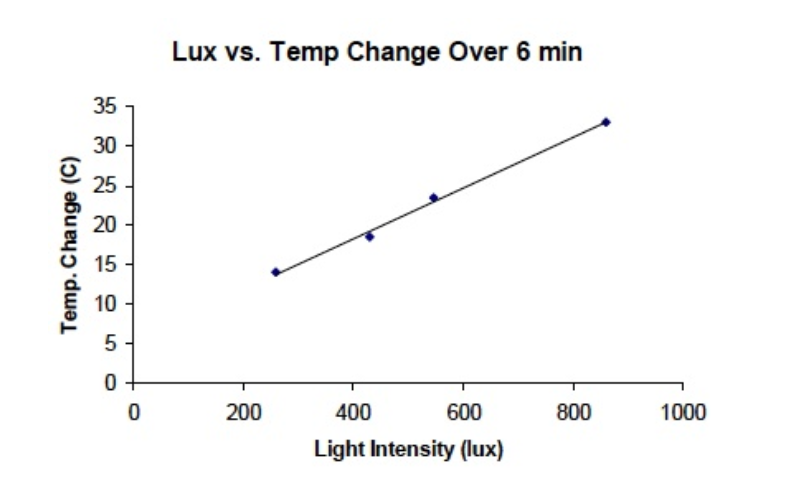
It is a direct relationship because as light intensity increases, so does temperature.
It is an indirect relationship because as light intensity increases, so does temperature.
It is an inverse relationship because as heat increases light intensity does too.
It is a direct relationship because as heat increases the light intensity does not change.
True
False
The temperature change. I know because I had to measure it and record it.
The light intensity. I know because I changed the light bulbs to a higher wattage, and that changed their intensity.
The length of time. I know because I set the amount of time for the investigation, and recorded data regularly.
The wattage of the light bulbs. I know because wattage and light intensity are the same.
negatrons
protons
neutrons
electrons
It changes into potential energy.
It changes into light energy.
It changes into heat energy.
It changes into kinetic energy.
It is a direct relationship because as light intensity increases, so does temperature.
It is an indirect relationship because as light intensity increases, so does temperature.
It is an inverse relationship because as heat increases light intensity does too.
It is a direct relationship because as heat increases the light intensity does not change.
True
False
The temperature change. I know because I had to measure it and record it.
The light intensity. I know because I changed the light bulbs to a higher wattage, and that changed their intensity.
The length of time. I know because I set the amount of time for the investigation, and recorded data regularly.
The wattage of the light bulbs. I know because wattage and light intensity are the same.
negatrons
protons
neutrons
electrons
It changes into potential energy.
It changes into light energy.
It changes into heat energy.
It changes into kinetic energy.
It is a direct relationship because as light intensity increases, so does temperature.
It is an indirect relationship because as light intensity increases, so does temperature.
It is an inverse relationship because as heat increases light intensity does too.
It is a direct relationship because as heat increases the light intensity does not change.
True
False
The temperature change. I know because I had to measure it and record it.
The light intensity. I know because I changed the light bulbs to a higher wattage, and that changed their intensity.
The length of time. I know because I set the amount of time for the investigation, and recorded data regularly.
The wattage of the light bulbs. I know because wattage and light intensity are the same.
negatrons
protons
neutrons
electrons
Electrons are transferred from the wool to the cloth.
More electrons are now on the balloon causing a negative charge.
Less electrons are now on the wool cloth causing a positive charge.
All of the above.
circuit, current, battery
current, battery, circuit
battery, current, circuit

True
False

From the negative terminal.
From the positive terminal.
Back and forth from the negative and positive terminals.

A
B
Both A and B
14
1
7
0
Water can produce Hydrogen ions.
Water can produce Hydroxide ions.
Water has a neutral pH.
Water can neutralize almost anything.
volume
mass
density
concentration
Neutralization.
Dissociation.
Serial Dilution.
Serial Concentration.
True
False
It would most likely turn blue-green.
It would most likely turn red.
It would most likely not change the color at all.
There's no way the color can be predicted.
Antacids are made from basic chemicals that release Hydroxide ions.
Hydroxide ions combine with the stomach acid's Hydrogen ions to make water.
Antacids are made of chalky chemicals that absorb the excess acid .
Antacids are made with a lot of water, which dilutes the acid in the stomach.
The water becomes acidic.
The water molecules become positively charged.
The water becomes more concentrated.
The Sodium hydroxide separates into two different ions.
atom
neon
compound
ion
The Hydrogen ions would be 100 times less concentrated.
The Hydrogen ions would be 10 times less concentrated.
The Hydrogen ions would be 10 times more concentrated.
The Hydrogen ions would be 1% less concentrated.
A neutralization reaction occurs.
The Hydrogen and Hydroxide ions combine to form water.
The water dilutes the acid and the base.
The pH comes closer to 7.
There is no way to tell, because the pH already went past 7.
Approximately 125 ml of Sodium hydroxide would be required.
Approximately 180 ml, because then the pH will decrease again.
100 ml would have been enough as long as you stirred the solution.
Acetic acid.
Ascorbic acid.
Carbonic acid.
Sulfuric acid.
Acids remove positive Hydrogen ions when mixed with water.
Acids contain various dissociated chemicals that react in solutions.
Acids release positive Hydrogen ions when mixed with water.
Acids form ionic bonds with other substances and change them.
The new solution's concentration would be 0.1N because it is 1/10 as strong as the original solution.
The new solution's concentration would be 0.5N because it is half as strong as the original soluti
The new solution's concentration would be 0.9N because 9 ml of water was used.
There would be no change. 1 ml is not a large enough sample.
True
False
Strong acid.
Weak acid.
Strong base.
Weak base.
True
False
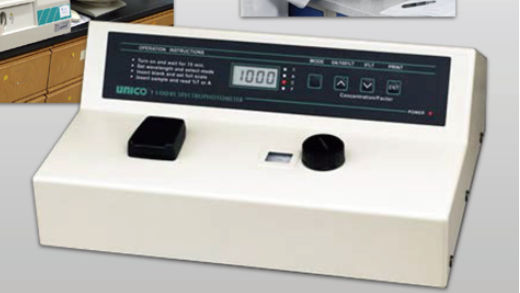
Oxygen meter
Spectrum
Spectrophotometer
Photometer
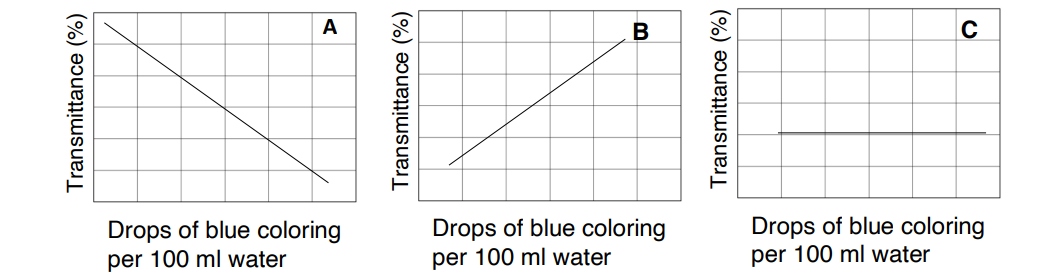
Graph A.
Graph B.
Graph C.
It is impossible to determine without more information.
True
False
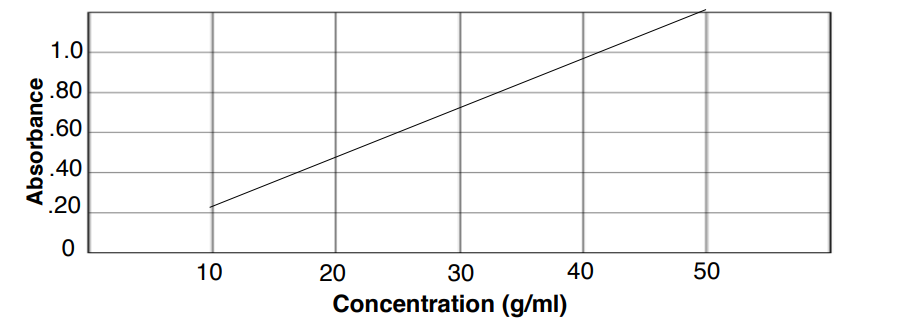
20 g/ml.
25 g/ml.
30 g/ml.
35 g/ml.
There is no relationship. Absorbance and transmittance are not related.
It is a direct relationship. As absorbance increases so does transmittance.
It is a direct relationship. As absorbance decreases, so does transmittance.
It is an indirect relationship. As absorbance increases, transmittance decreases.
Reflection.
Absorption.
Transmittance.
Refraction.
Oxygen meter
Spectrum
Spectrophotometer
Photometer
Graph A.
Graph B.
Graph C.
It is impossible to determine without more information.
True
False
20 g/ml.
25 g/ml.
30 g/ml.
35 g/ml.
There is no relationship. Absorbance and transmittance are not related.
It is a direct relationship. As absorbance increases so does transmittance.
It is a direct relationship. As absorbance decreases, so does transmittance.
It is an indirect relationship. As absorbance increases, transmittance decreases.
Reflection.
Absorption.
Transmittance.
Refraction.
Oxygen meter
Spectrum
Spectrophotometer
Photometer
Graph A.
Graph B.
Graph C.
It is impossible to determine without more information.
True
False
20 g/ml.
25 g/ml.
30 g/ml.
35 g/ml.
There is no relationship. Absorbance and transmittance are not related.
It is a direct relationship. As absorbance increases so does transmittance.
It is a direct relationship. As absorbance decreases, so does transmittance.
It is an indirect relationship. As absorbance increases, transmittance decreases.
Reflection.
Absorption.
Transmittance.
Refraction.
Oxygen meter
Spectrum
Spectrophotometer
Photometer
Graph A.
Graph B.
Graph C.
It is impossible to determine without more information.
True
False
20 g/ml.
25 g/ml.
30 g/ml.
35 g/ml.
There is no relationship. Absorbance and transmittance are not related.
It is a direct relationship. As absorbance increases so does transmittance.
It is a direct relationship. As absorbance decreases, so does transmittance.
It is an indirect relationship. As absorbance increases, transmittance decreases.
Reflection.
Absorption.
Transmittance.
Refraction.
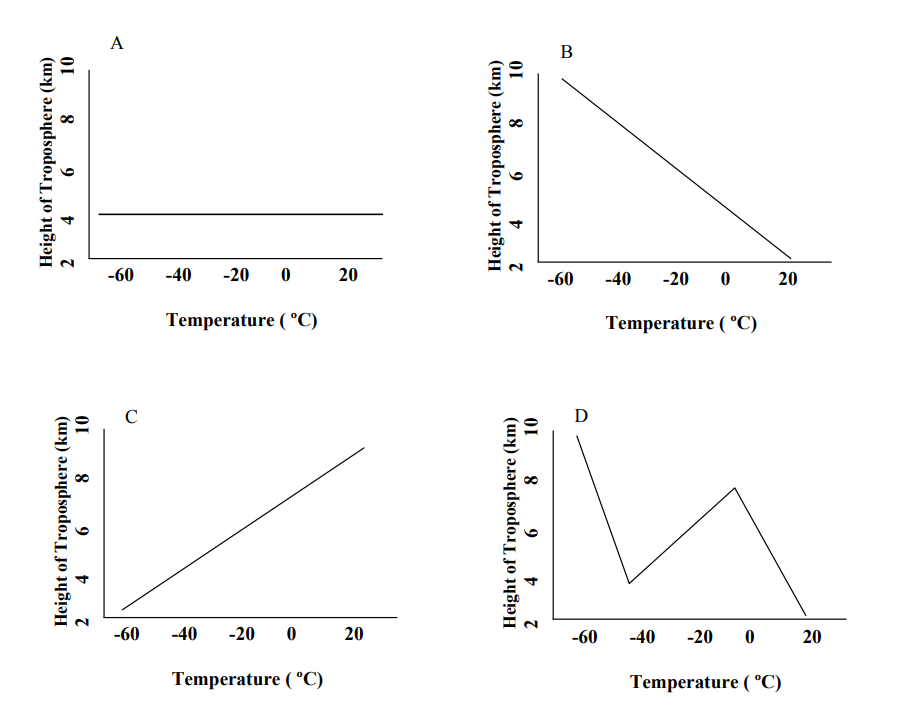
Graph A.
Graph B.
Graph C.
Graph D.
According to Charles Law, the hot air outside will cause the gas inside the balloons to shrink. They will look less inflated and kind of droopy.
According to Charles Law, the hot air outside will cause the gas inside the balloons to expand. They will look flatter and less inflated.
According to Charles Law, the hot air outside will cause the gas inside the balloons to expand. They will look more fully inflated.
According to Charles Law, the change in temperature will have no effect on the balloon's volume. They will look the same.
The mass of the gas.
The volume of the gas.
The density of the gas.
All of the above.
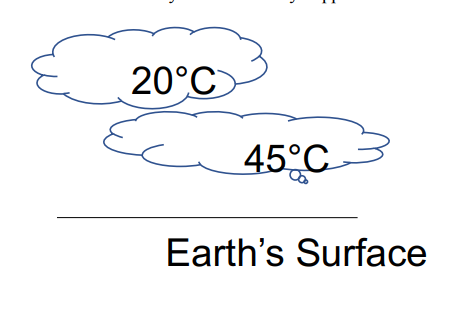
The cooler air mass will mix with the warmer air mass, resulting in one air mass with a temperature in between the original two.
The cooler, denser air mass will fall toward the ground.
The warmer air mass will rise above the cooler air mass.
Nothing will happen, they will stay like they are in the picture.
True
False
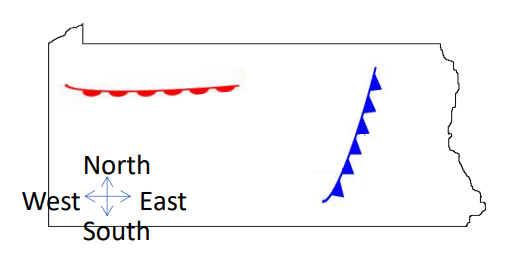
North.
South.
East.
West.
low, high
even, odd
high, low
None of these
Barometer
Thermometer
Anemometer
Radiometer
The ozone
The temperature zone
Solar radiation
None of these
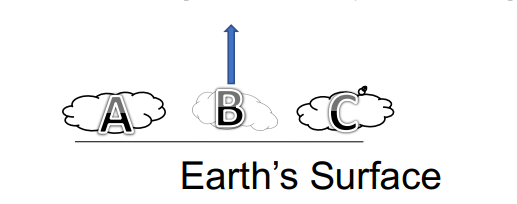
Air mass A will become more dense.
Air mass C will become more dense.
Both air mass A and air mass C will move farther apart because of the wind caused by air mass B's movement.
Air mass A and air mass C will move closer together.
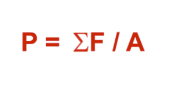
Some of the forces exerted by the molecules of the atmosphere.
The sum of the forces exerted by the molecules of the atmosphere.
The mass of the molecules in the atmosphere.
The sum of the forces of the wind.
Millibars.
Millipedes.
Isobars.
Ice cream bars.
A difference in density between the warm and cold air masses.
An upper atmosphere that has temperatures lower than the air in a rising warm air mass.
Condensation of water vapor in the rising warm air mass.
All of the above.
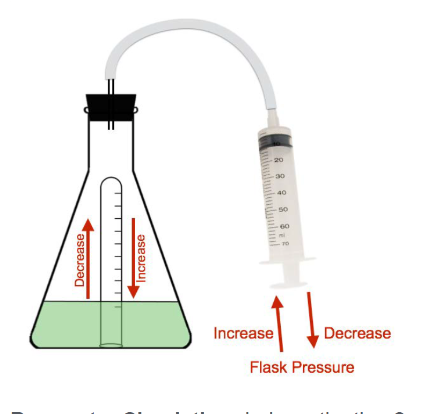
The water level in the flask will go up.
The water level in the flask will go down.
Water will be forced out of the test tube, so the level in the tube will go lower.
Water will be forced into the test tube, so the water level in the test tube will go up.
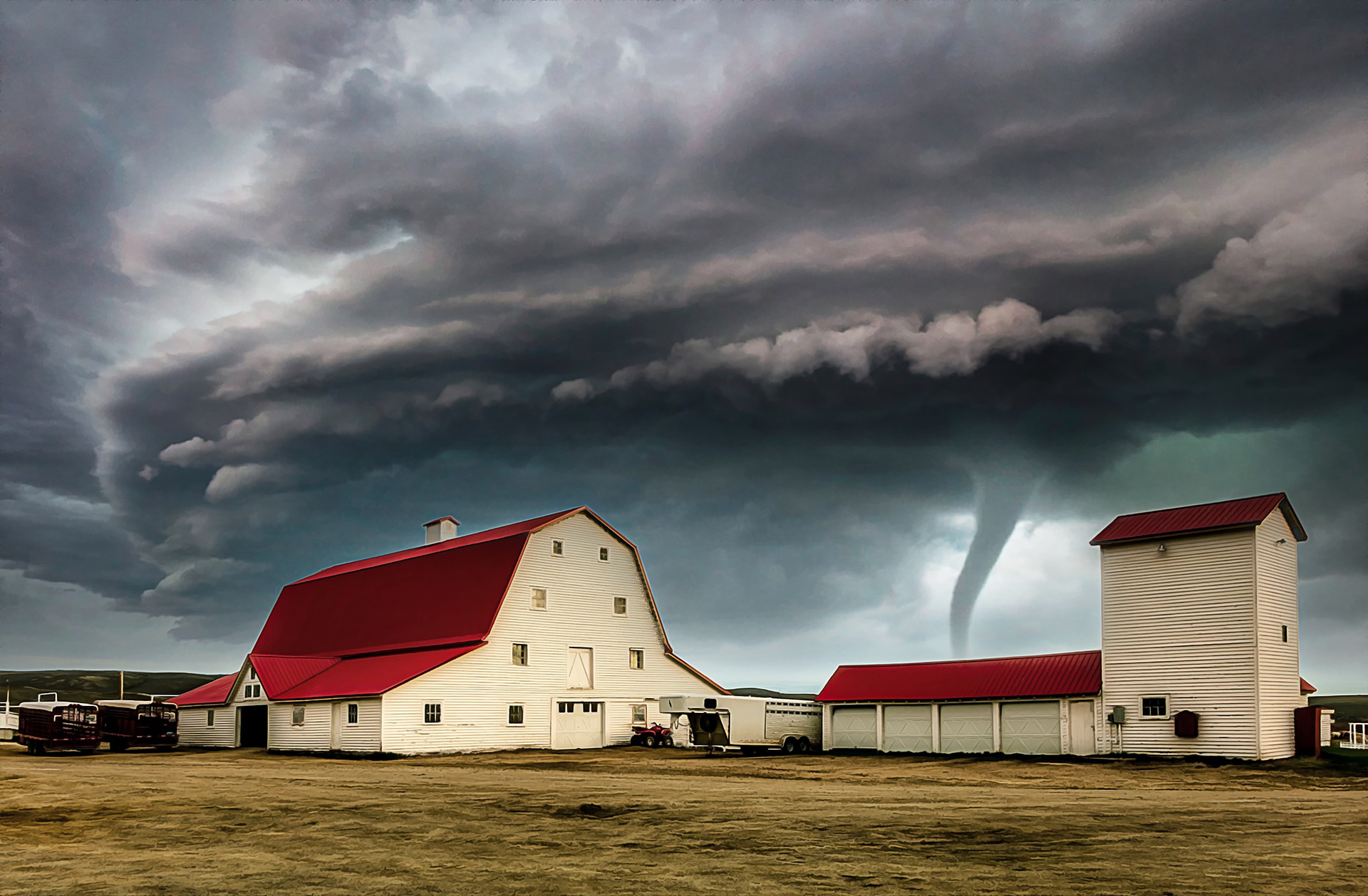
A low pressure gradient force.
A high pressure gradient force.
[Area of higher pressure (mb) - Area of lower pressure (mb)] / Distance between areas of pressure (km)
[Area of higher pressure (mb) x Area of lower pressure (mb)] / Distance between areas of pressure (km)
[Area of higher pressure (mb) - Area of lower pressure (mb)] x Distance between areas of pressure (km)
Distance between areas of pressure / [Area of high pressure (mb) - Area of lower pressure (mb)]
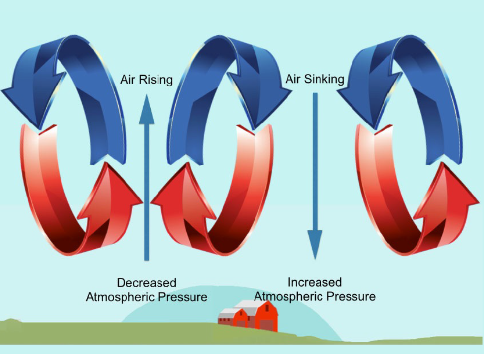
Conversion currents
Gravitational pull
Convection currents
Electrical currents
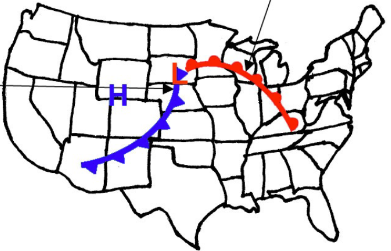
warm, cold
high, low
cold, warm
cold, low
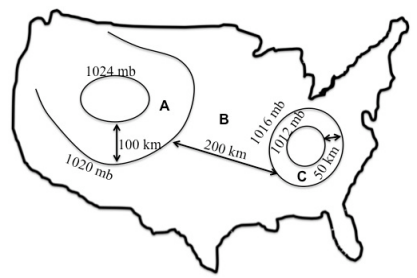
Area A will have the strongest wind.
Areas B and C will have winds of the same force.
Area C will have the strongest wind.
Areas A, B and C will have winds of the same force.
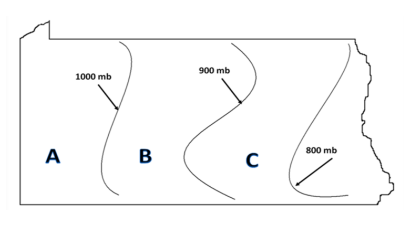
Air from zone B will move into zone A.
Air from zone B will flow into zone C.
Air from zone C will flow into zone B.
No change will take place.
Semipermeable
Leaky
Impermeable
Semifluid
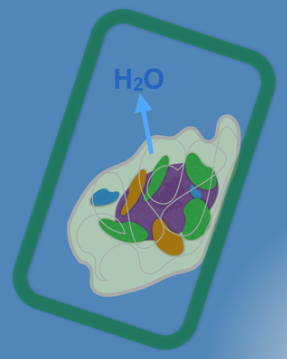
Hydroponic.
Hypotonic.
Hypertonic.
Hypnotic.
Inflow
Osmosis
Meiosis
Mitosis
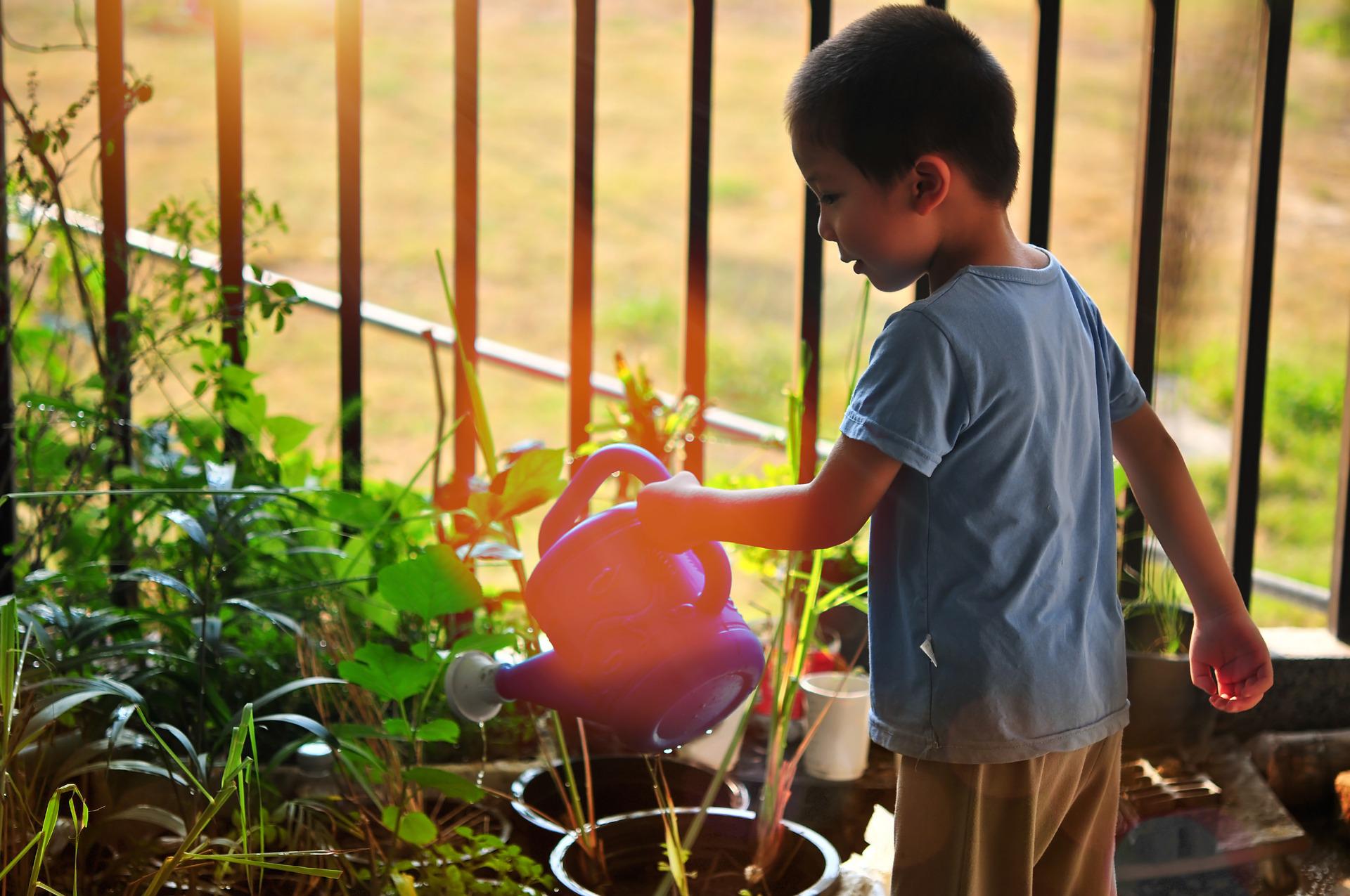
It would not be a problem, because cells are mostly made of water.
If the cells pull in too much water they could burst, and the cells would die.
If the cells pull in too much water, they will push too hard against the cells next to them and cause damage.
If the cells pull in too much water, they could shrivel up and die.
Hypotonic solution
Acidic solution
Hypertonic solution
Isotonic solution
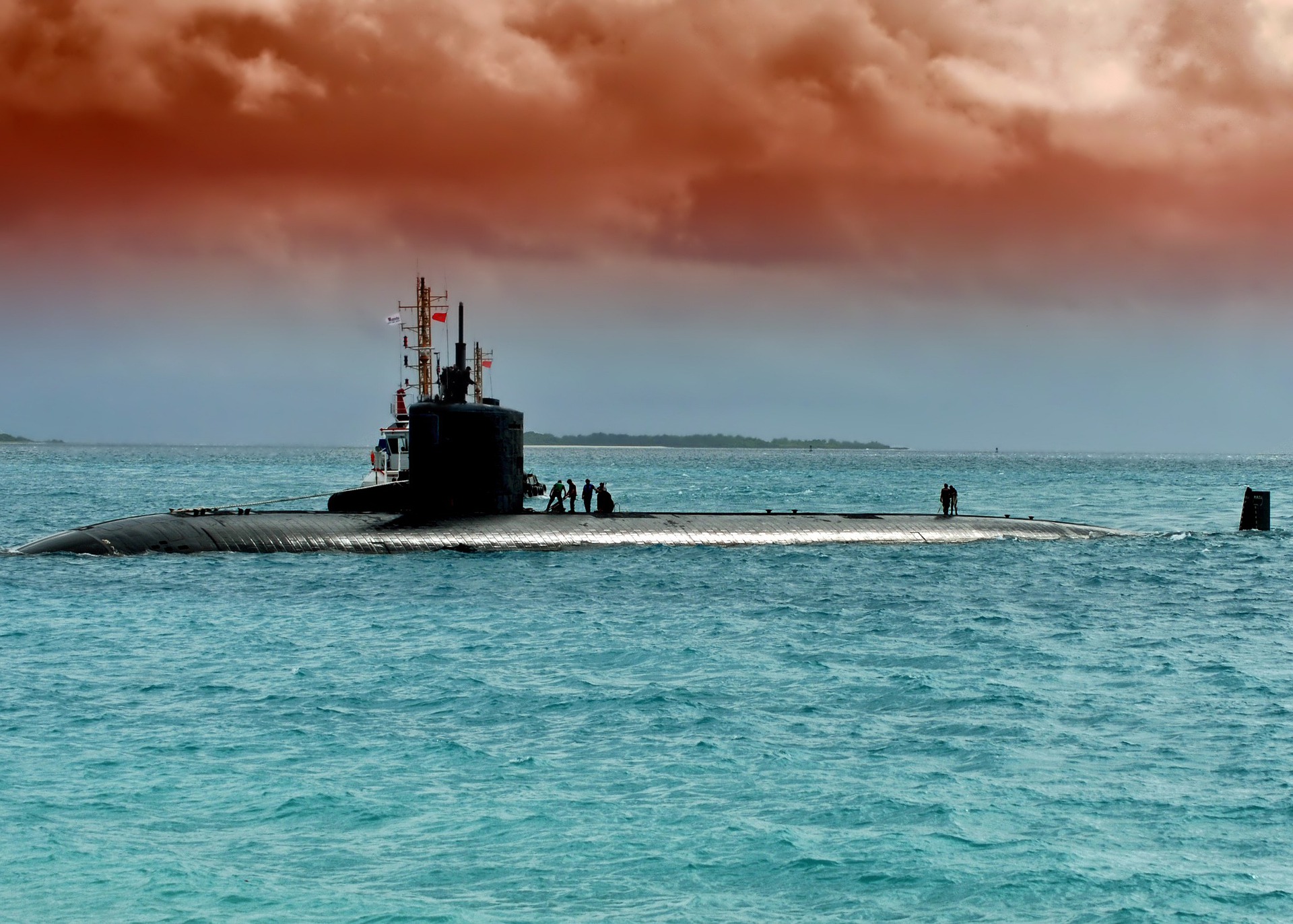
All three sounds will reach the base at the same time.
Sound A will reach the base first.
Sound B will reach the base first.
Sound C will reach the base first.
True
False
Nitrogen gas.
Vinegar.
Play-doh.
Lead.
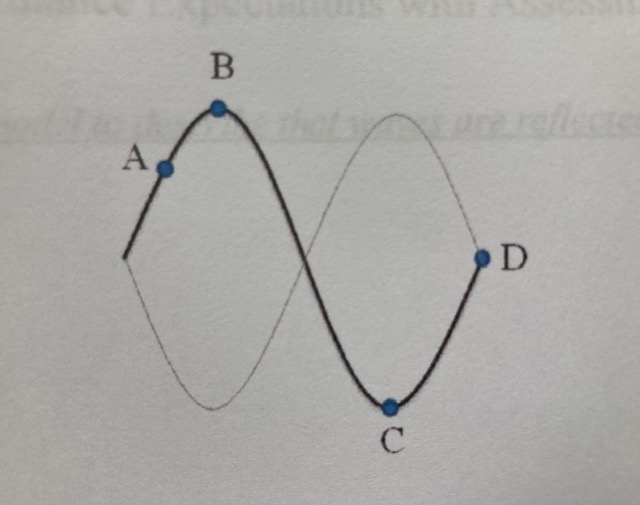
Point A.
Point B.
Point C.
Point D.
Nodes
Internodes
Antinodes
None of these
It represents the entire wavelength of the sound.
It represents 3/4 of the sound's wavelength.
It represents 1/2 of the sound's wavelength.
It represents 1/4 of the sound's wavelength.
If amplified, a much thicker line is used to illustrate the wavelength at the same frequency.
If amplified, a higher and lower line is used to illustrate the wavelength at the same frequency.
If amplified, the wavelength would change, and it would be shown much longer.
If amplified, the nodes would move very close together to indicate the change.
The vibrations from the original standing wave transfer through the air molecules and move toward your ear.
The molecules are moving toward your ear as they vibrate.
The air moves closer and closer to your ear, carrying the sound with it.
The standing wave doesn't really stand, the wave actually travels and moves molecules to your ear.
the phase transition
the vibration
a chemical reaction
the viscosity
Nothing - the pitch stays the same.
The pitch of the sound decreases.
The pitch of the sound increases.
The sound gets louder.
Just like sound, the raindrops' kinetic energy produces waves of vibrations that move outward from the source.
The raindrops produce waves that move away from the origin in much the same way as sound waves move from the original standing wave.
The raindrops make a sound when they fall into water.
When raindrops hit water, their potential energy is changed into the potential energy of sound.
volume
level
speed
frequency

The sound's speed will change.
The sound's frequency will change.
The sound's wavelength will change.
The sound's amplitude will change.

A, B, C, D.
B, C, A, D.
C, B, D, A.
D, B, C, A.
True
False
True
False
It is a direct relationship, because as frequency increases so does wavelength.
There is no relationship, because frequency does not affect wavelength.
It is an inverse relationship, because as frequency increases wavelength decreases.
It is a reverse relationship, because frequency is the opposite of wavelength.
Speed = wavelength x amplitude.
Speed = wavelength x frequency.
Speed = wavelength / frequency.
Speed = wavelength / vibrations per second.
pitch
hertz
decibel
None of these
Directly to our ears.
They travel along with the air molecules.
In circles.
In waves.
DNA is located in the cyotplasm of the cells where it makes proteins.
DNA is located on the chromosomes which are located in the cell's nucleus.
DNA is located on the ribosomes of the cells where translation occurs.
DNA is located everywhere in cells of plants and animals.
Thymine pairs with Guanine.
Adenine pairs with Thymine.
Cytosine pairs with Guanine.
Guanine pairs with Adenine.
This baby got all of his genetic material from mom.
This baby got all of his genetic material from his dad.
This baby got half of his genetic material from his mom and half from his dad.
There is no way to tell.
Protein is translated to RNA, and RNA is transcribed into DNA.
DNA is transcribed into RNA, and RNA is translated into proteins.
RNA is replicated into DNA, and DNA is translated into proteins.
RNA is translated into DNA, and DNA is transported into the ribosomes.
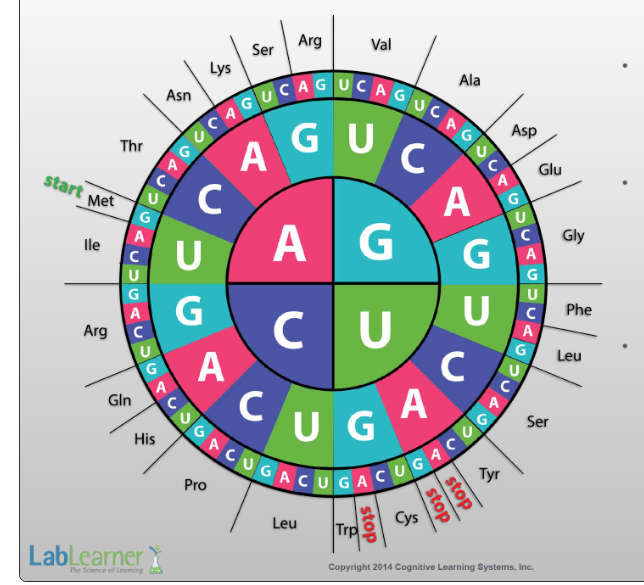
It is a dart board.
It shows all the codons and the proteins that they code for, along with start and stop signals.
It represents all the different bases that can be used to code DNA.
It shows all the codons and the amino acids that they code for, along with start and stop signals.
transcription, protein, RNA
translation, RNA, protein
transcription, RNA, protein
translation, protein, RNA
DNA is located in the cyotplasm of the cells where it makes proteins.
DNA is located on the chromosomes which are located in the cell's nucleus.
DNA is located on the ribosomes of the cells where translation occurs.
DNA is located everywhere in cells of plants and animals.
Thymine pairs with Guanine.
Adenine pairs with Thymine.
Cytosine pairs with Guanine.
Guanine pairs with Adenine.
This baby got all of his genetic material from mom.
This baby got all of his genetic material from his dad.
This baby got half of his genetic material from his mom and half from his dad.
There is no way to tell.
Protein is translated to RNA, and RNA is transcribed into DNA.
DNA is transcribed into RNA, and RNA is translated into proteins.
RNA is replicated into DNA, and DNA is translated into proteins.
RNA is translated into DNA, and DNA is transported into the ribosomes.
It is a dart board.
It shows all the codons and the proteins that they code for, along with start and stop signals.
It represents all the different bases that can be used to code DNA.
It shows all the codons and the amino acids that they code for, along with start and stop signals.
transcription, protein, RNA
translation, RNA, protein
transcription, RNA, protein
translation, protein, RNA
A chemical reaction.
A physical change.
Both a chemical reaction and a physical change.
Neither a chemical reaction or a physical change.
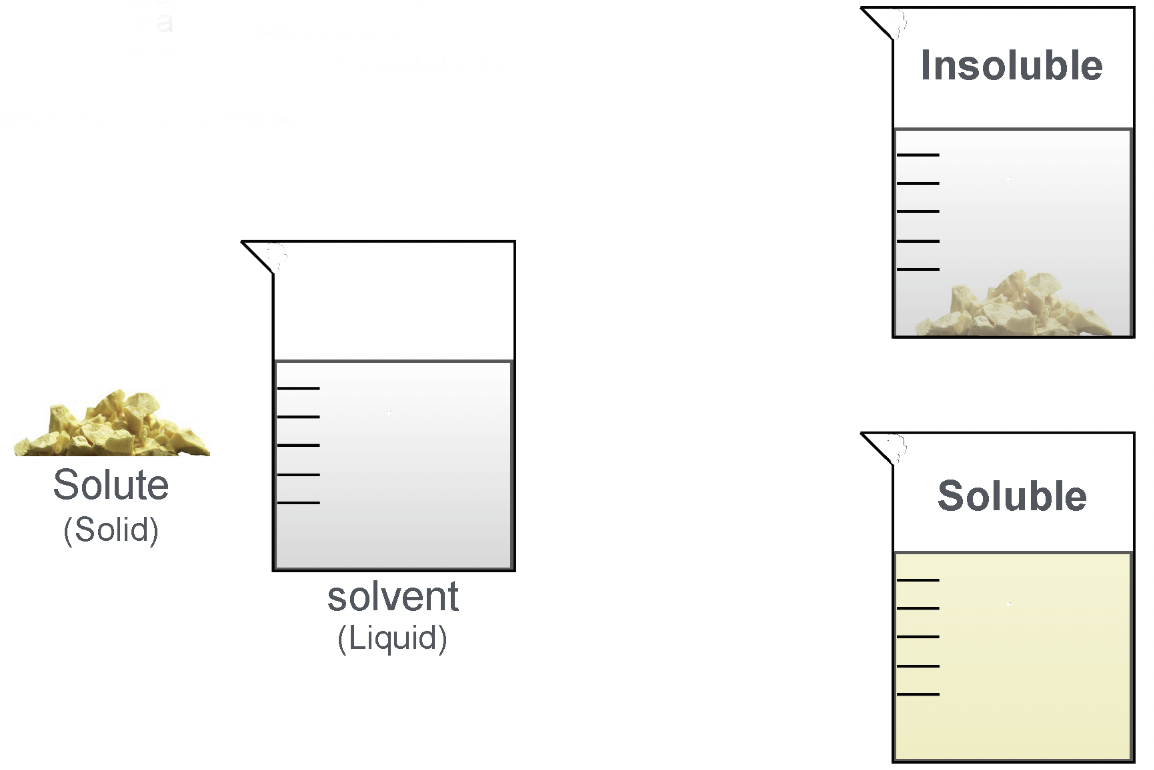
It should bend easily.
It should weigh less than water.
It should dissolve in a liquid.
It should float.
True
False
Thermometer.
Multimeter.
100 ml graduated cylinder.
400 ml beaker.
Stirring rod.
Microscope.
Triple beam balance.
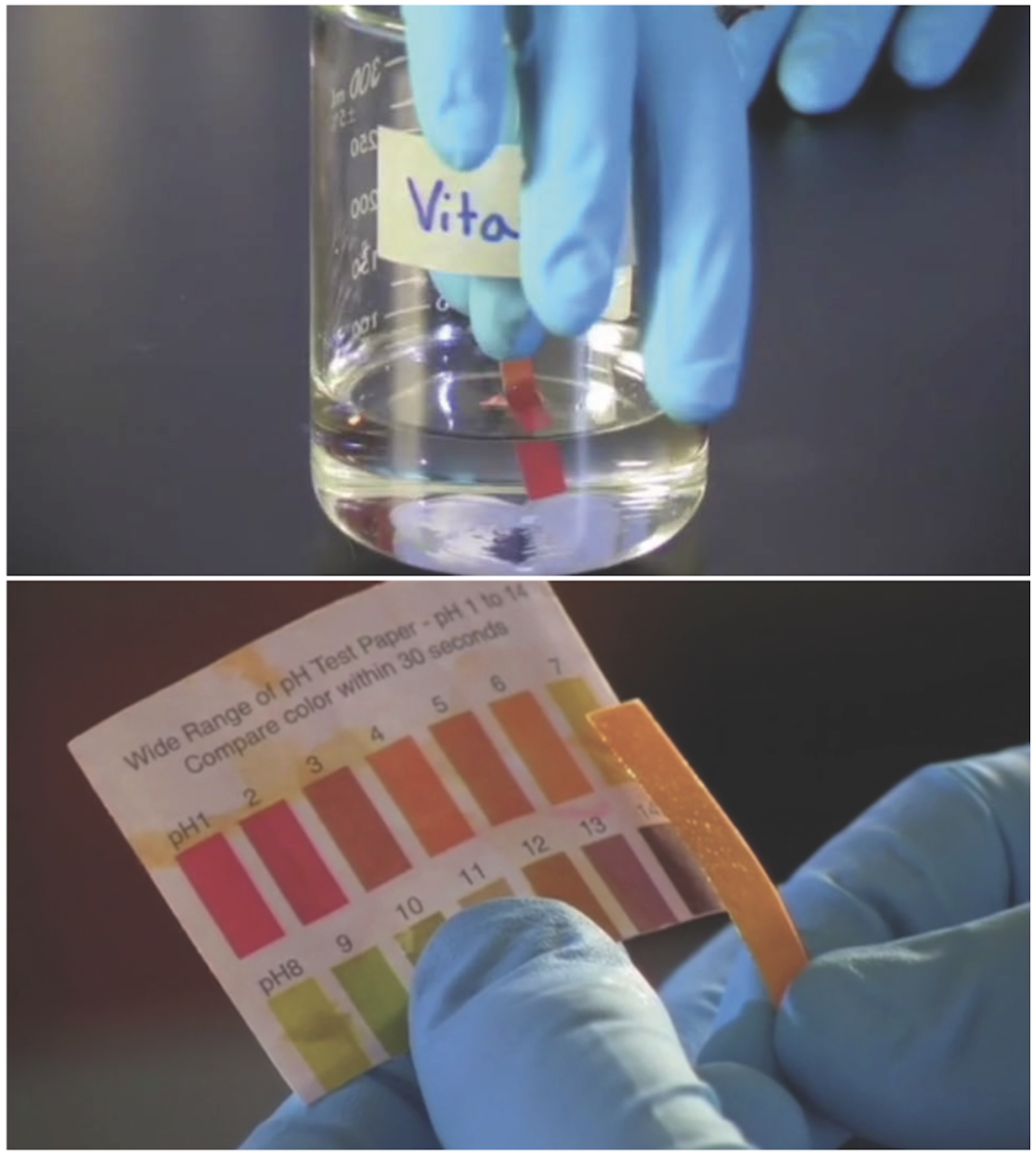
It tells you if the compound is an acid, a base, or a neutral substance.
It tells you the volume of the compound.
It tells you the density of the compound.
It tells you if the compound is a pure element or not.
Smell.
Texture.
Color.
All of the above.
Determine if the substance is soluble in water in a test tube.
Add acetic acid to a test tube, and then add a little of the substance and see what happens.
Add 3 grams of the substance to water in a test tube and observe what happens.
None of the above.

True
False
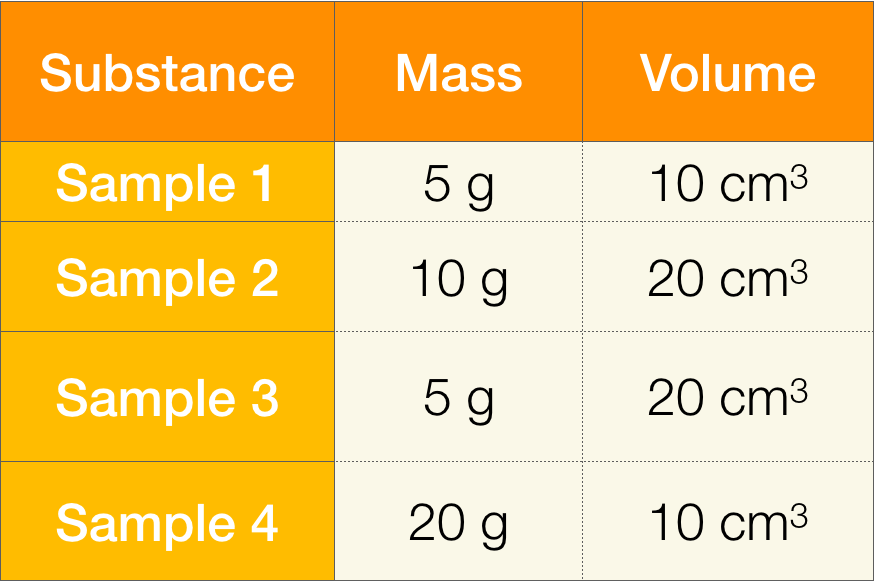
Sample 1 and Sample 3.
Sample 2 and Sample 3.
Sample 2, sample 3, and Sample 4.
Sample 1 and Sample 2.
True
False
Slowly pour corn syrup into a beaker of water. Look for layers to prove that the two liquids are miscible.
Mix corn syrup and water in a beaker with a stir rod. If layers don't form, they are miscible.
Slowly pour water into a beaker of corn syrup and test for a temperature change.
None of the above will answer Nick's question.
...Anything that takes up space and has mass.
...A type of matter that cannot be broken down into another substance by chemical reactions.
...A type of matter that is made up of two or more elements.
...A property of matter that defines how much matter exists in a particular space.
True
False
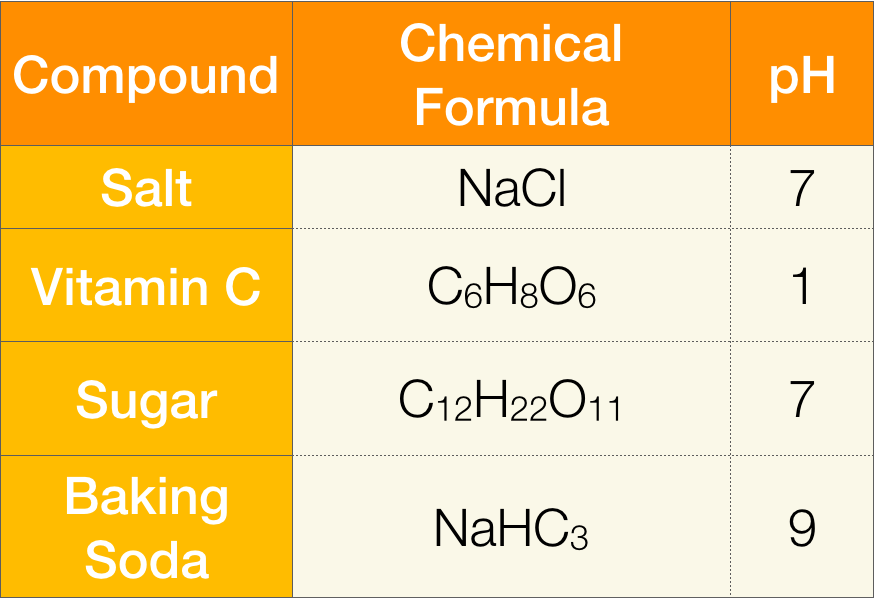 In the Science lab, you and your group are exploring pH. After mixing four solids into solution, you record the pH values as seen in this table. What can you conclude based on your results? Select all that apply.
Compounds made with the similar elements must also have similar pH values.
Compounds containing oxygen always will have an acidic pH.
Compounds with similar elements can have different pH values.
More carbon atoms in a compound will yield a higher pH value.
Compounds with very different elements may have a very similar pH.
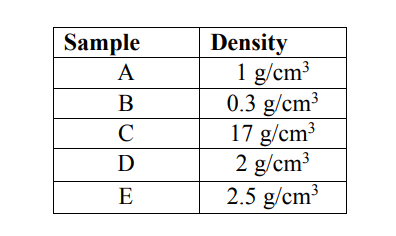
He can determine sample C is a compound because it is very dense.
He can determine sample B is an element because it is less dense.
He can determine whether each of the samples is an element or a compound.
He cannot determine whether each of the samples is an element or a compound.
Yes, she can identify the block.
Yes, but only after she calculates the density.
No, she would need to examine the color of the block too.
No, she would need to examine several other properties of the block.
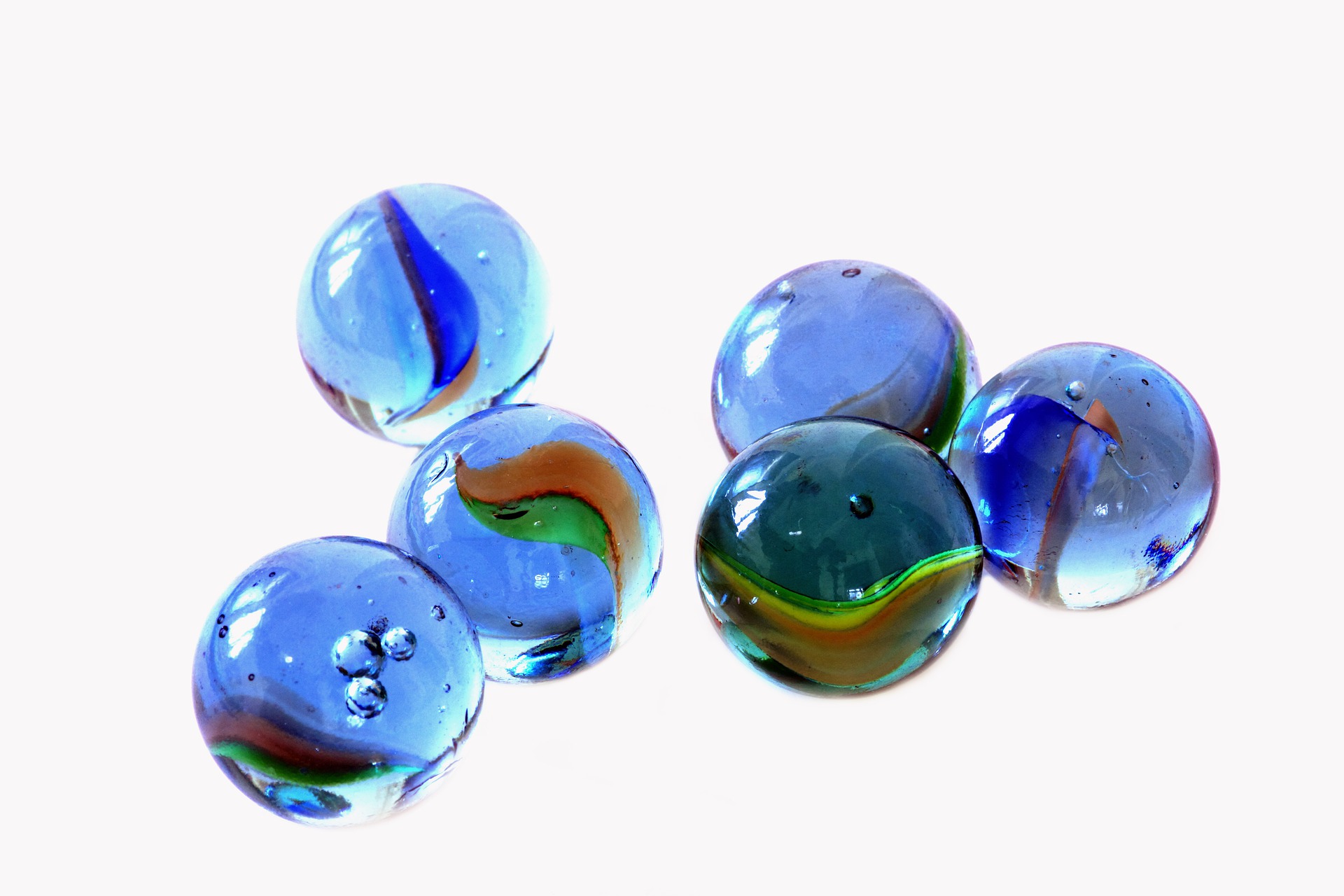
She should weigh the marble on a triple beam balance.
She should use the volume displacement method by dropping the marble into a graduated cylinder partly filled with water.
She should estimate the length, width, and height of the marble with a metric ruler, and then multiply the three measurements together.
There is no accurate way to measure an object with round sides.
True
False
A compound contains many atoms of the same element.
A compound is soluble, while an element is not.
A compound contains atoms of two or more elements.
A compound can be broken down into different substances, but an element cannot.

Water freezes to form ice.
Bubbles, gas, and odor are produced when two substances are mixed.
A color change when green food color is mixed into water.
A lowering of the temperature when you mix two substances together.
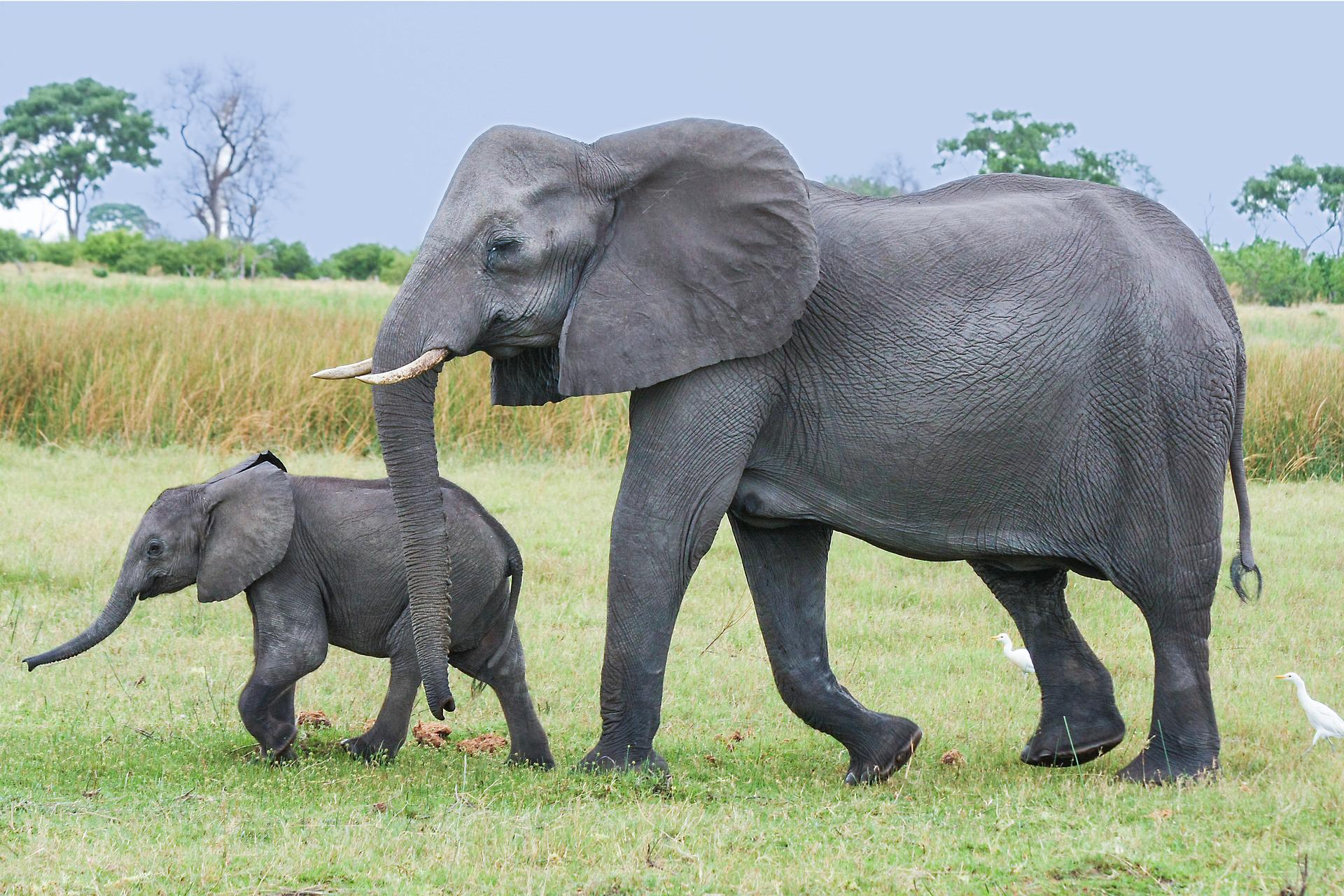
Mama elephant, because she is bigger.
Baby elephant, because he has less mass than mama.
Mama elephant because she has more surface area.
Baby elephant because he has less surface area than mama.
friction
gravity
origin
position
True
False
As the storm moves through, the kinetic energy of the wind will not transfer. It will blow around the tree's leaves and trunk.
The wind is transferring some of its kinetic energy to the palm tree.
The wind is a mass of air that is full of kinetic energy.
The friction of the palm leaves in the wind is causing sound and heat to be produced.
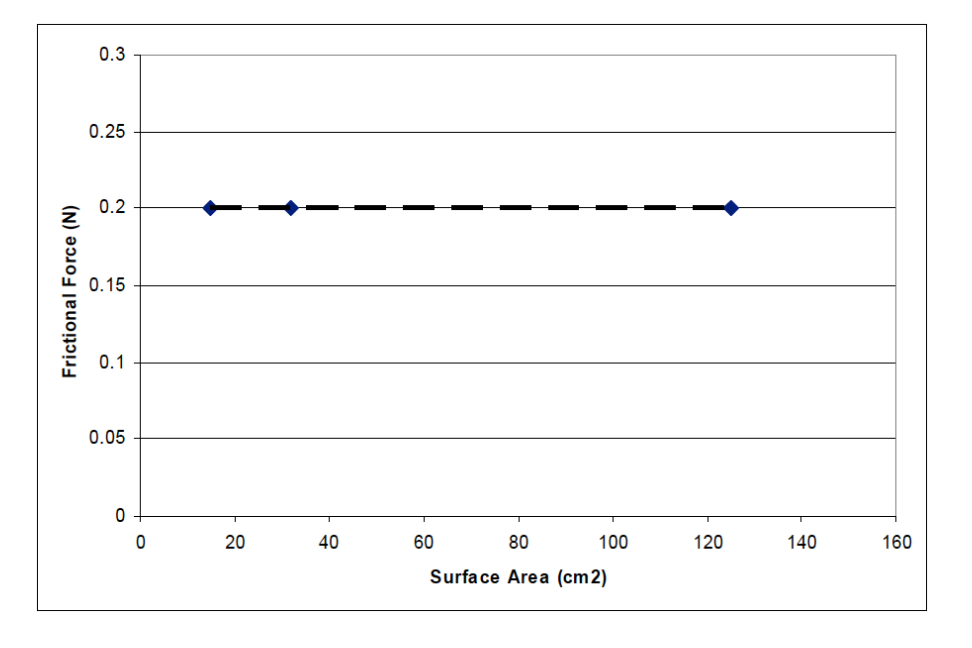
As surface area increases, so does frictional force.
Changes in surface area do not affect frictional force.
As frictional force increases, surface area stays the same.
Because it is a straight line, Sam cannot draw any conclusions from his graphed data.
Mama elephant, because she is bigger.
Baby elephant, because he has less mass than mama.
Mama elephant because she has more surface area.
Baby elephant because he has less surface area than mama.
friction
gravity
origin
position
True
False
As the storm moves through, the kinetic energy of the wind will not transfer. It will blow around the tree's leaves and trunk.
The wind is transferring some of its kinetic energy to the palm tree.
The wind is a mass of air that is full of kinetic energy.
The friction of the palm leaves in the wind is causing sound and heat to be produced.
As surface area increases, so does frictional force.
Changes in surface area do not affect frictional force.
As frictional force increases, surface area stays the same.
Because it is a straight line, Sam cannot draw any conclusions from his graphed data.
Mama elephant, because she is bigger.
Baby elephant, because he has less mass than mama.
Mama elephant because she has more surface area.
Baby elephant because he has less surface area than mama.
friction
gravity
origin
position
True
False
As the storm moves through, the kinetic energy of the wind will not transfer. It will blow around the tree's leaves and trunk.
The wind is transferring some of its kinetic energy to the palm tree.
The wind is a mass of air that is full of kinetic energy.
The friction of the palm leaves in the wind is causing sound and heat to be produced.
As surface area increases, so does frictional force.
Changes in surface area do not affect frictional force.
As frictional force increases, surface area stays the same.
Because it is a straight line, Sam cannot draw any conclusions from his graphed data.
True
False
The amount of product will increase.
The amount of product will decrease.
The reaction speed will decrease.
The reaction speed will increase.
The butter.
The eggs.
The flour.
The chocolate chips.
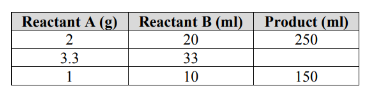
29.
172.
246.
413.
color-o-meter
spectrophotometer
spectrographic
spirometer
catacomb
product
catalyst
None of these
Jamie can add a catalyst.
Jamie can stir the reactants together.
Jamie can chill the reactants with ice.
Jamie can add more of the reactants.
Jamie can add water so the reactants are more diluted.
Jamie can heat up the reactants.
Hydrochloric acid + Sodium hydroxide yields water + Sodium chloride.
Sodium chloride + Water yields Water + Sodium chloride.
Silver + Sulfide yields Silver Sulfide.
Methane gas + Oxygen yields Carbon dioxide + Water + Heat
Exothermic.
Endothermic.
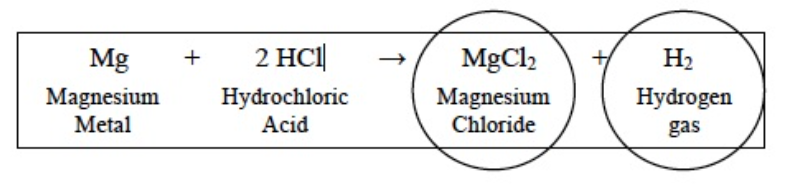
Reactants
Catalysts
Products
None of these
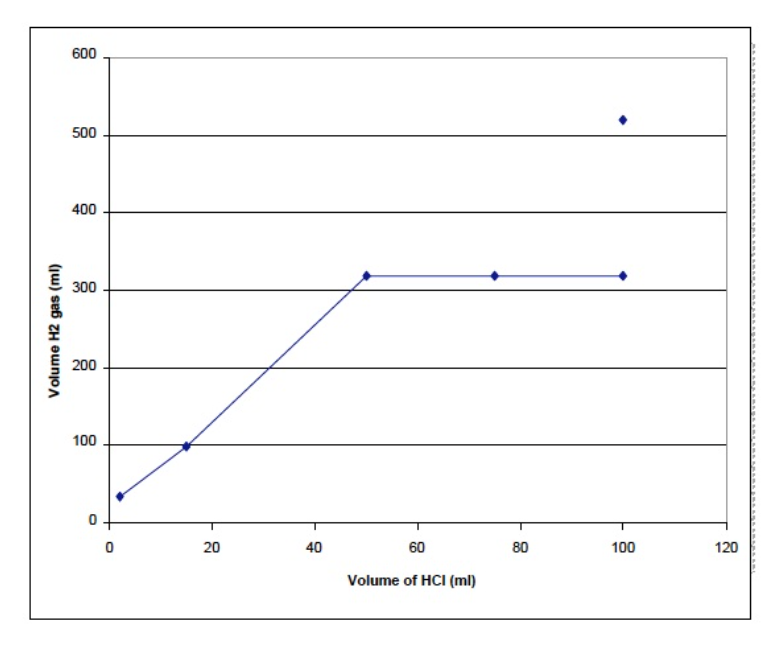
The flattening of the line shows that 50 ml of the acid cause the Zinc to react incompletely. The line will stay flat unless a catalyst is added.
The flattening of the line shows that 50 ml of the acid causes the Zinc to react at the same level over time. Adding more acid will not increase the volume of gas because there won't be any more acid left to react with it
The flattening of the line shows that 50 ml of the acid causes all the Zinc to completely react. Adding more acid will not increase the volume of gas because there won't be any more Zinc left to react with it.
The flattening of the line shows that 50 ml of the acid causes only a partial formation of the hydrogen gas. Adding more acid will not increase the volume of gas because they are directly related.
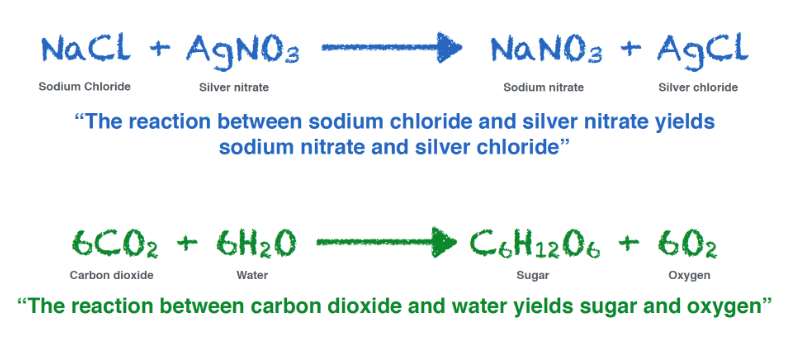
Because of Newton's First Law of Motion.
Because of the Law of Kinetic and Potential Energy.
Because of the Law of Conservation of Energy.
Because of the Law of Conservation of Matter.
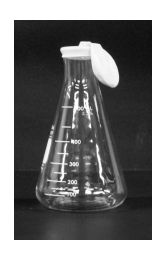
The mass is greater than 300 g.
The mass is less than 300 g.
The mass is 300 g.
The mass cannot be determined since the reaction is over.
True
False
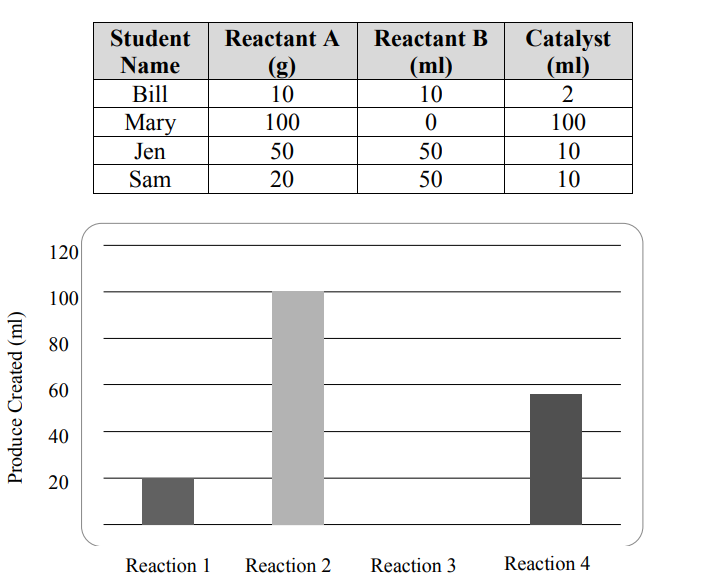
Reaction 1.
Reaction 2.
Reaction 3.
Reaction 4.
The catalyst acts as a reactant and becomes part of the products.
The catalyst does not react but speeds up the reaction rate.
The catalyst is consumed during the reaction but then separates from the products at the end.
The catalyst is a helpful way to identify pet cats in a list.
True
False
As you increase the concentration of the liquid, more of the solid will be consumed. This should result in a greater amount of product.
As you increase the concentration of the liquid, the solid will be consumed faster. Over time, the resulting product will be the same.
As the concentration is increased, the rate of the reaction will increase.
There is no way to tell.
- Count the number of atoms of each reactant element and each product element and write them down.
- Balance the starting number of atoms for each reactant element with the ending number of atoms for each product element. You might have to use multiplication and trial and error in this step
- Compare the starting number of atoms for each reactant element with the ending number of atoms for each product element.
- Pay attention to the numbers before and after the elements' symbols. They mean different things. Multiply the prefix numbers properly in regards to each atom of each element.
- Go back and forth with the numbers, making sure every atom of every element is balanced. Then you are finished!
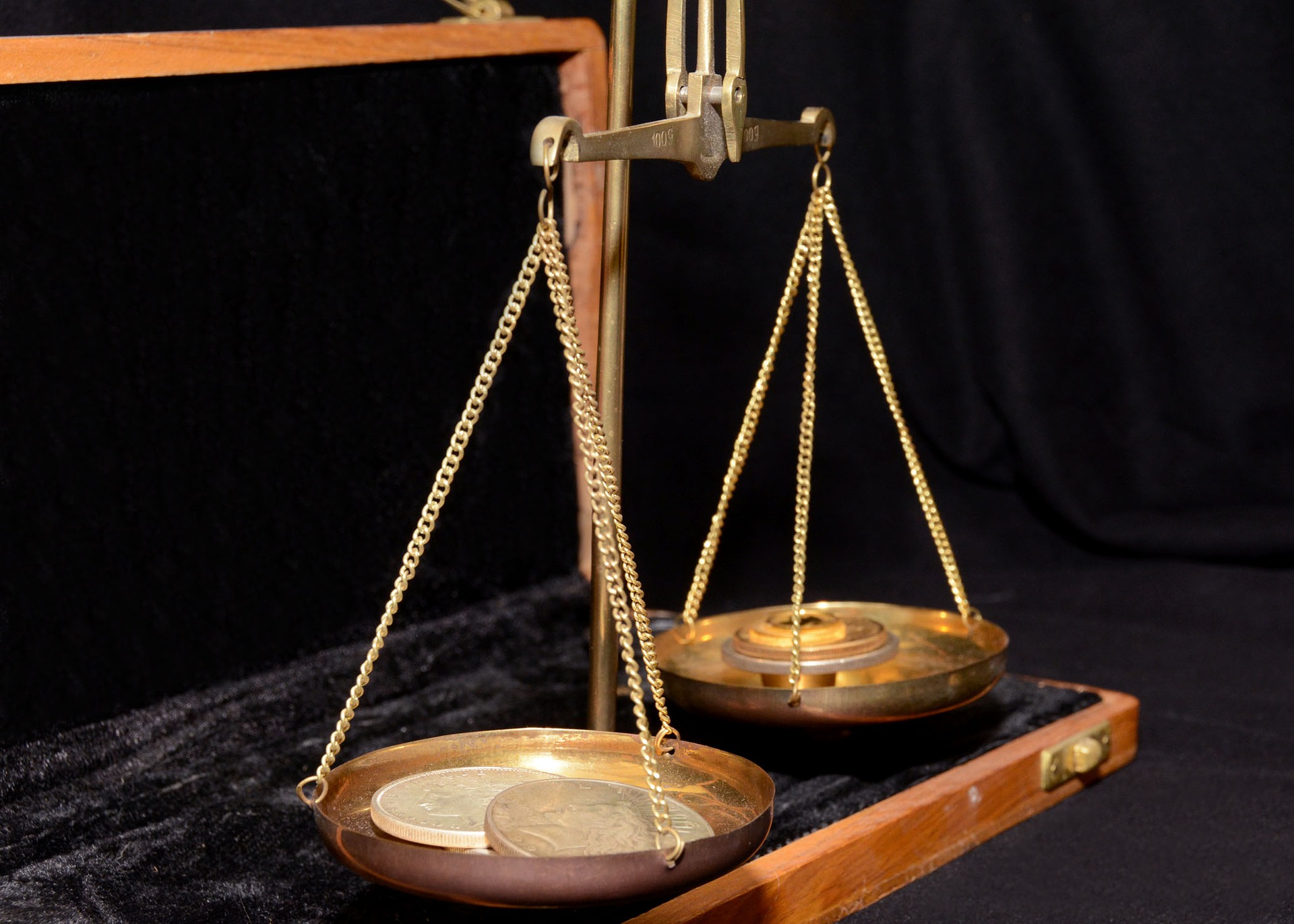
1, 2, 3, 4, 5.
1, 4, 3, 5, 2
1, 5, 4, 2, 3
1, 3, 4, 2, 5.
True
False
The heat in cube 2 will increase as it is absorbed from cube 1 and cube 3.
The heat in cube 2 will transfer to cube 1.
The heat in cube 2 will transfer to cube 3.
The heat in cube 2 will eventually decrease as all the cubes come to equilibrium.
The total amount of energy in a substance.
The temperature of a substance.
The transfer of thermal energy.
The number of jalapeno peppers used.
The average amount of heat in a substance.
The average untapped potential energy in a substance.
The average kinetic energy of molecules in a substance.
The speed with which energy is transferred within a substance.
That's not possible because their kinetic energy is all the same.
Gas, liquid, solid.
Liquid, solid, gas.
Solid, liquid, gas.
Fahrenheit scale
Numeric scale
Celsius scale
Bathroom scale
True
False
True
False
The amount of product will increase.
The amount of product will decrease.
The reaction speed will decrease.
The reaction speed will increase.
The butter.
The eggs.
The flour.
The chocolate chips.
29.
172.
246.
413.
color-o-meter
spectrophotometer
spectrographic
spirometer
catacomb
product
catalyst
None of these
Jamie can add a catalyst.
Jamie can stir the reactants together.
Jamie can chill the reactants with ice.
Jamie can add more of the reactants.
Jamie can add water so the reactants are more diluted.
Jamie can heat up the reactants.
Hydrochloric acid + Sodium hydroxide yields water + Sodium chloride.
Sodium chloride + Water yields Water + Sodium chloride.
Silver + Sulfide yields Silver Sulfide.
Methane gas + Oxygen yields Carbon dioxide + Water + Heat
Exothermic.
Endothermic.
Reactants
Catalysts
Products
None of these
The flattening of the line shows that 50 ml of the acid cause the Zinc to react incompletely. The line will stay flat unless a catalyst is added.
The flattening of the line shows that 50 ml of the acid causes the Zinc to react at the same level over time. Adding more acid will not increase the volume of gas because there won't be any more acid left to react with it
The flattening of the line shows that 50 ml of the acid causes all the Zinc to completely react. Adding more acid will not increase the volume of gas because there won't be any more Zinc left to react with it.
The flattening of the line shows that 50 ml of the acid causes only a partial formation of the hydrogen gas. Adding more acid will not increase the volume of gas because they are directly related.
Because of Newton's First Law of Motion.
Because of the Law of Kinetic and Potential Energy.
Because of the Law of Conservation of Energy.
Because of the Law of Conservation of Matter.
The mass is greater than 300 g.
The mass is less than 300 g.
The mass is 300 g.
The mass cannot be determined since the reaction is over.
True
False
Reaction 1.
Reaction 2.
Reaction 3.
Reaction 4.
The catalyst acts as a reactant and becomes part of the products.
The catalyst does not react but speeds up the reaction rate.
The catalyst is consumed during the reaction but then separates from the products at the end.
The catalyst is a helpful way to identify pet cats in a list.
True
False
As you increase the concentration of the liquid, more of the solid will be consumed. This should result in a greater amount of product.
As you increase the concentration of the liquid, the solid will be consumed faster. Over time, the resulting product will be the same.
As the concentration is increased, the rate of the reaction will increase.
There is no way to tell.
- Count the number of atoms of each reactant element and each product element and write them down.
- Balance the starting number of atoms for each reactant element with the ending number of atoms for each product element. You might have to use multiplication and trial and error in this step
- Compare the starting number of atoms for each reactant element with the ending number of atoms for each product element.
- Pay attention to the numbers before and after the elements' symbols. They mean different things. Multiply the prefix numbers properly in regards to each atom of each element.
- Go back and forth with the numbers, making sure every atom of every element is balanced. Then you are finished!
1, 2, 3, 4, 5.
1, 4, 3, 5, 2
1, 5, 4, 2, 3
1, 3, 4, 2, 5.
True
False
True
False
The amount of product will increase.
The amount of product will decrease.
The reaction speed will decrease.
The reaction speed will increase.
The butter.
The eggs.
The flour.
The chocolate chips.
29.
172.
246.
413.
color-o-meter
spectrophotometer
spectrographic
spirometer
catacomb
product
catalyst
None of these
Jamie can add a catalyst.
Jamie can stir the reactants together.
Jamie can chill the reactants with ice.
Jamie can add more of the reactants.
Jamie can add water so the reactants are more diluted.
Jamie can heat up the reactants.
Hydrochloric acid + Sodium hydroxide yields water + Sodium chloride.
Sodium chloride + Water yields Water + Sodium chloride.
Silver + Sulfide yields Silver Sulfide.
Methane gas + Oxygen yields Carbon dioxide + Water + Heat
Exothermic.
Endothermic.
Reactants
Catalysts
Products
None of these
The flattening of the line shows that 50 ml of the acid cause the Zinc to react incompletely. The line will stay flat unless a catalyst is added.
The flattening of the line shows that 50 ml of the acid causes the Zinc to react at the same level over time. Adding more acid will not increase the volume of gas because there won't be any more acid left to react with it
The flattening of the line shows that 50 ml of the acid causes all the Zinc to completely react. Adding more acid will not increase the volume of gas because there won't be any more Zinc left to react with it.
The flattening of the line shows that 50 ml of the acid causes only a partial formation of the hydrogen gas. Adding more acid will not increase the volume of gas because they are directly related.
Because of Newton's First Law of Motion.
Because of the Law of Kinetic and Potential Energy.
Because of the Law of Conservation of Energy.
Because of the Law of Conservation of Matter.
The mass is greater than 300 g.
The mass is less than 300 g.
The mass is 300 g.
The mass cannot be determined since the reaction is over.
True
False
Reaction 1.
Reaction 2.
Reaction 3.
Reaction 4.
The catalyst acts as a reactant and becomes part of the products.
The catalyst does not react but speeds up the reaction rate.
The catalyst is consumed during the reaction but then separates from the products at the end.
The catalyst is a helpful way to identify pet cats in a list.
True
False
As you increase the concentration of the liquid, more of the solid will be consumed. This should result in a greater amount of product.
As you increase the concentration of the liquid, the solid will be consumed faster. Over time, the resulting product will be the same.
As the concentration is increased, the rate of the reaction will increase.
There is no way to tell.
- Count the number of atoms of each reactant element and each product element and write them down.
- Balance the starting number of atoms for each reactant element with the ending number of atoms for each product element. You might have to use multiplication and trial and error in this step
- Compare the starting number of atoms for each reactant element with the ending number of atoms for each product element.
- Pay attention to the numbers before and after the elements' symbols. They mean different things. Multiply the prefix numbers properly in regards to each atom of each element.
- Go back and forth with the numbers, making sure every atom of every element is balanced. Then you are finished!
1, 2, 3, 4, 5.
1, 4, 3, 5, 2
1, 5, 4, 2, 3
1, 3, 4, 2, 5.
True
False
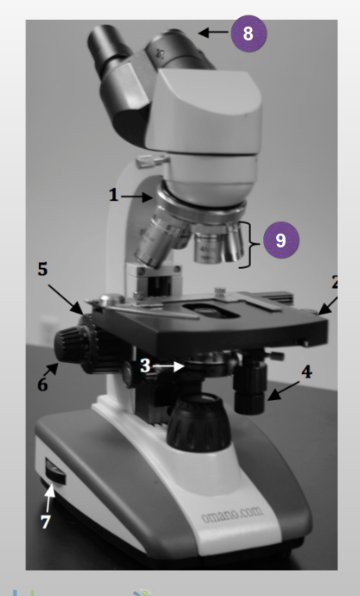
concave / convex
ocular / objective
lower / upper
objective / ocular
They would have cell walls.
They would have cytoplasm.
They would have one or more vacuoles.
They would have cell membranes.
They would have chloroplasts.
They would contain genetic material.
True
False
The nucleus.
DNA.
Organelles.
The cell membrane.
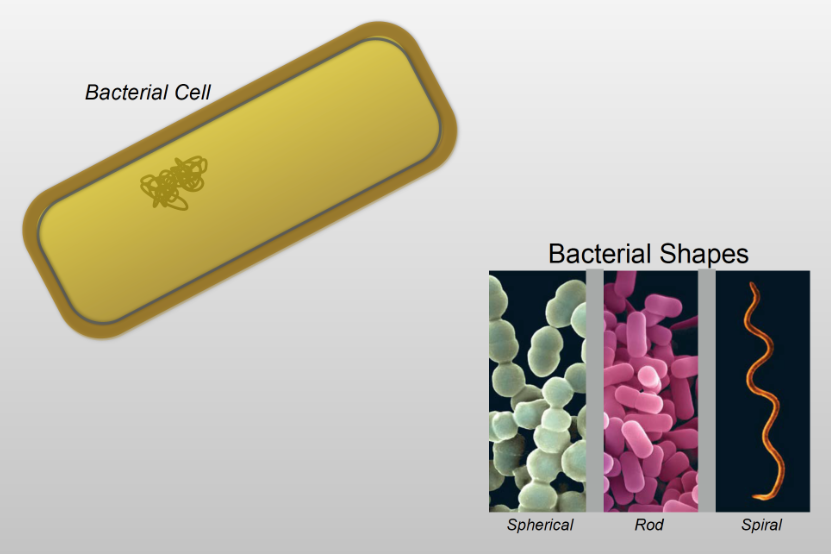
Eukaryote.
Prokaryote.
True
False
True
False
She should add the power of the ocular and objective lenses together.
She should multiply the power of the eyepiece by the power of the objective lens.
She should subtract the power of the eyepiece from the objective lens she is using.
She should use only the power of the objective lens.
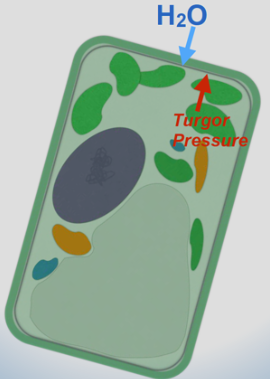
Hypertonic.
Isotonic.
Barbaric.
Hypotonic.
Permeability
Hydrostatic pressure
Osmosis
None of these
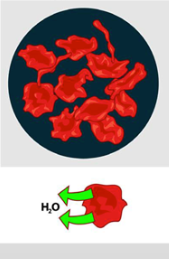
The cells will stop losing water when they get this shriveled, so they will be okay.
The cells will try to correct the imbalance by pulling water in so that they get rehydrated.
The cells will continue to lose water, and will shrivel and die.
The body will quickly make new cells, so these will not have an effect on blood flow.
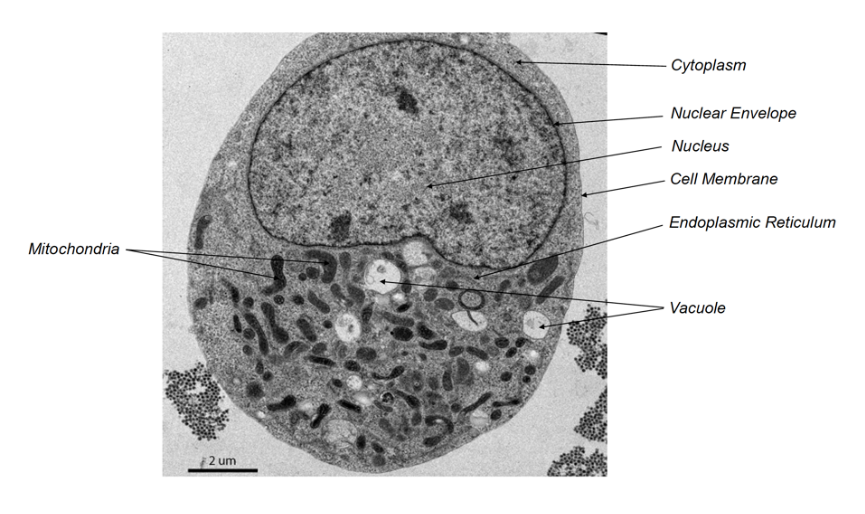
Oil immersion microscope.
Light microscope.
Scanning electron micsroscope.
Transmission electron microscope.
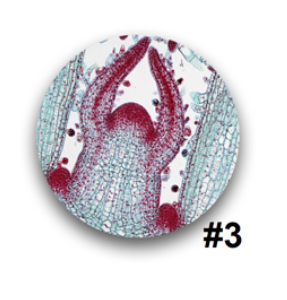
The cell membrane.
The field of view.
The fine focus.
The vision section.
He must only use the lowest magnification.
He must add a drop or two of oil to the slide.
He must carefully use the coarse focus knob.
He must not use a wet mount slide.
He must click the correct objective lens into place to contact the oil drop(s).
He must use only the fine focus knob.
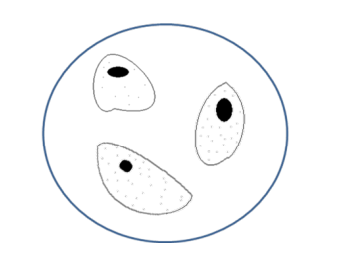
No, because you can't tell if these are individual unicellular organisms or if they are from a multicellular organism.
Yes, because you can be sure these are plant cells from their shapes.
Mold.
Bacteria.
Fungus.
Animal.
Plant.
Algae.
1 X.
10 X.
100 X.
1000 X.
True
False
Mitochondria.
Golgi Body.
Peroxisome.
Endoplasmic Reticulum.
They provide energy for the cell.
They store water or waste products for the cell.
They produce proteins for the organism.
They replicate the DNA of the cell.
True
False
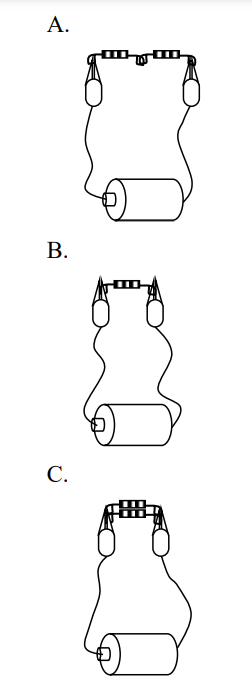
Circuit A.
Circuit B.
Circuit C.
There is no way to tell.
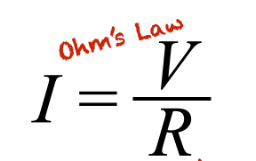
current
Ohms
pressure
None of these
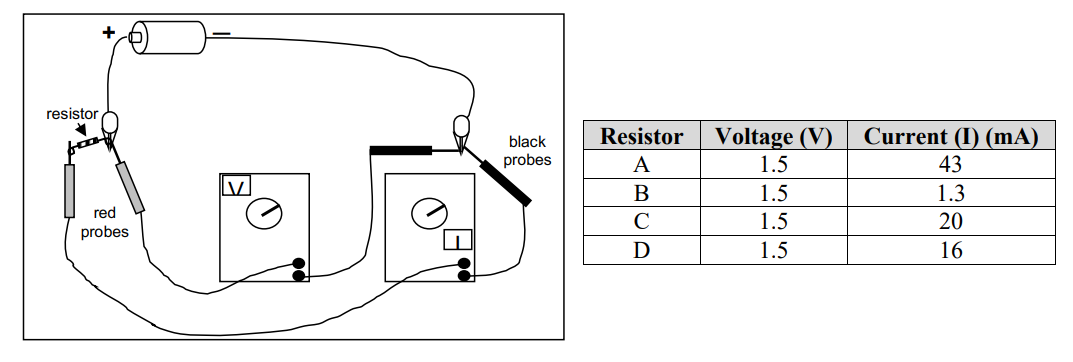
Resistor A.
Resistor B.
Resistor C.
Resistor D.
I = V / R
R = V / I
R = V x I
V = R x I
50 volts.
98 volts.
102 volts.
200 volts.
The resistance will increase, so the current will decrease too.
The resistance will decrease, so the current will decrease too..
The resistance will increase, so the current will increase too.
The resistance will decrease, so the current will increase.
Increasing the length of a resistor increases resistance.
Decreasing the length of a resistor increases resistance.
Increasing the cross-sectional area of a resistor increases resistance.
Increasing the cross-sectional area of a resistor decreases resistance.
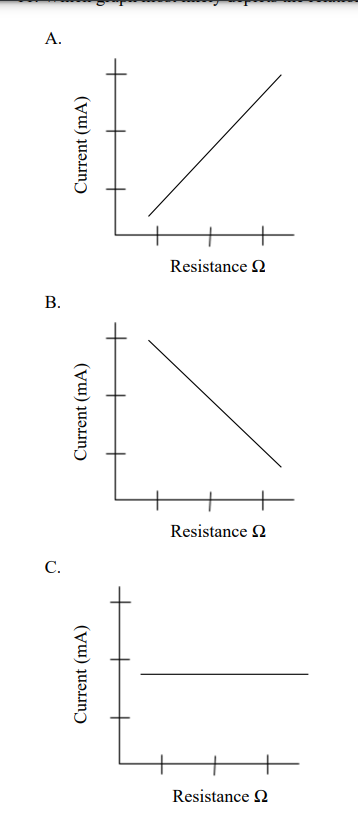
None of the graphs are correct.
Graph A.
Graph B.
Graph C.
Increase the resistance in the circuit.
Increase the number of batteries you are using in your circuit.
Increase the number of turns of wire in the coil.
Increase the length of the coil.

current
proton field
Ohms factor
magnetic field
Current.
Voltage.
Amps.
Teslas.
In a circuit, the current moves in the opposite direction of the flow of electrons..
Metals are good insulators of electricity.
Current is the amount of electrical charge that passes a given point in a specific amount of time.
The movement of electrons from one atom to the next creates an electrical current.

Megan's flashlight.
Brian's flashlight.
Mike's flashlight.
They will produce very similar currents.
True
False
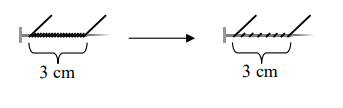
The magnetic field will increase.
The magnetic field will decrease.
The current of the circuit will decrease.
The voltage in the circuit will increase.
A spectrophotometer.
An oxygen meter.
A calorimeter.
A multimeter.
True
False
True
False
All three sounds will reach the base at the same time.
Sound A will reach the base first.
Sound B will reach the base first.
Sound C will reach the base first.
True
False
Nitrogen gas.
Vinegar.
Play-doh.
Lead.
Point A.
Point B.
Point C.
Point D.
Nodes
Internodes
Antinodes
None of these
It represents the entire wavelength of the sound.
It represents 3/4 of the sound's wavelength.
It represents 1/2 of the sound's wavelength.
It represents 1/4 of the sound's wavelength.
If amplified, a much thicker line is used to illustrate the wavelength at the same frequency.
If amplified, a higher and lower line is used to illustrate the wavelength at the same frequency.
If amplified, the wavelength would change, and it would be shown much longer.
If amplified, the nodes would move very close together to indicate the change.
The vibrations from the original standing wave transfer through the air molecules and move toward your ear.
The molecules are moving toward your ear as they vibrate.
The air moves closer and closer to your ear, carrying the sound with it.
The standing wave doesn't really stand, the wave actually travels and moves molecules to your ear.
the phase transition
the vibration
a chemical reaction
the viscosity
Nothing - the pitch stays the same.
The pitch of the sound decreases.
The pitch of the sound increases.
The sound gets louder.
Just like sound, the raindrops' kinetic energy produces waves of vibrations that move outward from the source.
The raindrops produce waves that move away from the origin in much the same way as sound waves move from the original standing wave.
The raindrops make a sound when they fall into water.
When raindrops hit water, their potential energy is changed into the potential energy of sound.
volume
level
speed
frequency
The sound's speed will change.
The sound's frequency will change.
The sound's wavelength will change.
The sound's amplitude will change.
A, B, C, D.
B, C, A, D.
C, B, D, A.
D, B, C, A.
True
False
True
False
It is a direct relationship, because as frequency increases so does wavelength.
There is no relationship, because frequency does not affect wavelength.
It is an inverse relationship, because as frequency increases wavelength decreases.
It is a reverse relationship, because frequency is the opposite of wavelength.
Speed = wavelength x amplitude.
Speed = wavelength x frequency.
Speed = wavelength / frequency.
Speed = wavelength / vibrations per second.
pitch
hertz
decibel
None of these
Directly to our ears.
They travel along with the air molecules.
In circles.
In waves.
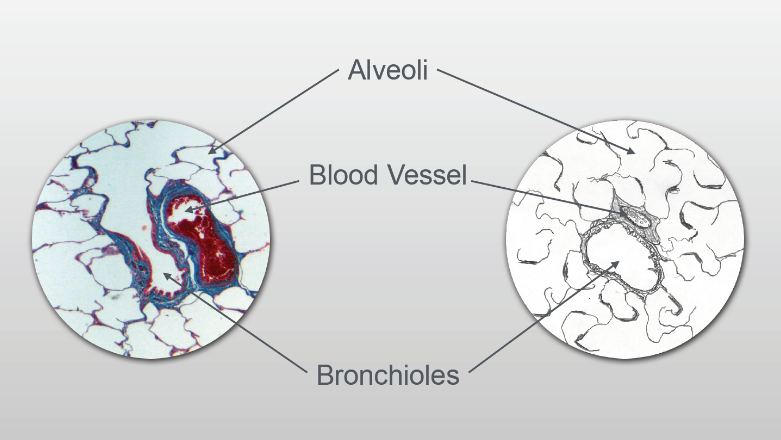
Contact inhibition
Cell cycle
Meiosis
Tissue
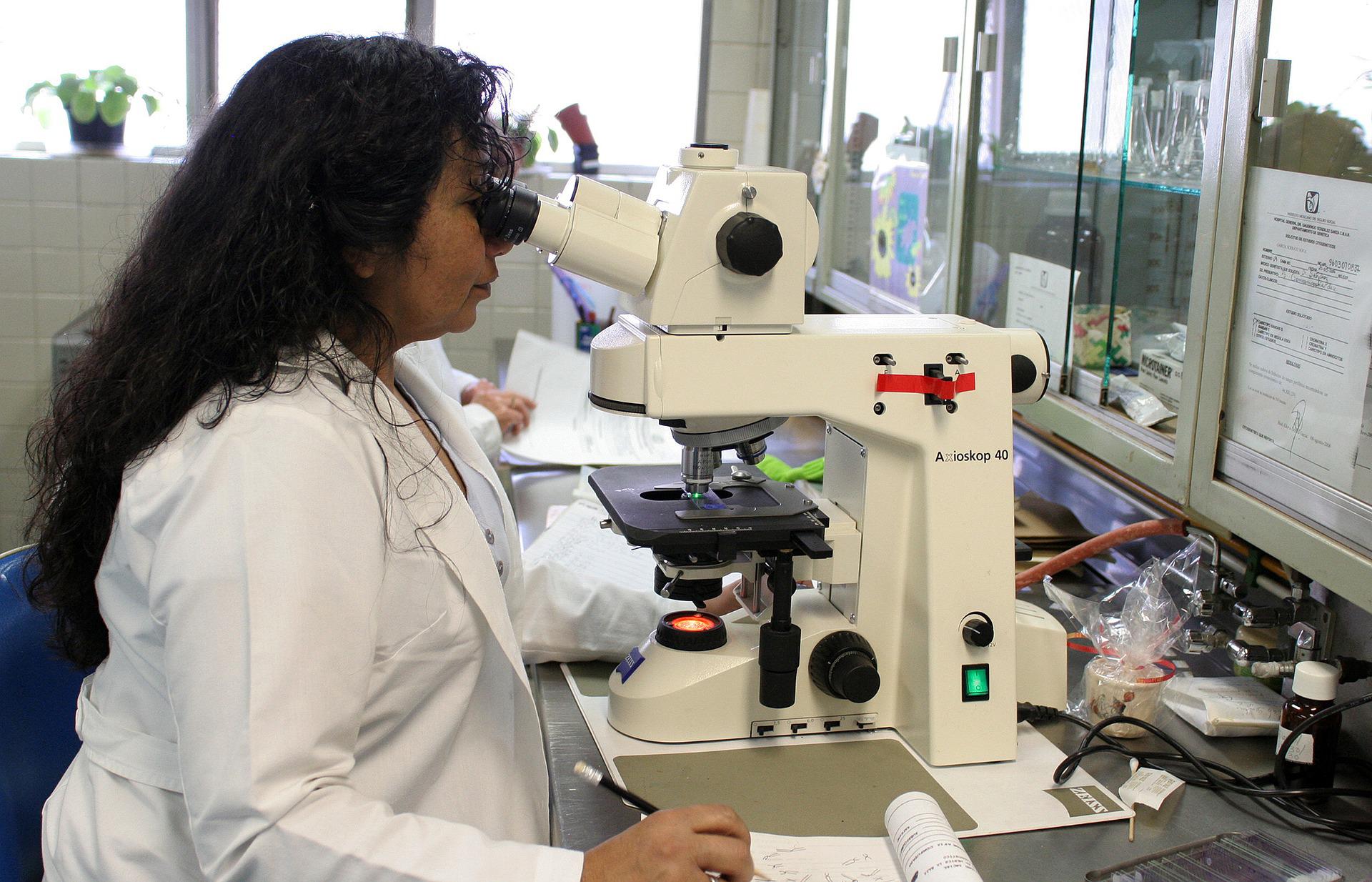
4x.
10x.
40x.
400x.
Cell>Organism>Molecule>Tissue
Molecule>Cell>Tissue>Organism
Organism>Tissue>Molecule>Cell
Tissue>Molecule>Cell>Organism

Connective tissue.
Muscle tissue.
Nervous tissue.
Epithelial tissue.
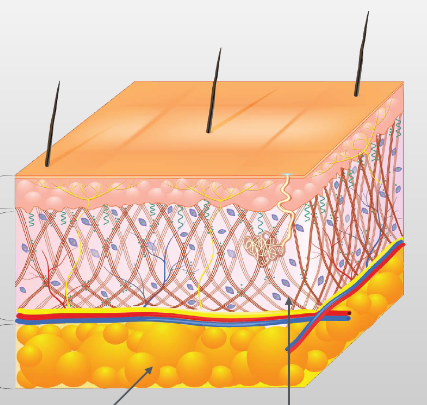
Epidermis, Collagen, Dermis.
Adipose tissue, Dermis, Subcutaneous.
Dermis, Epidermis, Subcutaneous.
Epidermis, Dermis, Subcutaneous.
Mitosis
Meiosis
Unregulated
None of these